Table of Contents >> Show >> Hide
- What “Copycat” Means Here (And Why Alfredo Has Two Personalities)
- Copycat Fettuccine Alfredo Ingredients
- Step-by-Step: How to Make Copycat Fettuccine Alfredo
- The Alfredo “Science” (Simple, But Important)
- How to Make It Taste Like a Restaurant Copycat
- Easy Variations (Because Life Is About Options)
- Common Problems and How to Fix Them
- Make-Ahead, Storage, and Reheating (A.K.A. “How to Keep Alfredo From Turning Into Paste”)
- Serving Ideas (Complete the “Restaurant” Experience)
- Final Thoughts: Your New Go-To Copycat Comfort Pasta
- Real-Life “Experiences” With Copycat Fettuccine Alfredo (The Fun Part)
You know that moment when you sit down at a restaurant, take one forkful of fettuccine Alfredo, and immediately
forget how to do basic math because your brain is too busy screaming, “BUTTER! CHEESE! CREAMY HUGS!”?
This is that momentat home, in sweatpants, with full control over the Parmesan snowfall.
This copycat fettuccine Alfredo is designed to hit that classic American restaurant vibe:
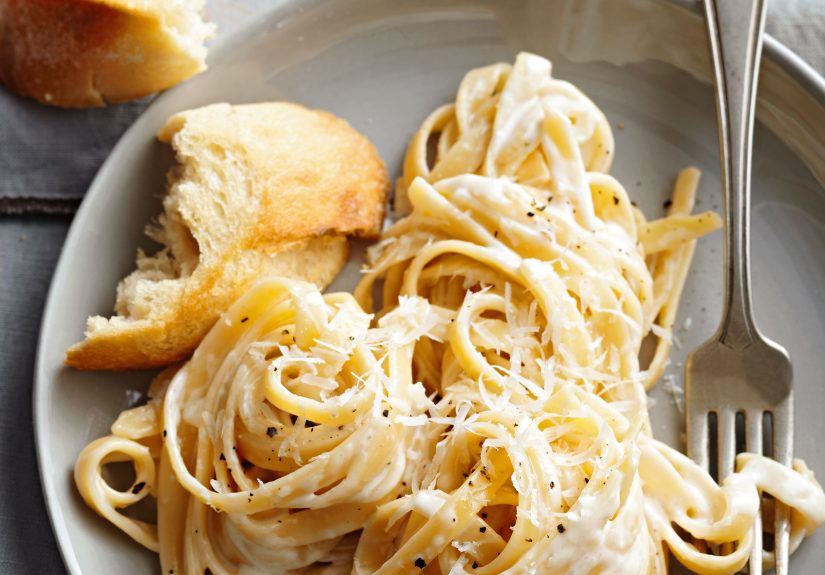
silky, rich, garlicky (but not “I fought a vampire” garlicky), and glossy enough to make your pasta look like it
just got a spa facial. It’s also built on real Italian techniquemeaning we’re going to use starchy pasta water
and a proper toss to make the sauce cling like it pays rent.
What “Copycat” Means Here (And Why Alfredo Has Two Personalities)
In the U.S., Alfredo usually means a cream-based sauceheavy cream plus butter plus Parmesan, sometimes with garlic,
sometimes with a whisper of nutmeg, and sometimes with chicken added because America loves a “protein upgrade.”
That’s the version most people are trying to recreate when they say “copycat.”
In Rome, classic fettuccine Alfredo is famously simple: butter + Parmigiano-Reggiano + pasta water.
No cream required. The magic is an emulsionbasically, fat and water learning to get along for once.
We’re taking the best of both worlds: the restaurant-style richness and the technique that keeps it smooth,
not gloppy.
Copycat Fettuccine Alfredo Ingredients
This recipe serves 4 hungry adults (or 3 hungry adults plus the mysterious fourth person who “isn’t that hungry”
but keeps returning to the pot with a fork).
Main Ingredients
- 12 ounces fettuccine (dry) classic shape, maximum sauce-holding potential
- 6 tablespoons unsalted butter split use for better sauce control
- 2 cloves garlic, very finely minced (or grated)
- 1 1/4 cups heavy cream the “restaurant-style” part
- 1 1/2 cups finely grated Parmesan (preferably Parmigiano-Reggiano)
- 1/4 cup Pecorino Romano (optional) adds extra salty depth
- Freshly ground black pepper
- Kosher salt
- Pinch of nutmeg (optional) subtle, cozy, and oddly elegant
Optional “Restaurant Extras”
- Chopped parsley for freshness and “look, I tried” energy
- Grilled chicken, shrimp, or sautéed mushrooms
- Lemon zest (tiny amount) to brighten a very rich sauce
Why Freshly Grated Cheese Matters
Pre-shredded cheese often contains anti-caking agents that can make sauces grainy or weirdly clumpy. This sauce is
basically a beauty pageant for Parmesan, so give it a fair shot. Use a microplane or the fine side of a grater.
Think “fluffy snow,” not “chunks that need a personal invitation to melt.”
Step-by-Step: How to Make Copycat Fettuccine Alfredo
1) Cook the pasta (and keep the liquid gold)
- Bring a large pot of water to a boil and salt it generously (it should taste pleasantly salty).
- Add the fettuccine and cook until just al dente. Don’t overcooksoft noodles + rich sauce = sleepy pasta.
- Reserve 1 1/2 cups pasta water before draining. This starchy water is your sauce’s secret handshake.
- Drain the pasta, but don’t rinse it. Rinsing washes away starch that helps the sauce cling.
2) Build the sauce base
- In a large skillet or wide saucepan over medium-low heat, melt 4 tablespoons butter.
- Add the minced garlic and cook for 30–45 seconds, just until fragrant (no browning).
- Pour in the heavy cream and bring it to a gentle simmernot a rolling boil.
- Season with a few turns of black pepper and a tiny pinch of nutmeg (optional).
3) Add pasta + emulsify like a pro
- Add the drained fettuccine directly into the skillet with the cream mixture.
- Add about 1/2 cup reserved pasta water and toss vigorously for 30 seconds.
- Lower the heat to low. Add the remaining 2 tablespoons butter in small pieces and toss until melted.
- Sprinkle in the Parmesan (and Pecorino if using) a handful at a time, tossing constantly.
-
If the sauce seems too thick, add more pasta water a splash at a time until it looks glossy and coats the noodles.
If it’s too thin, keep tossing over low heat for another minutestarch + motion will tighten it up.
4) Finish and serve (immediately, like you mean it)
Taste and adjust salt (cheese varies a lot). Serve right away with extra Parmesan and parsley.
Alfredo waits for no oneif it sits too long, it thickens and turns into pasta’s awkward clingy ex.
The Alfredo “Science” (Simple, But Important)
Great Alfredo isn’t about complicated ingredients; it’s about emulsion. You’re combining fat (butter/cream),
water (pasta water), and proteins (cheese) into a sauce that’s smooth instead of separated. The starchy pasta water helps
the sauce bind and cling. Tossing (not gently stirring like you’re apologizing) is what brings it together.
Three rules that prevent sadness
- Keep the heat low when adding cheese. Too hot = cheese can clump or turn grainy.
- Add cheese gradually. A slow sprinkle melts better than a dramatic dump.
- Use pasta water strategically. It loosens the sauce, then helps it tighten into silk as you toss.
How to Make It Taste Like a Restaurant Copycat
Use the right dairy balance
Restaurants often go heavier on cream for that luxurious mouthfeel. This recipe uses enough cream for richness
while still relying on pasta water for a smooth finishso it feels indulgent without feeling like you need a nap
halfway through the bowl.
Season like a grown-up
Alfredo should taste like butter and cheesebut it shouldn’t taste flat. Pepper adds warmth. A tiny pinch of nutmeg
adds a subtle “what is that?” coziness. Garlic should be present, not aggressive.
Finish in the pan (don’t just pour sauce on top)
Copycat-level results come from tossing pasta and sauce together so the noodles absorb flavor and the sauce grabs on.
Think of it as the difference between “wearing a jacket” and “being hugged by a jacket.”
Easy Variations (Because Life Is About Options)
Copycat Chicken Alfredo
Season chicken breasts or thighs with salt, pepper, and garlic powder. Sear in a skillet until cooked through,
slice, and toss into the finished pasta. (Bonus points if you deglaze the chicken pan with a splash of pasta water
and add that flavor back into the sauce.)
Shrimp Alfredo
Sauté shrimp in butter with a little garlic until just pink. Add at the end so it stays tender.
Overcooked shrimp is basically seafood chewing gumdon’t do that to yourself.
Veggie-friendly upgrades
- Broccoli: toss florets into the pasta water for the last 2–3 minutes of boiling.
- Mushrooms: sauté until browned for umami that makes Alfredo feel “fancy.”
- Spinach: stir in at the end to wilt in 30 seconds.
Lighter (but still satisfying) approach
Use slightly less cream and rely more on pasta water and cheese for body. You’ll still get a creamy saucejust with
a little less “I ate the whole dairy aisle” energy.
Common Problems and How to Fix Them
My sauce is grainy
- Heat was likely too high when cheese went in. Fix by taking the pan off heat, adding a splash of warm pasta water, and tossing.
- Cheese might be too coarsely grated. Finer cheese melts smoother.
My sauce is too thick
Add reserved pasta water a tablespoon or two at a time while tossing until it loosens up and turns glossy.
Alfredo is supposed to coat, not cement.
My sauce is too thin
Keep tossing over low heat for 1–2 minutes. The starch will help it tighten. Add a little more cheese if needed,
but do it gradually.
It tastes bland
Most of the time, it needs salt or more cheese (or both). Parmesan provides saltiness,
but brands vary. Also, don’t underestimate black pepperit’s part of Alfredo’s personality.
Make-Ahead, Storage, and Reheating (A.K.A. “How to Keep Alfredo From Turning Into Paste”)
Alfredo is best fresh, but leftovers can still be good if you reheat gently.
- Store: airtight container in the fridge for up to 3 days.
- Reheat: in a skillet over low heat with a splash of milk, cream, or water. Stir/toss until smooth.
- Microwave: use short bursts (20–30 seconds), stirring often, plus a splash of liquid.
Serving Ideas (Complete the “Restaurant” Experience)
- Salad: crisp greens with a tangy vinaigrette to balance the richness.
- Garlic bread: because we are here to enjoy ourselves.
- Roasted vegetables: asparagus, broccolini, or Brussels sprouts for a savory counterpoint.
Final Thoughts: Your New Go-To Copycat Comfort Pasta
A truly great copycat fettuccine Alfredo recipe isn’t just creamyit’s silky, balanced, and
clings to the noodles instead of sliding off like it’s late for a meeting. With fresh cheese, gentle heat, and
the not-so-secret weapon of starchy pasta water, you can get that restaurant-style bowl at home whenever the craving hits.
Real-Life “Experiences” With Copycat Fettuccine Alfredo (The Fun Part)
Making a copycat Alfredo at home tends to come with a few predictable plot twistslike a rom-com where the love interest
is Parmesan. First, there’s the confidence phase. You boil pasta, you melt butter, you think, “I was born for this.”
Then you add cheese and suddenly you’re staring into the pan like it just texted “we need to talk.”
Here’s what most home cooks discover: Alfredo is less “dump and stir” and more “slowly persuade ingredients to become
friends.” The good news is that the persuasion is delicious. The moment you toss the noodles with a splash of pasta water
and the sauce turns glossy, you’ll feel like you just unlocked a culinary achievement badge. You didn’t add a thickener,
you didn’t open a jar, and yet the sauce clings to each ribbon of pasta like it has a crush.
The other classic experience is learning what “freshly grated” really means. You might start with the good intention
of grating a whole block of Parmigiano-Reggiano, then realize you’ve been grating for twelve minutes and your forearm
is writing a complaint letter. A microplane helps. So does recruiting a helper. (If someone in your home is standing
around asking “when’s dinner,” congratulations: they just volunteered to grate cheese.)
Copycat Alfredo also has a funny way of making a normal Tuesday feel like a special occasion. It’s not complicated food,
but it reads as complicated. Put it in a warm bowl, add a little parsley, and suddenly people are talking like
you attended a secret pasta academy. This is the power of glossy sauce and confidence garnish.
If you’re serving guests, Alfredo is basically a social magnet. People drift toward the kitchen “just to check something”
and then mysteriously remain near the stove. Someone will ask what your secret is. You can be dramatic and say,
“Technique,” while tossing pasta like you’re in a food commercial. Or you can be honest and say: “Butter, cheese,
and the pasta water I almost forgot to save.”
And then there’s the leftover reality. Alfredo the next day can either be comforting or confusing, depending on how you
reheat it. Many people learn the hard way that microwaving it straight can produce a thick, stubborn mass that resembles
a dairy-based science project. But reheating gently with a splash of milk or cream? That’s the move. It comes back to life,
the sauce smooths out, and you get a second round of comfort without sacrificing texture.
The biggest “experience” of all, though, is figuring out your personal Alfredo identity. Some folks love it extra creamy,
restaurant-style. Others want it closer to the Roman approachlighter, more emulsified, and powered mainly by butter,
cheese, and pasta water. The best part about cooking it at home is you get to choose. Make it once, taste it, tweak it,
and suddenly you’re not just copying a restaurantyou’re upgrading your own comfort-food playbook.