Table of Contents >> Show >> Hide
Note: Web-ready HTML body only, written in standard American English, with SEO JSON tags at the end.
There are desserts, and then there are cookies: the tiny, round overachievers that somehow manage to be nostalgic, practical, giftable, lunchbox-friendly, and dangerously easy to eat in batches you will later describe as “research.” A great cookie recipe is more than a list of ingredients. It is a little piece of kitchen strategy. The butter matters. The sugar ratio matters. The baking time matters. And yes, the difference between “golden and glorious” and “why is this pan full of cookie lava?” can be just two minutes.
This guide to cookie recipes is designed for home bakers who want more than a random assortment of sweets. Instead of tossing a pile of recipes at you and wishing you luck, this article breaks down the most popular cookie styles, the science behind why they work, the common mistakes that ruin texture, and the small adjustments that can help you bake better cookies every single time. Whether you want chewy chocolate chip cookies, crisp sugar cookies, cozy oatmeal cookies, or buttery shortbread, the goal is simple: fewer kitchen disasters, more cookies worth bragging about.
Why Cookie Recipes Never Go Out of Style
Cookie recipes stick around because they solve real-life dessert problems. They are easier than layer cakes, less fussy than pastries, and much more portable than a pudding that sloshes around like it is plotting revenge. Cookies work for holidays, bake sales, birthdays, road trips, teacher gifts, office parties, and those deeply personal moments when your day has been absurd and only a warm chocolate chip cookie can restore social harmony.
They are also incredibly flexible. One base dough can become ten different desserts with a few smart changes. Add chopped dark chocolate and flaky salt for a bakery-style feel. Fold in oats and cinnamon for a cozy, hearty batch. Roll dough in sugar for sparkle. Sandwich two cookies with ganache or jam if you are feeling dramatic. Cookie recipes reward creativity, but they also reward discipline. In baking, “close enough” can be a risky personality trait.
The Basics Every Great Cookie Recipe Needs
1. The Right Flour Amount
Too much flour is one of the fastest ways to turn a promising cookie recipe into a dry, puffy disappointment. When measuring flour, fluff it first, spoon it lightly into the measuring cup, and level it off. Better yet, weigh it when possible. This small step can make cookies less cakey and more balanced, especially in recipes meant to be chewy.
2. Butter Sets the Mood
Softened butter creates classic creamed-cookie doughs with structure and lift. Melted butter often creates denser, chewier cookies with deeper flavor. Browned butter adds nuttiness and a rich caramel note that makes people suddenly ask if you went to pastry school. You do not need a culinary degree. You just need to stop the butter before it burns and before your smoke alarm starts contributing notes.
3. Brown Sugar vs. White Sugar
White sugar usually helps cookies bake up crisper. Brown sugar, thanks to its moisture and molasses content, often gives cookies a softer, chewier texture. The best cookie recipes rarely choose sides completely. Many use both sugars to create cookies with crisp edges and tender centers, which is honestly the dessert equivalent of having range.
4. Chill the Dough
Chilling dough is not culinary cruelty. It gives the flour time to hydrate, helps the fat firm up, and reduces wild spreading in the oven. If your dough looks shiny, sticky, or suspiciously eager to melt, the refrigerator is your friend. Even a short chill can improve texture and shape.
5. Watch the Oven, Not Just the Clock
Most cookie recipes list a bake time, but your oven, sheet pan, and dough temperature can change the result. Start checking early. Cookies are usually done when the edges look set and lightly golden while the centers still look a little soft. They continue to firm up on the hot baking sheet after they come out of the oven, which is wonderful news unless you leave them in too long and bake away their personality.
8 Cookie Recipes and Styles Every Baker Should Know
1. Classic Chocolate Chip Cookies
If cookie recipes had a mayor, chocolate chip cookies would win in a landslide. A great version usually balances butter, brown sugar, white sugar, vanilla, flour, eggs, baking soda, salt, and chocolate. The texture can be adjusted depending on what you like. Want chewy cookies? Use a little more brown sugar, slightly underbake them, and chill the dough. Want crisp cookies? Use a little more white sugar and bake a touch longer.
For the best flavor, use chopped chocolate in addition to chips. Chips hold their shape nicely, but chopped chocolate creates puddles and streaks that make the cookies look and taste more luxurious. A little flaky salt on top right after baking can also sharpen the sweetness and make the flavor feel more grown-up.
2. Soft Sugar Cookies
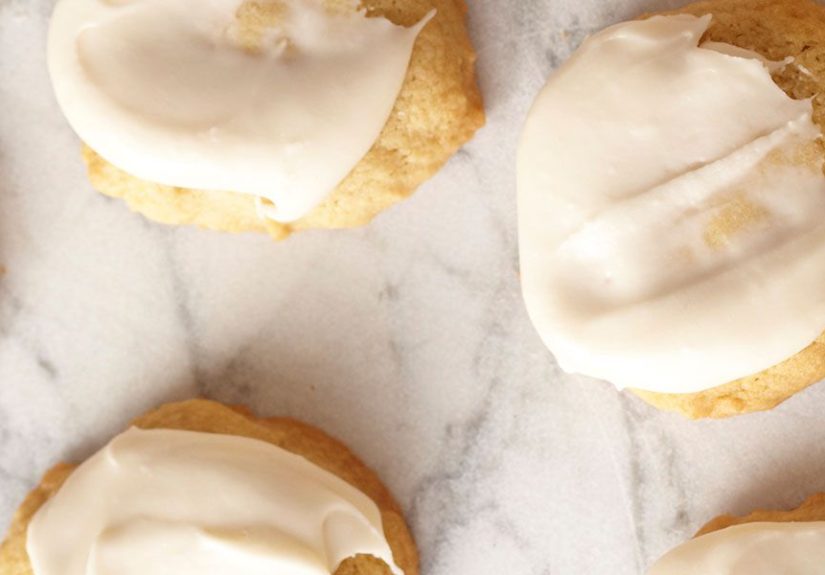
Soft sugar cookies are deceptively simple. Fewer ingredients mean less room for error, so technique matters. Cream the butter and sugar well, avoid overmixing after the flour goes in, and chill the dough if the recipe calls for it. These cookies are all about tenderness, light vanilla flavor, and that delicate sugar crust that cracks just enough to look charming.
They are perfect for holidays, school events, and any situation where people suddenly become very emotionally attached to sprinkles. You can keep them plain, frost them, or dress them up with citrus zest for a brighter flavor.
3. Cut-Out Cookies
Cut-out cookies need structure. If the dough is too warm or too soft, your snowflake cutter becomes a potato-shaped mystery before it reaches the cooling rack. Roll the dough evenly, preferably between sheets of parchment, and chill it well before cutting. This helps the shapes hold their edges and keeps the cookies from puffing or spreading too much.
These cookies are ideal for decorating because they offer a smooth surface and crisp outline. Vanilla, almond extract, lemon zest, or even a touch of cardamom can help them taste as good as they look. Decorative cookies that taste bland are basically edible craft supplies, and we can do better than that.
4. Oatmeal Cookies
Oatmeal cookies are the cozy sweaters of the cookie world. They can be chewy, hearty, spiced, and wonderfully adaptable. Raisins are classic, but dried cherries, chopped dates, toasted pecans, or dark chocolate work beautifully too. Cinnamon is the usual star, though nutmeg and ginger can add depth.
For the best texture, do not overload the dough with extras. The oats should still be the main event. If you like a softer cookie, slightly underbake them. If you prefer a firmer, more rustic bite, bake until the edges are deeper golden.
5. Peanut Butter Cookies
Peanut butter cookies are rich, nutty, and gloriously satisfying. Their signature fork marks are not just decorative. They help flatten a dense dough so the cookies bake evenly. Traditional versions combine butter, peanut butter, sugar, flour, egg, and leavening, while simpler versions can skip the flour entirely.
These cookies tend to brown quickly, so keep an eye on them. A little flaky salt or a drizzle of melted chocolate can take them from lunchbox classic to “please hide these from the rest of the family.”
6. Snickerdoodles
Snickerdoodles bring softness, tang, and a cinnamon-sugar coating that makes them smell like someone in your kitchen actually has their life together. Cream of tartar gives them their distinctive flavor and texture, so this is one of those cookie recipes where a substitution can noticeably change the result.
Roll the dough balls generously in cinnamon sugar, and bake just until set. The centers should stay soft. Done right, snickerdoodles have a lightly crisp exterior and a tender inside that makes them impossible to stop at one.
7. Shortbread Cookies
Shortbread proves that elegance does not need a lot of ingredients. Butter, sugar, flour, and sometimes salt are enough to create a cookie that is delicate, sandy, and deeply buttery. Because the ingredient list is so short, quality matters. Use butter you actually like the taste of, because this recipe will not hide it behind five cups of chocolate chips and wishful thinking.
Shortbread can be shaped into rounds, pressed into pans, or cut into fingers. It pairs beautifully with citrus zest, chopped rosemary, espresso powder, or a dip in dark chocolate. It is the cookie equivalent of dressing simply but looking expensive.
8. Ginger and Molasses Cookies
For bakers who want bold flavor, ginger and molasses cookies deliver warmth, spice, and chew. Molasses gives depth and moisture, while ginger, cinnamon, and cloves make the whole kitchen smell like a holiday movie set. These cookies can be soft and crinkly or baked a little longer for a firmer bite.
They are especially good for gifting because the flavor holds up well, and they often taste even better the next day. In other words, they are the rare cookie that rewards patience. Annoying, but admirable.
How to Make Any Cookie Recipe Better
Use a Scoop
Uniform dough balls bake more evenly and make the whole tray look polished. A cookie scoop is not a luxury gadget. It is a shortcut to consistency.
Do a Test Batch
Bake two or three cookies first. This tiny preview tells you whether the dough needs more chilling, whether the cookies spread too much, and whether your oven is running hot. It is a smart move that saves entire trays from turning into crunchy regret.
Do Not Crowd the Pan
Cookies need room to spread and brown properly. If they are too close together, they steam each other and sometimes merge into one giant cookie blob. A giant cookie blob sounds fun until you need to explain why your dozen cookies became a dessert continent.
Let the Pan Cool Between Batches
Dropping dough onto a hot sheet starts melting the fat before baking even begins. That often means extra spreading and less control. Cool sheet pans are one of those boring details that quietly separate average cookies from excellent ones.
Common Cookie Problems and How to Fix Them
Cookies Spread Too Much
Possible causes include overly soft butter, warm dough, too little flour, or a hot baking sheet. Chill the dough, measure carefully, and use parchment for more reliable results.
Cookies Are Dry
You may have added too much flour or baked them too long. Check the cookies earlier next time and be gentler with your measuring.
Cookies Are Too Puffy
This can happen when there is too much flour, too much leavening, or not enough spread-friendly moisture. Melted butter or a slightly flatter dough ball can help in some recipes.
Cookies Brown Unevenly
Your oven may have hot spots, or your cookies may be different sizes. Rotate the pan if needed and use a scoop for even portions.
Experience, Memory, and the Real Joy of Cookie Recipes
One reason cookie recipes stay beloved is that they are tied to experience just as much as flavor. Almost everyone has a cookie memory. Maybe it is a grandmother who kept shortbread in a tin that somehow appeared every December like a seasonal miracle. Maybe it is the first batch of chocolate chip cookies you made by yourself and the shocking discovery that cookie dough on a spoon tastes suspiciously excellent. Maybe it is the smell of cinnamon sugar filling the kitchen while the windows fogged up on a cold afternoon.
Cookie baking also teaches useful lessons in a sneaky way. It teaches patience because dough often improves after resting. It teaches attention because one extra scoop of flour can change the entire texture. It teaches generosity because cookies are one of the easiest desserts to share. A cake can feel formal. A pie can feel fragile. But a plate of cookies says, “I made this for you, and yes, you can absolutely take three.”
There is also something comforting about the rhythm of making cookies. Scoop, roll, press, bake, cool, repeat. The routine itself is calming. You do not need advanced equipment, a holiday, or a dramatic life milestone to make cookie recipes worthwhile. Sometimes the best reason is simply that the day feels better with brown sugar, butter, and vanilla involved.
Cookies are also where many home bakers build confidence. They are forgiving enough for beginners but still interesting enough for experienced bakers to keep experimenting. You can test browned butter, different chocolates, various flours, toasted nuts, citrus zest, espresso powder, or flaky salt. You can compare chilled dough versus same-day dough. You can learn how texture changes when you use more white sugar or more brown sugar. It becomes a delicious little laboratory, except the experiments usually disappear by the next morning.
And then there is the social side. Cookie recipes show up for school events, office birthdays, neighborhood swaps, road trips, baby showers, and late-night conversations at the kitchen counter. A warm tray of cookies tends to lower the emotional temperature of just about any room. People soften. They linger. They ask for the recipe. They tell stories about the cookies they grew up with. Suddenly dessert becomes a memory exchange program.
That is why the best cookie recipes are not just about technique, even though technique matters. They are about reliability, comfort, and a sense of small celebration. A really good cookie feels familiar, but not boring. It can be simple without being plain. It can be nostalgic without tasting dated. And it can turn an ordinary afternoon into something that feels just a little more generous, a little more cozy, and a lot more delicious.
Final Thoughts
The best cookie recipes are the ones that match the moment. Chocolate chip cookies are dependable and crowd-pleasing. Sugar cookies are playful and versatile. Oatmeal cookies feel wholesome in the same way sweatpants feel formal if you squint. Shortbread is elegant, snickerdoodles are comforting, and ginger cookies bring serious seasonal energy. Once you understand the role of butter, sugar, flour, and chilling time, you can choose or adapt recipes with much more confidence.
In the end, great cookies are not an accident. They are the result of good ingredients, careful measuring, smart timing, and a willingness to pull the tray before the cookies look fully finished. Then you let the cooling sheet do its quiet magic. That is how good intentions become great cookies, and how a basic recipe becomes one you make forever.