Table of Contents >> Show >> Hide
- How Coffee Interacts With Your Body (and Your Meds)
- Common Medications That May Interact With Coffee
- Practical Rules for Mixing Coffee and Medicine Safely
- Who Needs to Be Extra Careful?
- When to Talk to Your Healthcare Provider
- Real-Life Experiences: Navigating Coffee and Medicine in Everyday Life
- Bottom Line
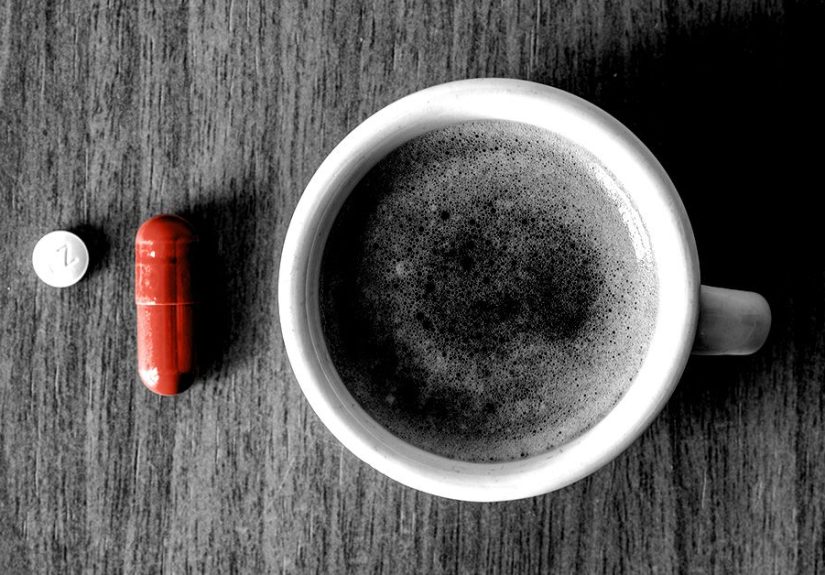
If your morning routine looks like thisalarm, phone, pills, coffeeyou’re definitely not alone. Coffee and medication are two of the most common things people put into their bodies before 9 a.m. The big question is: do they actually get along, or is your latte secretly sabotaging your prescriptions?
The short answer: yes, coffee can interact with certain medicines. Sometimes the effect is mild and just changes how quickly a drug works. Other times, it can reduce how much medication your body absorbs or even intensify side effects. Understanding when coffee is harmless and when it’s a problem can help you keep both your caffeine habit and your health on track.
How Coffee Interacts With Your Body (and Your Meds)
The celebrity troublemaker in coffee is caffeine. It’s a stimulant that affects your brain, heart, stomach, liver, and kidneys. That same caffeine can also interfere with how your body absorbs, breaks down, or responds to certain medications.
1. The liver enzyme connection (CYP1A2)
Your liver uses a family of enzymes called cytochrome P450 to metabolize many drugs. One important member of this family is CYP1A2. Both caffeine and several medications use CYP1A2 as their “processing lane.” When caffeine and one of these drugs show up at the same time, they can compete for that lane.
For some medications, like the antipsychotic clozapine and the asthma drug theophylline, caffeine can slow their breakdown and increase blood levels, which may raise the risk of side effects such as jitteriness, palpitations, nausea, or even more serious reactions in sensitive people.
2. Changes in absorption from the gut
Coffee doesn’t just perk up your brainit also speeds up how quickly things move through your stomach and intestines. It’s acidic, contains compounds like polyphenols and chlorogenic acid, and can stimulate stomach acid production. All of that can influence how well certain drugs and nutrients are absorbed.
With some medications, coffee can reduce the amount that actually gets into your bloodstream. For others, timing is everything: taking the pill with coffee may cause problems, while separating the two by an hour or more can largely fix the issue.
3. Overlapping stimulant effects
Caffeine is a stimulant. If you combine it with other drugs that also stimulate your nervous system or heartthink some ADHD meds, certain decongestants, or asthma medicationsyou can end up feeling overly wired: racing heart, anxiety, tremors, or trouble sleeping. Even if the medications themselves are doing what they’re supposed to, the combo can feel like too much.
4. Nutrient interference
Coffee can also interfere with the absorption of certain nutrients and supplements, especially iron and some minerals. That matters if you’re taking these nutrients as part of a treatment plan for anemia, bone health, or other conditions.
Common Medications That May Interact With Coffee
Not every pill has beef with coffee. But there are some frequent flyers where doctors and pharmacists usually recommend caution and good timing.
1. Thyroid medications (levothyroxine)
Levothyroxine, a synthetic thyroid hormone, works best when it’s absorbed consistently. Studies have shown that drinking coffee shortly before or after taking levothyroxine tablets can reduce how much of the hormone your body absorbs and delay when it peaks in your bloodstream. In some people, coffee can cut absorption by around a quarter to half when taken together.
That doesn’t mean you can never drink coffee. The usual advice is:
- Take levothyroxine first thing in the morning with a full glass of water on an empty stomach.
- Wait at least 30–60 minutes before drinking coffee or eating breakfast, unless your doctor tells you otherwise.
- Some newer liquid or soft-gel forms of levothyroxine may be less affected by coffee, but you should only switch formulations under medical guidance.
2. Antidepressants and other psychiatric medications
Coffee can affect some antidepressants and antipsychotic drugs in two main ways: by sharing liver metabolism pathways and by stacking stimulant-like effects.
- SSRIs and tricyclics: Certain antidepressants (for example, fluvoxamine and some tricyclics) can alter how your body metabolizes caffeine. That can make caffeine hang around longer, increasing side effects like nervousness, insomnia, or a racing heart.
- Antipsychotics like clozapine: Because clozapine and caffeine both rely on CYP1A2, changes in coffee intake (either suddenly drinking more or abruptly cutting back) can cause clozapine levels to rise or fall. That’s why people on clozapine are often advised to keep their caffeine intake stable, not swing wildly from “five espressos a day” to “cold turkey.”
If you notice that your mood medication suddenly feels stronger or weaker after you change your coffee habits, it’s worth mentioning to your prescriber.
3. ADHD medications and other stimulants
Many ADHD medications (like amphetamine or methylphenidate-based drugs) are stimulants. Pair those with coffee and you may get a bigger boost than you bargained for: more focus, yes, but also more jitteriness, anxiety, or elevated heart rate in some people.
Again, this doesn’t mean you must give up your morning brew forever. But it does mean:
- Start with modest caffeine if you’re beginning or adjusting stimulant medications.
- Keep an eye on symptoms like tremors, palpitations, or feeling “overamped.”
- Ask your prescriber what level of caffeine is reasonable for you.
4. Asthma meds (theophylline) and certain heart medications
Theophylline, an older asthma medication, has a narrow safe range in the blood. Coffee and other caffeine sources can increase theophylline levels, raising the risk of side effects like nausea, vomiting, headache, or heart rhythm changes. If you’re on theophylline, your provider may suggest limiting caffeine or keeping your intake very consistent so blood levels don’t swing.
Some heart medications and blood thinners may also be affected by caffeine or by changes in gastric emptying and absorption. While occasional coffee is not automatically off-limits, sudden changes in caffeine intake can sometimes alter how predictable those medications are.
5. Antibiotics
Certain antibiotics can interact with caffeine by slowing its breakdown, making you feel extra jittery, or by being less effective if caffeine changes how bacteria or your body respond. Not all antibiotics are affected, but if you’re on a strong course and suddenly feel unusually wired after your usual coffee, your medicationand your caffeine habitmight be teaming up in unexpected ways.
6. Iron and mineral supplements
Iron supplements and coffee are a famously bad couple. The polyphenols and other compounds in coffee can significantly reduce non-heme iron absorption from supplements or plant-based foods. If you’re taking iron for anemia or low ferritin levels, washing the pill down with coffee can undercut the benefit.
Calcium and some other minerals may also be less well absorbed if taken right alongside coffee, and caffeine’s mild diuretic effect can increase how much calcium you excrete in urine over time.
A simple fix: take iron and most mineral supplements with water, away from coffeeoften at least one to two hours apart, unless your healthcare provider gives different instructions.
Practical Rules for Mixing Coffee and Medicine Safely
The good news: most people don’t need to choose between their prescriptions and their beloved mug. A few practical habits can dramatically lower the chances of meaningful interactions.
1. Use water to swallow your medication
This is the golden rule. For nearly all pills, plain water is the safest and most predictable choice. Save the coffee for a separate moment.
2. Time your coffee and meds
When in doubt, a simple timing strategy works well for many drugs:
- Take your medication at least 1 hour before coffee OR
- Wait 2 hours after drinking coffee before taking the medication.
This timing helps your body absorb the drug without coffee getting in the way, especially for medicines known to be sensitive to stomach conditions or intestinal transit.
3. Keep your caffeine intake consistent
For drugs that share metabolic pathways with caffeine (like clozapine or theophylline), it’s not just the coffee itself that mattersit’s the pattern. Going from one cup a day to five, or suddenly quitting after years of heavy intake, can change drug levels. If you plan to drastically adjust your caffeine habits, talk to your prescriber first.
4. Watch for warning signs
Red flags that coffee and your medication might not be getting along include:
- Unusual jitters, anxiety, or restlessness
- New or worsening insomnia
- Rapid or irregular heartbeat
- Unexpected headaches, nausea, or tremors
- Feeling like your medication suddenly “stopped working” after a coffee routine change
These symptoms don’t automatically prove that coffee is the culprit, but they’re good reasons to check in with your healthcare provider or pharmacist.
Who Needs to Be Extra Careful?
Some people should pay closer attention to coffee–medication interactions than others, including:
- People with thyroid disease taking levothyroxine, especially in tablet form.
- Those on psychiatric medications like clozapine, or certain antidepressants and anti-anxiety drugs that interact with caffeine metabolism.
- Individuals taking stimulants (ADHD meds, some weight-loss meds, certain cold medicines).
- People with heart conditions or those on drugs with narrow therapeutic ranges, where even modest changes in absorption or metabolism matter.
- Anyone with iron deficiency or anemia relying on iron supplements to rebuild their stores.
- Older adults, who may metabolize both caffeine and medications more slowly.
If you’re in one of these groups, it’s especially important to treat coffee as part of your medication routinenot an unrelated habit.
When to Talk to Your Healthcare Provider
Healthcare professionals don’t expect you to memorize every possible drug–food interaction. That’s their job. What they do need from you is honesty and detail about your daily habits.
Bring it up if:
- You drink coffee daily and are starting a new medication.
- Your prescriber increases or changes your dose and you also plan to change your coffee intake (switching to cold brew, adding energy drinks, cutting back, etc.).
- You notice new symptoms that seem tied to your coffee timinglike getting jittery when you drink coffee right after taking a pill, but not when you wait an hour.
Your provider might suggest specific timing, adjusting the dose, or switching to a different formulation that plays more nicely with your caffeine routine.
Important note: Never change your medication dose, skip pills, or stop treatment solely because you read something about coffee and drug interactions. Always check with a healthcare professional first.
Real-Life Experiences: Navigating Coffee and Medicine in Everyday Life
It’s one thing to know the science and another to make it fit into a messy, real-world morning. Here are some everyday experiences and practical tricks that people often discover the hard wayso you don’t have to.
“My thyroid pill vs. my espresso habit”
Imagine someone who has taken levothyroxine for years but can’t function without a double shot of espresso at 7 a.m. For a long time, they take the pill with a quick sip of water and grab coffee five minutes later. Their lab results bounce around; they feel tired, foggy, and blame everything from stress to sleep.
Eventually, their provider asks a simple question: “How do you take your medication?” Once the coffee timing comes up, the solution is surprisingly small: take the pill the moment you wake up, then set a 45–60 minute timer before making coffee. A few months later, thyroid levels are more stable and morning fatigue easesnot because the dose changed, but because the coffee timing did.
“I doubled my coffee and now my anxiety is through the roof”
Another common scenario: someone starts an antidepressant and feels a bit more energized. They also pick up a new habit of afternoon cold brew. Within weeks, they’re feeling wired, having trouble sleeping, and dealing with a racing heart. It’s easy to blame the medication alone, but the combo of higher caffeine intake plus a drug that slows caffeine metabolism can turn “fine” into “too much.”
When they cut their caffeine back to a single morning cup and stop drinking coffee late in the day, the overstimulation eases. The medication still works, but the body no longer has to juggle so much caffeine at once.
“Iron supplements and iced coffee: a not-so-power couple”
Iron deficiency is tough enough without sabotaging your own treatment. Many people are told to take iron in the morning and, not thinking twice, swallow their pill with the same iced coffee they grab every day. Months later, their blood work has barely budged.
Once they switch to taking iron with water in the early afternoonat least a couple of hours away from any coffeeand add vitamin C–rich foods to help absorption, the numbers start to move in the right direction. Same pill, same dose, totally different outcome.
Simple routines that actually work
If you’re trying to build a coffee–medication truce into your day, here are some “real life–approved” routines many people find helpful:
- The “alarm and pill” trick: Keep your medication and a bottle of water next to your bed. Take the pill as soon as your alarm goes off, then snooze or scroll your phone for 30–60 minutes before getting up for coffee and breakfast.
- Split the habits: If you take evening meds that might interact with caffeine, move your last coffee earlier in the afternoon. That way you’re less likely to have insomnia or over-stimulation at night.
- Use reminders: Phone alarms, smartwatches, or sticky notes on the coffee machine can remind you, “Pill first, coffee later.” It’s not fancy, but it works.
- Be consistent, not perfect: You don’t have to time things down to the minute every day. Aim for a pattern: meds with water, coffee separated by roughly an hour before or two hours after for sensitive drugs.
Talking honestly with your care team
People sometimes feel silly admitting how much they love coffee, or they worry their doctor will tell them to quit altogether. In reality, most healthcare providers understand how central that morning cup is. Their goal isn’t to ban your coffee; it’s to help you enjoy it safely.
The more honest you areabout how many cups you drink, what time of day, and what else you take with itthe easier it is for your care team to give advice that actually fits your life. That might mean small adjustments rather than big sacrifices.
Bottom Line
Coffee is not automatically dangerous when you’re on medication, but it’s not always neutral either. Because of caffeine’s effects on metabolism, absorption, and the nervous system, it can sometimes reduce how well certain drugs work or amplify their side effects.
Using water to take your medication, paying attention to timing, keeping your caffeine habit consistent, and staying alert to new or unusual symptoms can go a long way toward preventing problems. If you’re ever unsure, bring your full coffee storynumber of cups, timing, and type of drinksto your pharmacist or healthcare provider and ask how it fits with your prescriptions.
The goal isn’t to choose between your health and your morning brew. With a little awareness and planning, you can usually have both.