Table of Contents >> Show >> Hide
- What Is a Jean Harlow Cocktail?
- A Quick Bit of History (Because This Drink Has Lore)
- Why It Works: The Flavor Math Behind the Glam
- Ingredient Choices That Make or Break the “Classic” Feel
- Glassware, Tools, and the Tiny Details That Feel Fancy
- Adult-Only Snapshot: How the Traditional Jean Harlow Is Usually Described (No Measurements)
- Full Recipe: Jean Harlow-Inspired Mocktail (Zero-Proof, Classic Vibes)
- Variations (Keep the Soul, Change the Outfit)
- What to Serve With It (Because Hollywood Snacks Matter)
- FAQ: The Questions People Always Ask
- of “Experience”: The Jean Harlow Mood in Real Life (Mocktail Edition)
- Conclusion
Some cocktails show up wearing a tux. The Jean Harlow shows up in a satin gown, says “darling,” and somehow makes
two ingredients feel like a red-carpet event.
Quick heads-up: The traditional Jean Harlow is an alcoholic drink. Because safe, responsible info matters,
this article focuses on the history, the flavor logic, and a full zero-proof (mocktail) “classic-inspired” recipe
you can actually make and serve at any age. If you’re 21+ in the U.S. and choose to drink, do so responsibly.
What Is a Jean Harlow Cocktail?
The Jean Harlow is an Old Hollywood classic built around a simple idea: let rum and sweet vermouth do the talking.
It’s often described as a “rum martini” (not literally a martinimore like a martini’s elegant cousin who moved to Los Angeles).
When made well, it lands in that sweet spot between silky and spicedlight vanilla and caramel notes from rum, herbal-botanical
depth from vermouth, and a bright citrus twist that keeps it from feeling too heavy.
A Quick Bit of History (Because This Drink Has Lore)
Jean Harlow was one of the defining movie stars of early 1930s Hollywoodfamous for her “platinum blonde” look and
pre-Code-era screen presence. A cocktail bearing her name fits right into the era’s obsession with glamour, celebrities,
and dramatic entrances.
The drink is widely associated with a 1933 collection called Hollywood Cocktails, which featured recipes tied to stars and
“smartest stars’ rendezvous” hangouts. In other words: the original “celebrity menu,” but with more art deco and fewer QR codes.
Over time, bartenders and home mixologists kept the idea alive: rum + sweet vermouth + citrus garnish, sometimes with a small
accent of bitters. Like any true classic, it’s simple enough to remember… and picky enough to punish shortcuts.
Why It Works: The Flavor Math Behind the Glam
Rum brings the soft spotlight
A lighter rum typically reads as clean, mildly sweet, and gently tropical (even when it isn’t screaming “pineapple vacation”).
Aged rum adds vanilla, oak, and deeper caramel notesthink “warm lighting” instead of “fluorescent office.”
Sweet vermouth brings the script
Sweet vermouth is fortified, aromatized wineso it’s got herbs, spices, and a subtle bitterness that keeps sweetness in check.
It’s the reason the Jean Harlow doesn’t taste like “rum in fancy glassware.” Vermouth gives structure.
Citrus garnish is the editor
A twist of lemon (or sometimes lime) adds aroma right where your nose lives. This is important: taste isn’t just on your tongue.
Citrus oils make the drink feel brighter without making it “juicy.” It’s an aroma trickand it works.
Ingredient Choices That Make or Break the “Classic” Feel
Pick a rum that doesn’t bully the room
The Jean Harlow is not the place for a rum that tastes like it wrestled a barrel and won. You want balance.
If you’re doing a zero-proof version (we’ll get there), aim for a rum alternative with vanilla, gentle spice, and a clean finish.
- “Light”/white rum profile: cleaner, brighter, crisp finish (classic vibe).
- Aged rum profile: richer, rounder, more dessert-adjacent (cozier vibe).
Sweet vermouth freshness is not optional
Vermouth is wine-based. Once opened, it oxidizes. If it sits warm and forgotten, it can taste flat or vaguely “cooked,” and your
drink will suffer. Store vermouth in the fridge after opening, and treat it like a perishable ingredientnot a forever bottle.
Practical tip: write the open date on the label. Future-you will thank present-you. (Future-you also wants you to buy smaller bottles
if you don’t use vermouth often.)
Bitters are the eyeliner
Some modern takes use a dash of bitters (often orange or aromatic). It’s not required for the identity of the drink, but it can add a
little contourlike the difference between “nice outfit” and “I understood the assignment.”
Glassware, Tools, and the Tiny Details That Feel Fancy
Classic presentation is usually “up” (served without ice) in a coupe or cocktail glass. For the mocktail, the same glassware makes it
feel specialbecause your brain absolutely tastes with its eyes.
- Glass: coupe or cocktail glass (chilled).
- Tool: mixing glass or sturdy cup + spoon (stirring chills and smooths).
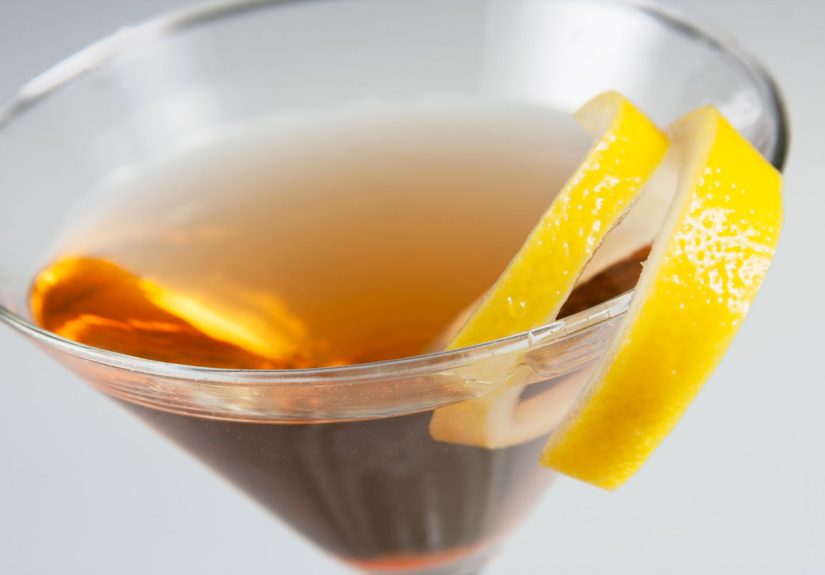
- Garnish: lemon twist (thin peel, minimal white pith).
Chill your glass for 5 minutes in the freezer or fill it with ice water while you mix. This single move upgrades the whole experience.
Adult-Only Snapshot: How the Traditional Jean Harlow Is Usually Described (No Measurements)
Historically and in many modern references, the Jean Harlow is described as a spirit-forward combination of rum and
sweet vermouth, finished with a citrus twist. Some versions add a small dash of bitters.
If you’re 21+ and you want the traditional drink, the safest “how-to” is: order it from a reputable bar and ask for
“a Jean Harlowrum and sweet vermouth, up, with a lemon twist.” A good bartender will handle the balance and technique.
Full Recipe: Jean Harlow-Inspired Mocktail (Zero-Proof, Classic Vibes)
This recipe is built to mimic the Jean Harlow’s signature shape: rum-like warmth + vermouth-like botanicals + citrus perfume.
You’ve got two paths below: one easy (store-bought zero-proof bottles) and one pantry-friendly (no specialty shopping required).
Option A: The “Zero-Proof Bar Cart” Version (Best Match)
Ingredients (1 drink):
- 2 oz zero-proof “white rum” alternative (or a lightly spiced zero-proof cane spirit)
- 2 oz non-alcoholic sweet vermouth alternative
- 1 dash alcohol-free orange bitters (optional but helpful)
- Lemon twist
- Ice
Directions:
- Chill your coupe/cocktail glass (freezer for 5 minutes or ice-water rinse).
- In a mixing glass, add plenty of ice, then pour in the zero-proof rum alternative and zero-proof sweet vermouth.
- Stir for 20–30 seconds until very cold.
- Strain into the chilled glass.
- Express a lemon twist over the drink (pinch the peel to release oils), then garnish.
Taste note: If it feels too sweet, add a tiny squeeze of lemon (just a few drops) or another dash of bitters.
If it feels too herbal, dial back the vermouth alternative slightly next time.
Option B: The “Pantry” Version (No Specialty Bottles)
Ingredients (1 drink):
- 2 oz strong, chilled black tea (for tannin + “grown-up” structure)
- 1.5 oz white grape juice (botanical-friendly sweetness)
- 0.5 oz pomegranate juice or grenadine without artificial aftertaste (for depth)
- 1/4 tsp vanilla extract (optional, for rum-like aroma)
- Pinch of orange zest (or 1 thin strip of peel)
- Pinch of ground cinnamon or allspice (tiny! think “whisper,” not “pumpkin pie”)
- 1 dash alcohol-free bitters (optional)
- Lemon twist + ice
Directions:
- Make strong black tea, then chill it completely. (Warm tea = sad mocktail.)
- In a mixing glass, add ice. Pour in tea, grape juice, pomegranate/grenadine, vanilla (if using), and bitters (if using).
- Add the orange zest strip, stir for 20–30 seconds, then remove the zest strip (so it doesn’t get bitter).
- Strain into a chilled coupe.
- Express a lemon twist over the top and garnish.
Why this works: tea gives bite like fortified wine, grape juice mimics wine sweetness, pomegranate adds dark-fruit depth,
and citrus oils do the classic Jean Harlow “perfume” move.
Variations (Keep the Soul, Change the Outfit)
Make it “drier” (less sweet)
- Option A: choose a drier non-alcoholic sweet vermouth, or reduce it slightly and add a splash of chilled tea for structure.
- Option B: reduce grape juice by 1/2 oz and replace with more chilled tea.
Make it “brighter” (more citrus-forward)
- Add a second citrus twist (orange + lemon is a classic pairing).
- Rim the glass with a tiny swipe of lemon peelaroma hits sooner.
Make it “cozier” (aged-rum vibes)
- Option A: pick a zero-proof cane spirit with vanilla/oak notes.
- Option B: add a tiny pinch of toasted sugar (or a drop of maple syrup) and one extra pinch of spice.
What to Serve With It (Because Hollywood Snacks Matter)
The Jean Harlow stylespiced, aromatic, and elegantpairs best with salty, crunchy, and citrus-friendly bites.
For a movie night or a “vintage glam” party, try:
- Marinated olives or lemony nuts
- Cheese + crackers (especially nutty or salty cheeses)
- Orange-dark chocolate combos (sounds fancy; is delicious)
- Simple shrimp cocktail or deviled eggs if you’re doing a full retro spread
FAQ: The Questions People Always Ask
Is the Jean Harlow shaken or stirred?
Historically, some early references describe shaking, while many modern bartenders prefer stirring for a smoother, clearer, more
“spirit-forward” finish. For the mocktail, stirring is your best friend: it chills without adding extra air bubbles and keeps things sleek.
Do I really need to refrigerate vermouth?
Yes. Vermouth is wine-based and can oxidize after opening. Refrigeration helps it stay fresher longer, which matters because stale vermouth
can make a drink taste flat or oddly sour. If you’ve ever thought “I hate vermouth,” there’s a decent chance you’ve met it after it went stale.
Can I batch this for a party?
Absolutelyfor the mocktail, you can multiply ingredients, keep the mix cold in the fridge, then stir individual servings with ice right before
serving. Add citrus twists at the last second so the aroma stays bright and intentional.
of “Experience”: The Jean Harlow Mood in Real Life (Mocktail Edition)
If you want to understand why the Jean Harlow has survived on pure charisma and a short ingredient list, try serving the zero-proof version at a
small get-togetherespecially one that leans into the Old Hollywood vibe. The drink doesn’t shout; it purrs. People tend to take that
first sip and pause, not because it’s confusing, but because it’s oddly “finished.” It tastes like you planned it, even if you absolutely did not.
The easiest way to make the moment land is to treat the details like they matter (because they do). Chill the glass. Use a real twist of lemon,
not a sad wedge. Put on a playlist that sounds like brass instruments have opinions. Suddenly the drink feels like a prop from a classic film: it’s
not just something to sip, it’s something that signals “this is an occasion.” Even a Tuesday gets a little sparkle.
What people usually notice first is the aroma. A citrus twist over a cold drink is basically perfume with better boundaries. It hits your nose
before your brain has time to label flavors, which makes the whole experience feel more “fancy cocktail bar” than “I mixed something in my kitchen.”
And because the mocktail is spirit-forward in structure (tea gives tannin, the juices give body), it doesn’t collapse into sugary punch territory.
You get that adult-style balance without the alcohol.
The second thing people notice is how adjustable it is without losing its personality. Someone says, “I like it less sweet,” and you swap a bit of
juice for chilled teadone. Someone says, “Can it be warmer?” and you add a whisper of spicealso done. That flexibility makes it a great “host’s
drink” because you can customize without turning the kitchen into a chemistry lab. It’s one of those rare recipes where small tweaks feel intentional,
not like emergency patchwork.
And then there’s the conversation factor. A drink named after a movie star is basically a story starter in a glass. People ask who Jean Harlow was,
what the drink means, why it’s so simple, why it feels so polished. You don’t need to be a film historianjust say, “Old Hollywood loved glamour, and
apparently it also loved cocktails with good cheekbones.” That’s usually enough to get a laugh, a sip, and someone requesting a second round.
The best part? The Jean Harlow vibe makes “mocktail” feel like an upgrade instead of a compromise. You’re not skipping the funyou’re keeping the
ritual, the taste, the aesthetic, and the moment. That’s the real classic move.