Table of Contents >> Show >> Hide
- What Are Chia Seeds?
- Chia Seeds Nutrition Facts
- Health Benefits of Chia Seeds
- How to Eat Chia Seeds
- How Much Chia Should You Eat Per Day?
- Are There Any Side Effects?
- Chia Seeds vs. Flaxseeds: Which Is Better?
- Practical Experience: What It Is Like to Add Chia Seeds to Everyday Life
- Conclusion
- SEO Tags
Chia seeds may be tiny, but they have the nutritional personality of a gym coach, a fiber supplement, and a smoothie influencer rolled into one. These small black, gray, or white seeds come from Salvia hispanica, a plant in the mint family, and they have become one of the most popular pantry staples for people who want more fiber, plant-based omega-3s, minerals, and easy meal upgrades without cooking like a contestant on a televised food battle.
But let’s be honest: chia seeds are also surrounded by hype. Some people call them a “superfood,” while others wonder whether they are just expensive birdseed with better public relations. The truth sits comfortably in the middle. Chia seeds are not magic. They will not replace sleep, vegetables, exercise, or your ability to stop eating fries directly from the bag. However, they are genuinely nutrient-dense and can support digestion, heart health, blood sugar balance, fullness, and overall diet quality when used consistently as part of a balanced eating pattern.
What Are Chia Seeds?
Chia seeds are edible seeds best known for their impressive ability to absorb liquid and form a gel-like texture. Add a spoonful to milk, yogurt, oatmeal, or water, and within minutes they begin thickening like they just remembered they were supposed to become pudding. This gelling quality comes mainly from their fiber, especially soluble fiber, which helps explain why chia seeds are so useful in recipes and nutrition planning.
Their mild flavor is one of their biggest advantages. Chia seeds do not taste aggressively “healthy.” They are not bitter, grassy, or dramatic. Instead, they are subtle, slightly nutty, and happy to blend into whatever you are already eating. This makes them easy to add to breakfast bowls, smoothies, homemade jam, baked goods, salads, and even savory dishes.
Chia Seeds Nutrition Facts
A standard serving of chia seeds is about 1 ounce, or roughly 2 tablespoons. That small serving delivers a surprisingly strong nutrient profile. On average, 1 ounce of dried chia seeds provides about 138 calories, 4.7 grams of protein, 8.7 grams of fat, 12 grams of carbohydrates, and nearly 10 grams of dietary fiber. That is a lot of fiber for something that looks like it could disappear into a kitchen drawer forever.
Key Nutrients in 1 Ounce of Chia Seeds
| Nutrient | Approximate Amount | Why It Matters |
|---|---|---|
| Fiber | 9.8 grams | Supports digestion, fullness, and steady blood sugar response. |
| Protein | 4.7 grams | Helps with satiety and contributes to muscle maintenance. |
| Fat | 8.7 grams | Mostly unsaturated fats, including plant-based omega-3 ALA. |
| Calcium | About 179 mg | Important for bones, muscles, and nerve function. |
| Magnesium | About 95 mg | Supports muscle, nerve, and metabolic functions. |
| Phosphorus | About 244 mg | Helps maintain bones, teeth, and cellular energy processes. |
| Iron | About 2.2 mg | Supports oxygen transport and energy production. |
The standout nutrient is fiber. The FDA Daily Value for fiber is 28 grams per day, so 2 tablespoons of chia seeds can provide roughly one-third of that target. For anyone whose daily fiber intake currently depends on a sad lettuce leaf hiding inside a sandwich, chia seeds can be a practical upgrade.
Health Benefits of Chia Seeds
1. Chia Seeds Support Digestive Health
Chia seeds are rich in dietary fiber, and fiber is one of the most important nutrients for a healthy digestive system. It adds bulk, supports regular bowel movements, and helps feed beneficial gut bacteria. Because chia seeds absorb water, they can help create softer, easier-to-pass stool when eaten with enough fluid.
The key phrase is “with enough fluid.” Chia seeds are thirsty little overachievers. If you add them to your diet quickly without increasing water intake, your digestive system may file a complaint in the form of bloating, gas, constipation, or general tummy grumbling. Start with 1 teaspoon or 1 tablespoon daily, then increase gradually.
2. They May Help You Feel Full Longer
Chia seeds combine fiber, protein, and healthy fats, which makes them useful for satiety. When soaked, they expand and form a gel, adding volume to meals without needing a large serving. This can make breakfast or snacks feel more satisfying.
For example, a bowl of plain yogurt may keep you full for a while. Add chia seeds, berries, and a small handful of nuts, and suddenly that yogurt has gone from “light snack” to “respectable breakfast with a tiny cape.” Chia seeds are not a weight-loss shortcut, but they can make balanced meals more filling, which may help reduce random snacking later.
3. Chia Seeds Provide Plant-Based Omega-3 Fatty Acids
Chia seeds are one of the best plant sources of alpha-linolenic acid, or ALA, a type of omega-3 fatty acid. ALA is considered essential because the body cannot make it on its own; it must come from food. Omega-3 fats are associated with heart, brain, eye, and inflammatory health support.
However, there is an important detail: chia seeds provide ALA, not the marine omega-3s EPA and DHA found in fatty fish. The body can convert some ALA into EPA and DHA, but that conversion is limited. So, chia seeds are a valuable plant-based omega-3 source, especially for vegetarian or vegan diets, but they are not the same thing as salmon, sardines, or other fatty fish.
4. They Can Support Heart Health
Chia seeds contain several nutrients linked with heart-supportive eating patterns, including fiber, unsaturated fats, magnesium, antioxidants, and plant-based omega-3s. Fiber can help support healthier cholesterol levels, while unsaturated fats are generally preferred over saturated fats in heart-conscious diets.
Some research suggests chia seeds may help improve blood pressure, triglycerides, inflammation, or other cardiometabolic markers, especially when included in an overall healthy lifestyle. Still, it is smarter to think of chia seeds as one helpful ingredient, not a tiny edible cardiologist. Add them to oatmeal, smoothies, salads, or whole-grain recipes, but keep the rest of the plate balanced too.
5. Chia Seeds May Help With Blood Sugar Balance
Because chia seeds are high in fiber, protein, and fat, they can slow digestion when added to carbohydrate-containing meals. This may help reduce sharp blood sugar spikes after eating. For instance, adding chia seeds to oatmeal with berries may create a slower, steadier breakfast than eating a sugary cereal alone.
This does not mean chia seeds cancel out sugar. A dessert loaded with syrup, candy, and whipped cream does not become a blood sugar masterpiece because a teaspoon of chia seeds was invited to the party. But in practical meals, chia seeds can improve the nutrition profile and help create a more balanced response.
6. They Offer Minerals for Bone Health
Chia seeds contain calcium, magnesium, phosphorus, and zinc, all of which contribute to bone structure and function. This makes them especially useful for people who do not consume much dairy or who want additional mineral-rich plant foods in their diet.
Of course, bone health depends on more than one seed. Vitamin D, protein, strength training, overall diet quality, and medical factors all matter. But adding chia seeds to a regular meal routine can be one simple way to bring more bone-supporting nutrients into the mix.
7. Chia Seeds Contain Antioxidants
Chia seeds contain natural antioxidants such as quercetin, caffeic acid, and other plant compounds. Antioxidants help protect cells from oxidative stress, which is one reason plant-rich diets are associated with better long-term health.
Another practical benefit: antioxidants help protect the fats in chia seeds from going rancid too quickly. Still, storage matters. Keep chia seeds in a cool, dry place in a sealed container. If they smell stale, bitter, or paint-like, they have overstayed their pantry welcome.
How to Eat Chia Seeds
Chia seeds are easy to use because they do not require grinding, cooking, or a culinary degree. You can eat them whole, soaked, blended, or added to recipes. Their texture changes depending on how you prepare them.
Easy Ways to Add Chia Seeds to Meals
- Chia pudding: Mix 2 tablespoons of chia seeds with 1/2 cup milk or fortified plant milk, then refrigerate until thick.
- Smoothies: Add 1 tablespoon to a smoothie for extra fiber and thickness.
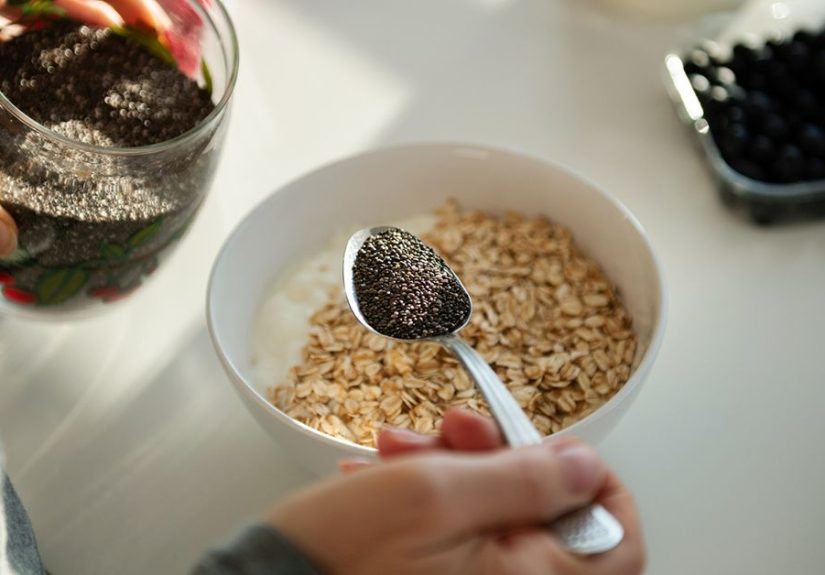
- Oatmeal: Stir chia seeds into hot oats or overnight oats.
- Yogurt bowls: Sprinkle chia seeds over Greek yogurt with fruit.
- Homemade jam: Combine mashed berries with chia seeds for a quick fruit spread.
- Baking: Add chia seeds to muffins, pancakes, bread, or granola bars.
- Egg substitute: Mix 1 tablespoon chia seeds with 3 tablespoons water and let it gel for use in some baked goods.
If you are new to chia seeds, soaked chia is often easier to tolerate than dry chia. The gel texture may look a little suspicious at first, but give it a chance. With vanilla, cinnamon, cocoa, fruit, or peanut butter, chia pudding can move from “science experiment” to “breakfast I actually look forward to.”
How Much Chia Should You Eat Per Day?
For most healthy adults, 1 to 2 tablespoons of chia seeds per day is a reasonable amount. Some people do well with more, but more is not always better. Chia seeds are calorie-dense and fiber-rich, so eating large amounts too quickly can lead to digestive discomfort.
A smart approach is to begin with 1 teaspoon daily for a few days, then move to 1 tablespoon, and eventually to 2 tablespoons if your digestion feels comfortable. Also, drink enough water throughout the day. Fiber works best when it has fluid to partner with; otherwise, it can behave like a traffic jam in your digestive system.
Are There Any Side Effects?
Chia seeds are safe for most people when eaten in normal food amounts. However, they may cause bloating, gas, constipation, or diarrhea if you suddenly eat too much. People with swallowing difficulties should be careful with dry chia seeds because they expand when exposed to liquid. Soaking them before eating is usually the safer, more comfortable option.
People taking medication for blood pressure, blood sugar, or blood thinning should ask a healthcare professional for personalized advice before making big dietary changes. Chia seeds may also trigger allergic reactions in rare cases, especially in people with certain seed allergies.
Chia Seeds vs. Flaxseeds: Which Is Better?
Chia seeds and flaxseeds are both excellent choices. Both provide fiber, plant-based omega-3 ALA, minerals, and useful texture in meals. The biggest practical difference is preparation. Flaxseeds are usually best ground because whole flaxseeds can pass through the digestive system with limited nutrient absorption. Chia seeds, on the other hand, can be eaten whole, soaked, or ground.
Chia seeds are especially convenient for puddings, drinks, and thickening recipes. Flaxseeds have a nuttier flavor and work beautifully in baking, oatmeal, and smoothies. The best choice? Use both if you enjoy them. Nutrition does not need a superhero showdown every morning.
Practical Experience: What It Is Like to Add Chia Seeds to Everyday Life
Adding chia seeds to your routine is one of those health habits that sounds too simple to matter, but simple habits often win because they are easy to repeat. The first experience many people have with chia seeds is chia pudding. At first, it may look unusual: tiny seeds floating in milk, slowly turning into a spoonable gel. It is not exactly glamorous in minute one. But after a few hours in the refrigerator, especially with vanilla, maple syrup, berries, or cocoa powder, it becomes creamy, filling, and surprisingly satisfying.
One of the best everyday uses is breakfast. A tablespoon of chia seeds stirred into overnight oats changes the texture completely. The oats become thicker, the meal feels more substantial, and the fiber content rises without adding a strong flavor. This is helpful for busy mornings because breakfast can be prepared the night before. Open the fridge, grab the jar, and suddenly you are the type of person who has breakfast ready. Very adult. Very suspiciously organized.
Smoothies are another easy place to use chia seeds. A fruit smoothie can sometimes leave you hungry soon after drinking it, especially if it is mostly juice or fruit. Adding chia seeds, Greek yogurt, nut butter, or protein-rich milk can make the smoothie more balanced. The chia seeds thicken the drink slightly and add fiber, which helps it feel more like a meal and less like fruit-flavored air.
Chia seeds can also help people who struggle to eat enough fiber. Many Americans fall short on fiber because typical meals are often heavy on refined grains and light on beans, vegetables, fruits, nuts, and seeds. Chia seeds are not a complete solution, but they are an easy step. A spoonful in yogurt, oats, soup, or pancake batter is low-effort and repeatable. That matters because nutrition changes that require heroic discipline usually disappear by Thursday.
Texture is the main challenge. Some people love the gel-like consistency; others think chia pudding feels like tiny tapioca with a personal agenda. If the texture bothers you, blend chia pudding after it thickens, or use ground chia in smoothies and baked goods. You still get the nutritional benefits, but with a smoother result.
The biggest lesson from using chia seeds regularly is that they work best as a supporting character. They make good meals better. They do not rescue poor eating patterns all by themselves. Add them to whole foods, pair them with protein, drink enough water, and keep portions reasonable. Used this way, chia seeds become a practical, affordable, shelf-stable ingredient that quietly improves your diet without demanding applause. Although, honestly, for something that small, they have earned at least a polite nod.
Conclusion
Chia seeds deserve their place in a healthy kitchen, not because they are magical, but because they are practical. They provide fiber, plant-based omega-3 ALA, protein, calcium, magnesium, phosphorus, iron, zinc, and antioxidants in a small serving. Their mild flavor makes them easy to add to both sweet and savory meals, while their gelling ability makes them useful for puddings, oats, smoothies, and baking.
The healthiest way to use chia seeds is simple: start small, add them to meals you already enjoy, drink enough fluids, and treat them as part of a varied, plant-rich diet. They are not a miracle cure, but they are a smart pantry upgrade. Tiny? Yes. Boring? Not if you know what to do with them.