Table of Contents >> Show >> Hide
- What Is a Champagne Flute 13.5 cl, Exactly?
- Why This Size Works So Well for Sparkling Wine
- The Science of Why Flutes Feel “Fizzy and Fancy”
- How to Choose the Best Champagne Flute 13.5 cl
- Serving Strategy for a 13.5 cl Flute
- Common Mistakes to Avoid
- Is a Champagne Flute 13.5 cl Worth It?
- Experience Journal: on Living With a Champagne Flute 13.5 cl
- Final Thoughts
Some glassware is just a container. A Champagne Flute 13.5 cl is a tiny stage where bubbles perform, aromas rise, and your “just one toast” somehow turns into a whole conversation about glass shapes. If you’ve ever wondered why a 13.5 cl flute feels elegant without being fussy, this guide is for you.
We’re going deep on size, bubble science, serving strategy, buying tips, and real-life hosting scenarios. You’ll also get practical examples for weddings, dinner parties, brunches, and alcohol-free celebrations. (Yes, this flute works beautifully for sparkling cider and zero-proof pours, too.) By the end, you’ll know exactly why 13.5 cl is a sweet spot for style and controland how to choose the right flute without falling for gimmicks.
What Is a Champagne Flute 13.5 cl, Exactly?
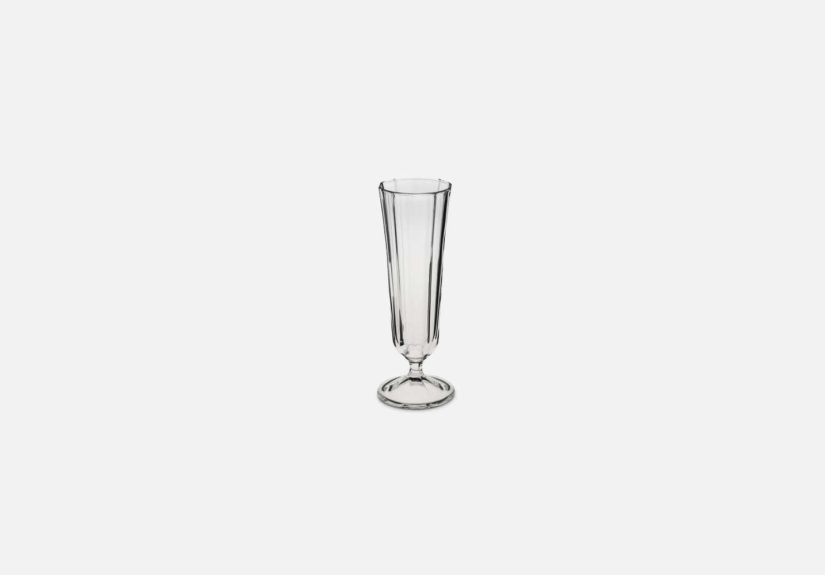
Let’s decode the number first. 13.5 cl means 13.5 centiliters, or 135 ml, which equals about 4.56 oz. In practice, that puts this flute in the “focused pour” zone: not oversized, not stingy, and perfect for preserving a lively mousse while still giving your drink room to breathe.
In the U.S. market, flute capacities vary widelyroughly from compact 4.5 oz options to roomier 8–10 oz designs. A 13.5 cl flute sits near the lower-middle range, which is exactly why many hosts love it: the glass looks refined when half to two-thirds full, and your pour naturally stays measured.
If you’re planning glassware for mixed guests, this size also reduces waste. People can take smaller, fresher pours instead of nursing a large, warming glass for 20 minutes. That matters for sparkling wine because temperature and carbonation shift fast after pouring.
Quick Capacity Math You Can Actually Use
A standard bottle is 750 ml. If you filled each 13.5 cl flute all the way (which you usually should not), you’d get about 5.5 pours. In real hosting life, most pours are lower to leave headspace for foam and aroma. That means you’ll often get more practical servings per bottle than “full-to-the-brim math” suggests.
Bottom line: a 13.5 cl flute encourages better portioning naturally, and your sparkling wine stays lively longer because each pour is consumed at its best.
Why This Size Works So Well for Sparkling Wine
A good flute should feel like a tuxedo that still lets you dance. The 13.5 cl size nails that balance:
1) Better Bubble Management
Narrower sparkling glasses generally keep carbonation more concentrated than wide coupes. A compact flute footprint helps maintain the “lift” and fine-bead look people expect from celebratory pours.
2) Better Temperature Control
Smaller volume means the drink spends less time warming in your hand or at room temperature. That’s huge for bubbly, where the sensory profile can flatten when served too warm.
3) Better Event Flow
For toasts, welcome drinks, and circulating trays, 13.5 cl flutes are easier to carry, less spill-prone than broader shapes, and visually consistent in photos. Your event feels polished without requiring sommelier-level choreography.
4) Better Versatility
This isn’t just a New Year’s Eve glass. A 13.5 cl flute works for:
- Brut Champagne and traditional-method sparkling wines
- Prosecco and Cava for brunch service
- Sparkling rosé at garden dinners
- Non-alcoholic sparkling tea, cider, or grape blends
If you serve mixed beverage optionsespecially for guests who don’t drink alcoholthis size keeps presentation elegant and inclusive.
The Science of Why Flutes Feel “Fizzy and Fancy”
Sparkling wine is a tiny physics lab in formalwear. Bubbles don’t appear magically; they form at microscopic nucleation points on the glass surface, then rise in streams. Those rising bubbles transport aroma compounds toward the surface and your nose. In short: bubbles are not only visual theaterthey’re part of flavor delivery.
Glass shape also changes what happens above the liquid. A tall, narrower bowl tends to keep carbon dioxide more concentrated compared with very wide coupe-style glasses. That changes perceived tingliness and freshness.
Meanwhile, broader bowls (like tulip-shaped sparkling glasses or some white-wine glasses) can allow better aroma expression. That’s why many experts now choose tulip forms for serious tasting while keeping flutes for celebratory service and classic toast moments.
So… Flute or Tulip?
Think of it like this:
- Flute: stronger visual fizz, elegant posture, excellent for toasts and events.
- Tulip: more aromatic development, better for analytical tasting and layered wines.
A 13.5 cl flute is ideal when you value crisp presentation, controlled portions, and stable sparkle. If you’re opening a serious vintage bottle and want to explore every aromatic detail, a tulip can be a smart alternative.
How to Choose the Best Champagne Flute 13.5 cl
Shopping for flutes gets weirdly complicated, weirdly fast. Here’s a cleaner checklist.
Bowl and Rim
Look for a gently tapered rim and a bowl that is not pencil-thin. You want enough width for aroma concentration without turning the glass into a mini test tube. A subtle tulip flare inside a flute profile is often the sweet spot.
Material
- Crystal: thinner feel, premium clarity, often more resonant “clink.”
- Soda-lime glass: more affordable, often dishwasher-friendly, great for high-volume hosting.
If you host frequently, durability may beat prestige. If you’re building a special occasion set, thinner crystal-style rims can elevate perception immediately.
Stem Design
Stable base, comfortable stem length, and balanced center of gravity matter more than people think. If the glass feels top-heavy when half full, keep browsing. You should be able to carry two confidently without doing tightrope-act hand gymnastics.
Cleaning and Maintenance
Some flutes are dishwasher-safe, others are happier with careful hand washing. Any detergent residue can affect bubble behavior, so rinse thoroughly and polish with lint-free cloths before service.
Use Case
Ask one honest question: Are these for tasting, toasting, or both?
- Mostly toasts/events: prioritize consistency, durability, and stack-safe storage.
- Mostly sipping/tasting: prioritize rim thinness, bowl profile, and aromatic lift.
If you can only buy one style, choose a sturdy, elegantly tapered 13.5 cl flute that looks good at 60–70% fill. It will serve nearly every occasion.
Serving Strategy for a 13.5 cl Flute
Great glassware deserves great handling. Here’s the practical playbook.
Temperature
Sparkling wines generally shine when well chilled. For many bottles, low-40s°F works beautifully; older or more complex styles can be served slightly warmer to unlock nuanced notes.
Pour Style
Slow pours reduce aggressive foaming and keep your service clean. Avoid filling to the lip. A controlled pour with headspace looks better, tastes better, and gives bubbles room to settle.
How Full Should You Fill?
For a 13.5 cl flute, a practical target is about 60–70% full for standard service. That’s visually elegant and functionally smart: enough wine to enjoy, enough space for aroma and bubble structure.
Hosting Math Example
Planning a toast for 24 guests with modest pours? If you target about 90 ml per flute, one 750 ml bottle yields roughly 8 servings. You’d plan around 3 bottles for the toast plus a buffer. If bubbly is the main drink, scale up generously.
Safety and Inclusivity
Always include non-alcoholic sparkling options in matching flutes. It keeps the table cohesive and ensures everyone can join the moment. If guests are under legal drinking age, use these glasses for sparkling juices, NA cocktails, and festive mocktails only.
Common Mistakes to Avoid
- Overfilling: You lose aroma space and increase spill risk.
- Serving too warm: Sparkle fades quickly and structure softens.
- Ignoring residue: Soap film or grease can disrupt bubble behavior.
- Buying only by looks: Pretty but unstable stems are a hosting headache.
- One-size-fits-all assumptions: Great for toasts doesn’t always equal great for tasting.
Think of the 13.5 cl flute as a precision tool: it rewards small, intentional choices.
Is a Champagne Flute 13.5 cl Worth It?
If your goal is balanced elegance, practical serving control, and a consistently festive look, yesabsolutely. This size lands in a highly usable middle: refined enough for formal dinners, durable enough for modern hosting, and flexible enough for both sparkling wine and non-alcoholic celebrations.
It won’t replace every glass in your cabinet. But it can become your most reliable “celebration default” because it naturally supports the way people actually drink bubbly: shorter pours, multiple refreshes, better temperature, better presentation.
In other words, the 13.5 cl flute is not just cute table jewelry. It’s a quietly intelligent format.
Experience Journal: on Living With a Champagne Flute 13.5 cl
The first time I switched from random oversized flutes to a true 13.5 cl set, I expected a tiny cosmetic upgrade. What I got felt more like a hosting software update. At a weekend dinner, I poured sparkling rosé for six friends. Usually, the first round looked gorgeous and the second round looked like “whoops, everyone’s glasses are warm and flat.” With the 13.5 cl format, nobody sat on a giant, warming pour. People finished at the same rhythm, and each refill tasted fresh. The table looked cleaner tooless slosh, fewer sticky rings, fewer rescue napkins.
A month later, I used the same glasses for a morning brunch with two kinds of bubbly: a dry prosecco and a non-alcoholic sparkling tea. That’s when I realized how useful the size is for mixed crowds. Nobody felt singled out by what was in the glass because everyone had the same elegant stemware. One guest who normally skips sparkling wine told me, “This actually tastes brighter in this smaller glass.” It sounds small, but those tiny perception wins are what make gatherings feel thoughtful.
I also learned the hard way about cleaning. One rushed dishwasher cycle left a faint detergent scent, and the next pour looked oddly lazyfewer lively streams, less texture on the palate. After that, I started rinsing thoroughly and polishing before guests arrived. The difference was immediate: tighter bead, better sparkle, better aroma lift. I used to think bubble quality was all about the bottle; now I treat glass prep like part of the recipe.
During holiday hosting, the 13.5 cl flute solved a logistical issue I didn’t know I had: pacing. With larger glasses, people unintentionally overpoured early, then switched drinks halfway through dinner. Smaller capacity encouraged steadier choices. Guests still had a festive experience, but service stayed controlled, and we had less unfinished wine at the end of the night. From a budget perspective, that was surprisingly meaningful.
My favorite test, though, was a quiet Tuesday with leftovers, string lights, and sparkling apple cider. Same glass, zero alcohol, same sense of occasion. That’s when the format clicked for me. A good flute is not about fancy performance; it’s about creating a moment with intention. The 13.5 cl size is just right for that: enough volume to feel celebratory, not so much that the drink gets tired before you do.
If you’re building a home setup and want one sparkling glass that handles real life, this is the size I’d choose again. It helps with taste, temperature, pacing, photos, cleanup, and inclusivity. And if your guests accidentally clink too enthusiastically? Well, that’s probably proof the night is going well.