Table of Contents >> Show >> Hide
- What is diabetic ketoacidosis (DKA)?
- Symptoms: what DKA looks and feels like
- Causes and triggers: why DKA happens
- Who is at higher risk?
- How DKA is diagnosed
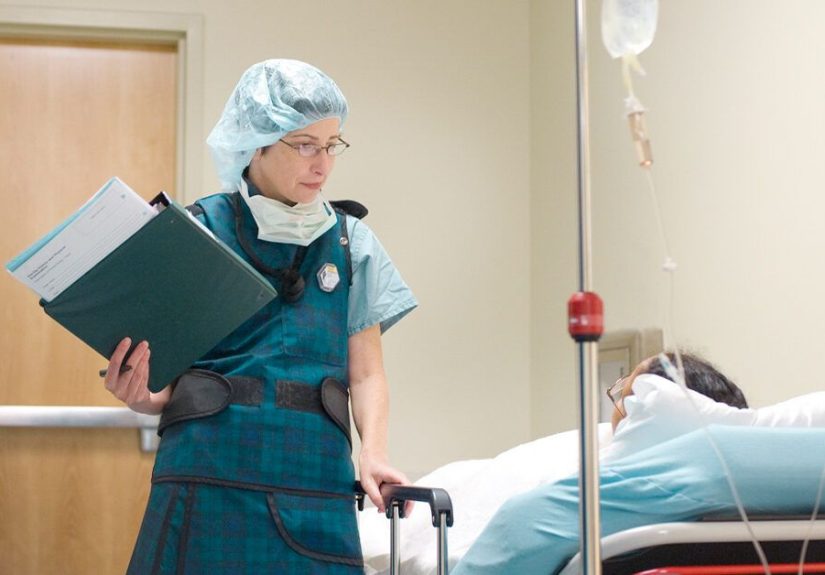
- Treatment: what happens in the ER or hospital
- How long does recovery take?
- Prevention: practical steps that reduce DKA risk
- When to seek urgent help
- Frequently asked questions
- Real-world experiences: what people often describe (and what they wish they’d known)
- Conclusion
Diabetic ketoacidosis (DKA) is one of those medical emergencies that sounds like a chemistry exam and behaves like a house fire: it can escalate quickly, it’s dangerous, and it needs professional helpfast. The good news? DKA is also highly treatable when caught early. The even better news? A lot of DKA episodes are preventable with the right habits, tools, and “when-in-doubt” decision rules.
This guide breaks down what DKA is, what it feels like (and why it can sneak up on you), what causes it, how hospitals treat it, and the practical steps that can help reduce riskespecially during illness, insulin interruptions, and medication changes.
What is diabetic ketoacidosis (DKA)?
DKA happens when your body doesn’t have enough insulin to use glucose for energy. With too little insulin on board, your body starts breaking down fat for fuel. That fat-burning process produces ketones (acids). When ketones build up faster than your body can clear them, the blood becomes too acidic. At the same time, blood sugar often rises and triggers dehydration through frequent urination.
Think of DKA as a three-part problem:
- Insulin shortage (the spark)
- Ketone buildup (the smoke)
- Dehydration + electrolyte loss (the reason everything goes sideways)
DKA is most common in people with type 1 diabetes, but it can happen in type 2 diabetes tooespecially during severe illness, major stress, or in people who have very low insulin production. There’s also a special twist called euglycemic DKA, where ketones and acidosis occur with blood sugar that isn’t dramatically high (sometimes linked to certain diabetes medications).
Symptoms: what DKA looks and feels like
DKA symptoms often start with classic high blood sugar and dehydration signs, then progress into “this is not a wait-and-see situation.” Some symptoms are obvious, others are sneaky, and a few are downright weird (hello, fruity breath).
Early warning signs
- Extreme thirst and dry mouth
- Frequent urination
- High blood sugar readings (often, but not always)
- Ketones showing up in urine or blood ketone tests
- Headache, fatigue, or feeling “off” in a way you can’t quite explain
Signs DKA is getting serious
- Nausea or vomiting (especially repeated vomiting)
- Abdominal (belly) pain
- Rapid, deep breathing (sometimes called Kussmaul breathing)
- Fruity-smelling breath (from acetone)
- Confusion, unusual sleepiness, or decreased alertness
- Signs of dehydration: dizziness, weakness, dry skin, rapid heart rate
If someone with diabetes has vomiting plus high ketones (or symptoms strongly suggesting DKA), that’s a “get urgent medical care now” scenario. DKA can lead to coma or death if untreatedso this is not the moment to be brave, stubborn, or committed to “just sleeping it off.”
Causes and triggers: why DKA happens
At the center of DKA is insulin deficiency. But the reason insulin becomes “too low” varies. Most real-world DKA episodes are triggered by one (or more) of these categories:
1) Missed insulin or insulin delivery problems
- Skipped doses (for any reasoncost barriers, burnout, busy schedules, or plain human error)
- Insulin pump failure, kinked tubing, dislodged infusion set, empty reservoir, or occlusion alarms that weren’t addressed
- Incorrect dosing (too little basal insulin, miscalculated corrections, or a mismatch after changing routines)
Pumps are fantasticuntil they’re not. Because pump users typically rely on rapid-acting insulin, an interruption can lead to ketosis more quickly than in someone taking long-acting basal insulin. This is why pump troubleshooting and backup plans matter.
2) Infection or illness (the “sick day” trap)
Illness raises stress hormones that increase insulin needs. Even if you’re not eating much, your body may need more insulinnot less. Common culprits include respiratory infections, stomach bugs, urinary tract infections, and pneumonia.
3) Physical stress and major events
- Heart attack, stroke, trauma, or surgery
- Severe dehydration (for example: prolonged vomiting, heat illness, or inability to keep fluids down)
- Pregnancy (changes in hormones and insulin needs can raise risk)
4) Medication-related DKA (including euglycemic DKA)
Some medications can increase DKA risk in specific situations. A key example is the class of diabetes drugs called SGLT2 inhibitors. In rare cases, they’ve been associated with DKA that may occur with only mildly elevated blood glucose (euglycemic DKA). Risk can be higher during fasting, low-carb dieting, dehydration, acute illness, surgery, or insulin dose reductions. This doesn’t mean these medications are “bad”it means the safety rules matter.
Who is at higher risk?
Anyone with diabetes can develop DKA, but risk increases with certain factors:
- Type 1 diabetes (especially newly diagnosed or with frequent insulin interruptions)
- History of prior DKA episodes
- Insulin pump therapy without a robust backup plan
- Recent infection, fever, vomiting/diarrhea, or dehydration
- Difficulty accessing insulin, testing supplies, or medical care
- Use of SGLT2 inhibitors in the wrong context (illness, fasting, surgery, low-carb intake)
- Pregnancy (especially with type 1 diabetes)
How DKA is diagnosed
Diagnosis isn’t based on vibes. Clinicians confirm DKA using a combination of:
- Blood glucose (often elevated, but can be lower in euglycemic DKA)
- Ketones (blood beta-hydroxybutyrate or urine ketones)
- Acidosis (low blood pH and/or low bicarbonate)
- Anion gap (often elevated, reflecting acid buildup)
- Electrolytes (especially potassium, sodium)
A key nuance: potassium can look “normal” or even high in early DKA despite total-body potassium being low. That’s why treatment protocols watch potassium closelybecause insulin therapy can shift potassium into cells and drop blood potassium levels quickly.
Treatment: what happens in the ER or hospital
DKA treatment is very standardized. The goal is to reverse the chemistry problem safely while addressing the trigger. In most cases, treatment includes:
1) IV fluids
Rehydration helps restore blood flow to tissues, supports kidney function (so the body can clear ketones), and begins lowering blood glucose even before insulin fully kicks in. Fluid choice and speed depend on severity, blood pressure, and lab results.
2) Insulin therapy (often IV insulin)
Insulin stops ketone production and brings glucose down in a controlled way. In moderate-to-severe DKA, an insulin infusion is commonly used so clinicians can adjust dose minute-by-minute based on labs and response.
3) Electrolyte replacement (especially potassium)
DKA causes major shifts and losses of electrolytes. Potassium management is a headline item because abnormal potassium can affect heart rhythm. Providers monitor labs frequently and replace electrolytes as needed while insulin and fluids are administered.
4) Treating the underlying cause
If infection triggered DKA, antibiotics may be used. If pump failure started the chain reaction, troubleshooting and education become part of discharge planning. If a medication or diet pattern contributed, the plan is adjusted.
What about bicarbonate?
In most DKA cases, bicarbonate isn’t routinely used because fluids and insulin typically resolve the acidosis. It may be considered in very severe acidemia under specific clinical circumstances. This is not a DIY leverit’s a clinician-only decision guided by labs and protocols.
How long does recovery take?
Many people start feeling better within hours of treatment, but full stabilization takes longer. Ketones must clear, electrolytes must normalize, and insulin must transition safely from IV to a reliable subcutaneous regimen. Hospital stays vary from overnight to several days depending on severity, complications, and the underlying trigger.
Prevention: practical steps that reduce DKA risk
DKA prevention is less about perfection and more about having “if this, then that” rulesespecially when life is messy. Here are high-impact strategies recommended by major U.S. health organizations and diabetes experts:
Know when to check ketones
- During illness (fever, vomiting, infection symptoms)
- When blood glucose stays high despite corrections (your care team can define your thresholds)
- If you have symptoms like nausea, abdominal pain, or rapid breathing
- If you’re using an SGLT2 inhibitor and feel unwell, especially with reduced intake
Use “sick day rules” (yes, they deserve a spot on your fridge)
- Don’t stop insulin without medical guidanceeven if you’re not eating much.
- Check glucose more often when sick.
- Check ketones regularly during illness.
- Drink fluids to prevent dehydration (small sips count if nausea is present).
- Have a plan for when you can’t keep fluids down (that’s a medical red flag).
Protect insulin delivery
- Have backup insulin (including long-acting if you use a pump) and supplies.
- Know how to troubleshoot pump alarms and site failures quickly.
- Store insulin properly and watch expiration dates.
Be cautious with very low-carb dieting and fasting
Nutritional choices can affect ketone production. For people with diabetesespecially type 1 or those on SGLT2 inhibitorsaggressive carb restriction, fasting, or dehydration can increase the risk of dangerous ketosis. If you’re considering a major dietary shift, involve your clinician so insulin adjustments and safety monitoring are built in.
When to seek urgent help
Seek emergency care right away if you suspect DKA, especially with:
- Vomiting that won’t stop
- Moderate-to-high ketones (blood or urine) plus symptoms
- Rapid, deep breathing; confusion; severe weakness
- Signs of severe dehydration or inability to keep fluids down
- High blood sugar that stays high despite correction doses (or symptoms of DKA with normal-ish glucose)
If you’re unsure, err on the side of getting evaluated. DKA is one of those problems where “too early” is infinitely better than “too late.”
Frequently asked questions
Can DKA happen with normal blood sugar?
Yes. Euglycemic DKA can occur, including in people taking SGLT2 inhibitors or in situations involving reduced intake, vomiting, dehydration, or insulin reduction. Ketone testing and symptoms matterdon’t rely only on glucose readings.
Is ketosis the same as DKA?
Not necessarily. Mild ketosis can happen with fasting or dietary patterns, but DKA includes dangerously high ketones plus metabolic acidosis and typically significant illness. For people with diabetes, “ketones + feeling sick” deserves immediate attention.
What’s the biggest preventable cause of DKA?
Insulin interruptionmissed doses, pump failures, or inability to access insulinshows up again and again. The most powerful prevention tools are redundancy (backup insulin/supplies) and a clear sick-day plan.
Real-world experiences: what people often describe (and what they wish they’d known)
The following experiences are composites based on commonly reported DKA stories in clinical settingsmeant to be relatable, not diagnostic. If anything here feels familiar, treat it as a prompt to talk to your healthcare team or seek urgent care.
Experience #1: “I thought it was just a stomach bug.”
A lot of people describe DKA starting with nausea and fatigue that feels exactly like a standard virus. The difference is what happens next: thirst ramps up, the mouth feels like cotton, and vomiting becomes relentless. Some people report that they stopped taking insulin because they weren’t eating. In hindsight, many say they didn’t realize illness can raise insulin needs. The lesson they repeat is simple: being sick is when glucose checks go up, not downand ketone checks become non-negotiable.
Experience #2: “My pump failed and I didn’t catch it fast enough.”
People who use insulin pumps often talk about a moment of confusion: “I corrected twice… why is my blood sugar still climbing?” A bent cannula, a dislodged site, or an empty cartridge can look like stubborn hyperglycemia until ketones enter the chat. Many describe a sinking feeling when they finally test ketones and see the result. The silver lining: pump users who keep a written backup plan (including how to switch to injections temporarily) often feel calmer and act faster. The not-so-fun truth: technology reduces burden, but it doesn’t erase biology.
Experience #3: The breathing that feels wrong.
One of the most memorable descriptions of DKA is the breathing: deep, fast, and almost automaticlike the body is trying to “blow off” the acid. Some people say it feels like they can’t catch their breath even while sitting still. Others notice family members asking, “Why are you breathing like that?” That outside observation matters. If you’re breathing rapidly and deeply, feel confused, or are too weak to stand, this is not a “make an appointment” situation. It’s an emergency.
Experience #4: “I didn’t realize dehydration was part of the danger.”
Many people underestimate how quickly dehydration can worsen DKA. Frequent urination pulls fluid and electrolytes out of the body, and vomiting prevents replacement. People often recall feeling dizzy when standing, having a pounding heartbeat, or feeling “hollow” and shaky. The takeaway they share afterward: fluids matterespecially during sickness. If you can’t keep fluids down, that’s a sign to seek urgent care.
Experience #5: The emotional sidefear, guilt, and burnout.
After recovery, people describe a swirl of emotions: relief, embarrassment, fear of recurrence, and sometimes guilt (“I should’ve known”). But many also describe a turning point: they rebuild systems that reduce risk. That might mean setting recurring reminders, keeping ketone strips visible, writing a sick-day checklist, or talking with a diabetes educator about real-life barriers like work schedules, food insecurity, or medication costs. The most helpful reframe is this: DKA is a medical event, not a moral failure. The goal isn’t blameit’s better guardrails.
Experience #6: What people wish they’d heard sooner.
Over and over, the same “wish list” comes up:
- “I wish someone had explained ketones in plain English.”
- “I wish I had a clear plan for sick daysespecially vomiting.”
- “I wish I knew DKA can happen even when glucose isn’t sky-high.”
- “I wish I had backup insulin and knew exactly how to use it.”
- “I wish I took persistent nausea more seriously.”
If you take only one thing from these experiences, let it be this: DKA often announces itself with a patternhigh ketones, dehydration, and worsening symptoms. Recognizing that pattern early and acting quickly can make the difference between a short hospital stay and a life-threatening crisis.
Conclusion
DKA is serious, but it’s not mysterious. It’s a predictable physiological response to too little insulinoften triggered by illness, infection, insulin interruption, or specific medication and nutrition situations. The best prevention is a simple toolkit: know the symptoms, check ketones when risk rises, follow sick-day rules, and have an actionable backup plan for insulin delivery. And if the warning signs show upespecially vomiting, confusion, or lab-confirmed ketonesget urgent care. This is the rare moment where “overreacting” is actually the correct reaction.