Table of Contents >> Show >> Hide
- What Makes a Cedar & Moss Pendant Stand Out?
- The Design Language Behind Cedar & Moss Lighting
- Popular Cedar & Moss Pendant Styles Worth Knowing
- Where a Cedar & Moss Pendant Works Best
- How to Choose the Right Cedar & Moss Pendant
- Is a Cedar & Moss Pendant Worth It?
- Styling Tips for a Cedar & Moss Pendant
- The Experience of Living With a Cedar & Moss Pendant
- Final Thoughts
- SEO Tags
If you have ever stared at a kitchen island, breakfast nook, or dining table and thought, “This room needs a little drama, but not the kind that ends in regret,” a Cedar & Moss pendant probably makes immediate sense. The brand has carved out a very specific lane in American lighting: artisan-made fixtures that feel warm, architectural, and stylish without trying too hard. In other words, they look like they belong in homes where people actually live, cook, read, spill coffee, and occasionally pretend they have their design life together.
A Cedar & Moss pendant is not just a bulb hanging from the ceiling with better publicity. It is part of a larger design philosophy built around timeless materials, thoughtful proportions, and a distinctly lived-in kind of elegance. The company is known for handcrafted lighting made to order in the Pacific Northwest, and that handmade spirit shows up in the details: thick opal glass, solid brass hardware, slip-cast ceramic shades, hardwood accents, and silhouettes that feel rooted in midcentury, Bauhaus, Scandinavian, and quietly vintage influences.
That combination is exactly why the phrase Cedar & Moss pendant keeps showing up in searches from homeowners, renovators, and design lovers. People are not just shopping for light. They are shopping for mood, texture, scale, longevity, and something that does not feel mass-produced. The right pendant can make a kitchen look curated, a dining room feel intimate, or a hallway stop looking like it was lit by pure administrative indifference.
What Makes a Cedar & Moss Pendant Stand Out?
The first thing that separates Cedar & Moss lighting from generic pendant options is material quality. This is a brand that leans hard into finishes that age well and surfaces that feel tactile. Instead of defaulting to flimsy metal and anonymous glass, Cedar & Moss builds its identity around solid brass, heirloom brass, hand-blown opal glass, unglazed ceramic, maple, walnut, and even washi paper in some collections. That material mix gives the fixtures a richer visual presence, even when the shapes themselves stay simple.
The second thing is restraint. A Cedar and Moss pendant rarely screams. It does not need to. The designs tend to use clean lines, round forms, soft edges, and smart contrasts between warm and cool textures. That is why a globe pendant, cone pendant, or ceramic shade from the brand can feel equally at home in a modern kitchen, a vintage-inspired bungalow, or a polished contemporary dining space. It is not trend-chasing. It is trend-aware, which is a much better long-term personality trait for a light fixture.
The third thing is customization. Many Cedar & Moss pendants come in multiple finishes, lengths, canopy options, or material combinations. That matters more than people think. Ceiling height, island width, and room scale can turn a beautiful fixture into an awkward one in a hurry. A pendant that gives you flexibility in overall drop, finish, or shade detail has a much better chance of looking intentional instead of “we ordered it at midnight and hoped for the best.”
The Design Language Behind Cedar & Moss Lighting
Brass That Feels Warm, Not Flashy
Brass is one of the brand’s signatures, but it is used with discipline. The effect is less “gold overload” and more “quiet confidence.” In a Cedar & Moss pendant, brass usually acts like structure, punctuation, or framing. It gives the fixture warmth and visual gravity without hijacking the whole room. That makes it especially useful in kitchens and dining areas, where too much shine can feel cold or overly formal.
Opal Glass That Softens the Room
Opal glass is another recurring star. It diffuses light in a way that feels softer and kinder than harsh exposed bulbs. If your current lighting makes your kitchen feel like a convenience store at 2 a.m., opal glass is the design intervention you deserve. Cedar & Moss uses hand-blown opal glass in several pendant styles, and that subtle glow is a huge part of the brand’s appeal.
Ceramic and Wood for Texture
Some of the most interesting Cedar & Moss pendant designs combine modern lighting geometry with earthy materials. The Terra collection, for example, leans into unglazed clay and handmade ceramic character. Other fixtures mix wood canopies or accents with metal and glass, which helps the pendant feel more like part of the room’s architecture than a random object hanging in midair.
Popular Cedar & Moss Pendant Styles Worth Knowing
If you are browsing Cedar & Moss pendants, a few families and styles tend to stand out quickly.
Lexi Pendants
The Lexi line plays with globe lighting in a way that feels graphic and sculptural. Versions with perforated shades or opal glass have a modernist, slightly playful look that works especially well over islands or in breakfast areas. These are great for people who want a statement piece that still behaves itself.
Grace Rod Pendant
The Grace Rod Pendant has vintage-French influence and early-electric character, but it does not feel dusty or precious. It works beautifully in interiors that mix old and new, especially spaces with plaster walls, wood cabinetry, or heritage details that need lighting with personality.
Terra Pendants
Terra designs bring in handmade ceramic texture and a matte, grounded look. They are especially appealing if you want your pendant lighting to feel organic, tactile, and a little less polished in the best possible way. Think relaxed kitchens, earthy palettes, and homes that like their design refined but not stiff.
Anni and Colette Pendants
These styles lean more decorative and elegant, often featuring hand-blown glass and refined proportions. They are excellent choices for dining rooms, bars, or any place where you want the pendant to read as jewelry for the room.
Maru and Umi
These collections push the brand in a more artistic direction, incorporating influences from Japanese craft traditions and softer shade materials. They are proof that a Cedar & Moss pendant can be sculptural and serene at the same time.
Where a Cedar & Moss Pendant Works Best
Over a Kitchen Island
This is probably the most natural habitat for a Cedar & Moss pendant. Kitchen islands benefit from fixtures that do two jobs at once: provide focused light and visually anchor the room. Cedar & Moss pendants are good at that balance because they often combine clean silhouettes with materials that feel warm and residential rather than sterile.
In practical terms, pendant placement still matters. Most lighting guides recommend hanging pendants roughly 30 to 36 inches above a countertop or table surface, with enough spacing between multiple pendants so the arrangement feels balanced rather than crowded. If the room has higher ceilings, you usually gain a bit more flexibility. Translation: do not hang them so low that tall relatives start filing complaints.
Above a Dining Table
A Cedar & Moss pendant can also work beautifully over a dining table, especially in rooms that want a softer, more intimate look than a sprawling chandelier. Globe styles, ceramic forms, and elegant rod pendants all create a sense of focus without overwhelming the table below. If you like dining spaces that feel warm, conversational, and slightly cinematic, this is where the brand really shines.
In Entryways, Bedrooms, and Reading Corners
Because the brand offers a range of sizes and silhouettes, a Cedar & Moss pendant is not limited to kitchens. In a smaller entry, a single pendant can set the tone the moment someone walks in. In a bedroom, it can replace a table lamp or create symmetry beside a bed. In a reading nook, it can add just enough personality to make the corner feel intentional instead of accidental.
How to Choose the Right Cedar & Moss Pendant
Start With the Room’s Personality
If your room already has strong texture, warm wood, and natural materials, a ceramic or wood-accented Cedar & Moss pendant will feel right at home. If the space is cleaner, brighter, and more minimal, opal glass and brass may be the better fit. The goal is not to match everything exactly. The goal is to make the fixture look like it belongs.
Respect Scale
This is where good intentions go to die. A pendant that is too small looks apologetic. One that is too large looks like it is trying to dominate the family. Measure your island, table, ceiling height, and hanging clearance before falling in love with a shape online. Cedar & Moss gives helpful dimensions on product pages, and those numbers are not decorative. Use them.
Think About Light Quality, Not Just Fixture Style
Some pendant shoppers focus entirely on the fixture and forget the actual light coming out of it. That is like buying sunglasses for the vibe and then discovering the lenses are terrible. Look at bulb type, dimming compatibility, shade opacity, and how directional the light is. Opal glass creates a softer ambient glow. More open designs provide stronger task lighting. Ideally, you want both beauty and usefulness, because a gorgeous kitchen that cannot light a cutting board is still annoying.
Check the Practical Fine Print
Cedar & Moss is a made-to-order brand, and several pendant styles are non-returnable. That is not a bad thing, but it does mean you should order like an adult with a tape measure and a plan. Many models also offer custom lengths, and some list damp-location suitability, which can be helpful in certain bathrooms, covered spaces, or utility-heavy interiors. The point is simple: great design rewards attention.
Is a Cedar & Moss Pendant Worth It?
For the right buyer, yes. A Cedar & Moss pendant is worth it if you care about craftsmanship, materials, long-term style, and a fixture that feels more considered than off-the-shelf lighting. It is especially worth considering if you are renovating a kitchen, updating a dining room, or trying to give a room one memorable focal point instead of layering in five cheaper compromises.
It may be less ideal if you want bargain pricing, instant shipping, or something you can swap on a whim after a mood swing. This is not disposable lighting. It is more like design commitment with nice brass hardware. But that is exactly why the brand has a loyal following. People are not just buying a pendant. They are buying a piece that can hold the room together for years.
Styling Tips for a Cedar & Moss Pendant
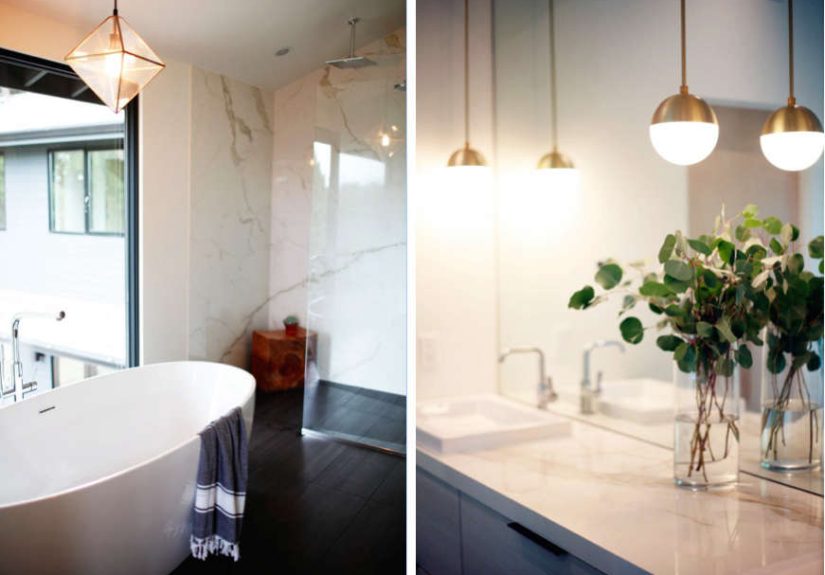
One of the easiest ways to make a Cedar & Moss pendant look expensive is to let it breathe. Give it negative space. Pair it with quieter finishes nearby so the fixture can do its job. If you choose a ceramic or wood-heavy style, repeat that warmth elsewhere in the room through stools, cutting boards, furniture, or trim. If you choose opal glass and brass, echo the softness with linen, plaster, matte paint, or lightly veined stone.
Another smart move is layering. A pendant should not carry the entire lighting plan on its own like an overworked intern. Use under-cabinet lighting, sconces, recessed lights, or lamps where appropriate so the pendant can be both functional and decorative. The best rooms rarely rely on one source of light. They build atmosphere through layers, and Cedar & Moss pendants fit beautifully into that approach.
The Experience of Living With a Cedar & Moss Pendant
Here is the part people do not always talk about in product descriptions: living with a Cedar & Moss pendant is as much about feeling as it is about looks. In real homes, the fixture often changes the tone of a room before anyone consciously notices why. A kitchen that felt flat suddenly has a focal point. A breakfast nook becomes the seat everyone drifts toward. A dining table starts looking less like a place for unopened mail and more like a place where dinner might actually happen on purpose.
That experience usually starts in the morning. Soft light through opal glass feels forgiving at 7 a.m., which is when most people do not want their ceiling fixture behaving like an interrogation lamp. A Cedar & Moss pendant tends to create a gentler atmosphere, especially in kitchens with natural wood, stone counters, or warm paint colors. The materials matter here. Brass catches daylight differently than chrome. Ceramic reads differently than glossy metal. Even before the light turns on, the fixture contributes shape and texture to the room.
By afternoon, the pendant often shifts into a visual anchor. It holds the center of the room together. This is one reason designers keep returning to pendants over islands and tables: they create structure in open-plan homes, where one space bleeds into another and everything can start to feel visually loose. A Cedar & Moss pendant helps define a zone without building a wall. It says, “This is where we gather,” which is remarkably useful for an object that cannot speak and does not pay rent.
At night, the experience becomes even more obvious. With a dimmer, many Cedar & Moss pendants can move from task lighting to atmosphere lighting with very little effort. That matters because homes need different kinds of brightness at different times. You want enough light to chop herbs without sacrificing a fingertip, but you also want the room to calm down after dinner. A pendant with softened diffusion or a warm bulb can make that transition feel natural instead of abrupt.
There is also a psychological side to artisan lighting. Handmade or made-to-order fixtures often create a stronger connection than generic builder-grade pieces because they feel selected rather than merely installed. People notice them. Guests comment on them. Homeowners tend to remember why they chose them. That sounds small, but it changes the relationship between person and space. A Cedar & Moss pendant often becomes one of those quiet details that makes a home feel more finished, more intentional, and more like its owner actually meant for it to look that way.
Another experience people appreciate is that these fixtures photograph well but do not depend on photography to succeed. Some lights are basically social-media actors: terrific in one angle, weird in real life. Cedar & Moss pendants generally hold up in everyday use because the proportions and materials do the heavy lifting. They look good from across the room, underneath the fixture, and in changing light throughout the day.
Most of all, the experience of living with a Cedar & Moss pendant is about consistency. It is there in the background during breakfast, homework, late-night snacks, holiday dinners, and those random Tuesday evenings when the room finally looks exactly how you wanted it to. Good lighting does not beg for applause. It quietly makes life look better. That is the real charm here, and it lasts longer than a trend cycle.
Final Thoughts
A Cedar & Moss pendant works because it blends craftsmanship, thoughtful materials, and quietly confident design. It is not just attractive in a product photo. It is useful in the way the best home pieces are useful: it brings light, shape, mood, and cohesion into a space that people actually use every day. Whether you are drawn to brass and opal glass, handmade ceramic, wood accents, or sculptural forms, the brand offers pendant lighting that feels substantial and lived-in rather than disposable.
If you want a fixture that can bridge beauty and practicality, a Cedar & Moss pendant deserves a serious look. It is the kind of lighting that can make a room feel warmer, smarter, and a little more grown-up without losing its soul. That is a hard trick to pull off. Cedar & Moss does it well.