Table of Contents >> Show >> Hide
Carrot cake is the only dessert that lets you say, “I had vegetables,” while holding a forkful of cream cheese frosting the size of a small pillow.
It’s cozy, spiced, and deeply moistnot because it’s trying too hard, but because carrots, oil, and brown sugar are basically the Avengers of tenderness.
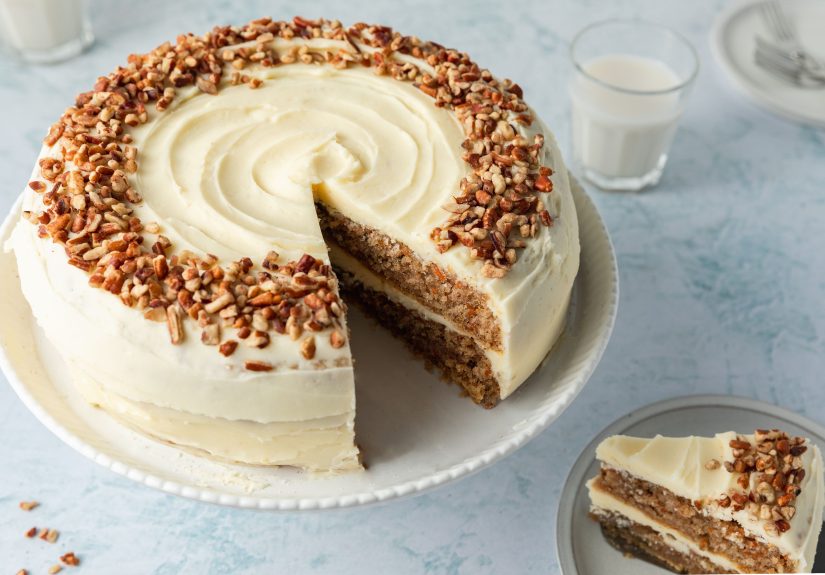
This from-scratch carrot cake recipe gives you a classic, bakery-style result with a plush crumb and a frosting that’s tangy, thick, and not prone to dramatic meltdowns.
What Makes a Truly Great Carrot Cake?
The best carrot cake hits three notes at once: (1) warm spice, (2) real carrot flavor, and (3) a texture that stays soft for days.
Here’s the “why” behind the method so you’re not just bakingyou’re running a tiny, delicious science experiment.
- Finely grated carrots soften as they bake, releasing moisture and blending into the crumb (no crunchy carrot confetti).
- Oil (not just butter) keeps the cake tender even when chilledkey if you’re frosting with cream cheese.
- Brown sugar adds moisture plus a caramel-ish depth that makes the spices taste louder (in a good way).
- Spices + salt are non-negotiable. Carrot cake is basically a spice cake that went to a farmers market once.
- Smart mix-ins (nuts, raisins, coconut, pineapple) are optionalfun, but best used with restraint so the cake still holds together.
Ingredients
For the Carrot Cake (Two 9-Inch Layers)
- 2 cups (260g) all-purpose flour
- 2 teaspoons baking powder
- 1 teaspoon baking soda
- 1 teaspoon fine salt
- 2 teaspoons ground cinnamon
- 1 teaspoon ground ginger
- 1/4 teaspoon ground nutmeg
- 4 large eggs, room temperature
- 1 cup (200g) packed light brown sugar
- 1/2 cup (100g) granulated sugar
- 1 cup (240ml) neutral oil (canola, vegetable, avocado)
- 2 teaspoons vanilla extract
- 3 cups (about 300–330g) finely grated carrots (about 1 pound / 450g whole carrots)
Optional Mix-Ins (Pick 1–3, Total 1 to 1 1/2 Cups Max)
- 3/4 cup chopped toasted pecans or walnuts
- 1/2 cup raisins (golden or regular)
- 1/2 cup unsweetened shredded coconut
- 1/2 cup crushed pineapple, well-drained (pat dry with paper towels)
For the Cream Cheese Frosting
- 16 ounces (452g) full-fat brick cream cheese, softened (cool room temp, not melty)
- 1/2 cup (113g) unsalted butter, softened
- 3 1/2 to 4 cups (420–480g) powdered sugar, sifted if lumpy
- 1 1/2 teaspoons vanilla extract
- Pinch of salt
- Optional: 1–2 tablespoons heavy cream (for extra fluff)
- Optional: 1 teaspoon lemon juice or 1 teaspoon zest (for brighter tang)
Equipment You’ll Want
- Two 9-inch round cake pans
- Parchment paper rounds
- Box grater or food processor grating blade
- Stand mixer or hand mixer (frosting is happier with help)
Step-by-Step Instructions
1) Prep Like You Mean It
- Preheat oven to 350°F (175°C).
- Grease two 9-inch pans, line bottoms with parchment, then lightly grease the parchment.
- Toast nuts (if using): spread on a baking sheet and toast 6–8 minutes, then cool. This adds big flavor for tiny effort.
- Grate carrots finely. Skip pre-shredded “salad carrots”they’re dry and thick and will bake like tiny orange twigs.
2) Mix Dry Ingredients
In a large bowl, whisk together flour, baking powder, baking soda, salt, cinnamon, ginger, and nutmeg.
Whisking evenly now prevents “surprise pockets of baking soda” later (a truly rude experience).
3) Mix Wet Ingredients
- In another large bowl, beat eggs, brown sugar, and granulated sugar for about 60–90 seconds until slightly thickened.
- Slowly stream in the oil while mixing until glossy and well blended.
- Mix in vanilla.
4) Combine (Gently!)
- Add dry ingredients to wet ingredients.
- Fold or mix on low just until you don’t see dry flour. Overmixing makes cake toughcarrot cake should be plush, not determined.
- Fold in grated carrots.
- If using mix-ins, fold them in last. Keep total mix-ins to about 1 to 1 1/2 cups so the layers don’t collapse or crumble.
5) Bake
- Divide batter evenly between pans (a kitchen scale helps, but you can eyeball it).
- Bake 28–35 minutes, or until a toothpick inserted in the center comes out with a few moist crumbs (not wet batter).
- Cool in pans 15 minutes, then turn out onto a rack and cool completely.
6) Make Cream Cheese Frosting That Behaves
Cream cheese frosting is delicious, but it can go soft if overmixed or too warm.
The trick is to keep it thick: use brick cream cheese, beat briefly, and chill if needed.
- Beat butter for 1 minute until smooth.
- Add cream cheese and beat just until combined and creamy (30–45 seconds). Don’t whip it into oblivion.
- Add powdered sugar gradually on low, then mix until smooth.
- Mix in vanilla and salt (plus lemon, if using). Add heavy cream only if you want extra fluff.
- If frosting feels soft, refrigerate 10–20 minutes to firm up before frosting the cake.
7) Assemble and Frost
- If your layers domed a bit, level the tops with a serrated knife (snack on the evidence).
- Spread a thin crumb coat of frosting over the cake, then chill 15 minutes.
- Frost generously. Top with toasted nuts, a pinch of cinnamon, or cute little carrot decorations if you’re feeling ambitious.
Flavor Upgrades (Without Wrecking the Cake)
Add-Ins with a Purpose
- Pecans or walnuts: toast first for deeper flavor and better crunch.
- Raisins: soak 10 minutes in hot water, then drain and pat dry for plumper bites.
- Pineapple: adds moisture and sweetness, but drain it well to avoid soggy layers.
- Coconut: gives a bakery vibeespecially good if you keep the spice warm and the frosting tangy.
Spice Tweaks
Prefer a bolder spice cake energy? Add 1/8 teaspoon cloves.
Prefer “cozy but not loud”? Reduce ginger to 1/2 teaspoon and keep cinnamon at 2 teaspoons.
Easy Variations
Sheet Cake (Potluck Mode)
Bake in a 9×13-inch pan at 350°F for about 35–45 minutes. Frost right in the pan.
This is the version that survives picnics, birthdays, and your aunt asking for the recipe immediately.
Cupcakes (Portable Happiness)
Fill liners 2/3 full and bake 18–22 minutes at 350°F. Frost once completely cool.
“Fancier” Layer Cake (Without Stress)
Want three layers? Bake in three 8-inch pans instead of slicing layers. Carrot cake is tender and can crumble when you try to be a hero with a knife.
Make-Ahead, Storage, and Food Safety
- Make ahead: Bake layers 1 day early, wrap tightly, and keep at room temperature. Frost next day.
- Refrigerate frosted cake: Because cream cheese frosting is dairy-based. For best texture, let slices sit 15–20 minutes before serving.
- Freeze: Freeze unfrosted layers wrapped well up to 2–3 months. You can also freeze frosted slices: freeze uncovered until firm, then wrap tight.
- Room temp time: For serving, it’s fine to sit out briefly, but don’t leave it out for hours like it’s a decorative centerpiece.
Troubleshooting (Because Cake Has Opinions)
“My cake is dense.”
Most likely: overmixing after adding flour, using too much carrot/mix-ins, or pulling it from the oven too early.
Mix gently and bake until the center is set.
“My frosting is runny.”
Usually: cream cheese was too warm, you used spreadable tub cream cheese, or you beat it too long.
Chill the frosting 15–30 minutes, then re-whip briefly on low. Next time: brick cream cheese, cooler temps, shorter mixing.
“It tastes bland.”
Add enough spice and salt. Carrot cake should taste like a warmly spiced bakery hug, not like sweet orange bread.
Real-Life Carrot Cake Experiences ( of Been-There Energy)
If you’ve ever made carrot cake and thought, “Why does this feel like it should be easy… and yet my frosting is sliding like it’s late for an appointment?”
congratulations, you’ve joined the world’s largest unofficial baking club. Carrot cake is friendly, but it’s also sneaky. It rewards small, boring choices
(like properly draining pineapple) with big, dramatic results (like a slice so moist your friends suddenly “forget” they’re gluten-avoiding this week).
One common first-timer moment is the carrot situation. People grab a bag of pre-shredded carrots because it seems efficient, and the cake still turns out “fine,”
but not legendary. Freshly grated carrots are softer, moister, and melt into the batter in a way that makes the crumb tender instead of shaggy.
If you want your cake to feel bakery-level without doing bakery-level labor, this is the shortcut: use fresh carrots, grate them fine, and let the oven do the rest.
Then there’s the mix-in temptation. Carrot cake is basically the “cargo pants” of desserts: it has so many pockets, you want to fill every single one.
Raisins! Nuts! Coconut! Pineapple! Maybe a handful of granola while we’re here! The truth is: a little is great, a lot turns the batter into a heavy, chunky situation
that can bake up dense or crumbly. Home bakers who get the best results usually pick a couple mix-ins that match the vibe they want.
For example, toasted pecans + raisins gives you classic comfort. Pineapple + coconut leans tropical and extra-moist (but only if pineapple is well drained).
Nuts alone keeps it clean and “cake-forward.” You’re building a slice, not a trail mix.
Frosting is the other rite of passage. Cream cheese frosting is famously dramatic: it’s thick and dreamy until it’s warm, overmixed, or made with the wrong cream cheese.
The “aha” moment for many bakers is realizing that the goal isn’t to whip it into the fluffiest cloud on earth. The goal is to keep it stable and spreadable.
Brick cream cheese, cooler ingredients, short mixing, and a quick chill if it gets too softthat’s the calm, grown-up approach. (Your cake will still be fun.
Your frosting will just stop trying to escape.)
And finally, the serving experience: carrot cake almost always tastes better after it’s had a little time to settle. Spices bloom, moisture distributes, and the crumb relaxes.
That’s why carrot cake is such a hero dessert for gatheringsmake it ahead, refrigerate it, and when you serve it, let slices sit a few minutes so the frosting softens slightly.
You’ll get clean slices, better flavor, and the kind of “Did you buy this?” compliments that should be legally classified as a confidence boost.
If you want to go full bakery-mode, finish with toasted nuts on top and a tiny pinch of cinnamon. It’s a small detail that screams, “Yes, I know what I’m doing,”
even if you were Googling “how to crumb coat” fifteen minutes ago.
Conclusion
A great carrot cake isn’t about complicated techniquesit’s about smart basics: finely grated carrots, balanced spice, not overloading the batter, and a cream cheese frosting
that stays thick and tangy. Make it as a layer cake for celebrations, as a sheet cake for sharing, or as cupcakes for “I’ll just have one” optimism.
Either way, you’ll end up with a dessert that feels nostalgic, tastes bakery-level, andyeslets you pretend frosting counts as a dairy serving.