Table of Contents >> Show >> Hide
- What “Selling Without a Realtor” Really Means
- The Big Money Question: How Much Do You Actually Save?
- FSBO Pros and Cons (No Sugarcoating)
- When FSBO Works Best (And When It’s a Trap)
- How to Sell Your House Without a Realtor: Step-by-Step
- Step 1: Price it like a professional (not like a hopeful poet)
- Step 2: Prep the house (buyers notice everything… including your lava lamp)
- Step 3: Get pro photos (because buyers shop with their thumbs)
- Step 4: Decide how you’ll list (FSBO sign-only vs. MLS exposure)
- Step 5: Build a marketing plan that doesn’t rely on “hope”
- Step 6: Screen buyers (politely, but firmly)
- Step 7: Negotiate like it’s business (because it is)
- Step 8: Get the paperwork right
- Step 9: Understand seller closing costs (FSBO doesn’t mean free)
- Step 10: Close the sale (and read the Closing Disclosure)
- FSBO in the Post-Rule-Change World: What to Watch
- Smart Alternatives If Full FSBO Feels Like Too Much
- Conclusion: Yes, You Can Sell Without a RealtorIf You Sell Like One
- Real-World FSBO Experiences & Lessons (Extra 500+ Words)
Absolutely. You can also assemble a 12-foot trampoline without reading the instructions. The real question is:
should youand if you do, how do you avoid launching your finances into low Earth orbit?
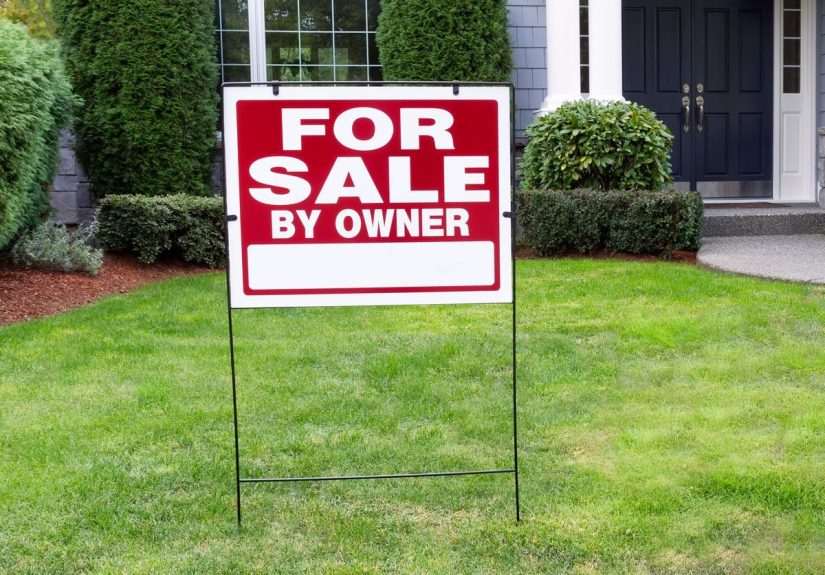
Selling a home without a real estate agent is called FSBO (For Sale By Owner). It’s legal in every state,
and it can work well for the right home, the right market, and the right seller (read: someone who doesn’t break into
a cold sweat when a buyer asks for a repair credit “because vibes”).
This guide breaks down how FSBO works, what you’ll save, what you might lose, and the practical steps to sell smoothly
with enough real-world detail to keep you out of contract chaos.
What “Selling Without a Realtor” Really Means
FSBO doesn’t mean “no professionals involved.” It usually means you’re skipping the listing agentthe person who
prices, markets, fields calls, negotiates, and babysits the process to the finish line.
Even FSBO sellers typically still use:
- A title company or escrow company to handle payoff statements, title work, and closing logistics
- A real estate attorney (required in some states, wise in many others)
- A home inspector (often buyer-chosen, but pre-inspections are a strong FSBO move)
- A photographer because your phone’s “wide angle” is not a personality
The Big Money Question: How Much Do You Actually Save?
The main FSBO motivator is avoiding commission. Traditionally, sellers often paid both the listing agent and the buyer’s
agent, commonly around a few percentage points each (and yes, it was negotiable, even when people pretended it wasn’t).
More recently, industry rules around buyer-agent compensation have shifted, adding more transparencyand more
“let’s talk about it” conversations.
But here’s the catch: you may still pay a buyer’s agent
Many buyers still work with agents, and those agents still expect to be paid. Even if you don’t hire a listing agent,
you may choose to offer a buyer-agent commission or negotiate concessions that effectively cover it. The new reality:
everything is more openly negotiable, and you’ll want to be crystal clear in your listing and negotiations
about who pays what.
FSBO homes can sell for less (sometimes a lot less)
Multiple industry reports have found that FSBO homes often sell for a lower median price than agent-assisted homes.
That gap can erase some (or all) of the commission savings if you underprice, undersell, or get out-negotiated.
Translation: saving a fee is greatuntil you “save” $15,000 and lose $40,000.
FSBO Pros and Cons (No Sugarcoating)
Pros
- Potential savings on listing-side commission
- Control over pricing, showings, and negotiation style
- Speed if you already have a buyer (neighbor, friend, tenant, family member)
- Flexibility to buy only the services you need (attorney review, flat-fee MLS, photos)
Cons
- Pricing risk: overprice and you go stale; underprice and you donate equity
- Marketing limits without MLS exposure or agent networks
- Negotiation pressure (buyers and agents negotiate daily; most homeowners do not)
- Legal/paperwork pitfalls with disclosures, deadlines, addenda, and local customs
- Time drain: calls, texts, showings, follow-ups, and the occasional 9 p.m. “Is the roof… roofy?”
When FSBO Works Best (And When It’s a Trap)
FSBO tends to work well if:
- You’re in a hot neighborhood with strong comparable sales (“comps”)
- Your home is straightforward (not a complicated rehab, unique property, or rural unicorn)
- You’re comfortable with negotiation and deadlines
- You have time to manage marketing, showings, and paperwork
- You’re willing to pay for targeted help (photos, attorney, flat-fee MLS)
FSBO is riskier if:
- Your pricing is hard (custom home, acreage, mixed-use, unusual layout)
- You’re selling in a slower market and need maximum exposure
- You dislike confrontation (real estate negotiations are basically polite confrontation)
- You can’t respond quickly to leads and showing requests
How to Sell Your House Without a Realtor: Step-by-Step
Step 1: Price it like a professional (not like a hopeful poet)
FSBO pricing mistakes are common because homeowners naturally anchor to what they “need” to get, what they spent on upgrades,
or what a neighbor’s cousin’s house sold for in 2021. Buyers don’t care about your needs. They care about competing options.
Use a comparative market analysis approach:
- Pull 3–6 recent sold comps (same area, similar size, similar condition) from the last 90 days if possible
- Adjust for differences (extra bath, updated kitchen, lot size, pool, garage)
- Check active listings (your competition) and pending listings (what buyers are accepting)
- Consider paying for an appraisal if pricing is tricky
Pro tip: If you’re in a market where homes sell fast, pricing slightly under the “perfect number” can create competition.
If you’re in a slower market, sharp pricing reduces the “let’s wait and see” problem.
Step 2: Prep the house (buyers notice everything… including your lava lamp)
FSBO success often comes down to presentation. You don’t need a full renovation, but you do need “clean, bright, and cared for.”
- Declutter (half your stuff should take a vacation)
- Deep clean (yes, baseboardsbuyers crouch like investigators)
- Fix small issues (dripping faucets, loose handles, scuffed walls)
- Boost curb appeal (fresh mulch, trimmed landscaping, clear entry)
- Consider light staging or at least “furniture that fits the room”
Step 3: Get pro photos (because buyers shop with their thumbs)
Online listings are your first showing. Professional photography can pay for itself by increasing interest and reducing days on market.
If you want extra credit, add a floor plan or a short walkthrough videojust keep it steady (no “found footage” vibes).
Step 4: Decide how you’ll list (FSBO sign-only vs. MLS exposure)
Many buyers (and most buyer agents) search via the Multiple Listing Service (MLS) and the sites that pull from it.
If you’re not on the MLS, you may miss serious, agent-guided buyers.
Two common options:
- Pure FSBO: You market on your own (yard sign, social media, FSBO sites)
- Flat-fee MLS listing: You pay a one-time fee to a licensed broker to place your home on the MLS, while you handle inquiries
If you use a flat-fee MLS service, read the fine print: what’s included (photos, edits, showing tools), how long the listing runs,
and how buyer-agent compensation is handled in the current rules environment.
Step 5: Build a marketing plan that doesn’t rely on “hope”
- Listing description: clear, specific, benefit-focused (avoid ALL CAPS and “won’t last!!!”)
- Showing system: set windows, confirm appointments, keep a log
- Open house: great in high-traffic areas; less useful for unique homes or slow markets
- Social: neighborhood groups can workjust follow the rules and don’t spam
- Flyers: simple one-pager with key features, upgrades, and utility costs if impressive
Step 6: Screen buyers (politely, but firmly)
Before you take your home off the market emotionally (and start mentally spending the proceeds), verify the buyer can perform.
- Ask for a mortgage pre-approval (not just pre-qualification)
- For cash offers, request proof of funds
- Confirm timelines: closing date, contingencies, and any “must-have” conditions
Step 7: Negotiate like it’s business (because it is)
Buyers negotiate price, repairs, credits, closing dates, and sometimes personal property (“Can the patio set stay?”).
Keep emotions out of it. Your goal is net proceeds, certainty, and timingpick your priorities and negotiate accordingly.
Hot tip: A slightly lower price with fewer contingencies can beat a higher price with a wobbly loan and 14 requests.
Step 8: Get the paperwork right
This is where FSBO sellers can get burned. Your contract needs to reflect your state’s norms and your deal’s specifics.
Common documents include:
- Purchase agreement (state-specific)
- Mandatory disclosures (varies by state; disclose known material defects)
- Lead-based paint disclosure (for many homes built before 1978)
- Addenda for inspections, repairs, appraisal, financing, and timelines
- Title and payoff documents (usually handled by title/escrow)
In some states, attorney involvement in closings is required or customarybudget for it and lean on that expertise.
Even where it’s not required, an attorney review can be cheaper than fixing a contract mistake later.
Step 9: Understand seller closing costs (FSBO doesn’t mean free)
Closing costs vary by region and deal structure, but sellers often pay items like title-related fees, transfer taxes (where applicable),
escrow fees, prorated property taxes, HOA items, and negotiated credits. You may also cover some buyer costs as part of the negotiation.
Expect costs to be highly location-dependentask your title company or attorney for a seller net sheet early, so you’re not surprised on closing day.
Step 10: Close the sale (and read the Closing Disclosure)
If the buyer has a mortgage, the buyer will receive a Closing Disclosure before closing that details final loan terms and costs,
including seller credits and “seller paid” line items where applicable. This is the moment where math becomes very realreview the figures carefully.
FSBO in the Post-Rule-Change World: What to Watch
Recent industry changes have pushed commission conversations into the open. Buyers may sign agreements with their agents that spell out compensation.
Sellers may still choose to offer concessions that help a buyer cover costs (including agent compensation), but how that’s communicated and negotiated
has evolved. For FSBO sellers, the practical takeaway is simple:
- Be explicit about what you will (and won’t) offer regarding buyer-agent compensation
- Expect buyer agents to ask upfront how they’ll be paid
- Focus on net proceeds, not just the headline sale price
Smart Alternatives If Full FSBO Feels Like Too Much
- Flat-fee MLS + attorney: pay for exposure and legal safety, handle showings yourself
- Discount broker: reduced listing fee with more guidance
- iBuyer/cash buyer: speed and convenience, usually at a lower net
- Limited-service agent: you do some tasks, the agent handles others
Conclusion: Yes, You Can Sell Without a RealtorIf You Sell Like One
FSBO can workand sometimes work brilliantlywhen you price accurately, market professionally, and treat paperwork like it matters
(because it does). The biggest wins tend to come from sellers who buy targeted help (photos, MLS exposure, attorney review)
instead of trying to white-knuckle the entire process alone.
If you’re organized, responsive, and comfortable negotiating, FSBO might help you keep more of your equity. If you’d rather not
manage marketing, contracts, and high-stakes conversations, paying for an agent’s expertise can be money well spent.
Either way, the goal is the same: a clean contract, a smooth closing, and the most money you can keeplegally and calmly.
Real-World FSBO Experiences & Lessons (Extra 500+ Words)
Below are the most common FSBO experiences homeowners reportshared here as “what tends to happen in real life,” not as
fairy tales where every offer is full price and everyone says “sir” and “ma’am.”
1) The “My House Is Special” Pricing Phase
Almost every FSBO seller starts with a number that feels right emotionally. Then the market votes. If showings are slow,
it’s often not because buyers “don’t get it”it’s because the price is doing the talking, and it’s saying, “Maybe later.”
The sellers who succeed are the ones who treat price like a strategy, not a tribute to their granite countertops.
One common winning move is to price within the range where buyers’ online filters actually capture the home.
If most buyers search “up to $500,000,” listing at $505,000 can make you invisible to the exact people you want.
2) The “Marketing Is a Job” Surprise
FSBO marketing isn’t hard, but it is relentless. Leads come in while you’re cooking, working, or pretending you’re relaxed.
The best FSBO sellers respond quickly, confirm showings clearly, and keep the house ready enough that a last-minute request
doesn’t trigger a 40-minute panic-cleaning montage. Small systems help: a shared calendar, a pre-written “showing instructions” text,
and a simple FAQ sheet (age of roof, HVAC, taxes, HOA rules, recent upgrades).
3) The “Buyer’s Agent Calls” Moment
Many FSBO sellers get nervous when agents call, as if a real estate agent is a wizard who can only be defeated by a secret phrase.
In reality, most are simply asking practical questions: availability, disclosures, and compensation structure.
A calm, professional response goes a long way. If you’re offering buyer-agent compensation, say it clearly.
If you’re not, say that clearly tooand be prepared that some buyers may still proceed while others may not.
The key is to keep the conversation focused on the home and the deal terms, not on a philosophical debate about the existence of commissions.
4) The “Inspection Negotiation” Rollercoaster
Inspections can feel personal. They are not. An inspector’s job is to list issues; a buyer’s job is to ask for what they want;
your job is to decide what makes sense.
Successful FSBO sellers typically:
- Ask for requests in writing, itemized
- Prioritize health/safety and big-ticket items over cosmetic nitpicks
- Choose credits or repairs strategically (credits can be simpler; repairs can prevent re-negotiation)
- Get at least one estimate for major requests
A surprisingly effective tactic is offering a reasonable credit for legitimate issues while declining “because we’d like one”
requests. Buyers often respect clarity more than endless back-and-forth.
5) The “Paperwork Will Humble You” Lesson
The contract phase is where confident FSBO sellers become humble FSBO sellers.
Deadlines matter. Addenda matter. Local customs matter. One missed date can reopen negotiations or end the deal.
FSBO sellers who thrive usually bring in an attorney early, not at the moment when things are already on fire.
It’s also common for title/escrow pros to become the unsung heroesexplaining payoff timing, prorations, and what happens if
the buyer’s lender needs “one more document” (they always need one more document).
6) The “I’d Do It AgainBut Smarter” Takeaway
Many people who successfully sell FSBO say they’d do it again with three upgrades:
better photos, clearer pricing logic, and earlier professional help for contracts.
The best version of FSBO isn’t “do everything yourself.” It’s “own the parts you can do well, and outsource the parts where mistakes are expensive.”
If you approach it that way, selling without a realtor can feel less like a stunt and more like a strategy.