Table of Contents >> Show >> Hide
- So, Can Humans Eat Dog Food?
- Is Dog Food Safe for Humans in an Emergency?
- Why Dog Food Is Not Meant for People
- Dry Kibble vs. Wet Dog Food vs. Raw Dog Food
- What Happens If a Human Eats Dog Food?
- Can Kids Eat Dog Food?
- What Does “Human-Grade” Dog Food Mean?
- Is Dog Food Taste-Tested by Humans?
- Common Myths About Humans Eating Dog Food
- When Dog Food Is Most Dangerous for Humans
- What Should You Eat Instead in an Emergency?
- Practical Experience: What People Learn After Accidentally Eating Dog Food
- Conclusion: Can Humans Eat Dog Food?
At some point, almost every dog owner has looked at a bowl of kibble and wondered, “Could I eat that?” Maybe the question came during a camping trip, a power outage, a dare from a cousin with too much confidence, or a moment when the dog’s dinner smelled weirdly better than your own. So, can humans eat dog food? Technically, yesmost commercial dog food is not instantly poisonous to humans. But should humans eat dog food? That answer is much less exciting: generally, no.
Dog food is designed for dogs, not people. It may contain ingredients that are safe in a broad sense, and it is regulated as animal food in the United States, but it is not formulated to meet human nutritional needs, taste expectations, or food-handling standards for regular human meals. In other words, a bite of dry kibble probably will not send a healthy adult into dramatic movie-style collapse, but making dog food part of your diet is a terrible life planand not just because your dog will judge you.
This guide explains whether dog food is edible for humans, what the real risks are, how dry kibble compares with wet or raw dog food, what “human-grade” dog food actually means, and what to do if someone accidentally eats it.
So, Can Humans Eat Dog Food?
The simplest answer is this: a small amount of commercially produced dog food is unlikely to be toxic to a healthy adult, but it is not recommended as human food. Dog food is made to satisfy canine dietary requirements. Humans and dogs share some broad nutritional needsprotein, fat, minerals, and energybut we do not need them in the same amounts or ratios.
Dogs are omnivores with nutritional requirements that differ from ours. A properly labeled complete and balanced dog food is created to support a dog’s life stage, such as puppy growth, adult maintenance, or reproduction. That does not mean it is balanced for your body. Humans need a different profile of vitamins, minerals, fiber, and essential nutrients. For example, people require vitamin C from food, while dogs can produce vitamin C on their own. That alone shows why a “complete” dog food is not a complete human diet.
Dog food also may include animal by-products, rendered fats, organs, bone meal, or other ingredients that are allowed in pet food but may not be appetizing or appropriate for people. These ingredients are not automatically dangerous, but they are chosen for pet nutrition, cost, digestibility, and manufacturingnot for the human dinner table.
Is Dog Food Safe for Humans in an Emergency?
In a true survival situation, sealed commercial dog food might be safer than eating unknown plants, spoiled leftovers, or mystery meat from the back of an unplugged freezer. But that does not make dog food a smart emergency food supply. If you are preparing for storms, outages, hiking trips, or other emergencies, store shelf-stable human foods instead: canned beans, tuna, peanut butter, rice, oats, protein bars, dried fruit, and ready-to-eat meals.
Dog food may provide calories, fat, and protein, but it is not built to nourish humans over time. It also may carry a higher risk of contamination once opened or handled around pet bowls, floors, scoops, and dog saliva. If your emergency plan involves eating the dog’s kibble, the plan needs a promotion from “chaotic” to “adult supervision required.”
Why Dog Food Is Not Meant for People
1. The Nutritional Balance Is Wrong for Humans
Dog food is formulated around canine nutrient profiles. That means the protein, fat, carbohydrate, vitamin, and mineral levels are designed for dogs. People eating dog food regularly could miss key nutrients or consume too much of others. Over time, that could contribute to digestive problems, low energy, nutrient deficiencies, or other health issues.
For example, dog food may be higher in fat than many people expect. Some formulas also include levels of minerals or fat-soluble vitamins designed for dogs, not humans. Eating it once is one thing; relying on it as a meal replacement is another. Your body is not a Labrador with a checking account.
2. Pet Food Is Regulated Differently Than Human Food
In the United States, pet food is regulated, and it must be safe, properly labeled, and made under sanitary conditions. That is reassuringbut it does not mean every bag of kibble is treated exactly like a human ready-to-eat food. Pet food is manufactured for animal consumption, and the ingredient sourcing, labeling, testing, and intended use are centered on pets.
Dog food labels often include a nutritional adequacy statement, ingredient list, feeding directions, calorie information, and life-stage guidance. These details help pet owners choose appropriate food for their dogs. They are not instructions for humans looking for a crunchy midnight snack.
3. Foodborne Illness Is a Real Risk
Pet food can be contaminated with bacteria such as Salmonella or Listeria. These germs can make both pets and people sick. The risk is not limited to eating dog food; people can also get sick from handling contaminated food, touching bowls, cleaning up crumbs, or failing to wash hands afterward.
Children under 5, adults over 65, pregnant people, and anyone with a weakened immune system face a higher risk of serious foodborne illness. For these groups, dog food should be treated with extra caution. If a toddler eats a piece of kibble, panic is usually not necessary, but it is wise to rinse their mouth, wash their hands, monitor symptoms, and call a pediatrician or poison control if there are concerns.
Dry Kibble vs. Wet Dog Food vs. Raw Dog Food
Dry Dog Food
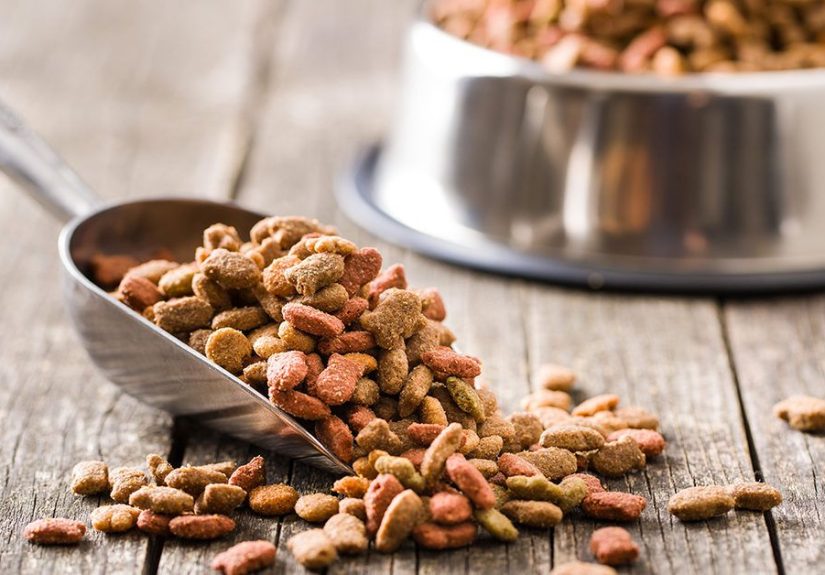
Dry kibble is the most likely type of dog food someone might accidentally taste. It is shelf-stable, low in moisture, and usually cooked during processing. That does not make it human food, but dry kibble is generally less risky than raw dog food. Still, it can become contaminated during manufacturing, shipping, storage, or handling. Once the bag is opened, bacteria can spread through scoops, bowls, hands, floors, and storage bins.
If dry dog food smells rancid, looks moldy, is past its expiration date, or has been recalled, no onehuman or dogshould eat it.
Wet or Canned Dog Food
Canned dog food is heat-processed and sealed, which can reduce some contamination risks while the can remains intact. However, once opened, it should be handled like a perishable food. It can spoil, grow bacteria, and become unsafe if left out too long. It may also have a texture and smell that tests the boundaries of human courage.
If a person accidentally eats a small spoonful of canned dog food, the biggest concerns are usually stomach upset and foodborne illness risk. Eating it as a regular meal is still not recommended.
Raw Dog Food
Raw dog food is the biggest red flag. Raw diets may include raw meat, poultry, fish, organs, eggs, or bones. These ingredients can carry bacteria and parasites that are harmful to humans and pets. Health and veterinary organizations have repeatedly warned that raw pet food can pose a risk not only to animals eating it but also to people handling it.
Humans should not eat raw dog food. Full stop. No taste test. No “just one bite.” No survival-influencer nonsense filmed beside a suspicious cooler.
What Happens If a Human Eats Dog Food?
For a healthy adult, eating a tiny amount of dry dog food may cause no symptoms at all. Some people might experience nausea, stomach cramps, diarrhea, or vomiting, especially if the food was contaminated, spoiled, greasy, or eaten in a larger amount.
Symptoms that should be taken seriously include repeated vomiting, bloody diarrhea, high fever, severe abdominal pain, dehydration, dizziness, or symptoms lasting more than a day or two. Anyone in a higher-risk group should get medical advice sooner rather than later.
If the dog food was part of a recall, raw, moldy, or possibly contaminated, contact a healthcare professional or poison control for guidance. Keep the package so you can provide the brand, lot number, ingredients, and expiration date if needed.
Can Kids Eat Dog Food?
Children should not eat dog food. That said, small children explore the world like tiny scientists with no research ethics, so kibble incidents happen. A single piece of dry kibble is unlikely to cause serious harm in many cases, but kids are more vulnerable to foodborne illness and choking.
If a child eats dog food, remove any remaining food from their mouth, have them rinse with water if they are old enough, wash their hands, and watch for symptoms. Call a pediatrician or poison control if the child ate a large amount, has symptoms, ate raw pet food, ate recalled food, or has a medical condition that increases risk.
What Does “Human-Grade” Dog Food Mean?
“Human-grade” sounds like the dog food equivalent of a five-star restaurant, but the term is often misunderstood. In pet food labeling, it generally means the ingredients and finished product meet certain standards for human-edible food and are produced in facilities approved for human food handling. The claim should apply to the whole product, not just one fancy ingredient sprinkled into the recipe like a celebrity cameo.
However, human-grade dog food is still formulated for dogs. It may use ingredients people recognizechicken, rice, carrots, beef, sweet potatoesbut the recipe is designed around canine nutrition. A human-grade label does not mean the food is a nutritionally complete meal for humans, nor does it mean you should eat your dog’s subscription meals while whispering, “It’s basically meal prep.”
Is Dog Food Taste-Tested by Humans?
Sometimes, yesbut not in the way people imagine. Some pet food companies may use trained human tasters to evaluate aroma, texture, or flavor components, especially for palatability research. These tastings are controlled, professional, and not the same as eating a bowl of kibble for lunch. Dogs experience taste and smell differently from humans, and pet food is usually optimized for canine appeal, not human delight.
That explains why your dog may act like dinner has arrived from a Michelin-starred chef while you think it smells like a barn married a protein bar.
Common Myths About Humans Eating Dog Food
Myth 1: “If It’s Safe for Dogs, It’s Safe for Humans.”
Not exactly. Dogs and humans have different digestive systems, nutrient needs, and food safety vulnerabilities. Safe for dogs does not automatically mean ideal, safe, or healthy for people.
Myth 2: “Dog Food Is Just Meat and Vegetables.”
Some dog foods contain meat and vegetables, but they also may contain rendered ingredients, supplements, preservatives, flavorings, grains, legumes, or mineral blends formulated specifically for pets.
Myth 3: “Human-Grade Dog Food Is Fine for People.”
Human-grade pet food may be made with higher handling standards, but it is still a pet product designed for dogs. It is not a substitute for a balanced human diet.
Myth 4: “Raw Dog Food Is More Natural, So It’s Safer.”
Raw does not mean safe. Raw animal products can carry pathogens that cause illness. Cooking is one of the reasons human food safety improved in the first place.
When Dog Food Is Most Dangerous for Humans
Dog food becomes especially risky for humans in several situations:
- It is raw, undercooked, or freeze-dried raw.
- It has been recalled for Salmonella, Listeria, mold, toxins, or other contamination.
- The package is damaged, swollen, leaking, or smells rancid.
- The food has been stored in a dirty container or exposed to moisture.
- It has been sitting in a pet bowl where saliva, dust, pests, or household germs can contaminate it.
- A child, pregnant person, older adult, or immunocompromised person eats it.
Even if dog food looks clean, it should be handled carefully. Wash hands after touching pet food, clean scoops and bowls regularly, store food in a dry location, and keep it away from children.
What Should You Eat Instead in an Emergency?
If the real question is “Can I eat dog food because I have nothing else?” the better answer is to build a simple emergency food kit. Good options include canned soups, canned tuna or chicken, beans, peanut butter, crackers, shelf-stable milk, dried fruit, nuts, granola, rice, pasta, oatmeal, and bottled water. These foods are made for people, easier to digest, and more reliable nutritionally.
For outdoor trips, pack lightweight human foods such as trail mix, jerky, instant oatmeal, meal bars, and dehydrated meals. Your dog can carry its own kibble; you can carry something that does not taste like compressed sadness.
Practical Experience: What People Learn After Accidentally Eating Dog Food
Most real-world stories about humans eating dog food fall into a few familiar categories: accidental toddler snacking, curiosity, survival worries, college dares, pet food taste-testing, and the classic “I thought it was beef jerky” disaster. While these experiences are usually more embarrassing than medically serious, they reveal a lot about how people should think about dog food safety.
First, accidental kibble tasting is surprisingly common in homes with young children. Toddlers are fast, quiet, and deeply committed to putting questionable objects in their mouths. Parents often report that the child grabbed a piece of kibble before anyone could react. In many cases, nothing happens beyond a grimace and a lesson in keeping pet bowls off the floor during unsupervised moments. Still, this experience teaches an important habit: treat pet food like a household product that needs boundaries. Keep bags sealed, bowls cleaned, and feeding areas away from play spaces.
Second, adults who taste dog food out of curiosity often learn that “edible” and “enjoyable” are not cousins. Dry kibble can taste bland, oily, dusty, bitter, or oddly meaty. Wet dog food may smell stronger than expected because dogs rely heavily on aroma. Fresh or human-grade dog food may look more familiar, but that does not make it a balanced human meal. The experience is usually enough to answer the question forever: yes, you can taste it, but your sandwich is not in danger of being replaced.
Third, people who consider dog food during emergencies often realize the real issue is preparedness. If the only shelf-stable food in the house belongs to the dog, the pantry needs attention. A small human emergency kit is inexpensive and much safer. Even a few cans of beans, soup, tuna, and fruit can prevent a situation where kibble starts looking like a menu item.
Fourth, anyone who has handled recalled pet food learns how quickly safety concerns can shift. A bag that seemed perfectly normal can later be connected to contamination. This is why it is useful to keep pet food in its original packaging or save the lot number if you transfer it to a container. If there is a recall, that information helps you know whether the food should be discarded.
Finally, these experiences show that dog food belongs in a dog’s bowl, not on a human plate. The occasional accidental bite may not be a disaster, but regular consumption is unnecessary and risky. Humans have grocery stores, recipes, refrigerators, and the beautiful invention known as toast. Let dogs have their dinner. They already think we are weird enough for using forks.
Conclusion: Can Humans Eat Dog Food?
Humans can technically eat some dog food without immediate harm, especially if it is a small amount of commercially produced dry kibble. But dog food is not made for people, not balanced for human nutrition, and not worth the food safety gamble. The safest answer is simple: do not eat dog food unless you are in a true emergency with no better option.
Dry kibble is generally less risky than raw dog food, but contamination can still happen. Wet dog food can spoil after opening. Raw dog food should be avoided completely by humans because of the risk of bacteria and parasites. Children, pregnant people, older adults, and immunocompromised individuals should be especially careful around pet food.
If you are curious, let the curiosity pass. If you are hungry, choose human food. If you are preparing for emergencies, stock your pantry. And if your dog catches you eyeing the kibble, apologize immediately. That is their cuisine, their culture, and frankly, their crunchy little business.