Table of Contents >> Show >> Hide
- What Is on Burger King’s SpongeBob Menu?
- Why This SpongeBob and Burger King Collaboration Makes So Much Sense
- More Than a Gimmick: What the Launch Says About Fast-Food Strategy
- Did the SpongeBob Menu Actually Work?
- The Real Experience of Ordering a SpongeBob-Themed Burger King Meal
- Final Thoughts
- SEO Tags
Fast-food chains have learned a simple truth: if you want people to stop scrolling and actually get in the car, give them something they can taste, photograph, and explain to their group chat in one sentence. Burger King seems to understand that assignment very well. Its SpongeBob-themed menu is exactly the kind of limited-time launch that turns an ordinary drive-thru run into a tiny pop-culture event. It has a bright yellow square bun, cartoon-ready packaging, collectible toys, and just enough under-the-sea nonsense to make grown adults say, “Okay, fine, I need to see this in person.”
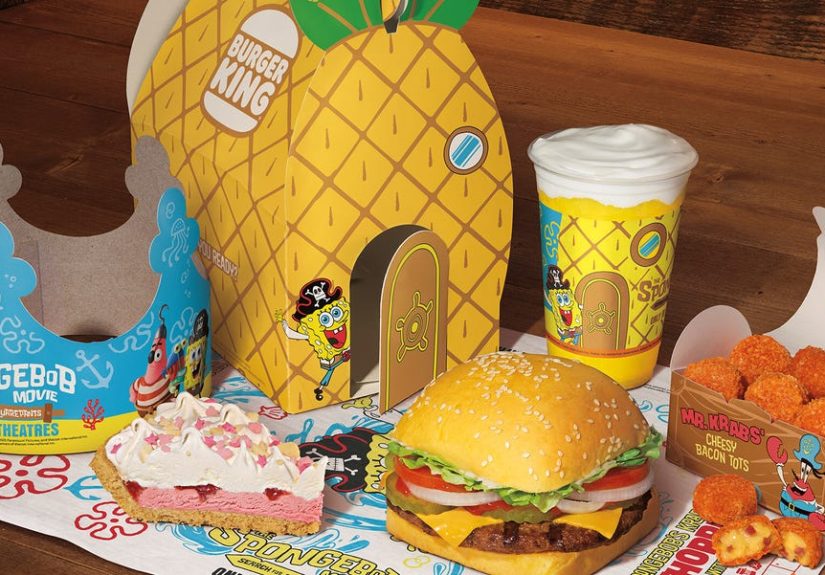
The menu was introduced as a tie-in to The SpongeBob Movie: Search for SquarePants, and Burger King clearly aimed bigger than a one-item novelty drop. Instead of rolling out a single themed burger and calling it a day, the chain built a full mini-world around the collaboration. There is a Krabby Patty-inspired Whopper, cheesy tots with a Mr. Krabs angle, a Patrick-themed pie, and a pineapple float that sounds like it was invented after someone asked, “What if dessert and vacation got married?” Add in a Bikini Bottom bundle, special packaging, app tie-ins, and kids’ collectibles, and this becomes more than a menu update. It becomes a campaign.
That matters because the modern fast-food business is no longer just about hunger. It is about relevance. A new burger has to compete with TikTok trends, nostalgia bait, app deals, and the very real fact that many people now need a reason to spend restaurant money at all. Burger King’s SpongeBob menu works because it does not just sell food. It sells recognition. It sells childhood memory. It sells a little bit of chaos in a yellow bun.
Here is what is actually on the menu, why it is getting so much attention, and what this launch says about where fast-food marketing is heading next.
What Is on Burger King’s SpongeBob Menu?
The strength of this launch is that Burger King did not phone it in. The chain built a menu with distinct items that each connect to the SpongeBob universe in a way people can understand immediately, even if they have not watched the cartoon in years.
SpongeBob’s Krabby Whopper
This is the headline act, and Burger King knows it. The sandwich takes the familiar Whopper formula and gives it a visual makeover with a yellow square bun. That shape is the whole joke and the whole hook. It instantly evokes the Krabby Patty fantasy that has hovered over SpongeBob fandom for decades. Underneath the cartoon styling, the build stays close to classic Burger King territory: beef patty, American cheese, lettuce, tomatoes, pickles, onions, ketchup, and mayo.
That is a smart move. Burger King is not asking customers to take a wild flavor leap. It is giving them something recognizable with just enough novelty to feel special. In other words, it looks like a stunt food but eats like a mainstream burger. That balance is often what separates a successful limited-time offer from a social-media gimmick that burns bright and vanishes by lunch.
Mr. Krabs’ Cheesy Bacon Tots
If the Krabby Whopper is the attention magnet, the cheesy bacon tots are the sidekick with sneaky staying power. Burger King turned its potato side into a richer, more playful item by leaning into coin-shaped tots filled with cheese and bacon. The Mr. Krabs connection is obvious without being overdone. Treasure, coins, greed, golden crunch. The branding practically writes itself.
These tots also make strategic sense from a menu-design perspective. Limited-time offers work best when they create a reason to buy beyond the core sandwich. A specialty side gives people permission to turn a simple burger stop into a full themed meal. It also helps justify bundle pricing and increases the odds that customers try more than one promotional item in a single visit.
Patrick’s Star-berry Shortcake Pie
Fast food collaborations often remember the burger and the drink, then forget dessert like it owes them money. Burger King did not make that mistake here. Patrick’s Star-berry Shortcake Pie brings in the sweet side of the SpongeBob world with strawberry and vanilla layers, cookie crumb crust, shortcake crumbles, and star-shaped sprinkles.
That may sound like a small detail, but dessert is doing serious work in this campaign. It broadens the appeal beyond burger fans, strengthens the color-driven visual identity of the launch, and makes the whole menu feel more complete. It also reinforces the family-friendly tone of the promotion. A cartoon tie-in should feel playful from start to finish, and a themed pie absolutely understands the mission.
Pirate’s Frozen Pineapple Float
Now we get to the menu item most likely to make people stop and say, “Wait, what is that?” The Pirate’s Frozen Pineapple Float is a pineapple-flavored frozen drink topped with tropical-style cold foam. It is beachy, goofy, and unmistakably linked to SpongeBob’s pineapple home. That makes it one of the most on-brand items in the lineup.
Drinks like this do a lot of hidden labor in a fast-food promotion. They photograph well, feel seasonal, and create a sensory break from the usual cola-or-lemonade routine. In a value-conscious environment, customers may hesitate on a pricey burger, but a fun limited-time beverage can feel like a smaller, easier indulgence. Burger King seems to understand that not every customer needs to order the full themed meal to participate in the moment.
The Bikini Bottom Bundle and King Jr. Meal
Burger King smartly packaged the campaign into bigger-format experiences as well. The Bikini Bottom Bundle gathers the featured items into one themed box, while the King Jr. Meal adds collectible SpongeBob toys and a special crown. That is not just cute packaging. It is smart retail psychology.
Bundles simplify decision-making, raise average check size, and create a stronger sense of event. Meanwhile, kids’ meals and collectibles extend the campaign from food into memorabilia. Suddenly the launch is not just something you eat. It is something you unbox, post, show your kids, joke about with friends, or save because the packaging is too ridiculous to throw away immediately.
Why This SpongeBob and Burger King Collaboration Makes So Much Sense
On paper, Burger King and SpongeBob might seem like an odd match. One is a global burger chain; the other is a permanently optimistic sea sponge who works grill duty in a fictional undersea restaurant. But from a branding perspective, the pairing is almost annoyingly perfect.
SpongeBob is one of those rare entertainment properties that connects across generations. Kids know the character. Young adults grew up quoting him. Parents recognize him instantly. That gives Burger King a wider audience than many pop-culture tie-ins can reach. It is not just targeting children, and it is not just chasing irony-loving adults. It is doing both at once.
The collaboration also fits the current fast-food playbook. Chains increasingly rely on familiar characters, short-run launches, and themed experiences to create urgency. A permanent menu item has to grind for attention over months. A limited-time collaboration, by contrast, arrives with a built-in deadline, built-in conversation, and built-in excuse for customers to act now instead of “sometime later,” which in restaurant math often means never.
And then there is the visual language of SpongeBob itself. Bright colors, exaggerated shapes, and recognizable icons translate beautifully to food marketing. A square yellow bun is weird enough to feel new, but simple enough that customers understand it instantly. No lengthy explanation required. That kind of immediate clarity is gold in a crowded feed.
More Than a Gimmick: What the Launch Says About Fast-Food Strategy
The most interesting part of Burger King’s SpongeBob-themed menu is not the bun, although yes, the bun is doing a lot of work. It is what the launch reveals about the chain’s broader strategy. This is not random whimsy. It is highly structured whimsy.
Restaurant industry coverage around the rollout framed the campaign as part of Burger King’s effort to use themed packaging, app engagement, collectibles, and family-friendly storytelling to draw more traffic. That matters because the winning fast-food promotions today are rarely just product launches. They are ecosystems. The app matters. The bundle matters. The packaging matters. The social-media shareability matters. The movie tie-in matters.
In that sense, Burger King is not merely selling menu items. It is creating a multi-entry campaign where different customers can engage at different levels. Some people will buy the Krabby Whopper because it is the headline item. Some will grab the float because it sounds fun. Some families will choose the kids’ meal for the toys. Some fans will order through the app for exclusives. The promotion becomes flexible without losing its identity.
There is also a nostalgia angle here that fits broader restaurant trends. Industry reporting has pointed to nostalgia as one of the biggest menu themes of the past year, and Burger King’s SpongeBob push lands squarely in that sweet spot. It gives adults a taste of childhood recognition while still feeling current enough for younger audiences. That is a powerful combination, especially at a time when consumers want comfort, familiarity, and a little entertainment with their meal.
Did the SpongeBob Menu Actually Work?
By the early numbers, yes. Nation’s Restaurant News reported that Burger King saw a notable traffic jump after the launch, citing Placer.ai data showing nearly a 19% lift following the menu’s debut. For a quick-service campaign, that is not pocket change. That is the kind of response that gets people in marketing meetings sitting up straighter.
The lesson is straightforward. Limited-time offers work best when they combine three things: familiarity, novelty, and urgency. Burger King checked all three boxes. Familiarity came from both the Whopper platform and the SpongeBob brand. Novelty came from the visual redesign, character-themed items, and special packaging. Urgency came from the limited-time window and the movie-release timing.
Just as important, the menu avoided one common trap: being too strange to order twice. The items sound playful, but they still live in mainstream fast-food territory. A burger, a potato side, a pie, a frozen drink. Customers know exactly where these foods fit in their lives. That makes repeat visits more plausible than with a one-off novelty item that feels more like a dare than dinner.
The Real Experience of Ordering a SpongeBob-Themed Burger King Meal
Now for the part that often gets skipped in corporate announcements: what the experience around a launch like this actually feels like. Because people do not line up for collaborations just to consume calories. They show up for the tiny thrill of participating in a cultural moment.
Ordering a SpongeBob-themed Burger King meal is not the same as ordering a normal combo after work because the entire point is that it feels slightly ridiculous in the best possible way. You are not just asking for a burger. You are asking for a square yellow bun inspired by a cartoon sandwich from Bikini Bottom. That little bit of absurdity is part of the appeal. It makes the transaction more memorable before you even get your receipt.
Then comes the visual payoff. The packaging matters more than many brands realize. A themed box, collectible crown, treasure-chest side carton, or pineapple-shaped presentation changes the energy of the meal. It feels less like fast food and more like a pop-up experience that accidentally wandered into a drive-thru. That is especially powerful for families, but it also works on adults who would never say the phrase “limited-edition crown” out loud and yet somehow still want one.
The tasting experience is layered too. First, there is the curiosity factor. Does the burger taste different, or is the bun mostly visual theater? Are the tots worth ordering again, or are they just there to wear a Mr. Krabs costume? Is the pineapple float delicious or one of those drinks you buy once for the plot? These are small questions, but they are exactly the kind of questions that make food launches fun. They turn eating into light entertainment.
There is also an emotional side to it. For many people, SpongeBob is not just a cartoon. It is a reference point from childhood, from after-school TV, from memes, from shared jokes that somehow survived into adulthood. So when a fast-food chain builds a menu around that world, the experience becomes partly about flavor and partly about memory. You are not just tasting a pie with star-shaped sprinkles. You are reacting to the fact that someone in a Burger King test kitchen had the audacity to say, “Yes, let’s absolutely do this.”
And then there is the social experience. These campaigns are built for conversation. One person in the group wants the burger because it is the obvious star. Another person is weirdly invested in the pineapple float. Someone else claims the pie is the sleeper hit. A parent negotiates over which toy is in the kids’ meal. A friend sends a photo with the caption, “This bun has no business being this yellow.” In that way, the menu extends beyond the restaurant. It becomes content, banter, and low-stakes collective opinion.
That is why launches like this punch above their weight. Even if the food itself stays within familiar fast-food boundaries, the experience feels bigger. It becomes a mini outing. A conversation starter. A reason to choose Burger King over another chain on a random Tuesday. In a brutally competitive market, that kind of emotional lift is not fluff. It is strategy.
So yes, the SpongeBob-themed menu is playful. Yes, it is a little theatrical. And yes, that is exactly the point. It turns an everyday meal into a tiny adventure with a square bun, a cartoon connection, and enough charm to make people care for a few minutes in the middle of an otherwise ordinary day. For a fast-food chain, that is a pretty impressive trick.
Final Thoughts
Burger King’s SpongeBob-themed menu works because it understands modern food culture better than many promotions do. It is visually loud without being confusing, nostalgic without feeling stale, and limited enough to create urgency without drifting into gimmick overload. The Krabby Whopper may grab the headlines, but the bigger story is how well the whole campaign is engineered.
It gives customers multiple ways to join in, from a single frozen drink to a full bundle with collectibles. It taps into a beloved franchise without needing encyclopedic fan knowledge. And it proves, once again, that in fast food, the smartest launches are not always the most sophisticated. Sometimes the winning idea is simply this: take something familiar, make it a little funnier, a little brighter, a little more shareable, and let nostalgia do the rest.
In other words, Burger King did not just launch a SpongeBob menu. It launched a reason to look twice at the drive-thru board. In 2025 and beyond, that may be the most valuable ingredient of all.