Table of Contents >> Show >> Hide
- The Passport Problem That Sent the Internet Into Hyperdrive
- Why This Story Resonated Far Beyond One Family
- From Arya to Kylo: Pop Culture Names Are No Longer a Sideshow
- What Bureaucracies Still Struggle With
- The Real Issue Is Not Creativity. It Is Compatibility.
- Conclusion: The Force Was Never the Problem
- Experiences Related to the Story: Why So Many Families Saw Themselves in It
- SEO Tags
Some family vacation dramas involve sunscreen, forgotten chargers, or that one suitcase that somehow weighs more on the return trip than it did on the way out. This one involved a passport office, a Star Wars-inspired middle name, and the kind of bureaucratic logic that makes perfectly normal people stare into the middle distance and whisper, “Surely this can’t be real.”
But it was real enough to derail a trip and ignite a much bigger conversation about modern names, government systems, and whether official paperwork has kept pace with the way families actually name children today. The headline-grabbing case centered on a 7-year-old boy whose middle name, “Skywalker,” reportedly triggered passport trouble ahead of a family vacation. On the surface, it sounds like one of those internet stories designed to make everyone yell in the comments. Underneath, though, it reveals something more interesting: parents are getting more creative, more personal, and more pop-culture-inspired with names, while many institutions are still operating like it is 1987 and every child should answer to John, Michael, or Jennifer.
The Passport Problem That Sent the Internet Into Hyperdrive
The child at the center of the story is Loki Skywalker Mowbray, a British boy whose parents gave him a name that reflects exactly what millions of parents now want from baby names: something memorable, meaningful, and a little bit fun. His father, a Star Wars fan, reportedly chose “Skywalker” as a middle name after the boy was born on May 4, the unofficial fan holiday known as Star Wars Day. In other words, this was not a random stunt. It was a sentimental naming choice, the kind families make all the time.
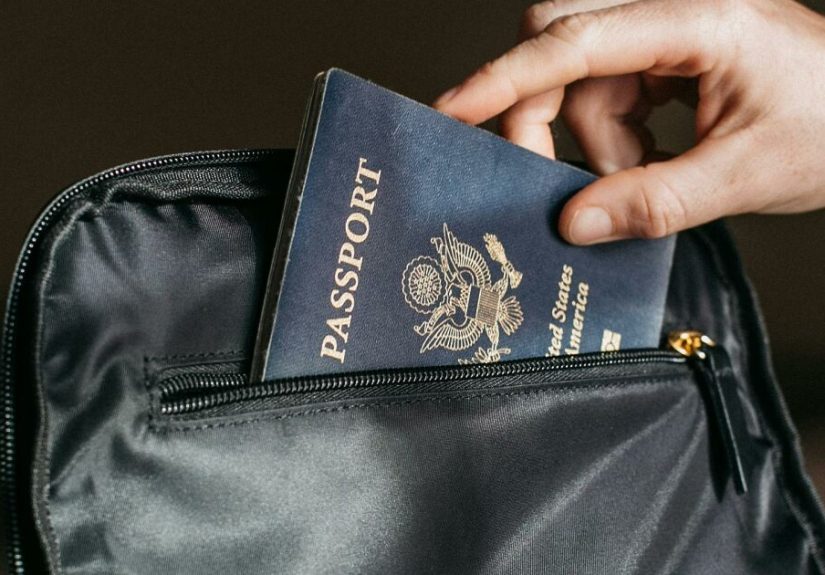
Then came the passport application. According to reports, officials initially refused to issue the passport because “Skywalker” was treated as a protected intellectual-property term associated with Disney. The family said they were told they would need either to change the name or get permission from Disney. That is the kind of sentence that sounds fake until you remember that bureaucracy has never met a weird edge case it did not want to turn into a full-blown administrative epic.
The timing made the situation even more frustrating. The family was preparing for a long-awaited trip, reportedly their first vacation in years. Instead of comparing hotel photos or arguing about who packed too many sandals, they were suddenly trying to sort out whether a child could legally travel with the same middle name he had already been using for seven years.
The good news is that the case did not end in full tragedy, galactic or otherwise. Reports later said the boy’s passport was eventually issued. But by then, the story had already struck a nerve, because it tapped into a growing reality: modern naming culture is moving fast, and official systems are not always keeping up.
Why This Story Resonated Far Beyond One Family
The father’s quote, “Modern names are evolving,” is what turned this from a quirky travel problem into a broader cultural conversation. He was not just defending one middle name. He was pointing to a real shift in how families think about identity. Increasingly, parents do not treat naming as a dusty tradition handed down by distant relatives who all happened to be named Robert. They treat it as storytelling.
Today’s parents pull inspiration from everywhere: favorite films, fantasy worlds, family heritage, music, nature, surnames, nicknames, invented spellings, and names that once might have sounded too unusual for polite suburban circulation. Pop culture has become one of the biggest naming engines in modern life. People do not just watch characters anymore; they absorb them, remix them, and occasionally put them on a birth certificate.
That shift is not hypothetical. U.S. naming coverage and official baby-name data have repeatedly shown how entertainment, celebrity culture, and trend cycles influence what parents choose. Names tied to TV, movies, gaming, and internet culture keep showing up in baby-name conversations because parents want names that feel personal rather than merely traditional. In other words, “Skywalker” may sound bold, but the instinct behind it is mainstream.
And that is why this case felt so relatable to so many readers. Even if most parents are not naming their kids after Jedi dynasties, plenty have chosen names that are newer, less conventional, or more distinctive than what older institutions expect. A system built for clean, predictable naming patterns can start to wobble when it meets a generation of parents who are not asking permission to be original.
From Arya to Kylo: Pop Culture Names Are No Longer a Sideshow
For years, pop-culture names were treated like celebrity nonsense or one-off parental experiments. That framing does not really hold anymore. Names inspired by major franchises have steadily moved from novelty to familiarity. After Star Wars: The Force Awakens, for example, coverage noted that names like Rey and Kylo rose in visibility. Other entertainment-inspired names, from Arya to Elsa to Jax, also entered the wider naming conversation.
This matters because the Mowbray family’s story did not happen in a vacuum. It arrived after years of parents being encouraged, directly or indirectly, to think beyond classic naming rules. Baby-name experts have been writing for some time about the rise of nickname-style first names, surname-inspired names, fantasy-influenced choices, and unconventional combinations that would have sounded odd a generation ago. Even mainstream outlets now treat bold naming as normal lifestyle content rather than social deviance with a monogram.
There is also a deeper cultural trend underneath the headlines: parents increasingly value individuality. The point is not always shock value. Often, it is the opposite. A more unusual name can feel intimate, intentional, and emotionally loaded. It can reflect fandom, family history, humor, aesthetics, or the simple desire to give a child a name that feels singular in a crowded world.
So when an office treats a name like “Skywalker” as if it is automatically suspicious, ridiculous, or unusable, the clash is not just about one application. It is about two different worldviews colliding. One says names should fit tidy institutional boxes. The other says names should reflect the reality of modern life, which is far messier, more global, more digital, and more creative.
What Bureaucracies Still Struggle With
To be fair, government agencies and travel systems do have real reasons to care about names. Passports are identity documents, not fan merch. Officials need names to match supporting records. Systems need consistency. Databases have character limits. Some programs still struggle with punctuation, accent marks, multiple surnames, very long names, or names that do not fit familiar Western formats. That part is real.
But the problem in cases like this is not that governments need standards. It is that standards can become absurd when they are applied without common sense. A child’s legally used middle name should not trigger a pop quiz on whether Disney is cool with it. That is not security. That is paperwork wandering into performance art.
The irony is that official guidance has, in some places, already begun to catch up. Updated UK passport guidance later made clear that having a trademarked or copyrighted name in a passport does not itself breach trademark or copyright law, and staff should not ask people to prove they have permission to use such a name. That clarification matters. It suggests the real problem was not the existence of modern names but the way older rules and assumptions were being interpreted.
This is the larger lesson from the story: plenty of naming conflicts are not really about the names at all. They are about outdated systems, inconsistent training, and a lingering institutional discomfort with names that do not feel familiar. In a world where families routinely navigate hyphenated surnames, blended naming traditions, diacritics, initials, multiple middle names, and nontraditional spellings, the idea that “Skywalker” is what finally breaks the machine says more about the machine than the child.
The Real Issue Is Not Creativity. It Is Compatibility.
The easiest reaction to this story is to laugh. And, honestly, a little laughter is fair. The image of a family needing Disney’s blessing so their child can go on vacation sounds like a rejected sitcom plot. But once the joke lands, the more useful question is this: how many ordinary families run into smaller versions of the same problem every day?
Maybe it is a name with an apostrophe that disappears on airline tickets. Maybe it is a school form that drops one surname. Maybe it is a medical portal that merges first and middle names into one long typo. Maybe it is a travel booking that does not match an ID because the system chopped off a character and just hoped for the best. These are not rare annoyances. They are the predictable consequences of institutions meeting real-world naming diversity with software built by someone who apparently thought every person on Earth would be named Tom Lee.
That is why the phrase “modern names are evolving” lands so well. It sounds simple, but it captures a major social change. Names today are more expressive. They cross genre, culture, and category. They borrow from fiction, history, internet culture, and old family trees. Some are elegant, some are daring, and some absolutely sound like a child was named during Comic-Con with a latte in hand. But they are real names because real families are using them.
Institutions do not have to celebrate every inventive naming choice. They just have to process them competently. A passport office does not need to love “Skywalker.” It needs to recognize that a legally documented name is not a licensing agreement.
Conclusion: The Force Was Never the Problem
In the end, the most revealing thing about this story is not that one boy had a cinematic middle name. It is that a modern family ran into an old institutional mindset and the mismatch became impossible to ignore. The child was not trying to monetize a franchise. The parents were not trying to sneak a lightsaber past customs. They were trying to take a vacation.
This case became viral because it sat at the crossroads of three irresistible topics: children, travel chaos, and names weird enough to make the internet stop scrolling. But its staying power comes from a sharper truth. Naming culture has changed. Parents are more imaginative, more individualized, and more willing to borrow from the stories they love. Systems that handle identity documents, travel records, and public data will need to adapt, because the future is not getting less creative.
So yes, this was a bizarre passport mess. It was also a reminder that modern identity cannot always be squeezed into outdated forms. Sometimes the lesson is legal. Sometimes it is administrative. And sometimes it is simply this: if society can survive children named after dragons, superheroes, and galaxies far, far away, then a database can probably be taught to calm down too.
Experiences Related to the Story: Why So Many Families Saw Themselves in It
One reason this story spread so quickly is that, even for people who would never choose “Skywalker” as a middle name, the feeling behind it was instantly recognizable. Lots of families have had that moment where a perfectly normal part of their identity suddenly becomes “complicated” the second it meets an official form. A child with two last names gets one chopped off. A parent with a hyphenated surname has to explain, again, that no, it is not a typo. Someone with an accent mark watches it vanish from a boarding pass like the system just decided their language was optional.
That is the hidden power of the Mowbray case. It may have looked flashy because Star Wars was involved, but at its core it was about the universal frustration of being told that your real name is somehow inconvenient. Families deal with this in travel, school registrations, medical paperwork, digital accounts, and online booking systems all the time. The details vary, but the emotional experience is the same: “This is my child’s name. Why is this suddenly a debate?”
There is also a parenting angle that makes stories like this hit harder. Choosing a child’s name is one of the first major acts of identity-making that parents get to do. Whether they choose something classic, sentimental, spiritual, trendy, or wildly unexpected, most parents do not pick names casually. The name usually carries a memory, a value, a joke, a tribute, or a hope. So when a system treats that choice like a technical nuisance, it does not feel neutral. It feels personal.
Parents who love modern names often describe the experience in similar terms. They know older relatives may raise an eyebrow. They know teachers might pause during roll call. They know autocorrect may become an enemy. What they do not expect is for official institutions to act as though creativity itself is the problem. That is why the phrase “modern names are evolving” resonated. It was not just a defense of one boy’s middle name. It was a defense of the fact that naming has become more expressive, and families do not want to be dragged backward by outdated assumptions.
Even people with traditional names can relate to the larger issue. Anyone who has had a ticket mismatch, a misspelled insurance card, or a legal document that drops one part of their name knows how quickly administrative errors can snowball. Suddenly you are carrying extra paperwork, making extra calls, and explaining your existence to a stranger who sounds mildly annoyed that you are not fitting into Box A, Box B, or Box C. That experience is not futuristic or rare. It is painfully ordinary.
And that is why this story matters beyond its headline appeal. It reminds readers that names are living things in a social sense. They travel across borders, generations, fandoms, cultures, and software systems. Some are old enough to appear in ancient texts. Some sound like they were invented halfway through a streaming binge. Both are valid if they belong to real people living real lives.
In that sense, the “Skywalker” passport dispute was not just about a family with bold taste in middle names. It was about the friction between human identity and institutional formatting. Families are evolving. Naming styles are evolving. The stories parents use to name their children are evolving. The systems that serve them have to evolve too, because nobody should need a crash course in intellectual-property confusion just to get through airport security with their kid.