Table of Contents >> Show >> Hide
- Why Blood Cancer Takes a Whole Medical Team
- The Star of the Show: Your Hematologist or Hematologist–Oncologist
- The Medical Oncologist: Big-Picture Cancer Strategist
- Other Doctors You Might Meet on Your Blood Cancer Medical Team
- The Nursing Dream Team
- Behind-the-Scenes Experts Who Still Matter
- Emotional, Practical, and Financial Support Pros
- How to Get the Most From Your Blood Cancer Team
- Real-Life Experiences With Blood Cancer Care Teams
- Bottom Line: You Don’t Have to Do This Alone
Hearing the words “you have a blood cancer” can feel like the floor just dropped out from under you.
Leukemia, lymphoma, or multiple myeloma aren’t things anyone plans for. The good news (yes, there is some)
is that you are not expected to face this alone. Modern blood cancer care is built around a whole team of
specialists who work together – kind of like an expert pit crew for your body.
At the center of that team is usually a hematologist or a hematologist–oncologist. Around them are nurses,
pharmacists, social workers, pathologists, navigators, and other pros whose entire job is to help you get
the best possible care. Understanding who these people are and what they do can make the journey a little
less confusing and a lot more empowering.
Why Blood Cancer Takes a Whole Medical Team
Blood cancers begin in the cells of your blood, bone marrow, or lymphatic system, and they behave differently
from solid tumors like breast or lung cancer. That means diagnosis and treatment often involve complex blood
tests, bone marrow biopsies, imaging, targeted drugs, immunotherapy, and sometimes stem cell (bone marrow)
transplant. No single doctor can do all of that alone.
Large cancer centers and dedicated blood cancer programs typically use a multidisciplinary team: hematologists,
medical oncologists, specialized pathologists, transplant doctors, nurses, and support staff who meet regularly
to review your case and fine-tune your treatment plan. This team-based approach helps
catch details, prevent medication conflicts, and keep your care coordinated over months or years.
The Star of the Show: Your Hematologist or Hematologist–Oncologist
Hematology is the branch of medicine that focuses on blood and blood-forming tissues – things like red and white
blood cells, platelets, bone marrow, and lymph nodes. A hematologist is a doctor
trained to diagnose and treat blood disorders. When they are also trained in oncology, they’re called a
hematologist–oncologist, and they specialize in blood cancers such as leukemia, lymphoma, and
multiple myeloma.
What your hematologist–oncologist actually does
In everyday life, your hematologist or hematologist–oncologist is usually your main “blood cancer doctor.”
Their responsibilities typically include:
- Diagnosing your cancer. Ordering and interpreting blood tests, bone marrow biopsies, and imaging.
- Staging and risk stratification. Figuring out how advanced the disease is and how aggressive it looks.
- Designing your treatment plan. Choosing chemotherapy, targeted therapy, immunotherapy, CAR-T cell therapy,
or recommending a stem cell transplant when appropriate. - Monitoring treatment response. Checking whether your blood counts and bone marrow are improving.
- Managing side effects. Adjusting doses, adding supportive meds, or changing therapies if needed.
- Coordinating the rest of the team. Communicating with nurses, pharmacists, transplant specialists,
and your primary care doctor.
Think of this doctor as your team captain: they call the plays, but they rely heavily on skilled teammates to carry
them out safely.
The Medical Oncologist: Big-Picture Cancer Strategist
A medical oncologist is a doctor who specializes in treating cancer using medications like chemotherapy,
targeted therapy, and immunotherapy. While hematologists focus on blood and blood-forming tissues, oncologists tend to
focus more broadly on all kinds of cancers, especially solid tumors.
In blood cancer care, your main doctor may be:
- A hematologist–oncologist (dual-trained), or
- A hematologist who works closely with a medical oncologist, or
- A medical oncologist who has special experience with blood cancers and works in a team that includes hematology experts.
In practice, you might simply hear, “This is your cancer doctor,” and that’s okay. What matters most is that they
have experience with your specific diagnosis and that you feel comfortable asking questions.
Other Doctors You Might Meet on Your Blood Cancer Medical Team
Depending on your exact diagnosis and treatment plan, you may meet a few more specialists. You don’t need to memorize
all the titles (there will not be a pop quiz), but it helps to know who’s who.
Radiation oncologist
A radiation oncologist uses high-energy radiation to kill or shrink cancer cells. Radiation is used more
commonly in some lymphomas, for pain relief from bone involvement, or to treat specific areas where cancer has collected.
In many blood cancers, radiation is a supporting player rather than the main treatment.
Transplant and cellular therapy specialist
If your treatment plan includes a stem cell (bone marrow) transplant or CAR T-cell therapy, you’ll see a
transplant or cellular therapy specialist. These doctors focus on high-intensity treatments that replace diseased bone
marrow with healthy stem cells or reengineer your immune cells to attack cancer.
Hematopathologist and pathologist
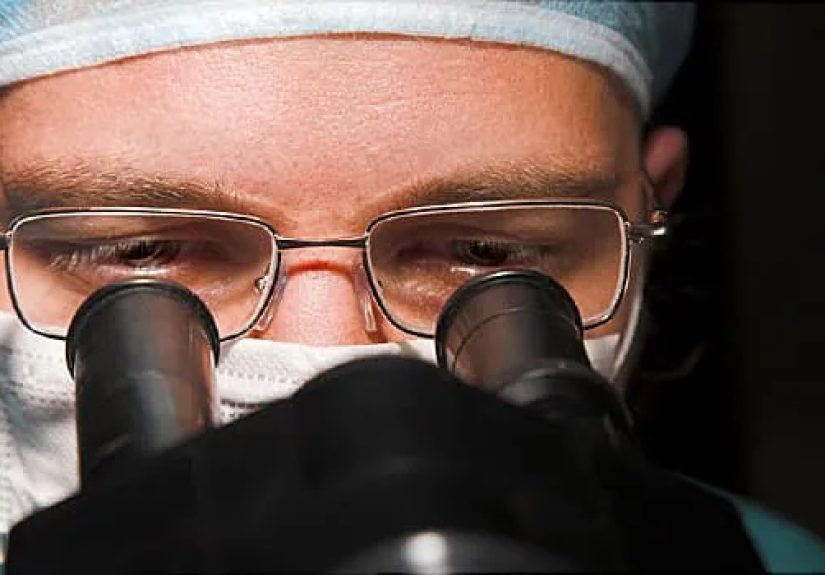
You may never meet these experts face-to-face, but they are crucial. Hematopathologists are specialized
pathologists who examine blood, bone marrow, and lymph node samples under the microscope and often use advanced tools
like flow cytometry and genetic testing to pinpoint your exact type of blood cancer. A precise diagnosis
helps your hematologist choose the most effective therapy.
Palliative care doctor
“Palliative care” sometimes gets confused with hospice, but they are not the same thing. A
palliative care specialist focuses on quality of life: managing pain, nausea, fatigue, anxiety, and other
symptoms at any stage of illness, including early in treatment. Many cancer centers now integrate palliative care into
routine cancer care, not just near the end of life.
Your primary care provider
Your primary care doctor or nurse practitioner doesn’t disappear after a blood cancer diagnosis. They’re
still important for managing blood pressure, diabetes, vaccines, infections, and non-cancer issues that can affect how
well you tolerate treatment.
The Nursing Dream Team
If your hematologist is the captain, nurses are the heart of the team. Oncology nurses and nurse navigators are often
the people you see most frequently during treatment, and they’re usually the first ones you call when you’re worried
about a side effect.
Infusion nurses and inpatient nurses
Oncology nurses are specially trained to give chemotherapy, immunotherapy, blood transfusions, and other
treatments safely. They:
- Check your vital signs and lab results before treatment
- Administer medications and watch for reactions
- Teach you how to manage side effects at home
- Flag urgent problems to your doctor quickly
Many patients say they build deep, trusting relationships with their nurses; they’re the ones who see you on the
good days, the hard days, and everything in between.
Nurse navigator or patient navigator
A nurse navigator (or patient navigator) helps you move through the health care system. They can:
- Explain your diagnosis and treatment in everyday language
- Coordinate appointments and tests so you’re not constantly rescheduling your life
- Connect you with financial assistance, support groups, or clinical trials
- Be a point person when you’re not sure who to call
Studies and real-world experience show that nurse navigation can reduce delays in care and improve patients’ treatment
experience, especially in complex cancers like leukemia and lymphoma.
Behind-the-Scenes Experts Who Still Matter
Some team members you may barely notice, but their work is part of every step of your care.
Pharmacist
Oncology pharmacists help make sure your cancer drugs and supportive medications are safe and effective.
They:
- Review your full medication list to avoid dangerous interactions
- Double-check chemotherapy doses based on your weight, labs, and kidney or liver function
- Recommend anti-nausea meds, infection prevention, or adjustments if side effects are intense
In many centers, pharmacists also counsel patients directly about oral chemotherapy and targeted drugs you take at home.
Lab and imaging teams
Medical technologists in the lab run your complete blood counts, metabolic panels, and specialized tests.
Imaging specialists handle CT scans, PET scans, MRIs, and X-rays that help show how well your treatment is working.
You may not remember all their names, but their work shows up in every discussion about your progress.
Emotional, Practical, and Financial Support Pros
Cancer treatment is not just about targeting cancer cells – it affects your emotions, relationships, work, finances,
and daily routines. That’s why many blood cancer programs include support specialists on the medical team.
Oncology social worker
Oncology social workers are trained to help you cope with the emotional and practical challenges of a
cancer diagnosis. They can:
- Provide counseling for you and your family
- Help with work, school, and family communication
- Connect you with transportation help, housing near treatment centers, or childcare resources
- Assist with disability paperwork or job-related concerns
Psychologist, counselor, or psychiatrist
Anxiety, depression, and sleep problems are common during and after blood cancer treatment. Talking with a
psychologist or counselor who understands cancer can be incredibly helpful. Sometimes a
psychiatrist is involved to manage medications for mood or sleep when needed.
Dietitian or nutritionist
A registered dietitian specializing in oncology can help you handle appetite loss, taste changes, weight
loss or gain, and special nutrition needs during transplant or intense chemo.
Rehabilitation specialists
Physical and occupational therapists help you stay as strong and independent as possible – whether that
means improving balance after long hospital stays or figuring out how to conserve energy when you’re exhausted.
Financial counselor
Blood cancer care can be expensive. Many centers now have financial counselors who explain your insurance
benefits, estimate treatment costs, and help you apply for assistance programs or co-pay support.
How to Get the Most From Your Blood Cancer Team
It’s completely normal to feel intimidated walking into a room full of specialists. Here are practical ways to
work with your blood cancer medical team so they can help you more effectively.
Bring questions – in writing
Before each appointment, jot down your top questions: “What is my exact diagnosis?” “What are the goals of this
treatment?” “What side effects should I call about right away?” Keeping a running list on your phone or in a notebook
helps you remember what matters most when you’re in the exam room.
Designate a “second brain”
Ask a trusted friend or family member to come to important visits (in person or by video) to take notes, keep track of
instructions, and remind you of questions. Many patients say this “second brain” is one of the most helpful parts of
their support system.
Know who to call, and when
Your nurse navigator or clinic nurse can show you which number to call during office hours and after hours, and what
symptoms are considered emergencies. Post that information on your fridge, in your phone, and next to the bed.
Don’t hesitate to call – your team would rather catch problems early than wait until they’re serious.
Ask about clinical trials and second opinions
Blood cancer treatment is changing rapidly, with new drugs and clinical trials opening all the time. Large academic
centers and organizations focused on blood cancer often help patients explore trial options and second opinions,
especially for rare or high-risk cases. Asking “Is there a clinical trial that might
be right for me?” is not rude – it’s proactive.
Be honest about side effects and mental health
Your team can only help with what they know about. If you’re in pain, can’t sleep, feel panicky, or are having trouble
following the treatment schedule, tell them. There are often adjustments and supports they can offer, but they need
the full picture to do their jobs.
Real-Life Experiences With Blood Cancer Care Teams
Every blood cancer story is unique, but patients and caregivers often describe similar moments with their medical
teams. Hearing these patterns can make your own experience feel a little less overwhelming – and highlight ways to
advocate for yourself.
The “too many names and faces” phase
Early on, many people remember feeling like every appointment introduced yet another specialist: “This is your
hematologist,” “Here’s your nurse navigator,” “You’ll also meet our transplant coordinator,” “The social worker will
stop by later.” It can feel like you’re suddenly the CEO of a company you never wanted to start.
Patients often say it helped to:
- Keep a simple list of “who’s who” with names, roles, and contact numbers
- Ask staff to re-introduce their role in plain language (“I’m the nurse who helps you with chemo and side effects”)
- Use a patient portal or notebook to track who ordered which tests and why
Over time, faces and roles start to feel familiar. You may find yourself saying things like, “I’ll ask my nurse about
this,” or “My social worker will know what to do,” without even thinking about it.
The moment when a nurse or navigator becomes your go-to person
Many people with leukemia or lymphoma can name a specific nurse who changed everything. Maybe it was the infusion nurse
who noticed you were unusually short of breath and arranged an urgent evaluation. Maybe it was the navigator who quietly
figured out transportation so you didn’t miss treatment when your car broke down.
These experiences underline an important point: it’s okay to lean on your team. You are not “bothering” them by calling
about new symptoms, asking them to repeat explanations, or sharing fears about work and family. That’s literally what
they’re there for.
Learning to speak up during appointments
At first, some people sit politely, nod, and then go home thinking, “I didn’t understand half of that.” Over time,
they realize that appointments go better when they:
- Say, “I’m not sure I understand – can you explain that another way?”
- Ask, “What are my options?” instead of assuming there is only one plan
- Share priorities: “Keeping my job is important to me,” or “I live alone and need to plan for rides.”
Doctors and nurses generally appreciate honest feedback. When they know what you care about, they can tailor treatment
plans and support services to fit your real life, not just your lab results.
Caregivers as part of the team
Partners, family members, and close friends often become unofficial but essential members of the medical team.
They:
- Drive to appointments and treatments
- Help manage medications and track side effects
- Keep an eye out for fever, confusion, or other red-flag symptoms
- Offer emotional support on long days at the clinic or hospital
Many caregivers say that meeting the nurse navigator, social worker, or palliative care team was a turning point –
not just for the patient, but for them as well. Having professionals explicitly recognize and support the caregiver
role can reduce burnout and improve the whole family’s well-being.
Life after treatment: still part of the team
Even after active treatment ends, your blood cancer medical team doesn’t vanish. Follow-up visits with your
hematologist–oncologist help watch for relapse, long-term side effects, and late complications. Primary care providers
step back into a bigger role, and survivorship clinics may offer exercise programs, nutrition counseling, and mental
health resources.
Many survivors describe this phase as learning to live with “a new normal.” You may not see your team as often, but
knowing that you still have experts who understand your history – and that you can reach out if something feels off –
can be deeply reassuring.
Bottom Line: You Don’t Have to Do This Alone
Blood cancers are serious, complex conditions, but you are not expected to navigate them solo. A hematologist or
hematologist–oncologist typically leads a broad team of doctors, nurses, pharmacists, social workers, navigators, and
other specialists who focus on treating the disease and supporting you as a whole person.
The more you understand who’s on your blood cancer medical team and what each person does, the easier it becomes to
ask questions, share concerns, and participate in decisions. You don’t have to be an expert in hematology – you just
need to know that you’re allowed to speak up, ask for help, and lean on the professionals whose mission is to help
you get through this.