Table of Contents >> Show >> Hide
- What Is the Bless Wall Screw Hanger?
- Why This Hook Is Different (And Why That Matters When Installing)
- Know Your Wall Like You Know Your Coffee Order
- Fastener Strategy: The Simple Decision Tree
- How to Install a Bless Wall Screw Hanger (Step-by-Step)
- Tools you’ll actually use
- Step 1: Pick placement like a person who lives there
- Step 2: Find a stud (and celebrate if you do)
- Step 3: If no stud, choose anchors intentionally
- Step 4: Drill the right hole (not the “close enough” hole)
- Step 5: Set the anchor or drive into the stud
- Step 6: Mount the hanger and test gently
- How Much Can It Hold? The Honest Answer
- Style Ideas: Make It Look Intentional (Not Like a Panic Hook)
- Removal and Wall Repair (Because Life Happens)
- Common Questions
- Conclusion
- Real-World Experiences: What People Learn After Installing a Bless Wall Screw Hanger
If you’ve ever tried to keep an entryway tidy, you already know the secret truth: coats don’t belong on chairs,
bags multiply when nobody’s watching, and keys have a talent for vanishing exactly when you’re late.
Most wall hooks solve the problem… while looking like they were designed by someone who has never smiled.
The Bless Wall Screw Hanger is the rare exception: it’s a wall hook that shows up as both
function and wall art. It’s practical, a little weird (in the best way), and it can turn
“where do I put this?” into “why does my wall look cooler than me?”
What Is the Bless Wall Screw Hanger?
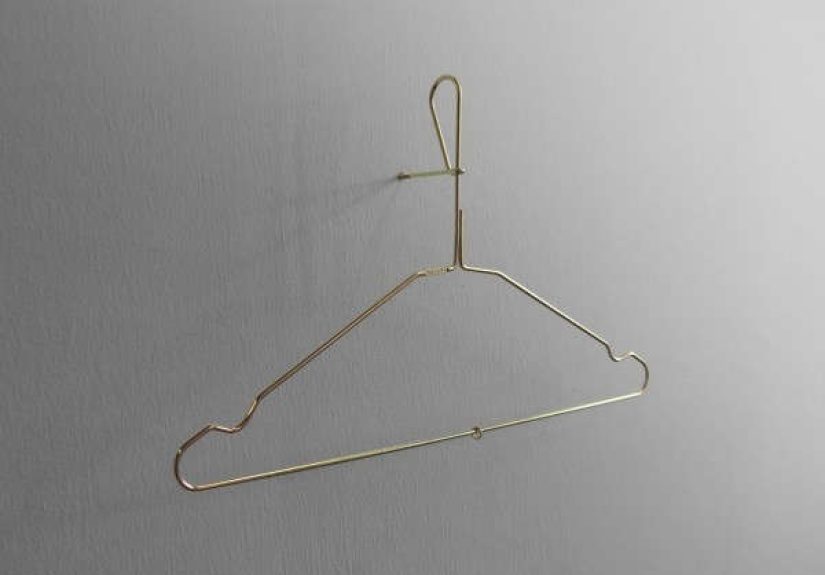
The Bless Wall Screw Hanger is a designer wall-mounted hanger made from steel with a clean, industrial vibe.
It’s designed to screw directly into a wall, and it’s meant to pull double duty: hang your stuff
and look interesting while doing it. Think “minimal sculpture” that also holds your coat.
Quick product snapshot
- Type: Wall-mounted screw-in hanger (functional hook + decorative object)
- Material: Steel (industrial/galvanized-style finish)
- Common uses: Garments, bags, hats, scarves; also works as a wall accent
- Design note: Often credited to designer Bastian Goecke under the Bless label
Why This Hook Is Different (And Why That Matters When Installing)
Most hooks are tiny and forgiving: one screw, one stud (if you’re lucky), and you’re done.
The Bless Wall Screw Hanger is more like a statement piecemeaning you’ll probably care about
alignment, placement, and how it sits on the wall. And because you’ll actually use it,
installation isn’t just “make it stick,” it’s “make it stick safely.”
In plain terms: a hook that looks like art invites you to hang real-life thingslike backpacks,
winter coats, and the tote bag that somehow weighs as much as a small planet. That’s where wall
type and fastener choice become the difference between “clean entryway” and “surprise drywall surgery.”
Know Your Wall Like You Know Your Coffee Order
Before you grab a drill, figure out what you’re mounting into. The right fastener depends less on
the hook and more on the wall behind it.
Drywall (most common in U.S. homes)
Drywall is basically compressed chalk with paper confidence. It’s fine for light loads, but for anything
heavier than a small framed print, you’ll want either a stud or a drywall anchor.
Studs (wood framing behind drywall)
A stud is the gold standard. If you can hit a stud, you get stronger holding power and fewer weird surprises.
For heavier everyday loads (coats, bags, repeated use), studs are your best friend.
Plaster (older homes)
Plaster walls can be strong, but they’re also more brittle and unpredictable. Drilling needs patience,
the right bit, and ideally a plan that avoids cracking. When in doubt, choose hardware designed for plaster
or anchor into solid framing.
Masonry (brick, concrete, block)
Totally doable, but it’s a different tool day. You’ll need masonry bits and anchors made for concrete/brick.
The upside: once it’s in correctly, it’s very solid.
Fastener Strategy: The Simple Decision Tree
Here’s the rule that saves walls (and weekends): match the fastener to the wall and the load.
Also remember that weight ratings on packages often assume ideal conditions, and loads that stick out from the
wall (like shelves or hooks holding bulky items) can reduce real-world capacity.
If you can mount into a stud
- Use an appropriate screw for wood framing (often a sturdy wood screw, sized to the hanger’s mounting design).
- Drill a pilot hole to prevent splitting and make driving easier.
- Make sure the screw penetrates the stud sufficiently for strength.
If you cannot hit a stud (drywall situation)
Choose an anchor based on what you’re actually hangingnot your best intentions.
-
Self-drilling/threaded drywall anchors: Great for light-to-medium loads and quick installs.
They’re popular for hooks, small racks, and lighter everyday items. -
Molly bolts (hollow-wall anchors): A strong option for medium loads; they expand behind the wall
and distribute force better than basic plastic anchors. -
Toggle bolts / strap toggles: Often the heavyweight champs for hollow walls, especially when you
need serious holding power and stability.
If your plan is “hang a heavy backpack daily,” treat it like a heavier job. If your plan is “hang a scarf,”
you can chill a little.
How to Install a Bless Wall Screw Hanger (Step-by-Step)
The goal is a clean, secure mount that doesn’t wobble, doesn’t rip out, and doesn’t make you swear at drywall dust.
Tools you’ll actually use
- Stud finder (for drywall over framing)
- Level (or a level app if you trust your phone more than your instincts)
- Pencil and painter’s tape (tape helps you mark without scarring the wall)
- Drill + bits (plus masonry bit if installing into brick/concrete)
- Screwdriver
- Appropriate anchors (if not mounting into a stud)
Step 1: Pick placement like a person who lives there
Decide what you’re hanging. A “coat hook” height is different from a “bag drop zone” height.
For entryways, many people land around shoulder height so items hang without dragging the wall.
Use painter’s tape to mock the footprint if you’re unsure.
Step 2: Find a stud (and celebrate if you do)
Run the stud finder, mark stud edges, then mark the center. If the hanger lands where you want and there’s a stud
behind it, you just unlocked the “strong and simple” path.
Step 3: If no stud, choose anchors intentionally
Pick an anchor that matches the load and the wall type. For a hook that will see repeat use and heavier items,
consider sturdier hollow-wall solutions rather than basic plastic plugs.
Step 4: Drill the right hole (not the “close enough” hole)
Follow the anchor’s required hole size. Too small and the anchor won’t seat correctly. Too large and the anchor
can spin, wobble, or fail. This is the part where precision pays rent.
Step 5: Set the anchor or drive into the stud
- Stud mount: Drill a pilot hole, then drive the screw securely.
- Anchor mount: Install the anchor flush and stable, then add the screw as directed.
Step 6: Mount the hanger and test gently
Tighten until secure, but don’t over-tighten and crush drywall. Test with a light tug, then load gradually.
Your wall should not make crunching sounds. Crunching sounds are drywall’s way of filing a complaint.
How Much Can It Hold? The Honest Answer
The honest answer is: it depends on the wall, the fastener, and how the load behaves. A flat picture frame
is a cooperative citizen. A backpack that swings when someone drops it is a tiny wrecking ball.
Practical safety habits:
- Choose hardware rated above the weight you expect to hang (with a comfortable margin).
- Remember that items projecting from the wall can reduce effective capacity.
- If it’s heavy and used daily, prioritize studs or heavy-duty hollow-wall anchors.
- If you’re hanging anything truly heavy or valuable, consider professional installation.
Style Ideas: Make It Look Intentional (Not Like a Panic Hook)
The Bless Wall Screw Hanger shines when you treat it like both hardware and decor. A few smart setups:
Entryway “drop zone”
Install one at a consistent height, add a small tray beneath for keys, and you’ve basically created a
“leaving the house” ritual station. Bonus: fewer frantic pockets-to-couch excavations.
Bedroom “tomorrow outfit” hook
Use it to hang a jacket, a belt, or your “I’m not folding this, but it’s not dirty” outfit.
(That category deserves infrastructure.)
Bathroom robe hook (with common sense)
If it’s in a steamy zone, keep an eye on finishes and wipe moisture down occasionally.
For very damp bathrooms, consider placement away from direct shower spray.
Gallery wall contrast
Pair it near framed art to break up rectangles with something sculpturalespecially if your wall looks like
it’s auditioning to be a museum.
Removal and Wall Repair (Because Life Happens)
If you ever move it, removal depends on what’s behind it. Stud mounts are straightforward: back the screw out,
patch the hole, and touch up paint. Anchors vary:
- Plastic anchors: Some can be pulled; others are best pushed into the wall cavity and patched.
- Threaded/self-drilling anchors: Often reverse out with a screwdriver.
- Toggle-style anchors: You typically remove the bolt and the toggle drops behind the wall.
Patch with spackle, sand lightly, prime if needed, and repaint. The wall will forgive you. Eventually.
Common Questions
Can I install it in drywall without a stud?
Yesuse the right drywall anchor system for your expected load. For heavier, repeated use, consider heavy-duty
hollow-wall anchors instead of basic plastic plugs.
Will it work on plaster?
Often, yes, but plaster demands more care (proper bits, gentle drilling, and anchors suitable for the wall).
If the wall is old or fragile, anchoring into framing can be safer.
Is this more “design object” than “hardworking hook”?
It can be both. Treat it like real hardware during installation, and it can behave like real hardware in daily life.
The difference is you’ll actually enjoy looking at it.
Conclusion
The Bless Wall Screw Hanger is proof that practical objects don’t have to look practical.
Install it thoughtfullyideally into a stud or with a properly chosen anchorand it can handle everyday life
while making your wall look like it has taste and boundaries.
If you take only one thing from this guide, make it this: the hanger is the fun part; the fastener is the safety part.
Get both right, and you’ll have a hook that works hard and looks good doing it.
Real-World Experiences: What People Learn After Installing a Bless Wall Screw Hanger
Here’s the funny thing about wall hooks: you don’t really know what you need until you live with one for a while.
In design photos, a hook holds a single chic jacket that has clearly never encountered rain. In real homes,
the hook becomes a magnet for whatever is currently in someone’s handshoodies, tote bags, dog leashes,
and that one backpack that somehow contains three water bottles and a novel.
One of the most common “aha” moments is realizing that studs rarely line up with your perfect aesthetic plan.
You mark the ideal spot, run the stud finder, and the stud is sitting two inches to the left like,
“I heard you like symmetry, but I chose chaos.” People who end up happiest are the ones who decide early:
either commit to the stud location for maximum strength, or commit to a serious anchor setup that matches the load.
That decision alone reduces wobble, wall damage, and the slow dread of hearing drywall crackle every time someone
hangs a winter coat.
Another real-life lesson: hooks invite habits. If the hanger is near the door, it becomes a “drop zone.”
That’s greatuntil it turns into a “drop pile.” Some households solve this by giving the hook a specific job:
“This is the bag hook,” or “This is the dog-walk hook,” and suddenly the entryway stops acting like a
lost-and-found bin. Others pair it with a small tray or basket underneath, which is basically admitting,
“Yes, we are human, and yes, we own loose objects.”
People also discover that the most annoying part of wall hardware is rarely installationit’s micro-adjustments.
The Bless Wall Screw Hanger is visually bold, so a slight tilt can feel more obvious than it would on a basic hook.
The fix is simple: level early, mark carefully, and don’t rush. But the experience teaches a broader truth:
if you want something to look “effortless,” you usually need to be a little effortful once.
Then there’s the “load reality check.” Plenty of folks start with “I’ll only hang light stuff,” and within a week
the hook is holding a heavy tote, a jacket, and a hatlike a tiny wall-based juggler. The experience tends to
nudge people toward better habits: hang heavier items closer to the wall (less leverage), avoid yanking things off
like you’re starting a lawnmower, and reserve “serious weight” for studs or heavy-duty anchors.
Finally, there’s a quiet satisfaction that comes from living with a hook that’s also a design object:
it makes everyday routines feel a bit more intentional. You hang your coat, you see a sculptural shape on the wall,
and for one second your home feels less like a storage unit and more like a place you chose on purpose.
That’s not just decorit’s function with personality. And honestly, your walls deserve a little personality.