Table of Contents >> Show >> Hide
- What Is Blackcreek Mercantile & Trading Co.'s Cutting Board Oil?
- Why Cutting Board Oil Matters More Than People Think
- What Makes Blackcreek’s Formula Different?
- How to Use Blackcreek Mercantile & Trading Co.'s Cutting Board Oil
- When Should You Re-Oil Your Cutting Board?
- How It Compares With Other Board-Care Approaches
- Who Should Buy It?
- Things to Keep in Mind Before You Use It
- Final Verdict
- Real-World Experiences With Blackcreek Mercantile & Trading Co.'s Cutting Board Oil
Some kitchen products are loud. They arrive with giant promises, glossy packaging, and the sort of marketing language that sounds like it should be narrated by a movie-trailer voice. Cutting board oil is not usually one of those products. It is, in theory, the quiet kid in the corner. But Blackcreek Mercantile & Trading Co.’s Cutting Board Oil manages to make wood care feel a little more thoughtful, a little more refined, and a lot less like a chore you only remember after your cutting board starts looking like a dried lake bed.
That matters because wood cutting boards are not just pretty slabs that make your kitchen look like it belongs in a magazine spread. They are working tools. They handle moisture, knives, acidic foods, garlic, onions, and whatever heroic amount of lemon zest you decided was necessary last weekend. Good board oil helps protect the wood from drying out, cracking, warping, and absorbing odors. Great board oil does all that while fitting into the way real people actually live and cook.
Blackcreek’s formula stands out because it is not positioned as a generic bottle of “some oil, somewhere.” It is part of a broader philosophy around wooden kitchen tools: use natural materials, care for them well, and they will age with character instead of falling apart in a dramatic puddle of regret. In this article, we will look at what makes this product interesting, how it compares with standard cutting board care options, how to use it properly, and why it has earned attention among people who want their kitchen tools to last.
What Is Blackcreek Mercantile & Trading Co.’s Cutting Board Oil?
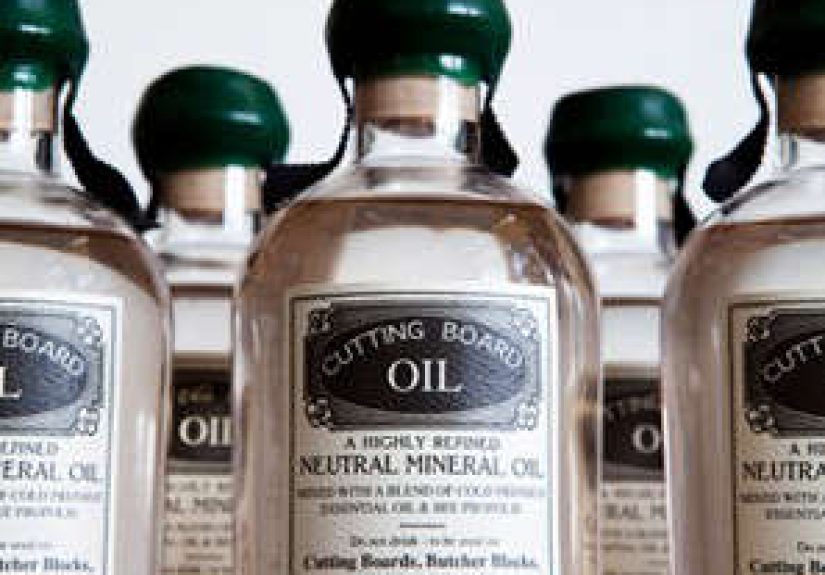
Blackcreek Mercantile & Trading Co. is known for handcrafted wooden goods, and its cutting board oil is designed specifically for wood items used in the kitchen. The formula is notable for combining white mineral oil with cold-pressed essential oils and bee propolis. It is offered in two aromatic versions: lemon and rosemary. In a market crowded with plain food-safe mineral oil and wax blends, that gives Blackcreek’s product a more distinctive identity.
In practical terms, this means the oil is trying to do two jobs at once. First, it serves the core function expected from a food-safe cutting board oil: helping wood maintain a healthier moisture balance and reducing the chance of dryness, splitting, and premature wear. Second, it adds a sensory layer that many ultra-basic maintenance oils ignore. If you appreciate handmade kitchen goods, subtle scent options, and the feeling that the object on your counter was made by humans rather than by an anonymous conveyor belt at 3:14 a.m., Blackcreek’s product will probably speak your language.
Why Cutting Board Oil Matters More Than People Think
Wood is durable, but it is also porous and responsive to its environment. That is part of its appeal. It has warmth, texture, and character. It is also why a wooden cutting board can go from gorgeous to tired-looking if you treat it like a dishwasher-safe plastic tray with a superiority complex.
Regular oiling helps wood stay conditioned. When a board repeatedly gets wet, dries out, gets scrubbed, dries out again, and then sits next to a stove or near a sunny window, the fibers lose balance. That is when you start seeing a dull finish, raised grain, tiny cracks, or edges that look rougher than they did when the board first arrived. A proper wood cutting board oil works by penetrating the surface and helping the board resist this cycle.
This is also why experts and brands across the wood-care category keep repeating the same advice: do not soak a board, do not run it through the dishwasher, and do not smear it with random cooking oils from the pantry. Olive oil belongs on bread. It does not belong on your walnut or maple board, unless your goal is to create a sticky, stale-smelling science project.
What Makes Blackcreek’s Formula Different?
1. It goes beyond plain mineral oil
Many cutting board oils are basically straightforward white mineral oil, sometimes with beeswax. That approach works, and there is a reason it has been common for years: food-grade mineral oil is stable, widely used for board care, and does not go rancid the way many edible oils can. Blackcreek keeps that dependable base but adds essential oils and bee propolis, giving the formula a more artisanal profile.
2. It feels like a premium maker’s product
There is a difference between buying an industrial maintenance item and buying something from a woodworking brand that clearly cares how the product feels, smells, and fits into the ritual of use. Blackcreek’s cutting board oil is part of the company’s larger ecosystem of wooden boards and kitchen objects, which gives it a stronger sense of purpose than a generic bottle pulled from the hardware-adjacent aisle of the internet.
3. It matches the brand’s own board-care philosophy
Blackcreek’s maple cutting boards are sold pre-finished with the company’s own oil. That matters. It suggests the oil is not an afterthought or add-on product; it is part of how the brand expects its boards to live, age, and be maintained over time. For buyers who like using the maker’s own care product rather than experimenting with substitutes, that is a strong point in its favor.
How to Use Blackcreek Mercantile & Trading Co.’s Cutting Board Oil
Using a premium board oil does not require monk-level patience or a workshop apron. It is simple, but technique matters.
Start with a clean, fully dry board
Wash the board with warm water and mild soap, then dry it well. Let it air-dry completely before applying oil. This part is important. Oiling a damp board is like putting lotion on right after jumping into a pool and expecting a miracle. Give the wood a chance to dry first.
Apply a liberal first coat
Use a soft cloth or clean paper towel and spread the oil across the entire surface, including edges, handles, and the reverse side. Wood likes consistency. If only one side gets the spa treatment, the other side may not appreciate the neglect.
Let the oil absorb
Allow the oil to soak in for several hours or overnight. Newer, drier, or recently sanded boards may drink up more than you expect. That is normal. Some boards act thirsty because, frankly, they are thirsty.
Wipe away excess
After the board has absorbed what it needs, wipe off any extra oil with a clean cloth. You want the surface nourished, not greasy.
Repeat as needed
For a board that is new, especially dry, or heavily used, repeat the process a few times close together. After that, settle into a maintenance routine. For many households, once every few weeks or about once a month is a reasonable baseline. In dry climates, during winter heating season, or with frequent washing, you may need to oil more often.
When Should You Re-Oil Your Cutting Board?
The best schedule is not just a date on a calendar. It is also visual. If your board looks chalky, pale, rough, or thirsty, it is time. If water stops beading and immediately sinks into the surface, it is time. If the grain feels dry and tired, yes, it is time.
That said, here is a useful real-world rhythm:
- Heavy daily use: every 2 to 3 weeks
- Moderate household use: about once a month
- Occasional use or decorative serving boards: every 4 to 6 weeks, or when dryness appears
A board that gets washed frequently, exposed to heat, or stored upright near a dry vent may need more attention. A board that mostly handles fruit, bread, and the occasional cheese-and-cracker victory lap may need less.
How It Compares With Other Board-Care Approaches
Blackcreek oil vs plain mineral oil
Plain mineral oil is the classic, reliable option. It is affordable, familiar, and effective. Blackcreek’s oil likely appeals most to people who want that same practical conditioning benefit but with a more crafted formula, more personality, and a brand story tied directly to handcrafted wood goods. If plain mineral oil is the sensible sedan, Blackcreek is the wagon with leather seats and better music taste.
Blackcreek oil vs oil-and-wax conditioners
Some products combine mineral oil with beeswax or other waxes to create a thicker conditioner that leaves more of a surface barrier. Those can be excellent for a final polishing step or for boards going into storage. Blackcreek’s formula leans into penetration and conditioning first, which makes it especially useful as part of routine maintenance. Many wood enthusiasts use an oil for regular care and a heavier board cream or wax occasionally for extra protection.
Blackcreek oil vs plant-based alternatives
There are now plant-based cutting board oils on the market as well, aimed at shoppers who want alternatives to mineral oil. Those options can work, but stability and formulation matter. The reason mineral-oil-based products remain so common is that they are dependable and resistant to rancidity. Blackcreek’s formula stays grounded in that familiar performance while adding more character than a plain bottle typically offers.
Who Should Buy It?
Blackcreek Mercantile & Trading Co.’s Cutting Board Oil makes the most sense for a few kinds of buyers.
First, it is a strong fit for people who already own a Blackcreek board or another high-quality wooden board and want a maintenance product that feels equally well made. Second, it is ideal for shoppers who value craftsmanship and are willing to pay a little more for a product that feels intentional rather than generic. Third, it suits anyone who enjoys subtle sensory details in kitchen care items. The lemon and rosemary options give this oil a more elevated personality than unscented commodity mineral oil.
It may be less ideal for people who want the cheapest possible maintenance product and do not care about brand alignment, formulation details, or scent. If your only metric is cost-per-ounce, a plain food-grade mineral oil may be enough. But if you care how the experience feels in use, Blackcreek has a stronger case.
Things to Keep in Mind Before You Use It
Because the formula includes essential oils and bee propolis, ingredient awareness matters. If you are sensitive to citrus, rosemary, or bee-derived ingredients, read the product details carefully before applying it. This is not the product’s flaw; it is simply part of using a more distinctive formula rather than a stripped-down one-note oil.
It is also smart to remember that even the best cutting board conditioner cannot rescue bad habits all by itself. If you soak your board in water, leave it flat on a wet counter, or send it through the dishwasher because you are “in a rush just this once,” your cutting board will remember. Wood has a long memory and a dramatic way of expressing disappointment.
Final Verdict
Blackcreek Mercantile & Trading Co.’s Cutting Board Oil succeeds because it treats board care as part maintenance, part ritual, and part respect for material. At the functional level, it supports what every good cutting board oil should do: help wood resist drying, reduce the risk of cracking, and keep kitchen tools looking and working better over time. At the brand level, it feels aligned with handcrafted wood objects and the slower, more intentional kind of home life many buyers are trying to build.
It is not merely a bottle of oil. It is a premium care product for people who see their wooden boards as long-term tools rather than disposable kitchen props. If that sounds like you, this oil is easy to appreciate. And if your cutting board has been looking a little dull lately, this may be the product that helps it stop looking like it has been through an emotional winter.
Real-World Experiences With Blackcreek Mercantile & Trading Co.’s Cutting Board Oil
What does using this oil actually feel like over time? In many kitchens, the answer is less dramatic than a “before and after” ad and more satisfying than that. The first thing people usually notice is appearance. A dry maple or walnut board often looks flat and tired, almost dusty even when it is technically clean. After a proper coat of cutting board oil, the grain wakes up. The color deepens, the surface looks healthier, and the board starts reminding you why you bought wood in the first place.
There is also a tactile difference that frequent cooks tend to appreciate. A neglected board can feel rough, papery, or uneven when you run your hand across it. After conditioning, the surface tends to feel more settled and comfortable, not slick in a greasy way, but calmer and more finished. That sounds slightly ridiculous until you experience it yourself. Then you realize your cutting board really can go from “overworked line cook” to “slept eight hours and drank water.”
For home cooks who prep every day, maintenance becomes a rhythm instead of a burden. You wash the board, dry it well, oil it at the end of the evening, and by morning it looks refreshed. That routine feels especially rewarding on boards you use constantly for produce, herbs, bread, and cooked foods. The board starts to age gracefully instead of randomly. Knife marks still happen, because wood is not magic, but they seem to sit inside a better-kept surface.
People who entertain often notice something else: a well-oiled board does not just function better; it presents better. Serving bread, cheese, fruit, or charcuterie on a board that has been cared for properly changes the whole look of the spread. The board appears richer and more intentional. Guests may not say, “Ah yes, I see you maintain your wood with commitment,” but they do notice when everything looks polished and inviting.
Gift-givers also tend to love products like this because a beautiful board and a bottle of proper oil make sense together. It turns a one-time gift into a longer story. Instead of saying, “Here is a cutting board, good luck,” it says, “Here is a cutting board, and here is how you keep it beautiful.” That is a smarter gift. It is also a gentle way of preventing the future tragedy of seeing your carefully chosen board dried out six months later because somebody thought coconut oil from the pantry was “basically the same thing.” It is not.
Perhaps the most meaningful experience, though, is the long-term one. Boards that are cleaned properly, dried thoroughly, and oiled consistently simply age better. They develop use marks, yes, but also depth and familiarity. They start to feel like part of the kitchen rather than something temporarily occupying counter space. In that sense, Blackcreek Mercantile & Trading Co.’s Cutting Board Oil is not just about shine. It is about extending the useful, good-looking life of an object you touch almost every day. And in a world full of disposable stuff, that is a small but genuinely satisfying win.
Note: This article is informational and based on current product details and general U.S. wood-care guidance. Always follow the care instructions for your specific board and patch-test any oil on a small area if you are unsure about compatibility or ingredient sensitivity.