Table of Contents >> Show >> Hide
- What Is Big Heart Little Stove?
- The Erin French Approach: Simple Food, Deep Care
- Why Big Heart Little Stove Works for Home Cooks
- The Hospitality Lessons Behind Big Heart Little Stove
- How to Cook in the Big Heart Little Stove Spirit
- Big Heart Little Stove Menu Ideas
- Food Safety Still Belongs at the Pretty Table
- Why Readers Connect With Big Heart Little Stove
- Experiences Related to Big Heart Little Stove
- Conclusion: A Big-Hearted Way to Cook at Home
Big Heart Little Stove is the kind of title that sounds like it belongs on a hand-painted sign above a cozy kitchen door. It is warm, charming, slightly old-fashioned, and quietly confident. But behind those four small words is a much bigger idea: you do not need a massive kitchen, a restaurant-sized budget, or twelve matching linen napkins to make people feel cared for. Sometimes all you need is a good pot, a thoughtful menu, and enough heart to make the table feel like the best seat in town.
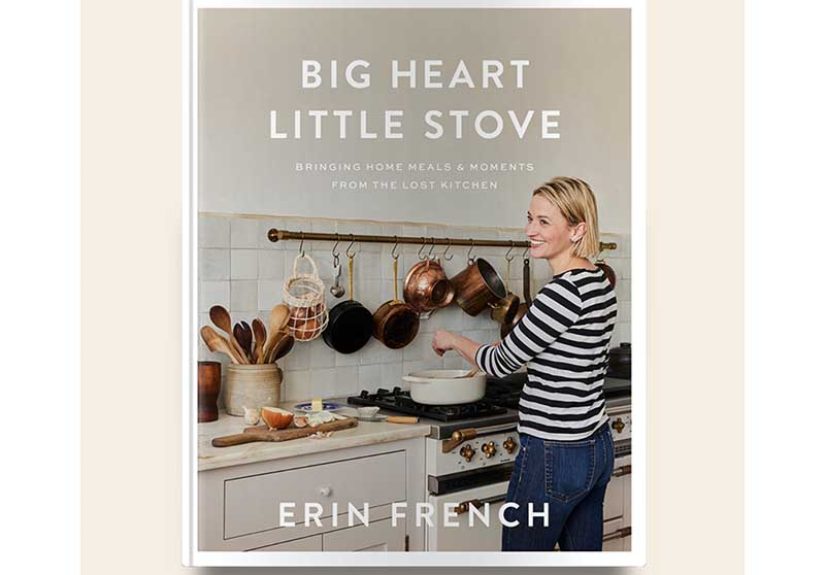
The phrase is most closely associated with Big Heart Little Stove: Bringing Home Meals & Moments from The Lost Kitchen, the cookbook by Erin French, the self-taught cook and owner of The Lost Kitchen in Freedom, Maine. Known for seasonal food, a famously hard-to-get reservation system, and hospitality that feels deeply personal, French has built a world where dinner is not just something placed on plates. It is a memory, a mood, a story, and occasionally a very good excuse to use the pretty bowl you have been saving for “someday.”
This article explores what makes Big Heart Little Stove special, why its philosophy resonates with home cooks, and how you can bring its lessons into your own kitchen without turning your house into a five-hour tasting-menu operation. Nobody has time to polish forks with tweezers on a Tuesday.
What Is Big Heart Little Stove?
Big Heart Little Stove is more than a cookbook title. It is a philosophy of cooking and entertaining built around warmth, simplicity, seasonality, and attention to detail. Erin French’s book brings together more than 75 recipes inspired by her family recipe box, her Maine roots, and the atmosphere of The Lost Kitchen. The recipes range from nibbles and soups to salads, main courses, kitchen staples, drinks, brunch treats, and desserts that make guests feel as though someone quietly put extra care into the day.
The book includes dishes such as Pecorino Puffs, Gram’s Clam Dip, Golden Tomato and Peach Soup, Potato and Lentil Soup with Bacon and Herbs, Peach and Blackberry Salad, Green Beans with Sage, Garlic, and Breadcrumbs, Pickle-Brined Roast Chicken, Wednesday Night Fish Fry, Kitchen Sink Pesto, Floral Vinegar, Salted Caramel Custards, Roasted Peach Pie, Sunday Skillet Cakes, and Little Nutmeg Diner Donuts. The list itself reads like a polite invitation to cancel your plans and preheat the oven.
A Cookbook About Food and Feeling
Many cookbooks teach you how to cook. Big Heart Little Stove goes a step further by teaching you how to host. That does not mean stiff dinner-party rules or impossible table settings. Instead, it focuses on small gestures: setting a table with found objects, bringing flowers or edible petals into the room, offering guests something cool on a hot day, or turning a simple meal into an experience through thoughtfulness.
The heart of the book is the belief that meals matter because people matter. A bowl of soup can become comfort. A roast chicken can become a celebration. A plate of donuts can turn a sleepy weekend morning into a family tradition. The food is important, yes, but the feeling around the food is the real secret ingredient.
The Erin French Approach: Simple Food, Deep Care
Erin French’s cooking style is often described as simple, seasonal, and honest. She grew up in Freedom, Maine, helping in her father’s diner, and she later built her reputation as a self-taught cook with a strong sense of place. The Lost Kitchen, housed in a historic mill, became famous not only for its food but also for its atmosphere: rustic, intimate, and deeply connected to local ingredients.
What makes the Erin French cookbook approach appealing is that it does not talk down to home cooks. It does not insist that dinner must be perfect. It encourages intuition. Season to taste. Use what you have. Make the table beautiful without making yourself miserable. A sprig of herbs, a thrifted plate, or a pitcher of something fruity can do more for the mood than a dozen overly complicated techniques.
Why The Lost Kitchen Matters to the Story
The Lost Kitchen is famously difficult to get into, with hopeful diners sending postcards for a chance at a table. That detail has become part of the restaurant’s mythology, but the larger lesson is more useful for everyday cooks: people crave food that feels personal. They want meals that seem made by a human being, not assembled by a spreadsheet.
Big Heart Little Stove brings that spirit home. It says, in effect, “Maybe you cannot get a seat in Freedom, Maine, but you can create a little Lost Kitchen feeling in your own dining room.” That feeling does not require a restored mill, a professional staff, or a postcard lottery. It requires presence, generosity, and good butter. Good butter rarely hurts.
Why Big Heart Little Stove Works for Home Cooks
The best home-cooking books understand real life. Real people cook with children asking questions, dogs circling the kitchen like tiny unpaid inspectors, and someone always opening the refrigerator just when you need to reach the cream. A useful cookbook has to make room for imperfection.
Big Heart Little Stove works because it balances elegance with approachability. It offers recipes that feel special but not fussy. A soup can be beautiful without requiring three strainers and a culinary degree. A salad can be memorable because the fruit is ripe, the herbs are fresh, and the dressing has personality. A dessert can say “I adore you” without requiring architectural engineering.
Small-Kitchen Friendly, Big-Flavor Thinking
The title itself reminds cooks that a little stove can still produce a big meal. This is encouraging for apartment dwellers, renters, new cooks, and anyone whose kitchen counter space disappears the moment a cutting board enters the room. You do not need endless gadgets. You need reliable tools, quality ingredients, and a plan that does not require every burner at once.
For example, a smart Big Heart Little Stove-style menu might begin with a dip or small bite that can be made ahead, followed by a soup warming gently on the stove, a roast chicken or fish dish as the centerpiece, and a dessert that waits calmly in the refrigerator. That kind of menu gives the host breathing room. And breathing room is essential, because nobody wants to be welcomed at the door by a person holding tongs and whispering, “Everything is fine,” while clearly everything is not fine.
The Hospitality Lessons Behind Big Heart Little Stove
The strongest message in Big Heart Little Stove is that hospitality is not performance. It is care. The goal is not to impress people into silence. The goal is to make them relax, eat well, and feel included. A meal should not feel like a test. It should feel like an invitation.
This is where the book’s “meals and moments” concept becomes powerful. Food creates the structure, but the little details create the memory. A handwritten menu, a jar of garden flowers, a bowl of warm rolls, a small dessert brought out with coffee, or a chilled cloth on a hot afternoon can make guests feel remembered before they even know what is for dinner.
Use What You Have
One of the most refreshing ideas connected to The Lost Kitchen style is using what is already around you. This might mean local produce, herbs from a windowsill, wildflowers from the yard, mismatched plates from a flea market, or a favorite serving spoon that has survived three moves and one suspicious dishwasher incident.
Instead of chasing a showroom-perfect table, aim for a table with personality. A slightly uneven stack of handmade plates can feel more welcoming than a rigid formal setting. Linen napkins do not need to match. Candles do not need to be expensive. The point is to create a space where people want to linger.
How to Cook in the Big Heart Little Stove Spirit
You do not need to follow every recipe in the book to borrow its spirit. The approach can be translated into everyday cooking, holiday hosting, brunch with friends, weeknight dinners, or a quiet meal for two. The method is simple: choose seasonal ingredients, cook with restraint, add one thoughtful detail, and let the meal feel human.
1. Start With One Honest Ingredient
A great meal often begins with one ingredient worth building around: summer peaches, fresh corn, tender herbs, good eggs, local greens, wild blueberries, dayboat scallops, or a loaf of bread that smells like it has excellent life advice. When the starting point is strong, the cooking can be simpler.
Instead of asking, “What complicated thing can I make?” ask, “What tastes best right now?” That shift leads to better food and less stress. Tomato season wants tomato salad. Cold weather wants soup. A lazy Sunday wants skillet cakes. Your kitchen does not need to fight the calendar.
2. Build a Menu That Lets You Enjoy Your Own Party
A thoughtful menu includes at least one make-ahead dish, one dish that can be served at room temperature, and one centerpiece that does not require you to disappear for half the evening. Dips, salads, soups, custards, pies, and pantry sauces are useful because they give you control over timing.
This is especially important for small kitchens. A tiny stove can handle a beautiful dinner when the host stops trying to cook six hot items at once. Let the oven do some work. Let the refrigerator do some work. Let guests pour their own drinks. Delegation is not laziness; it is hospitality with boundaries.
3. Add One Signature Touch
The “signature touch” is where a meal becomes memorable. It might be floral vinegar splashed over a salad, herb butter melting over fish, toasted breadcrumbs on green beans, a pitcher of fruit shrub, or edible flowers scattered over dessert. The detail does not need to be expensive. It only needs to feel intentional.
A good rule: choose one thing that makes guests say, “Oh, that’s lovely.” Not five things. Five lovely things can accidentally become a craft fair. One is enough.
Big Heart Little Stove Menu Ideas
If you want to plan a meal inspired by Big Heart Little Stove, think in layers: welcome, comfort, centerpiece, freshness, sweetness. A balanced meal does not need to be huge. It needs rhythm.
A Cozy Fall Dinner
Begin with a warm dip and crisp vegetables. Serve a pot of carrot or squash soup with toasted spices. Make roast chicken with a bright herb sauce, then add roasted root vegetables and a crunchy green salad. Finish with custards or a simple fruit pie. The mood is golden, candlelit, and happily sweater-adjacent.
A Summer Supper
Start with chilled drinks, sliced tomatoes, and a fresh cheese or seafood bite. Serve grilled fish or a Wednesday-night-style fish fry with herbs, lemon, and a big platter of seasonal salad. Add berries and cream or peach pie for dessert. Keep the table loose, colorful, and breezy. If a napkin blows away, consider it part of the decor.
A Weekend Brunch
Brunch is where the little stove earns applause. Try skillet cakes, baked eggs, popovers, fresh fruit, jam, and hot coffee. Add one unexpected detail, such as citrus butter, maple cream, or tiny flowers on the table. Brunch should feel relaxed, not like breakfast wearing a tuxedo.
Food Safety Still Belongs at the Pretty Table
Warm hospitality should also be safe hospitality. The most beautiful spread in the world loses its charm if the potato salad has been sunbathing for four hours. When hosting, follow basic food safety habits: wash hands and surfaces often, keep raw meat and seafood separate from ready-to-eat foods, cook proteins to safe temperatures, and refrigerate leftovers promptly.
For parties, use smaller serving platters and replenish them instead of leaving everything out all afternoon. Keep cold foods cold and hot foods hot. Label leftovers if you are sending guests home with containers. Nothing says “I care about you” quite like dessert in a clean jar and no foodborne drama.
Why Readers Connect With Big Heart Little Stove
Readers connect with Big Heart Little Stove because it respects the emotional side of cooking. Many people do not cook only because they are hungry. They cook because they miss someone, love someone, want to celebrate, need comfort, or are trying to turn a difficult week into something softer.
The book also arrives at a time when many home cooks are tired of perfection. Social media has made dinner look like a competitive sport, complete with overhead lighting and suspiciously clean countertops. The Big Heart Little Stove mindset pushes back. It says the best meals are not always flawless. They are generous, seasonal, thoughtful, and alive.
Experiences Related to Big Heart Little Stove
The experience of Big Heart Little Stove begins before the cooking starts. It begins with the decision to feed people in a way that feels personal. Imagine a small kitchen on a late afternoon. The counter is not huge. In fact, half of it is occupied by a cutting board, a bowl of peaches, a bunch of herbs, and a mug of coffee that has gone cold because the cook keeps forgetting it exists. The stove has only four burners, one of which has a personality problem. Still, something good is happening.
A soup simmers quietly. A tray of vegetables waits for the oven. There is a salad bowl on the table, not because the salad is ready, but because the bowl looks pretty and makes the cook feel organized. Music plays in the background. Someone arrives early and asks, “Can I help?” The correct answer is yes. Give them herbs to tear, lemons to halve, or glasses to set out. Hospitality is not ruined when guests participate. Sometimes it becomes better.
One of the most meaningful experiences related to this topic is learning that a meal does not need to be grand to be generous. A friend coming over after a hard week does not need a dramatic centerpiece. They may need a bowl of soup, warm bread, and someone who listens without checking the oven every twelve seconds. A birthday dinner does not need restaurant-level plating. It may need a favorite pie, a candle stuck slightly crooked into the crust, and everyone singing off-key with confidence.
Another Big Heart Little Stove experience is the joy of using imperfect things. Mismatched plates, old glassware, thrift-store serving dishes, and napkins in different shades can make a table feel collected rather than staged. A few flowers in a jam jar can be more touching than a formal centerpiece. A handwritten place card can make a guest smile before the first bite. These details whisper, “You were expected. You matter here.”
Cooking this way also changes the cook. It teaches patience, flexibility, and trust. If the peaches are not ripe, use berries. If the fish does not look great at the market, make chicken. If the dessert cracks, add whipped cream and call it rustic. Rustic is the home cook’s emergency exit, and it works beautifully.
The best experience of all is watching people linger. Plates empty. Glasses refill. Someone asks for the recipe. Someone else tells a story they had not planned to tell. The room gets louder, then softer. The food becomes part of the evening, but not the whole evening. That is the quiet magic behind Big Heart Little Stove: it reminds us that cooking is not only about feeding bodies. It is about making room for connection, comfort, laughter, and second helpings.
Conclusion: A Big-Hearted Way to Cook at Home
Big Heart Little Stove is a beautiful reminder that meaningful cooking does not depend on square footage, expensive equipment, or flawless execution. Its power comes from a generous way of seeing food: seasonal ingredients, simple preparations, thoughtful details, and a table that welcomes people as they are.
Whether you are inspired by Erin French, The Lost Kitchen recipes, Maine-style hospitality, cozy home cooking, or simply the idea of making dinner feel more personal, the lesson is clear. Cook with care. Use what you have. Add one small touch of beauty. Feed people in a way that makes them feel lucky to be there.