Table of Contents >> Show >> Hide
- What Makes Pho Taste Like Pho (Not Just Chicken Noodle Soup)
- The Best Instant Pot Chicken Pho Recipe (Pho Ga)
- Step-by-Step: How to Make Instant Pot Pho
- Instant Pot Chicken Pho Variations (Choose Your Adventure)
- Flavor Troubleshooting (Because Pho Has Opinions)
- Food Safety and Storage (Pho Tomorrow Is Also a Win)
- Why This Instant Pot Pho Recipe Works
- of Real-World Instant Pot Pho Experiences (The Stuff No One Tells You)
- Conclusion
If you love pho but don’t love the idea of babysitting a pot for half a day, welcome to your new best friend:
Instant Pot chicken pho (aka pho ga). The Instant Pot can deliver that signature
“pho vibe” fragrant broth, warm spices, and slippery rice noodles on a weeknight schedule.
The trick is not “pressure cook everything and hope.” The trick is layering flavor on purpose:
char the aromatics, toast the spices, build a broth that’s savory-sweet, then keep toppings fresh and bright.
Do that and your kitchen will smell like you hired a pho restaurant to live inside your walls.
What Makes Pho Taste Like Pho (Not Just Chicken Noodle Soup)
Great pho has a clean, clear-ish broth that still tastes deep. That depth comes from a few reliable moves:
- Charred onion + ginger: smoky sweetness and that unmistakable pho aroma.
- Warm spices: star anise, cinnamon, cloves, coriander, and fennel are the classic crew.
- Umami + balance: fish sauce brings depth; a little sugar (or rock sugar) rounds everything out.
- Fresh garnishes: herbs, lime, and sprouts keep each bite lively.
In the Instant Pot, you can do most of this in one vessel using Sauté first,
then Pressure Cook. It’s efficient… and it means fewer dishes, which is the true path to inner peace.
The Best Instant Pot Chicken Pho Recipe (Pho Ga)
This recipe is designed for a 6-quart Instant Pot and makes 4–6 bowls.
It’s flexible: use drumsticks for bold chicken flavor (and easy shredding), or use a whole chicken if you want
a “classic Sunday pho” feel.
Ingredients for the Pho Broth
- 2 tbsp neutral oil (canola/vegetable)
- 2 medium yellow onions, halved
- 1 large knob of ginger (about 3–4 inches), sliced lengthwise
- 6–8 chicken drumsticks (or bone-in thighs; see variations below)
- 1 small bunch cilantro (stems + leaves; you’ll use some as garnish too)
- 3 star anise pods
- 1 tsp fennel seeds
- 1 tsp coriander seeds
- 1 cinnamon stick
- 4 whole cloves
- 1/4 cup fish sauce, plus more to taste
- 2 tbsp rock sugar (or light brown/raw sugar), plus more to taste
- 2 quarts (8 cups) water
Noodles + Toppings (Build-Your-Own Bowl Bar)
- Pho rice noodles (banh pho), prepared per package
- Thinly sliced onion (white or yellow)
- Sliced scallions
- Herbs: cilantro, Thai basil, mint
- Bean sprouts
- Lime wedges
- Optional heat: sliced Thai chiles or jalapeño
- Optional sauces: hoisin and sriracha (use gentlydon’t drown the broth you worked for)
Step-by-Step: How to Make Instant Pot Pho
Step 1: Char the Onion and Ginger (Flavor Level-Up)
- Set Instant Pot to Sauté. Add oil and let it get hot.
-
Place onion halves and ginger cut-side down. Let them sit without fussing for about
5 minutes, until well charred (nearly black in spots).
This is where the “pho smell” starts. If your kitchen doesn’t suddenly feel like a cozy noodle shop,
give the aromatics another minute or two. Just don’t incinerate them into bitter sadness.
Step 2: Add Chicken + Spices + Water
- Add drumsticks (or thighs), cilantro, star anise, fennel, coriander, cinnamon, and cloves.
- Pour in 2 quarts (8 cups) water.
- Stir in fish sauce and rock sugar.
Pro move: Put spices in a tea infuser or spice bag for easy removal. It helps keep the broth tidy
and prevents someone from biting a clove and briefly questioning every decision they’ve ever made.
Step 3: Pressure Cook
- Lock the lid, set valve to sealing.
- Cook on High Pressure for 20 minutes.
- Let it naturally release for 10 minutes, then carefully quick release the rest.
While it cooks, prep toppings. This is the secret to “pho in one hour” feeling like “pho in a restaurant.”
The broth can be fast, but the bowl should still look fresh and generous.
Step 4: Strain and Season Like You Mean It
- Open the lid and transfer chicken to a plate.
- Strain broth through a fine-mesh strainer into a pot (or a large bowl). Discard solids.
- Skim off any gray foam. Leave some fatit carries aroma and makes the broth taste luxurious.
- Taste and adjust with more fish sauce and/or sugar. Add a pinch of salt if needed.
Pho broth should taste slightly stronger than you think because noodles and herbs will dilute it.
If it tastes perfect in the pot, it can taste shy in the bowl.
Step 5: Prep Noodles the Right Way (So They Don’t Turn Into Wallpaper Paste)
- Cook pho noodles according to the package.
- Rinse briefly under warm water to prevent sticking.
- Divide into bowls.
If you’re serving a crowd, cook noodles in batches. Overcooked noodles are the #1 reason home pho turns
from “slurpable” into “why is my spoon standing up on its own?”
Step 6: Assemble Bowls
- Shred chicken (or leave drumsticks whole if you like dramatic presentation).
- Top noodles with chicken, sliced onion, and scallions.
- Bring broth to a lively simmer, then ladle over bowls.
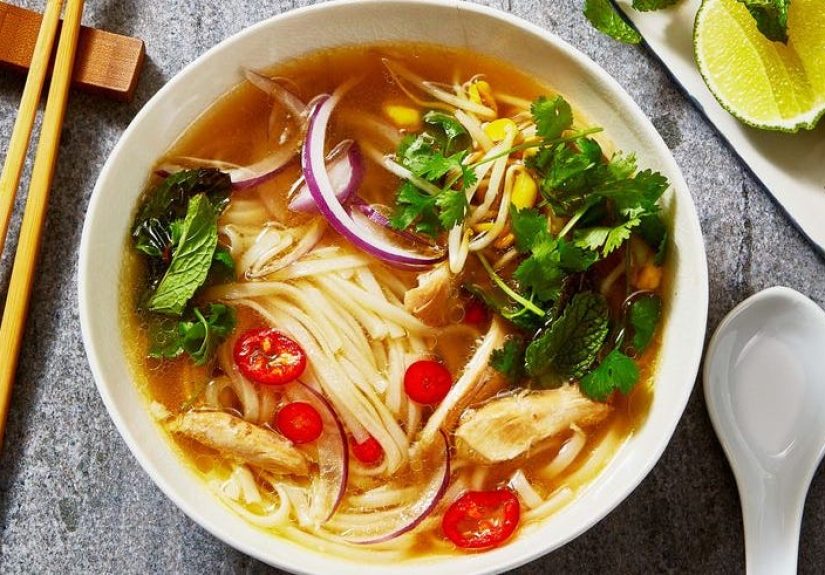
- Serve with herbs, sprouts, lime, and chiles on the side.
Instant Pot Chicken Pho Variations (Choose Your Adventure)
1) Whole Chicken “Classic” Instant Pot Pho
Want that “whole bird” vibe? Use a 3.5–4.5 lb chicken. Many pho experts recommend cooking a whole
chicken on Low Pressure for about 15 minutes with a natural release (~20 minutes),
then seasoning the strained broth at the end. It’s gentler, keeps the meat tender, and makes a clean broth.
2) Extra-Rich Broth Without Waiting All Day
- Add a couple of chicken wings or a back alongside thighs/drumsticks.
- If you have homemade chicken stock, swap part of the water for stock (but don’t overdo itpho is meant to be clear and light).
3) Shortcut “Weeknight Pho”
In a hurry? Simmer good-quality store-bought chicken broth with charred onion/ginger and spices for 20–30 minutes,
then add cooked chicken. It won’t be identical to long-simmered pho, but it can still be delicious and very “pho-adjacent.”
Flavor Troubleshooting (Because Pho Has Opinions)
“My broth tastes flat.”
- Add a little more fish sauce (start with 1 tsp at a time).
- Add a pinch more sugar/rock sugar to round the edges.
- Make sure your aromatics are truly charred, not just “warm.”
“It’s too sweet.”
- Add fish sauce or a pinch of salt to bring balance.
- Squeeze lime into the bowl (acid helps).
“The spice flavor is harsh.”
- Use fewer cloves next time (they’re powerful).
- Try pulling the spice bag right after cooking so it doesn’t continue infusing.
“My noodles got soggy.”
- Cook noodles separately and only combine at serving time.
- Store leftover noodles and broth separately for best texture.
Food Safety and Storage (Pho Tomorrow Is Also a Win)
- Chicken should reach 165°F internal temperature.
- Cool broth quickly if storing: use shallow containers and refrigerate promptly.
- Reheat broth to a simmer before serving leftovers.
Why This Instant Pot Pho Recipe Works
This method leans on the same ideas you’ll see across respected pho recipes:
charred aromatics for depth, toasted warm spices for fragrance, and finishing with fish sauce and sugar for balance.
The Instant Pot speeds extraction from chicken bones while keeping the broth from boiling aggressively, which helps
it stay pleasantly clear. The result is a bowl that’s comforting, bright, and layered not just salty chicken water
with noodles (a crime against soup).
of Real-World Instant Pot Pho Experiences (The Stuff No One Tells You)
In a lot of home kitchens, the first Instant Pot pho attempt starts with big dreams and one small fear:
“What if this tastes like spiced bathwater?” The good news is pho is actually very forgiving if you know
which knobs to turn. Most people who fall in love with this recipe do it because they learn the rhythm:
char, toast, pressure, adjust, garnish. It becomes a cozy ritual that fits into a normal day.
One common “aha” moment is realizing that the bowl is half the experience. The broth can be perfect,
but if the toppings are sad, the whole thing feels sad. When home cooks set out a little topping board herbs in one
bowl, sprouts in another, lime wedges lined up like tiny green soldiers the meal suddenly feels special. People end up
lingering at the table longer, customizing bites, and doing that happy pho slurp that sounds rude in any other context
but is basically a compliment here.
Another real-life lesson: your broth will change depending on the chicken. Drumsticks and thighs often
give you a richer, more chicken-forward pho. A whole chicken can be a little cleaner and lighter. If someone in the house
loves tender breast meat, the whole-chicken route can feel like a victory. If someone loves “fall-off-the-bone” bites,
dark meat can feel like the obvious choice. Many people end up choosing based on what’s on sale and that’s honestly
a very respectable life philosophy.
There’s also the “spice confidence curve.” The first time, people tend to under-spice because cloves and star anise look
intimidating. Then they taste the broth and think, “Oh… it’s good, but it’s not pho.” Next time they toast the spices
a bit longer, char the onion a bit darker, and suddenly the kitchen smells like the real thing. After that, they start
making tiny personal edits: a little more cinnamon in winter, extra ginger when they want a brighter broth, or an extra
squeeze of lime when the day has been long and their soul needs a reset.
And finally: leftovers. People who love Instant Pot pho often become leftover strategists. They store broth
and noodles separately, keep herbs wrapped in a damp paper towel, and reheat broth to a simmer so it’s blazing hot again.
The next-day bowl becomes a secret reward the spices mellow, the chicken relaxes, and the broth tastes even more cohesive.
It’s the kind of meal that makes you feel like you planned your life well, even if the rest of the day is pure chaos.
Conclusion
The best Instant Pot chicken pho isn’t about rushing tradition it’s about using smart technique to capture the essence:
aromatic broth, balanced seasoning, and a fresh, customizable bowl. Char the aromatics, toast the spices, season with care,
and let everyone finish their bowl their way. That’s how weeknight pho becomes a repeatable, craveable win.