Table of Contents >> Show >> Hide
- What Makes a Drow Name Feel Authentic?
- Best Female Drow Names for D&D Characters
- Best Male Drow Names for D&D Characters
- Gender-Neutral Drow Names
- Drow House Names and Clan Names
- Drow Names by Character Class
- Names Inspired by Drow Language and Lore
- How to Create Your Own Drow Name
- Quick List: 40 Best Drow Names
- Experience Notes: What Actually Works at the D&D Table
- Conclusion
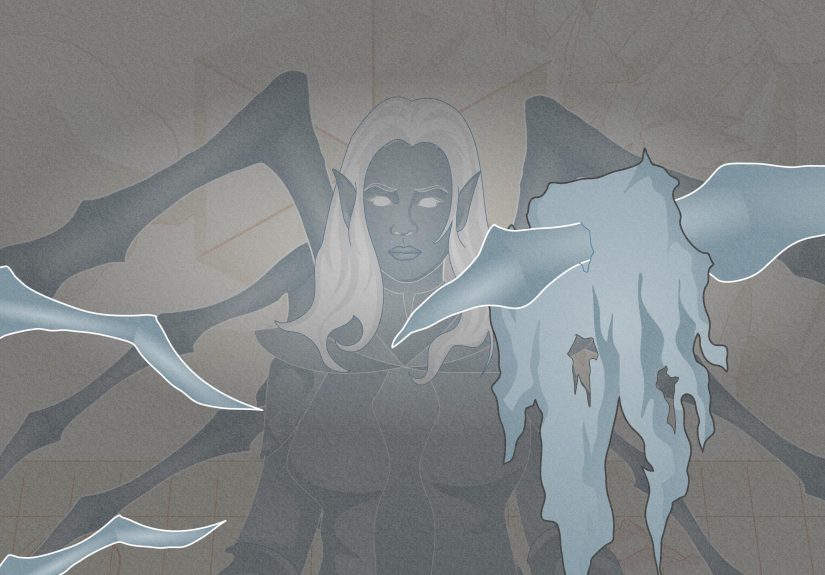
Choosing a drow name for your Dungeons & Dragons character is a little like choosing a dagger in a dark room: it should feel sharp, dramatic, and just mysterious enough to make everyone at the table lean forward. Drow, also known as dark elves, have one of the richest fantasy identities in D&D. They are tied to the Underdark, noble houses, spider symbolism, arcane ambition, silent rivalries, and the eternal question every party eventually asks: “Can we trust this person?”
The best drow names are not just pretty combinations of apostrophes and dangerous-looking letters. A great name hints at where your character came from, what they fear, what they want, and how they want others to see them. A drow rogue might need a name that whispers through alleyways. A drow cleric may need one that sounds like a prayer sharpened into a threat. A drow ranger who left the Underdark might choose a name that carries both exile and freedom.
This guide gives you strong drow name ideas for D&D characters, including male drow names, female drow names, gender-neutral drow names, noble house names, and names inspired by magic, spiders, shadow, rebellion, and redemption. The meanings below are written for roleplaying use, so you can attach story value to the name instead of simply rolling syllables like dice in a cave.
What Makes a Drow Name Feel Authentic?
Drow names usually sound elegant, severe, and slightly dangerous. They often use hard consonants, smooth vowels, apostrophes, and repeated sounds that feel old and ceremonial. Names such as Drizzt Do’Urden, Jarlaxle, Quenthel Baenre, Gromph Baenre, and Liriel Baenre have helped shape the way many players imagine drow naming style: graceful, musical, and intimidating all at once.
In many D&D settings, especially the Forgotten Realms, drow society is associated with the Underdark, matriarchal noble houses, priestesses of Lolth, dangerous politics, magical training, and intense family loyaltyor family betrayal, depending on how recently dinner was served. That does not mean every drow character must be evil, cruel, or spider-obsessed. Modern D&D tables often explore drow as complex individuals: exiles, reformers, spies, survivors, artists, mercenaries, rebels, and heroes trying to escape a reputation they never asked for.
Common Drow Naming Features
To make your drow name feel right at the table, consider these patterns:
- Elegant darkness: Names often feel graceful but shadowy, such as Veszra, Ilvara, or Zaelith.
- Sharp sounds: Letters like z, x, v, r, th, ss, and zh can add a drow-like edge.
- Apostrophes with purpose: Use them sparingly. One apostrophe can add style; five can make your character sound like a keyboard accident.
- House identity: Noble drow often carry a house name that suggests power, lineage, or political danger.
- Meaning through story: A name should support the character’s class, background, and personality.
Best Female Drow Names for D&D Characters
Female drow names often sound commanding, elegant, and aristocratic. They work especially well for clerics, sorcerers, warlocks, paladins, bards, and noble-background characters. In traditional drow society, female characters may hold religious, political, or family authority, so their names can feel regal and dangerous.
Female Drow Name Ideas and Meanings
- Veszra: “blade in the dark”; ideal for a rogue, assassin, or duelist.
- Ilvarra: “moonless queen”; perfect for a noble cleric or ambitious sorcerer.
- Zynrae: “silent web”; a great name for a spy or political manipulator.
- Malithra: “poisoned grace”; excellent for a bard, warlock, or elegant villain.
- Shaelra: “silver shadow”; good for a drow who walks between darkness and redemption.
- Xunvrae: “hidden oath”; fitting for a paladin, secret rebel, or exile.
- Quilrae: “one who watches”; strong for a ranger, scout, or divination wizard.
- Drisvaya: “daughter of defiance”; a strong pick for a drow who rejected her house.
- Aunrith: “sacred whisper”; suited to clerics, prophets, and temple-trained characters.
- Velkynna: “shadow-born”; a classic drow-style name for almost any class.
- Tazmira: “storm beneath stone”; great for a tempest cleric or evocation wizard.
- Faelith: “magic-touched”; a clean, elegant name for wizards and sorcerers.
For a character with noble roots, pair a first name with a house name. For example, Veszra Xiltyn sounds like a trained assassin from a house famous for quiet murders, while Shaelra Duskmantle feels like a noble exile trying to become something better than her family history.
Best Male Drow Names for D&D Characters
Male drow names often sound agile, clever, sharp, and dangerous. In many classic drow societies, male characters may be warriors, wizards, scouts, mercenaries, or agents of noble houses. That gives you plenty of room to create names that suggest skill, resentment, charm, or survival.
Male Drow Name Ideas and Meanings
- Ryldren: “hunter of echoes”; ideal for a ranger or gloom stalker.
- Vaelis: “silver fang”; great for a fighter, rogue, or swords bard.
- Zekryn: “knife of night”; perfect for an assassin or shadow monk.
- Jhaelor: “spell beneath silence”; excellent for a wizard or arcane trickster.
- Thalvyr: “one who survives”; strong for a fighter, ranger, or outlander.
- Drazhul: “dark flame”; fitting for a warlock or fire-focused spellcaster.
- Velkyn: “of the shadows”; simple, classic, and easy to remember.
- Solaufein: “moonlit blade”; good for a poetic warrior or tragic noble.
- Nymroth: “quiet ambition”; suited to a wizard, noble, or schemer.
- Zakthar: “steel vow”; strong for a paladin, fighter, or bodyguard.
- Xarzith: “venom mind”; perfect for a mastermind rogue or manipulative mage.
- Rilrae: “watcher below”; ideal for scouts, spies, and Underdark guides.
A male drow name can also show whether the character accepts or rejects Underdark traditions. Zekryn Baenlyl sounds loyal to a dangerous house, while Thalvyr Dawnstep suggests someone who has walked away from the deep dark and is still blinking at the sun like an offended cat.
Gender-Neutral Drow Names
Gender-neutral drow names are excellent for players who want mystery, flexibility, or a character who does not fit neatly into the expectations of their house. These names work well for rogues, warlocks, rangers, artificers, monks, and wandering exiles.
- Zaeryn: “starless path”; great for an exile or wandering adventurer.
- Vhalis: “hidden spark”; ideal for a sorcerer or rebel.
- Nyxrae: “night song”; beautiful for a bard, shadow monk, or dreamer.
- Ilzryn: “web-touched”; perfect for someone tied to old drow traditions.
- Rhaezil: “secret flame”; strong for a character with forbidden magic.
- Xilven: “silver silence”; suited to a stealthy scout or calm strategist.
- Myzzar: “deep memory”; useful for sages, historians, and haunted characters.
- Talzyr: “broken chain”; excellent for a freed servant, escaped noble, or rebel.
- Shyntel: “soft shadow”; good for healers, diplomats, and quiet spies.
- Orvrae: “light under stone”; ideal for hopeful drow characters.
Drow House Names and Clan Names
House names matter because drow politics are often family politics with sharper knives. A house name can instantly tell the table whether your character comes from nobility, disgrace, military power, religious influence, or a family that definitely has a secret basement.
Original Drow House Names With Meanings
- House Xiltyn: “the silent blade”; assassins, duelists, and spies.
- House Vae’tharn: “keepers of the deep gate”; guardians of Underdark passages.
- House Zauvirr: “blood of the black web”; old Lolth-sworn nobility.
- House Melarneth: “the jeweled venom”; wealthy merchants and poisoners.
- House Druu’zel: “shadow of the oath”; oathbreakers, rebels, or secret paladins.
- House Tlabryn: “stone beneath silk”; patient political schemers.
- House Auvryndar: “stars denied”; exiles who still claim noble blood.
- House Nal’raen: “whispering chain”; slavers, jailers, or informants in darker campaigns.
- House Faerth: “arcane root”; a family of wizards and magical researchers.
- House Duskmantle: “cloak of twilight”; a good choice for surface-dwelling drow.
When building a house name, think about what the family values. A house of priestesses might use words connected to spiders, silk, devotion, or divine favor. A mercenary house might favor steel, blood, stone, or victory. A rebellious house might choose dawn, moon, broken chains, or open sky.
Drow Names by Character Class
A name becomes stronger when it matches the character’s class. The goal is not to trap your character in a stereotype, but to give the name a helpful flavor. Your barbarian can absolutely be named “Velvet Whisper,” but the table may ask questions. Actually, that sounds amazing. Keep it.
Drow Rogue Names
- Zekryn Xiltyn: “night knife of the silent blade.”
- Nyxrae Duskmantle: “night song beneath twilight.”
- Veszra Nal’raen: “dark blade of the whispering chain.”
Drow Wizard Names
- Jhaelor Faerth: “silent spell of the arcane root.”
- Faelith Auvryndar: “magic-touched star denied.”
- Nymroth Baenlyl: “quiet ambition of the noble line.”
Drow Cleric Names
- Ilvarra Zauvirr: “moonless queen of the black web.”
- Aunrith Melarneth: “sacred whisper of jeweled venom.”
- Shaelra Orlyth: “silver shadow of hidden faith.”
Drow Ranger Names
- Ryldren Vae’tharn: “hunter of echoes from the deep gate.”
- Rilrae Dawnstep: “watcher below who walks toward light.”
- Quilrae Xilven: “silent watcher with silver patience.”
Drow Warlock Names
- Drazhul Rhaezil: “dark flame with a secret spark.”
- Xarzith Druu’zel: “venom mind of the broken oath.”
- Malithra Vae’tharn: “poisoned grace at the deep gate.”
Names Inspired by Drow Language and Lore
Some drow words from Forgotten Realms lore can inspire names, especially if you want the name to feel rooted in the setting. Words associated with magic, shadow, spiders, houses, mothers, outcasts, and the Underdark can be adapted into original names. For example, drow-related vocabulary often includes concepts such as faer for magic, ilhar for mother, ilharess for matron, and terms connected to webs, darkness, schemes, and survival.
You do not need to build a perfect dictionary-accurate name. In fact, for most campaigns, readability matters more than linguistic precision. A name your friends can pronounce will create more memorable scenes than a technically impressive name that causes three minutes of table silence every time the bard tries to introduce you.
How to Create Your Own Drow Name
Creating a drow name is easy if you build it in layers. Start with the character’s core identity, then add sound and story.
Step 1: Choose a Core Meaning
Ask what your character represents. Are they vengeance, survival, beauty, rebellion, faith, ambition, exile, mercy, or secrets? A drow name should carry emotional weight. For example, a character who escaped a cruel house might have a name meaning “broken chain,” while a loyal priestess might carry a name meaning “sacred web.”
Step 2: Pick Drow-Like Sounds
Use syllables such as vha, xil, zae, ryn, raen, thar, vyr, il, sz, qu, and rae. These sounds create the elegant, dangerous tone many players expect from drow names.
Step 3: Add a House Name or Epithet
If your character has noble ties, add a house name. If they rejected their family, use an epithet instead. A drow named Talzyr Chainbreaker tells a very different story than Talzyr Zauvirr. Both work, but one says “I escaped,” while the other says “my family has a banner and probably a dungeon.”
Quick List: 40 Best Drow Names
- Veszra Xiltyn blade in the dark
- Ilvarra Zauvirr moonless queen
- Zynrae Melarneth silent web
- Shaelra Duskmantle silver shadow
- Ryldren Vae’tharn hunter of echoes
- Vaelis Xilven silver fang
- Zekryn Nal’raen knife of night
- Jhaelor Faerth silent spell
- Zaeryn Dawnstep starless path
- Vhalis Rhaezil hidden spark
- Nyxrae Orvrae night song
- Ilzryn Druu’zel web-touched
- Malithra Vae’tharn poisoned grace
- Xunvrae Auvryndar hidden oath
- Quilrae Tlabryn watchful silk
- Drazhul Baenlyl dark flame
- Nymroth Zauvirr quiet ambition
- Zakthar Xiltyn steel vow
- Rilrae Duskmantle watcher below
- Faelith Faerth magic-touched
- Tazmira Melarneth storm beneath stone
- Myzzar Vae’tharn deep memory
- Talzyr Chainbreaker broken chain
- Shyntel Dawnstep soft shadow
- Orvrae Xilven light under stone
- Velkynna Nal’raen shadow-born
- Aunrith Zauvirr sacred whisper
- Thalvyr Stoneveil one who survives
- Xarzith Druu’zel venom mind
- Solaufein Duskmantle moonlit blade
- Drisvaya Auvryndar daughter of defiance
- Rhaezil Faerth secret flame
- Xilven Tlabryn silver silence
- Velkyn Baenlyl of the shadows
- Jhaelra Orvrae magic beneath stone
- Vornryn Xiltyn hunter in black silk
- Saelith Dawnstep blade seeking light
- Orryn Zauvirr oath of the web
- Maezzra Melarneth jewel of venom
- Khalvyr Vae’tharn guardian below
Experience Notes: What Actually Works at the D&D Table
After seeing many D&D characters succeed or fade into the fog of forgotten campaign notes, one lesson becomes clear: the best drow name is the one people can use naturally during play. A name may look gorgeous on a character sheet, but if nobody can pronounce it, remember it, or say it while shouting across a battle map, it may not survive session two. This is why names like Veszra, Vaelis, Zaeryn, and Shaelra work well. They sound fantasy-rich, but they are not so complicated that the DM needs a pronunciation guide and a glass of water.
Another useful experience is to connect the name to a character choice players will actually roleplay. If your drow fighter is named Zakthar, meaning “steel vow,” give them a vow. Maybe they swore never to serve a noble house again. Maybe they protect surface children because no one protected them. Maybe they carry a sword from a defeated sibling and hate how much they miss home. Suddenly the name is not decoration; it is a roleplaying engine.
House names are especially powerful in campaigns with intrigue. A drow from House Xiltyn might make NPCs nervous because the house is known for assassination. A drow from House Faerth might be treated as a magical asset, a threat, or both. Even if your DM never planned a drow subplot, a strong house name gives them a toy to play with. DMs love toys. Unfortunately, many of those toys have teeth.
For heroic drow characters, contrast is your best friend. A name like Talzyr Chainbreaker instantly tells the table that this character has rejected something. A name like Orvrae Dawnstep suggests hope, but not easy hope. It says this character has seen darkness and is still choosing light, possibly while wearing a hood because the sun is personally rude. These names work because they create tension between origin and direction.
For villainous drow, avoid making the name do all the work. A name like Malithra Vae’tharn sounds dangerous, but the character becomes memorable through behavior: calm politeness, patient threats, elegant cruelty, or a habit of rewarding loyalty just enough to make betrayal complicated. The name opens the door; the performance walks through it.
Finally, do not be afraid to simplify. If your original name is Xzael’thrynn Vael’quorr Melarneth and the party keeps calling you “Z,” accept the gift. Nicknames can become part of the story. A drow noble might hate being called by a surface nickname at first, then slowly accept it as proof of belonging. That little shift can say more than a page of backstory.
Conclusion
The best drow names for D&D characters combine sound, meaning, and story. A good name should feel elegant, dangerous, and playable. It should hint at the Underdark without trapping your character in a single stereotype. Whether you are creating a ruthless noble, a conflicted cleric, a charming rogue, a wandering ranger, or a drow hero trying to step beyond the shadow of their house, the right name can make your character feel real before the first initiative roll.
Use the names in this guide as written, remix them, or treat them as sparks for your own creations. Add a house name for political drama. Add an epithet for personal history. Add a secret meaning if you want your DM to grin in a way that makes everyone nervous. In D&D, a name is never just a label. It is a promise, a warning, and sometimes the first clue that the quiet elf in the corner has an extremely complicated past.