Table of Contents >> Show >> Hide
- What “Bespoke Vintage-Style” Actually Means (No, It’s Not Just Fancy Talk)
- Iconic Vintage Mirror Styles Worth Stealing (Politely) for Your Home
- The Anatomy of a Great Vintage-Style Mirror
- How Commissioning Works (And Why It’s Surprisingly Fun)
- Measuring Like a Pro (So Your Bespoke Mirror Doesn’t Become “Beside-This-Space”)
- Shipping from London to the U.S.: The Not-So-Scary Reality
- Hanging It Safely (Because Gravity Is a Relentless Critic)
- Styling Ideas: Where Vintage-Style Mirrors Shine the Most
- Care and Longevity: Keep the Patina, Skip the Damage
- Why a Small London Workshop Feels Different
- Experience Notes: What It’s Like to Commission a Bespoke Vintage-Style Mirror
- SEO Tags
There are mirrors, and then there are mirrorsthe kind that make your hallway look twice as grand,
your dining room feel like it’s hosting a period drama, and your bathroom whisper, “Yes, I do deserve
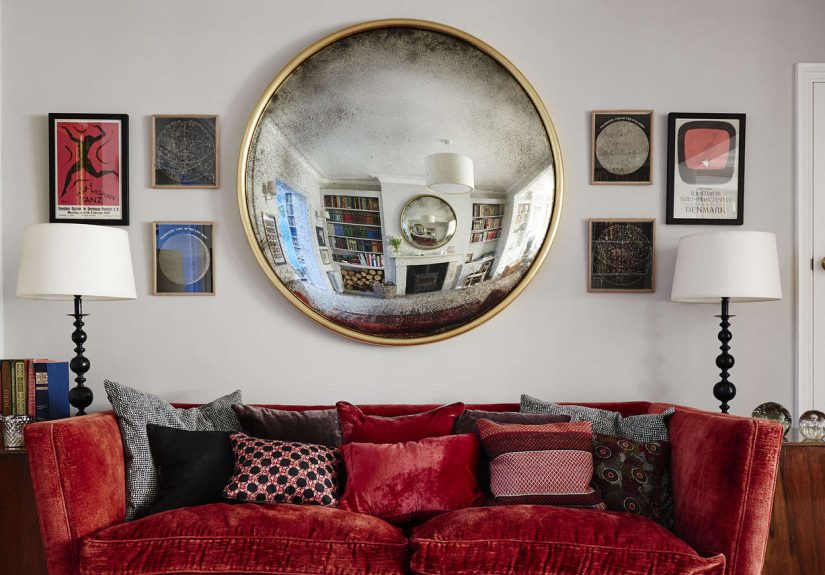
better lighting.” A bespoke vintage-style mirror from a small London workshop sits firmly in the second category.
It’s not just reflective glass in a frame; it’s architecture you can hang on a wall.
If you love the romance of old-world designbut you also enjoy things like “square corners,” “secure hanging hardware,”
and “not gambling on a fragile antique crossing an ocean”custom-made vintage-inspired mirrors are a sweet spot.
You get the soul of history with the sanity of modern craft.
What “Bespoke Vintage-Style” Actually Means (No, It’s Not Just Fancy Talk)
“Bespoke” means the piece is made specifically for your space, your measurements, and your tastedown to details like
the depth of a bevel, the warmth of a gilt finish, and whether you want a whisper of age or the full “I’ve survived
200 years of glamorous parties” vibe.
“Vintage-style” doesn’t have to mean fake distressing or cartoonish ornament. Done well, it’s about proportions,
period-appropriate profiles, and finishes that look earned rather than aggressively attacked by sandpaper.
The best workshops aim for subtlety: the kind of patina that makes people lean in and ask, “Where did you find that?”
Iconic Vintage Mirror Styles Worth Stealing (Politely) for Your Home
A small London workshop can build in almost any historical direction. The trick is choosing a style that matches your home’s
architecture and your tolerance for drama (some mirrors are quiet; others arrive like they’re the main character).
Trumeau Mirrors
Traditionally tall and elegant, trumeau mirrors often include a decorative panel above the glasssometimes with carving,
sometimes with painted detail. They’re made for vertical emphasis and for turning a plain wall into a moment.
They’re especially striking over mantels, between windows, or anchoring a formal entry.
Louis Philippe–Inspired Frames
If you like your vintage with a side of restraint, the Louis Philippe look is a classic: rounded top corners, a softly shaped profile,
and finishes that can range from mellow gold to aged black. It’s timeless, adaptable, and less likely to start a feud with your modern sofa.
Venetian-Style and Etched Mirrors
Venetian-inspired designs often feature segmented mirrored borders, delicate etching, or faceted pieces that catch light like jewelry.
They’re perfect when you want sparkle without adding more throw pillows (because you’ve reached the throw pillow ceiling).
Georgian and Regency-Inspired Designs
These often emphasize symmetry, classical motifs, and crisp profiles. Think refined rather than frillylike a mirror that owns a library card
and has very strong opinions about crown molding.
Art Deco and Early 20th-Century Glam
For fans of stepped silhouettes, sunburst energy, and bold geometry, a vintage-style Art Deco mirror can add sharp sophistication.
Pair it with modern lighting and you get a look that feels curated, not themed.
The Anatomy of a Great Vintage-Style Mirror
When a mirror looks “right,” it’s usually because the workshop made smart choices in three areas: the glass, the frame build, and the finish.
Let’s break those downwithout getting so technical that anyone faints into a pile of paint swatches.
1) The Glass: Clear, Antique-Style, or Lightly “Aged”
Modern mirror glass is engineered for clarity and durability. But vintage lovers often want charactersubtle rippling,
a warm tone, or a lightly mottled “antique mirror glass” effect that mimics natural aging. The key word is subtle.
A tasteful antique-style panel adds depth; an overdone one can look like your mirror needs medical attention.
If you’re commissioning a bespoke piece, ask about:
- Beveling (a sloped edge that adds polish and catches light beautifully)
- Low-distortion glass for bathrooms and dressing areas where you want accuracy
- Antique-style panels for entryways, dining rooms, and decorative moments where mood matters
- Safety-backed options if the mirror will be in a high-traffic area
2) The Frame: Joinery, Profiles, and Why “Solid” Matters
Vintage-style frames often have deeper profiles than contemporary mirrors, and that depth is part of the magic.
A good workshop won’t rely on flimsy shortcuts; it will build a frame that stays true over time and supports the glass properly.
Wood selection matters toobecause wood moves with humidity, and your mirror shouldn’t start doing interpretive dance in July.
Look for thoughtful construction: clean miters, reinforced corners, stable backboards, and hardware that’s appropriate for the final weight.
If the mirror is large, the workshop should plan the hanging method from day onenot as an afterthought after the last coat dries.
3) The Finish: Gilding, Paint, Patina, and Controlled Imperfection
This is where vintage-style mirrors earn their keep. A London workshop might offer traditional gilded looks (gold leaf feel),
painted finishes with rubbed edges, or layered tones that mimic decades of gentle wear.
Classic finishes to consider:
- Soft gilt: warm gold that reads elegant, not brassy
- Antique silver: cooler, luminous, and great with modern palettes
- Painted and aged: creams, blacks, sages, and grays with subtle depth
- Gesso-style ornament: sculptural detail that looks carved and historic
- “Foxed” effect: a light, scattered aging look that adds atmosphere
How Commissioning Works (And Why It’s Surprisingly Fun)
The commissioning process is basically a mini design projectwith fewer contractors and far less drywall dust.
Here’s what it typically looks like when you work with a small workshop:
Step 1: The Design Brief
You share the essentials: where the mirror will live, approximate size, photos of the space, and your style direction.
Helpful details include ceiling height, furniture width beneath the mirror, and whether the room is warm-toned (woods, brass)
or cool-toned (marble, chrome, crisp whites).
Step 2: Style and Profile Selection
This is where you choose the era vibe and the frame “shape.” Workshops often show profile drawings, finish samples,
and references. Be honest about your taste: if you love ornament, say so. If you like quiet elegance, say that too.
No one wants to commission a mirror that feels like it’s yelling.
Step 3: Glass and Finish Decisions
You’ll decide how reflective you want it, whether you want a bevel, and how much “age” you want in the final look.
A good maker will guide you away from extremes if it won’t suit the space.
Step 4: Build, Fit, and Final Checks
The workshop builds the frame, applies the finish in layers, fits the glass, seals and backs the piece properly, and installs
hanging hardware rated for the mirror’s weight. This is the unglamorous part that makes the glamorous part possible.
Measuring Like a Pro (So Your Bespoke Mirror Doesn’t Become “Beside-This-Space”)
For over-mantel mirrors, a common design approach is selecting a mirror that’s visually proportional to the mantel width.
For entry consoles, the mirror should typically feel balanced above the furniturebig enough to anchor the wall,
not so big it looks like it’s trying to escape.
Practical tips:
- Measure the width of the furniture under the mirror and leave breathing room on both sides.
- Measure the height from furniture top to ceiling (and note any sconces).
- Decide whether the mirror is centered on the wall or centered over furniture (sometimes those differ!).
- If the mirror is heavy, plan for studs or the right anchorsdon’t “hope for the best.” Hope is not a fastener.
Shipping from London to the U.S.: The Not-So-Scary Reality
Shipping a large glass object across the Atlantic sounds like a stress hobby. But reputable workshops treat shipping like part of the craft:
custom crates or reinforced packaging, protected corners, layered cushioning, and clear handling instructions.
The point is to stop impact, vibration, and flexthree things glass absolutely hates.
If your mirror is oversized, freight shipping (not standard parcel) may be safer. Either way, ask the workshop:
- Do they double-box or crate?
- How do they protect corners and prevent flex?
- Is the mirror shipped upright when appropriate?
- What documentation is included for receiving and inspection?
Hanging It Safely (Because Gravity Is a Relentless Critic)
A beautiful mirror should not become a surprise physics lesson. Large mirrors need solid supportoften a French cleat system,
properly anchored hardware, or attachment into studs where possible. The right solution depends on mirror weight, wall type,
and location (a busy hallway deserves extra caution).
A few smart safety habits:
- Use the right hardware for your wall (drywall, plaster, masonry all behave differently).
- Anchor appropriately if studs aren’t availabledon’t rely on tiny nails or adhesive hooks for heavy mirrors.
- Get it level and check that it sits flush so it doesn’t rock over time.
- Consider professional installation for very large or high-value pieces.
Styling Ideas: Where Vintage-Style Mirrors Shine the Most
Mirrors are design multitools: they brighten, expand, and add instant “finished” energy to a space. The trick is placement.
A mirror reflects whatever faces itso give it something worth repeating.
Entryway
A vintage-style mirror above a console is a classic for a reason. It offers a quick outfit check and bounces light around,
making smaller entries feel less cramped.
Over the Fireplace
A statement mirror over the mantel can anchor the room. Go ornate for traditional spaces, cleaner profiles for transitional rooms,
and antique-style glass if you want a softer, candlelit reflection.
Dining Room
A large mirror can echo the glow of pendant lights and make dinners feel more expansive. If your dining room leans formal,
trumeau and gilded frames are a natural fit.
Bedroom or Dressing Area
Choose clearer glass for accuracy, and consider a tall mirror to emphasize height. Vintage-style frames add softness and warmth
compared with stark modern rectangles.
Care and Longevity: Keep the Patina, Skip the Damage
Vintage-style finishes are meant to look nuanced, not neglected. Treat your mirror like a piece of furniture:
keep it away from persistent moisture, avoid harsh cleaners near edges, and dust frames gently.
- Use a soft cloth for the glass; avoid soaking the edges where backing can be vulnerable.
- For gilded or delicate finishes, dry dusting is often safest.
- In bathrooms, good ventilation helps protect mirror backing and frame finishes over time.
Why a Small London Workshop Feels Different
Small workshops tend to do the things factories can’t: adjust proportions by eye, tweak a finish until it feels right,
and treat each mirror like a one-off rather than a SKU. London also sits at a crossroads of design historyGeorgian restraint,
Victorian ornament, Continental influenceso it’s a natural home for makers who speak fluent “vintage” without turning it into parody.
And for U.S. buyers, there’s an added perk: commissioning from an overseas workshop can still feel personal.
You’re not clicking “add to cart.” You’re collaborating on an object that will likely outlive your current paint color.
(And honestly, that’s the dream.)
Experience Notes: What It’s Like to Commission a Bespoke Vintage-Style Mirror
Imagine this: you’ve decided your entryway needs something more than a lonely key bowl and a motivational doormat.
You start browsing vintage mirrors and quickly discover that the perfect antique is either (a) the wrong size,
(b) suspiciously “refinished,” or (c) priced like it comes with a minor title of nobility.
So you reach out to a small London workshop and send a few photos of your space. In your pictures, the wall looks fine,
but the workshop asks the kind of questions that make you realize how many details you never notice: the ceiling height,
the distance from your console to the door swing, whether the wall is plaster, and what you actually want the mirror to do.
Do you want more light? More height? A focal point? Or just the emotional satisfaction of owning something that looks like it belongs
in an old townhouse but lives happily next to your Wi-Fi router?
Next comes the style conversation. The workshop shows you frame profilessome with soft curves and minimal ornament, others with
carved corners and dramatic crests. This is the moment you learn that “vintage” isn’t one thing. It’s a whole wardrobe.
You pick a direction, then the finish choices appear: mellow gold, antique silver, rubbed black, layered creams.
The workshop describes how light hits each option differently, and you suddenly care deeply about undertones.
(Congratulations, you are now a person who has opinions about undertones.)
Glass is its own mini adventure. You see examples of crystal-clear reflection versus lightly aged antique-style glass.
Clear glass feels crisp and modern; antique-style glass feels cinematic. The workshop encourages you to think about placement:
in a bathroom or dressing area you want accuracy, but in a dining room you might want atmosphere. You picture candlelight
reflecting during a dinner party and decide a subtle aged panel could be perfectjust enough character to feel special,
not so much that your guests wonder if the mirror is foggy.
When the build begins, updates arrive like little episodes: the frame assembled, the first layers of finish, the moment the patina settles
into corners and details. It’s strangely satisfyinglike watching a room come together, but in object form. You also get the practical talk:
weight, hardware, and how it will hang. Nobody pretends adhesive hooks are a good idea. The workshop is politely allergic to chaos.
Then shipping happens. You receive notes about packaging: reinforced corners, layered cushioning, maybe even a crate.
On delivery day, unboxing feels like a ritual. The mirror emerges intact, the finish looks even better in real light,
and suddenly your entryway has presence. You hang it (carefully, with proper hardware), step back, and get that rare home-design moment
where the room doesn’t just look nicerit looks finished. And yes, you absolutely take a photo, because this is the kind of glow-up
the internet was invented for.