Table of Contents >> Show >> Hide
- Why Beef Casserole Is the Ultimate One-Pot Dinner
- The Best Cuts of Beef for Casserole Recipes
- The Flavor Formula for a Perfect Beef Casserole
- Classic One-Pot Beef Casserole Recipe Blueprint
- Easy Variations for Beef Casserole One-Pot Recipes
- Common Beef Casserole Mistakes and How to Avoid Them
- Food Safety Tips for Beef Casseroles
- What to Serve with Beef Casserole
- Make-Ahead and Meal Prep Advice
- Experience Notes: What Cooking Beef Casseroles Teaches You
- Conclusion
Beef casserole is the culinary equivalent of a warm blanket, a clean kitchen, and the rare miracle of dinner making itself. It is hearty without being fussy, flexible without being vague, and forgiving enough to survive the kind of evening when you discover the carrots are bendy, the onion has an attitude, and your measuring spoons have joined a witness protection program.
The beauty of beef casserole one-pot recipes is simple: you build flavor in one vessel, let heat do the heavy lifting, and end with a cozy meal that tastes like you hovered over the stove all dayeven if you were mostly answering emails, folding laundry, or pretending not to hear the dishwasher beep. Whether you prefer a classic beef and potato casserole, a cheesy ground beef casserole, a Dutch oven beef stew, or a one-skillet beef and rice bake, the best versions all follow the same delicious logic: brown the beef, layer flavor, add vegetables and starch, simmer or bake until tender, then finish with something bright.
This guide breaks down how to make beef casseroles that are rich, saucy, budget-friendly, and genuinely useful for weeknight cooking. No keyword stuffing, no bland “dump and hope” recipes, and absolutely no casseroles that taste like a beige office carpet.
Why Beef Casserole Is the Ultimate One-Pot Dinner
A good beef casserole solves several dinner problems at once. It uses affordable ingredients, feeds a crowd, reheats beautifully, and can stretch a pound of beef into a full meal with help from vegetables, pasta, rice, beans, potatoes, or noodles. That makes it one of the most practical comfort food recipes for busy families, meal preppers, and anyone who wants dinner without a sink full of pans glaring back at them.
The “one-pot” part matters. When beef is browned in the same pot where the sauce is built, all those browned bits on the bottom become flavor gold. Add broth, tomatoes, wine, Worcestershire sauce, or even a splash of balsamic vinegar, and the pot practically writes its own thank-you note. The result is deeper flavor with less cleanup, which is basically the dinner version of finding money in a coat pocket.
The Best Cuts of Beef for Casserole Recipes
The right beef depends on the style of casserole you want. For long-cooked casseroles and stews, beef chuck roast is a top choice because it has enough marbling and connective tissue to become tender during low, slow cooking. For faster casseroles, ground beef is the weeknight hero. It cooks quickly, absorbs sauce well, and plays nicely with pasta, rice, potatoes, cheese, tomatoes, and spices.
Use chuck roast for slow, tender casseroles
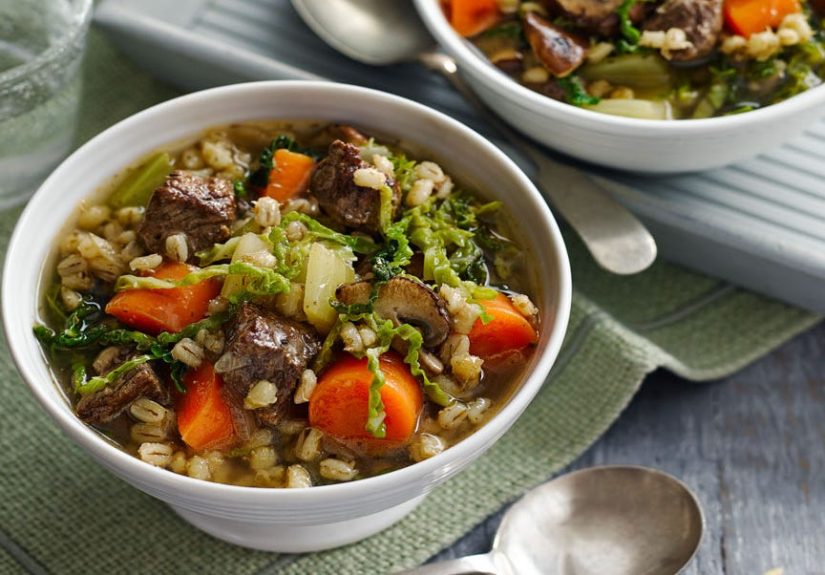
Chuck roast is ideal for Dutch oven beef casserole, beef stew casserole, and oven-braised one-pot meals. Cut it into large chunks, season it well, brown it in batches, then simmer it with broth and vegetables until fork-tender. Rushing chuck roast is like rushing a cat off a windowsill: technically possible, but nobody enjoys the result.
Use ground beef for quick casseroles
Ground beef is best for hamburger casserole, beef noodle casserole, taco casserole, cheeseburger casserole, and ground beef rice casserole. Choose 85% to 90% lean beef for a good balance of flavor and less grease. Brown it first, drain excess fat if needed, then build the rest of the casserole around it.
Use sirloin or stew meat carefully
Sirloin tips can work in quicker saucy casseroles, but they need a gentler hand because lean cuts can dry out. Pre-cut stew meat is convenient, though quality varies. If pieces are different sizes, trim them so they cook evenly.
The Flavor Formula for a Perfect Beef Casserole
Most successful beef casserole recipes follow a simple formula: beef, aromatics, vegetables, liquid, starch, seasoning, and finishing touch. Once you understand that structure, you can create endless one-pot beef dinners without needing a new recipe every time.
1. Brown the beef
Browning is not just a color change; it is flavor development. A hot pot, a little oil, and enough space between pieces help beef sear instead of steam. For chuck roast, brown in batches. For ground beef, cook until no pink remains and the edges start to caramelize. This step gives your casserole a savory backbone.
2. Add aromatics
Onion, garlic, celery, carrots, bell peppers, and mushrooms make beef taste more complete. Cook them in the same pot after the beef so they pick up the browned bits. Garlic should go in near the end of sautéing so it smells fragrant, not like it just lost a fight.
3. Build the sauce
A beef casserole needs moisture, but not bland puddle energy. Use beef broth, crushed tomatoes, tomato sauce, red wine, cream soup, milk, or a combination. Add Worcestershire sauce, tomato paste, Dijon mustard, paprika, thyme, bay leaf, or Italian seasoning for depth. A small acidic ingredienttomatoes, vinegar, or winecan keep the dish from tasting heavy.
4. Add the starch
Potatoes, egg noodles, rice, pasta, barley, or biscuit topping can turn beef into a full meal. The trick is matching the starch to the cooking time. Potatoes and barley enjoy a long simmer. Pasta and rice need enough liquid but can become mushy if overcooked. Noodles often do best when cooked separately or added near the end, depending on the recipe.
5. Finish with brightness
Fresh parsley, chives, green onion, a squeeze of lemon, a spoonful of sour cream, or a sprinkle of sharp cheese can wake up a rich casserole. This final touch is small but powerfullike putting on real shoes before a video call.
Classic One-Pot Beef Casserole Recipe Blueprint
Use this flexible blueprint when you want a cozy beef casserole without overthinking dinner. It works in a Dutch oven, deep oven-safe skillet, or heavy casserole pot.
Ingredients
- 2 pounds beef chuck, cut into 1 1/2-inch chunks, or 1 1/2 pounds ground beef
- 2 tablespoons olive oil
- 1 large onion, diced
- 3 cloves garlic, minced
- 3 carrots, sliced
- 2 celery ribs, chopped
- 8 ounces mushrooms, sliced
- 2 tablespoons tomato paste
- 3 cups beef broth
- 1 tablespoon Worcestershire sauce
- 1 teaspoon dried thyme
- 1 bay leaf
- 1 1/2 pounds potatoes, diced, or 8 ounces egg noodles added later
- Salt and black pepper to taste
- Fresh parsley for serving
Method
Heat oil in a Dutch oven over medium-high heat. Season the beef, then brown it in batches so the pot stays hot. Remove the beef and set it aside. Add onion, carrots, celery, and mushrooms to the same pot. Cook until softened and lightly browned. Stir in garlic and tomato paste for one minute.
Pour in a splash of broth and scrape the bottom of the pot. Add the remaining broth, Worcestershire sauce, thyme, bay leaf, potatoes, and browned beef. Bring to a simmer, cover, and cook on low heat for 2 to 2 1/2 hours, or bake covered at 325°F until the beef is tender. If using ground beef, the casserole will cook much fasterusually 30 to 45 minutes after the sauce and starch are added.
Remove the bay leaf, taste for seasoning, and finish with parsley. Serve hot, preferably in a bowl large enough to communicate that you are serious about dinner.
Easy Variations for Beef Casserole One-Pot Recipes
Cheesy ground beef noodle casserole
Brown ground beef with onion and garlic, then add tomato sauce, a little beef broth, cooked egg noodles, sour cream, and shredded cheddar. Bake until bubbly. This version is creamy, nostalgic, and perfect for nights when “balanced dinner” means “there is parsley on top.”
Beef and potato casserole
Layer browned ground beef with thinly sliced potatoes, onions, broth, and cheese. Cover and bake until the potatoes are tender, then uncover to brown the top. It is simple, filling, and extremely good at making leftovers disappear.
Tex-Mex beef casserole
Use ground beef, taco seasoning, black beans, corn, salsa, rice, and Monterey Jack cheese. Add jalapeños if your household enjoys drama. Serve with avocado, cilantro, and sour cream.
Italian beef pasta casserole
Combine browned beef with marinara sauce, Italian seasoning, mushrooms, cooked pasta, ricotta, mozzarella, and Parmesan. Bake until the cheese melts into a golden, bubbling situation that should legally require applause.
Vegetable-loaded beef casserole
Stretch beef with zucchini, carrots, mushrooms, spinach, peas, or cauliflower rice. This is a smart way to make a hearty casserole feel lighter while still keeping that comfort-food personality.
Common Beef Casserole Mistakes and How to Avoid Them
Overcrowding the pot
If beef pieces are packed too tightly, they steam instead of brown. Work in batches. It takes a few extra minutes, but the flavor payoff is worth it.
Using too much liquid
Casseroles should be saucy, not soupy unless you are making stew. Start with slightly less liquid than you think you need; you can always add more broth later.
Adding dairy too early
Cream, sour cream, and some cheeses can separate under long cooking. Add them near the end or use stable ingredients like cream soups if you want a longer bake.
Forgetting texture
A casserole can become one soft note if everything cooks at the same pace. Add peas, herbs, crispy onions, toasted breadcrumbs, or cheese at the end for contrast.
Skipping the rest
Let baked beef casserole rest for 10 minutes before serving. The sauce thickens, the slices hold better, and nobody burns their tongue trying to prove bravery.
Food Safety Tips for Beef Casseroles
For ground beef casseroles, cook the beef to an internal temperature of 160°F. For casseroles made with leftover cooked beef, reheat until hot throughout, ideally to 165°F. Use a food thermometer when possible, especially for thick casseroles where the center may heat more slowly than the edges.
Refrigerate leftovers within two hours, store them in shallow containers, and use them within three to four days. Beef casseroles also freeze well. Cool completely, portion into freezer-safe containers, label with the date, and freeze for easy future dinners. Future you will be thrilled. Future you may even do a tiny victory dance.
What to Serve with Beef Casserole
Beef casserole is usually filling enough to stand alone, but the right side dish can make it feel complete. Serve rich casseroles with a crisp green salad, roasted broccoli, green beans, sautéed spinach, or a vinegar-based slaw. For stew-like casseroles, crusty bread or dinner rolls are excellent for catching every drop of sauce. Mashed potatoes are wonderful with saucy beef tips, while rice works well with tomato-based or Tex-Mex versions.
If the casserole already contains pasta, potatoes, or rice, keep the side dish fresh and simple. If it is mostly beef and vegetables, add a starch. The goal is balance, not building a dinner plate that looks like it is training for a food marathon.
Make-Ahead and Meal Prep Advice
Beef casseroles are often better the next day because the flavors have time to settle in and become friends. You can assemble many casseroles ahead of time, cover, refrigerate, and bake later. If baking straight from the refrigerator, add extra time because the dish starts cold.
For freezer meals, slightly undercook pasta or rice so it does not become too soft after reheating. Freeze cheese toppings separately when possible, then add them fresh before baking. For Dutch oven beef casserole, freeze the cooked stew base without potatoes if you want the best texture, then add fresh potatoes during reheating.
Experience Notes: What Cooking Beef Casseroles Teaches You
After making enough beef casseroles, you start to understand that this dish is less about perfection and more about rhythm. The first time, you may worry about whether the sauce is thick enough, whether the beef is browned enough, or whether the potatoes are cut evenly. By the third or fourth round, you realize the pot is not judging you. It is simply asking for heat, patience, and seasoning.
One of the best experiences with beef casserole is how it rewards small improvements. Browning the beef a little longer makes the sauce taste deeper. Cooking tomato paste for one minute before adding broth removes raw sharpness and adds sweetness. Adding mushrooms brings earthy flavor. Finishing with parsley or chives keeps the dish from feeling too heavy. None of these steps is difficult, but together they make the casserole taste intentional rather than accidental.
Beef casserole also teaches smart kitchen economy. A single pound of ground beef can feed a family when combined with pasta, rice, potatoes, beans, or vegetables. A tougher chuck roast can become tender and luxurious when cooked slowly. Leftover vegetables can find a second life in the pot instead of retiring sadly in the crisper drawer. Even small amounts of cheese, broth, or tomato sauce can stretch into something generous.
The most satisfying part is the timing. A beef casserole gives you space. Once it is assembled, you can clean the cutting board, set the table, help with homework, or simply stand in the kitchen enjoying the smell like a person in a soup commercial. It is not instant food, but it is low-stress food. That distinction matters.
There is also a social quality to beef casserole. It is the kind of dish people recognize before they taste it. The bubbling edges, the savory aroma, the golden top, the deep saucethese are signals that dinner will be comforting. It works for Sunday supper, potlucks, snow days, meal trains, new parents, busy weeknights, and “I forgot to plan dinner but refuse to surrender” nights.
In practice, the best beef casserole one-pot recipes are the ones you adapt to your life. If your family loves spice, add chipotle, chili powder, or pepper Jack. If you want something classic, stay with carrots, potatoes, onions, thyme, and beef broth. If you need a budget meal, use ground beef and rice. If you want something impressive, use chuck roast, red wine, mushrooms, and herbs. The pot can handle all of it.
And perhaps that is why beef casserole remains such a dependable favorite. It does not ask for perfection. It asks for a sturdy pot, a little patience, and enough appetite to appreciate a meal that tastes like home. In a world full of complicated dinner trends, beef casserole is still there, bubbling away, quietly winning.
Conclusion
Beef casserole – one-pot recipes deserve a permanent place in your dinner rotation because they are practical, flavorful, flexible, and deeply comforting. With the right cut of beef, a smart browning step, balanced sauce, and well-chosen starch, you can turn simple ingredients into a meal that feels rich and satisfying without creating a kitchen disaster zone.
From cheesy ground beef noodle casserole to slow-cooked Dutch oven beef and potatoes, the best versions all share one secret: build flavor layer by layer. Brown the meat, season thoughtfully, use enough liquid to create a sauce, and finish with freshness. Do that, and your casserole will not just feed peopleit will make them suspiciously quiet for the first five minutes of dinner. That is how you know it worked.