Table of Contents >> Show >> Hide
- Why Everyday Monsters Feel So Fresh
- Who Is Tail Jar?
- What Life With Monsters Would Actually Be Like
- Why Funny Monster Art Connects With Viewers
- The Art Style: Colorful, Loose, and Full of Character
- What These 98 New Pics Add to the Monster Universe
- Why This Kind of Art Is Perfect for Social Media
- The Bigger Meaning Behind the Laughs
- Experience Section: What These Monster Images Remind Us About Everyday Life
- Conclusion
Imagine stepping out for coffee and finding a giant, fuzzy creature politely blocking the crosswalk because it is emotionally attached to the traffic light. Or opening your refrigerator and discovering a tiny monster judging your leftover pizza like a disappointed nutritionist. That is the delightful world behind “Artist Makes Fun Images That Show What Life With Monsters Would Be Like (98 New Pics)”a playful visual idea that turns ordinary life into something weird, funny, and oddly comforting.
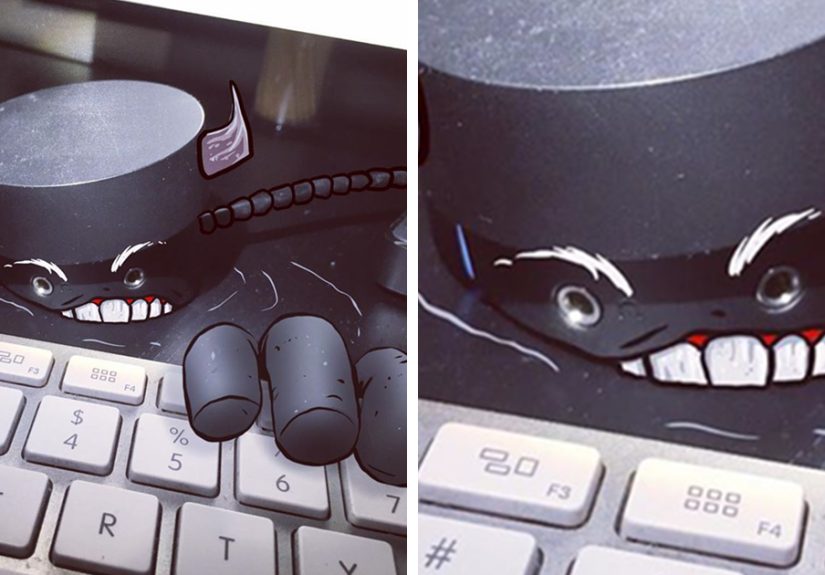
The artist at the center of this wonderfully strange universe is Jasper St Aubyn West, better known online as Tail Jar. His work blends real-life photography with colorful digital monster illustrations, creating scenes where creatures do not destroy cities or roar at helicopters. Instead, they hang around streets, buildings, sidewalks, bathrooms, rooftops, and tourist spots as if they have always belonged there. These monsters are not villains. They are roommates, commuters, emotional support gremlins, and probably the reason your houseplants keep leaning toward the window.
What makes the series so charming is that it does not ask, “What if monsters attacked us?” It asks something much funnier: What if monsters were just trying to get through Tuesday?
Why Everyday Monsters Feel So Fresh
Monster art has existed for centuries, from ancient myths and medieval bestiaries to movie creatures, comic book beasts, and Halloween decorations that start appearing in stores while it is still hot enough to melt a pumpkin. Traditionally, monsters represent fear, danger, mystery, or the unknown. But Tail Jar flips the script. His monsters are not symbols of doom. They are visual punchlines with googly eyes, floppy limbs, strange horns, and the emotional range of someone trying to assemble flat-pack furniture without instructions.
By placing monsters into normal environments, the artist creates a funny contrast between fantasy and reality. A quiet alley suddenly becomes a hiding place for a shy blue creature. A staircase becomes the perfect lounging spot for a long, noodle-shaped beast. A public restroom might contain a monster that looks like it has strong opinions about hand dryers. The joke works because the settings are familiar, but the additions are completely unexpected.
The Magic Is in the Mashup
The strongest part of these images is the seamless relationship between photo and illustration. The monster is not simply pasted on top of the scene. It appears to react to the space. It curls around objects, peeks from behind walls, sits inside shadows, or interacts with architecture. That small attention to placement makes the fantasy believable enough for viewers to think, “Honestly, I would not be surprised if that thing lived behind my washing machine.”
This photo-cartoon mashup style also feels very internet-native. It is quick to understand, easy to share, and immediately rewarding. You do not need a museum label or an art history degree to enjoy it. You look, you smile, you notice a detail, and suddenly you are zooming in like a detective searching for evidence that the monster is paying rent.
Who Is Tail Jar?
Tail Jar is the creative name used by Jasper St Aubyn West, an Australian artist whose work includes illustration, animation, motion design, creative direction, and other forms of visual storytelling. His monster images became popular because they combine a childlike sense of imagination with polished digital skill. The idea reportedly grew from a desire to make ordinary photos feel less ordinary, especially in places that many people photograph in the same predictable way.
That detail matters. In the age of smartphones, millions of people take nearly identical pictures of the same streets, landmarks, cafés, airports, hotel rooms, and suspiciously photogenic walls. Tail Jar’s approach says: instead of trying to take the perfect version of the same photo everyone else has, why not add a monster? Suddenly, the boring travel snap becomes a little story. The sidewalk is not just a sidewalk. It is where a purple creature got stuck after eating too many imaginary hot dogs.
From Ordinary Photos to Tiny Stories
Each image works like a micro-story. There is a setting, a character, and a little bit of tension. Is the monster lost? Is it waiting for a bus? Is it guarding a door? Is it about to sneeze on a historic building? The viewer fills in the blanks, which is why the images are so engaging. They invite participation. You are not just looking at art; you are mentally writing the weird caption in your head.
This is one reason the series performs well as online visual content. People love artwork that gives them something to react to immediately. Tail Jar’s monsters do exactly that. They are funny, surprising, and emotionally readable. Some look mischievous. Some look sleepy. Some look like they have just remembered an embarrassing thing they said in 2011. We have all been that monster.
What Life With Monsters Would Actually Be Like
If monsters lived among us, the first problem would not be fear. It would be logistics. Apartment leases would need a new section for tentacles. Elevators would have “maximum occupancy” signs that include slime weight. Public transportation would require designated seating for creatures with more than six elbows. Pet stores would have an aisle labeled “dragon chew toys,” and every neighborhood would have one guy insisting his monster is friendly while it eats a mailbox.
Tail Jar’s images are funny because they make that impossible world feel casual. The monsters are not treated as breaking news. Nobody is running away screaming. The scenes feel more like, “Yes, the orange beast is back on the roof again. We have emailed maintenance.” That deadpan quality is what gives the art its personality.
Monsters as Neighbors
One of the best ideas in the series is that monsters might simply become part of the community. Maybe the small green one lives in the laundry room and eats missing socks. Maybe the enormous blue one sits outside the bakery because it likes the smell of cinnamon rolls. Maybe the hairy one under the bridge is not dangerous at all; it just has social anxiety and a dramatic silhouette.
This approach softens the concept of the monster. Instead of being the “other,” the creature becomes familiar. It becomes someone we recognize. A monster stuck in an awkward pose can feel like us during a Monday morning meeting. A monster hiding behind a wall can feel like us at a party where we know exactly one person and that person has gone to the bathroom for twenty suspicious minutes.
Why Funny Monster Art Connects With Viewers
Funny monster illustrations work because they combine three things people love: imagination, humor, and relatability. The monster provides imagination. The strange placement provides humor. The emotion in the creature’s face provides relatability. Together, those elements turn a simple picture into something memorable.
There is also a psychological comfort in making monsters cute or silly. A scary monster represents something we cannot control. A funny monster turns that fear into a joke. It shrinks the threat. It says, “Yes, life is chaotic, but what if chaos had tiny horns and needed a snack?”
That is a surprisingly powerful idea. Modern life already comes with plenty of invisible monsters: stress, deadlines, bills, social pressure, traffic, unread emails, and the mysterious ability of phone chargers to vanish in a one-bedroom apartment. Tail Jar’s creatures give those feelings a face, but not a terrifying one. They make the strange parts of life easier to laugh at.
The Humor of Scale
Many of the images are funny because of scale. A giant monster in a tiny doorway is instantly amusing. A little monster trying to dominate a huge public space is equally funny. Scale creates absurdity, and absurdity creates comedy. It is the same reason a cat sitting in a box too small for its body will always be entertaining. Nature may be complicated, but comedy is sometimes just “large thing in small place.”
In monster art, scale also creates personality. A huge creature can look gentle if it is hunched over awkwardly. A tiny creature can look bold if it is standing in the middle of a road like it owns the place. Tail Jar uses these contrasts to make each monster feel alive without needing long explanations.
The Art Style: Colorful, Loose, and Full of Character
The monsters in this series often have a sketchy, energetic quality. They do not look overdesigned or stiff. Their shapes are playful, their expressions are clear, and their colors help them pop against real-world backgrounds. That looseness is part of the charm. The creatures feel spontaneous, like they were discovered rather than manufactured.
This is important because overly polished fantasy art can sometimes feel distant. Tail Jar’s monsters feel approachable. They look like doodles that escaped the notebook, got jobs, and started haunting bus stops. Their imperfect, lively forms make them more human, even when they have horns, claws, tails, or anatomy that would deeply confuse a veterinarian.
Why the Photos Matter
The photography is not just a background. It is the stage. A plain wall gives a monster room to become the joke. A doorway suggests a creature entering or escaping. A staircase creates movement. A street corner creates a sense of everyday life. The real-world setting grounds the fantasy, making the monster feel like a believable interruption.
That relationship between ordinary place and extraordinary creature is the heart of the project. Without the normal setting, the monsters would still be fun. But with the setting, they become stories. The viewer recognizes the environment and then enjoys seeing it transformed.
What These 98 New Pics Add to the Monster Universe
A large collection such as “98 New Pics” gives viewers the pleasure of variety. Some monsters may be goofy. Others may be oddly graceful. Some may look like they want to start trouble, while others look like they need a nap and a juice box. The more images you see, the more the world begins to feel consistent. It becomes a universe where monsters are not rare. They are everywhere, if you know how to look.
That is one of the reasons the project is so bingeable. Each image delivers a quick laugh, but the whole collection builds a larger idea: the world is more interesting when imagination is allowed to trespass. A parking lot can become a habitat. A bathroom mirror can become a portal. A cracked wall can become a monster’s favorite hiding spot.
Specific Examples of Monster-Life Possibilities
Life with monsters might mean finding a tiny creature sleeping in your cereal bowl because it thought the spoon was a canoe. It might mean sharing an office with a many-eyed coworker who is amazing at spreadsheets because it can watch every column at once. It might mean calling a plumber because something under the sink keeps humming jazz standards. It might mean discovering that the monster in the garage is not scary; it just really likes cardboard boxes.
The best monster scenarios are not about destruction. They are about inconvenience, curiosity, and comedy. A monster does not need to smash a city to be entertaining. Sometimes it only needs to sit in your favorite chair and refuse to move.
Why This Kind of Art Is Perfect for Social Media
Social media rewards images that communicate instantly. Tail Jar’s monster photos do exactly that. The viewer can understand the concept in one second: real photo, fake monster, funny situation. But the images also reward a longer look because the details matter. The creature’s expression, the way it fits into the scene, and the imagined story behind it all make people linger.
That balance is rare. Many viral images are quick but forgettable. Tail Jar’s images are quick and memorable because they trigger imagination. People do not just see the picture; they imagine what happened before and after. Did the monster climb there? Is it stuck? Does it have a name? Does it owe someone money? The questions keep the image alive after the scroll.
Shareable, But Still Personal
The art also feels personal because it resembles a private daydream. Many people have looked at a building, cloud, tree, or shadow and imagined a face or creature. Tail Jar takes that universal habit and turns it into finished artwork. In that sense, the series feels like a professional version of something we all secretly do when our minds wander.
It reminds us that creativity is not always about inventing a completely new universe. Sometimes it is about looking at the existing one sideways and asking, “Would this alley be improved by a monster with tiny arms?” The answer, scientifically speaking, is usually yes.
The Bigger Meaning Behind the Laughs
Underneath the humor, there is a gentle message about imagination. Adult life often trains people to treat the world as practical, predictable, and slightly overdue. Streets are for walking. Buildings are for working. Photos are for documenting. Tail Jar’s monster images argue that the world can also be a playground. A boring corner can become a joke. A common view can become a story. A normal day can become strange in the best way.
This is why the art feels refreshing. It does not require expensive materials, dramatic landscapes, or complicated mythology. It starts with the everyday and adds curiosity. That is a creative lesson anyone can use. You may not draw monsters into your vacation photos, but you can practice seeing familiar places as unfinished stories.
Monsters Make the Ordinary Feel New Again
The most successful creative projects often make people see something familiar in a new way. Tail Jar’s work does that with humor and warmth. A wall is no longer just a wall. It is a place where a creature might lean while waiting for its friend. A bench is no longer just a bench. It is monster furniture. A hallway is no longer just a hallway. It is suspiciously perfect for a long-necked creature with terrible posture.
That shift in perspective is small but powerful. It makes daily life feel less flat. It suggests that fun can be layered onto reality, one doodle at a time.
Experience Section: What These Monster Images Remind Us About Everyday Life
Seeing these funny monster images can feel like rediscovering the imagination most people had as children. When you are young, monsters are everywhere. They live in closets, under beds, behind curtains, inside shadows, and occasionally in the vegetables you are trying not to eat. As adults, we usually stop naming those monsters. We replace them with errands, taxes, deadlines, and group chats that somehow never end. Tail Jar’s work brings the monsters back, but in a friendlier form.
One relatable experience is walking through a familiar place and suddenly noticing how strange it actually is. A parking garage at night can look like a cave. A laundromat can look like a spaceship control room. A subway platform can look like the perfect feeding ground for a creature that survives entirely on dropped French fries and commuter frustration. These images capture that feeling: the world is ordinary only because we have agreed to call it ordinary.
They also remind us of the little “monsters” that already live in our routines. The laundry monster eats one sock from every pair. The kitchen monster convinces us to open the refrigerator six times even though nothing new has appeared. The email monster grows two heads every time we answer one message. The traffic monster turns a 15-minute drive into a philosophical crisis. When we laugh at Tail Jar’s illustrated creatures, we are also laughing at the chaos we already know.
There is comfort in that. Humor gives shape to frustration. A monster sitting in a doorway can represent inconvenience without becoming depressing. A creature sprawled across a staircase can feel like the physical form of procrastination. A monster peeking out from behind a wall can feel like anxiety before a social event. These are not official interpretations, of course, but the beauty of visual art is that viewers bring their own stories to it.
For creative people, the series is also a reminder that inspiration does not always arrive with dramatic music and a lightning strike. Sometimes it starts with a boring photo and the question, “What is missing here?” The answer might be a monster. It might be a joke. It might be a strange little character that turns a forgotten corner into the best part of the image.
For viewers, the experience is simple and satisfying: you look at a normal scene, spot the creature, and feel a tiny spark of surprise. That spark matters. The internet can be noisy, repetitive, and exhausting, but playful art gives people a quick moment of delight. It is visual candy with a personality. It does not demand too much, yet it offers enough detail to make the viewer smile twice.
Most importantly, these monster images encourage people to keep a sense of play. Life is full of serious responsibilities, but imagination makes those responsibilities easier to carry. If a monster can make a dull sidewalk interesting, maybe a small creative shift can make an ordinary day feel lighter. Maybe the world does not need to be completely transformed to become magical. Maybe it just needs a goofy creature in the corner, waving with three arms and pretending everything is under control.
Conclusion
“Artist Makes Fun Images That Show What Life With Monsters Would Be Like (98 New Pics)” succeeds because it turns the everyday world into a playground for imagination. Tail Jar’s monsters are funny, expressive, and strangely believable, not because they are realistic, but because they fit emotionally into the scenes around them. They make streets, rooms, staircases, and public spaces feel alive with possibility.
The project also proves that monsters do not always need to scare us. Sometimes they can make us laugh, help us see ordinary places differently, and remind us that creativity is often hiding in plain sight. All it takes is a photo, a playful idea, and the courage to ask whether a giant purple creature would improve the composition. Spoiler: it probably would.
Note: This article is original editorial content written for web publication. It is based on publicly available information about Tail Jar’s monster-photo illustration concept, broader digital art trends, visual humor, and the cultural appeal of friendly monsters.