Table of Contents >> Show >> Hide
- Why This NYC Subway Monster Series Hits So Hard
- What the 47 Mischievous Monsters Really Represent
- Why NYC Subway Commuters Make the Perfect Subjects
- The Bigger Appeal of Subway Doodle
- What Content Creators and Visual Artists Can Learn From This Project
- Why This Series Still Feels Fresh
- Final Thoughts
- Commuter Experiences Inspired by These Mischievous Monsters
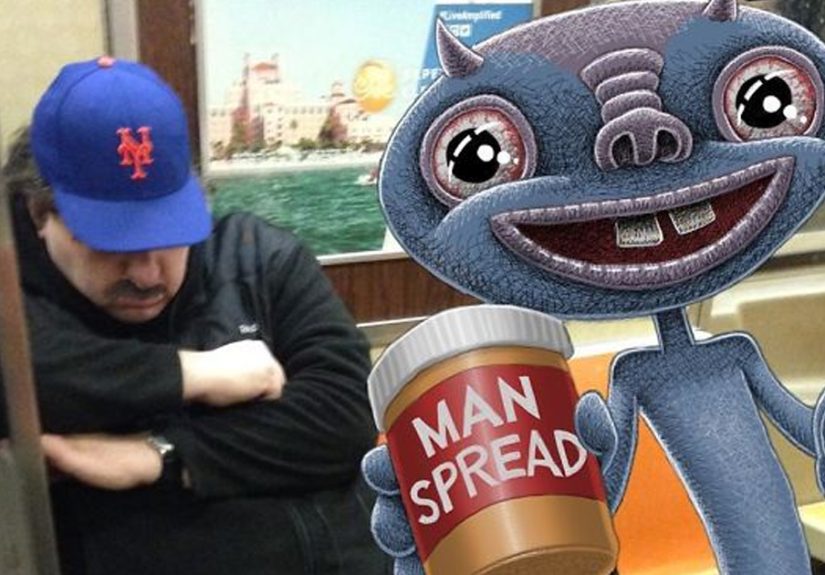
If New York City’s subway is the ultimate stage for accidental drama, then Ben Rubin’s monster-filled imagination may be its most entertaining unofficial casting director. In the viral roundup behind the title Artist Imagines 47 Mischievious Monsters Interacting With Commuters On NYC Subway, ordinary train rides become delightfully unhinged visual stories. A sleepy passenger is no longer just catching a nap. A distracted rider is no longer just doomscrolling. In Rubin’s world, each commuter shares the car with fuzzy blue troublemakers who look like they crawled out of a child’s sketchbook, stole a MetroCard, and immediately chose chaos.
That is the magic of the project. It does not merely add monsters to subway photos for a quick laugh. It transforms the most familiar urban routine into a moving gallery of mood, mischief, and social observation. The result feels funny, oddly affectionate, and just perceptive enough to make you think, “Honestly, that creature is exactly what my 8:12 a.m. commute feels like.”
For readers looking for the deeper story, these images are part of Rubin’s larger Subway Doodle universe, where real NYC commuters become unwitting scene partners for invented creatures. The appeal is bigger than cute monsters. This series works because it understands something fundamental about public transit: the subway is one of the few places where boredom, anonymity, irritation, tenderness, exhaustion, and absurdity all sit shoulder-to-shoulder before breakfast.
Why This NYC Subway Monster Series Hits So Hard
Plenty of artists document New York. Fewer manage to make it feel both surreal and instantly recognizable. Rubin’s approach is simple but smart: he photographs ordinary subway moments and digitally draws creatures into the scene, turning the everyday commute into a comic panel with the city itself as the punch line.
The brilliance is in the contrast. Subway cars are rigid, repetitive spaces. Same poles. Same doors. Same advertisements. Same expression on the face of the guy who desperately wishes nobody sits next to him. Into that environment, Rubin inserts creatures that are shaggy, expressive, unpredictable, and gloriously bad at personal boundaries. The harder the setting leans toward routine, the funnier the monsters become.
And the monsters are not random. They often mirror the emotional weather of the subway car. Some look nosy. Some look clingy. Some seem mildly concerned. Others radiate the exact energy of a commuter who has been delayed three times, skipped coffee, and is one suspicious elbow away from becoming folklore.
From Daily Commute to Daily Creativity
One reason the series resonates is that it was born from the commute itself. This was not some polished brand campaign cooked up in a conference room with mood boards and twelve unnecessary meetings. It grew out of a real artist turning dead travel time into creative fuel. That origin story matters, because the work still feels grounded in the rhythms of actual subway life. The cars are crowded. The poses are awkward. The passengers are doing what real people do underground: zoning out, guarding bags, napping upright, staring into middle distance, and pretending not to notice the weirdness around them.
In other words, Rubin is not forcing fantasy onto New York City. He is simply nudging visible reality two clicks to the left.
What the 47 Mischievous Monsters Really Represent
The title promises monsters, but the images are less about horror than emotional translation. These creatures are stand-ins for the invisible stuff of commuting: annoyance, curiosity, social tension, loneliness, hunger, awkwardness, and the fragile miracle of minding your business in public.
1. They Turn Commuter Feelings Into Characters
Anyone who has taken the subway long enough knows that public transit has its own emotional ecosystem. There is the low-battery panic. The seat-defense instinct. The “please do not perform at full volume next to my left ear” prayer. Rubin’s creatures embody those states in a visual, exaggerated way. Instead of showing stress directly, he gives it horns. Instead of painting boredom, he paints a furry goblin slumped across a seat like it pays rent there.
That gives the work a playful psychological edge. The monsters are ridiculous, but the feelings they represent are not. They make inner reactions visible without turning the people in the photo into jokes.
2. They Are Mischievous, Not Malicious
This distinction matters. If the creatures felt truly threatening, the series would lose its charm fast. What makes these images so shareable is the balance between creepy and cuddly. The monsters may invade personal space, eye your snack, or lurk behind a sleeping passenger with questionable intentions, but they rarely feel cruel. They feel like subway gremlins with strong opinions and no concept of etiquette.
That tone keeps the work funny instead of mean. The series pokes at commuter discomfort without mocking the people enduring it. It says, “Yes, this train ride is bizarre,” not, “Look at these ridiculous strangers.” That difference is the whole game.
3. They Make the Subway Feel Like a Storyboard
Most people treat commuting as dead time. Rubin treats it as narrative material. A subway car already contains characters, tension, props, and a constantly changing set. Add one blue monster trying to steal a pastry or photobomb a nap, and suddenly the scene has plot. That is why the images stick. They do what good illustration, good humor, and good urban photography all do: they reveal the story hidden inside the ordinary.
Why NYC Subway Commuters Make the Perfect Subjects
New York commuters are uniquely suited to this kind of visual storytelling because the city’s subway culture is already full of contradictions. The train is public, but everyone is trying to preserve a bubble of privacy. It is crowded, but emotionally isolating. It is repetitive, yet every car holds a completely different cast of faces, outfits, moods, and private dramas.
That tension has attracted artists for generations. Long before monster doodles went viral on social media, artists were already using the subway as a way to capture urban life, fleeting encounters, and the strange intimacy of being one person among many. New York’s transit spaces have inspired paintings, cover art, station installations, murals, photographs, and graphic storytelling because the subway condenses the city into a moving room.
Rubin’s contribution to that tradition feels modern because it blends street observation with internet-era humor. His images are built for the scroll, but they still depend on old-school people-watching. You could call the work digital collage, urban illustration, or commuter art. You could also call it what it really is: a very New York way of noticing things.
The Bigger Appeal of Subway Doodle
It Makes Public Transit Feel Human Again
Transit systems are often discussed in terms of delays, ridership, schedules, service changes, and the emotional damage caused by hearing “we apologize for the inconvenience” one too many times. Art like this shifts the focus back to the people inside the system. Even when the monsters dominate the frame, the commuters remain the center of gravity. Their body language, outfits, stillness, and accidental expressions do most of the storytelling.
That creates an oddly warm effect. The viewers are invited to notice strangers instead of flattening them into background noise. The sleeping violinist of old subway paintings, the subway riders on magazine covers, the anonymous figures in station mosaics, and Rubin’s contemporary commuters all belong to the same broad visual tradition: everyday people becoming meaningful because someone took the time to look closely.
It Captures the Absurd Theater of Being in Public
New Yorkers develop a survival skill that deserves its own honorary degree: the ability to witness utter nonsense and continue eating a bagel without breaking stride. Rubin’s monsters operate in that exact register. They heighten the quiet absurdity already present on the train. A commuter ignoring a giant blue creature feels funny because it resembles the real social code of the subway. See it, do not react, keep it moving.
The work succeeds because it understands that public life in New York is not just stressful. It is theatrical. People perform indifference. They perform toughness. They perform patience. Sometimes they perform “I definitely meant to miss my stop.” The monsters simply join the cast.
It Rewards Repeat Viewing
These are not one-note images. The first look delivers the joke. The second reveals composition. The third reveals social nuance. A creature hanging from a pole may be funny on its own, but it becomes funnier when paired with a commuter whose expression suggests, “This is no longer the weirdest part of my day.” Rubin knows how to use real people’s stillness as comic counterweight. The monsters bounce; the commuters endure. That tension is the series’ engine.
What Content Creators and Visual Artists Can Learn From This Project
There is a reason this concept has traveled so well online. It offers a masterclass in making original content from a narrow constraint. Same environment, same basic premise, endless variations. That is a powerful creative lesson.
Use Constraints as Fuel
Many strong creative projects begin with limitations, not freedom. In Rubin’s case, the subway is the constraint. He cannot control the lighting, the passengers, or the timing. That restriction becomes the spark. By returning to the same environment again and again, he builds a recognizable visual language. The monsters change, but the world stays familiar. That is how a series becomes a brand without feeling manufactured.
Observation Beats Overproduction
The internet is crowded with content that tries too hard. Subway Doodle works because it starts with observation. It notices the funny posture, the oddly perfect empty seat, the snack, the sleeping face, the vacant stare. The digital drawing comes after the noticing. That order matters. Creativity lands harder when it is attached to something real.
Humor Works Best When It Has Empathy
Anyone can add a monster to a photo. Not everyone can do it in a way that feels affectionate. Rubin’s images usually preserve the dignity of the commuters even while turning their surroundings into a chaos carnival. That is why the series feels inviting rather than snarky. Good humor punches up, sideways, and occasionally at the universal pain of rush hour, but it does not flatten people into props.
Why This Series Still Feels Fresh
In an era when every platform is full of stylized fantasy, AI gloss, and aggressively polished content, there is something refreshing about art that still feels handmade in spirit. Subway Doodle keeps one foot in the real world. The wrinkles in coats, the fluorescent light, the awkward seat angles, the sleepy faces, the tiny commuter rituals, all of that stays intact. The monsters do not erase reality. They exaggerate it.
That may be the smartest thing about the whole project. The creatures are imaginary, but the feeling is real. We have all sat in a train car that felt one gremlin away from a complete personality test. We have all imagined private stories for strangers. We have all needed a little absurdity to survive a routine. Rubin just draws that impulse in blue fur and lets it take the train downtown.
Final Thoughts
Artist Imagines 47 Mischievious Monsters Interacting With Commuters On NYC Subway sounds like a quirky internet headline, and it absolutely is. But the reason the idea endures is bigger than novelty. Ben Rubin’s work turns the NYC subway into a visual language for modern city life: cramped but communal, irritating but fascinating, repetitive but never truly predictable. His monsters are funny because they make visible what commuting often feels like inside our heads.
That is why the project lands with both casual readers and serious art lovers. On one level, it is a clever collection of blue troublemakers harassing the morning rush. On another, it is a warm, sharp reminder that even in the most routine corners of urban life, imagination is still alive and probably sitting three seats down, stealing your fries.
Commuter Experiences Inspired by These Mischievous Monsters
Ride the subway often enough and you start to understand why monster art fits so naturally there. The train car is one of the few places where you can feel completely anonymous and strangely overexposed at the same time. You are surrounded by people, yet sealed inside your own thoughts. You are moving quickly, yet emotionally parked. That combination does weird things to the imagination.
Picture the experience: the doors slide shut, the car lurches forward, and everyone settles into the silent choreography of public transit. One person claims the pole like it is family property. Another guards a tote bag with the seriousness of a museum curator protecting a priceless artifact. Someone is half asleep but still somehow upright, which honestly should qualify as an athletic event. In a setting like that, a monster does not feel out of place. It feels overdue.
That is the secret thrill of Rubin’s subway scenes. They reflect the version of commuting many people already feel but rarely say out loud. The person eating chips at 8:03 in the morning? Monster behavior. The person clipping nails in public? Definitely a side quest villain. The tiny triumph of getting an empty seat just before the crowd pours in? That has the emotional arc of a fantasy epic. The subway routinely turns ordinary moments into dramatic events, and the monster drawings simply make the metaphor visible.
There is also something weirdly comforting about the idea. The monsters in these images are mischievous, but they are also companions to the routine. They show up in the stale air, the fluorescent light, the awkward stillness, and the private fatigue of the ride. They are little symbols of the imagination refusing to clock out. Even on a train packed with tired people staring at their phones, creativity sneaks in through the cracks. It hangs from the rail. It sits by the window. It steals a glance at your coffee and judges your life choices.
For regular commuters, that kind of interpretation can change the whole experience. Suddenly the subway is not just an inconvenience between Point A and Point B. It becomes material. A stage. A comic strip with terrible ventilation. A place where the city reveals itself in gestures, glances, outfits, and improvised performances of patience. The ride becomes easier to endure when you treat it as something worth noticing.
Maybe that is the most relatable part of the entire monster project. It understands that daily life can be both exhausting and funny. It knows that boredom is often one creative leap away from wonder. And it reminds us that the people we pass without speaking are not generic extras in the background. They are characters, mysteries, and occasionally the accidental stars of a masterpiece featuring a giant blue goblin with no respect for subway etiquette.
So the next time you are wedged between a backpack, a violin case, and someone listening to music loudly enough to qualify as a community event, look around. The monsters may not be visible, but the energy absolutely is. In New York, imagination does not need a studio. Sometimes it just needs a crowded train, a sharp eye, and enough humor to survive rush hour with your soul mostly intact.