Table of Contents >> Show >> Hide
- Why Glass Shape Changes the Tasting Experience
- Common Signs You Are Using the Wrong Glass
- The Best Glass Styles for Different Drinks
- How to Pour for Better Flavor
- What About Material?
- Cleaning and Care Tips
- Do You Really Need Different Glasses?
- Simple Buying Advice
- Final Thoughts
- Experience and Real-Life Observations
Let’s be honest: most of us have poured a fancy drink into whatever clean glass was closest. Mug? Acceptable. Jelly jar? Bold. Water glass? A classic move. But if you have ever wondered why the same drink can seem brighter, flatter, fruitier, or just plain weirder depending on the glass, you are not imagining things. The shape of a glass can change how aromas gather, how bubbles behave, how cold a drink stays, and even how the liquid hits your palate.
This does not mean you need a cabinet that looks like it belongs to a restaurant supply store. It simply means the wrong glass can mute the best parts of a drink, while the right one can make an ordinary pour feel more expressive and balanced. Whether you are serving dealcoholized wine, sparkling grape juice, botanical spritzes, or grown-up zero-proof pours, the glass matters more than most people think.
Why Glass Shape Changes the Tasting Experience
A good glass does more than hold liquid without leaking all over your shirt. Bowl size, rim width, and overall shape influence aroma concentration, temperature retention, and the way a sip lands on your tongue. In simple terms, the glass is part of the tasting experience, not just the parking space for your drink.
Bowl Size and Aroma
Larger bowls give a drink more room to breathe and release aromas. That is especially helpful for bold, layered drinks with berry, spice, cocoa, or oak-like notes. Smaller bowls keep delicate drinks tighter and more focused, which is useful when you want freshness, floral notes, or crisp fruit to stay front and center.
Rim Width and Flow
A wider rim can make aromas feel more open and expressive. A narrower opening can funnel aromas upward and keep cooler drinks from warming as quickly. It also changes how much liquid reaches different parts of your mouth in one sip, which can influence how balanced or sharp a drink feels.
Stemmed vs. Stemless
Stemmed glasses keep your hand away from the bowl, which helps chilled drinks stay cooler longer. Stemless glasses are more casual and usually sturdier, but your hand warms the bowl faster. That is not the end of civilization, but it can matter for cold white-style drinks or sparkling pours that taste best when crisp.
Common Signs You Are Using the Wrong Glass
If your drink smells muted, warms too quickly, tastes oddly flat, or loses its fizz in a hurry, the glass may be part of the problem. Another clue: if you filled the glass nearly to the top, you left no room for aroma. That is like buying a candle and then locking it in a closet.
Here are a few classic mismatches:
Big Bowl for a Light, Chilled Drink
A very large glass can make a delicate white-style beverage or alcohol-free sparkling pour seem less focused. It may warm too quickly and lose the bright, zippy quality that makes it refreshing.
Narrow Flute for an Aromatic Sparkling Drink
Flutes look festive, but ultra-narrow shapes can emphasize bubbles more than aroma. If your sparkling drink has citrus, stone-fruit, floral, or toasty notes, a tulip-shaped glass often lets those details show up better.
Heavy Stemless Glass for Something Meant to Stay Cold
Stemless glasses are easy to love because they are practical and less likely to topple dramatically during dinner. But they are not always ideal for chilled drinks that benefit from staying cool and aromatic.
The Best Glass Styles for Different Drinks
For Bold Red-Style Dealcoholized Wines
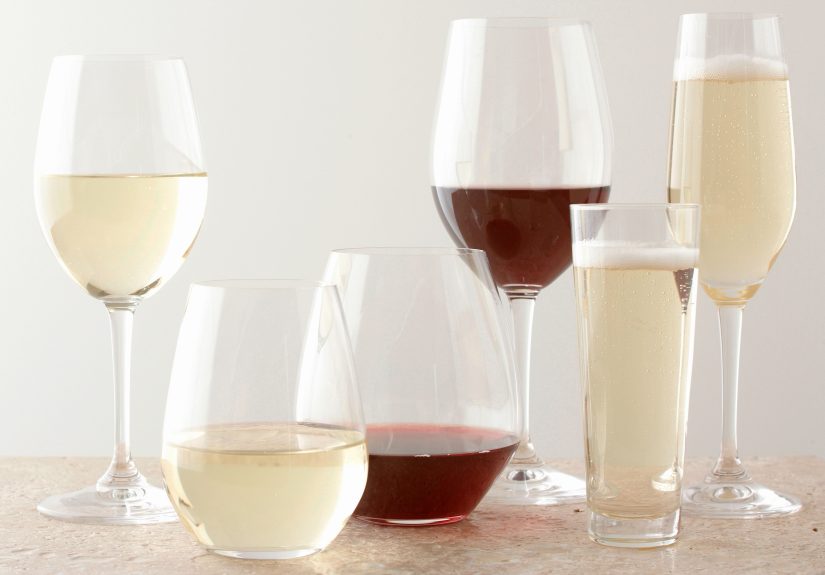
Choose a larger bowl with enough width to encourage swirling and aroma release. This shape works well for drinks with dark fruit, spice, cocoa, or smoky notes. It gives the beverage room to open up and seem smoother.
For Crisp White-Style Dealcoholized Wines
Pick a smaller, narrower bowl. These glasses help preserve chill and keep bright notes like citrus, green apple, pear, and flowers feeling focused rather than floppy. Yes, “floppy” is a tasting term in exactly zero textbooks, but you know it when you taste it.
For Fuller White-Style Pours
If your drink has richer texture or creamier flavors, a slightly broader white-wine-style glass can help. Think of it as giving the aromas a little elbow room without sending them to a football stadium.
For Sparkling Grape Juice, Zero-Proof Bubbles, and Festive Pours
A tulip-shaped sparkling glass is often the sweet spot. It keeps bubbles lively while offering more room for aroma than a very narrow flute. Coupes look glamorous, but they tend to lose bubbles faster, so they are better when style matters more than long-lasting fizz.
For Everyday Use
A universal glass is the overachiever of the cabinet. It usually has a gently curved bowl, moderate width, and enough versatility to handle red-style, white-style, and sparkling-adjacent drinks reasonably well. If you do not want six kinds of glassware, this is the sensible choice.
How to Pour for Better Flavor
Glass choice matters, but so does how you use it. A perfect glass cannot rescue a bad pour any more than a fancy plate can fix burned toast.
Do Not Overfill
Leave space in the bowl. That empty room helps collect aromas and gives you a little space to swirl without redecorating the tablecloth.
Serve at the Right Temperature
Chilled white-style and sparkling drinks usually show better when cold but not icy. Fuller, darker styles often benefit from being slightly less chilled so aromas can come forward instead of hiding like introverts at a party.
Hold the Stem When Possible
It is not about pretending to be fancy. It is mostly practical. Holding the stem helps keep the bowl cooler and cleaner, which is especially useful for clear, aromatic drinks.
What About Material?
Thin rims often feel more elegant and can make sipping smoother. Crystal is popular because it can be made thinner while still looking refined, though regular glass can also perform well for everyday use. The truth is simple: the best glass is one that feels comfortable, suits the drink, and does not make you nervous every time you wash it.
Cleaning and Care Tips
Even the right glass can sabotage flavor if it smells like detergent, cabinet dust, or yesterday’s dishwasher cycle. Always make sure glasses are thoroughly rinsed and fully dry before use. Polish gently with a lint-free cloth if you want extra sparkle. And if a glass smells like soap, your drink will too. Nobody wants notes of lemon-scented dishwasher pod in their sparkling grape juice.
Do You Really Need Different Glasses?
Not necessarily. If you love details, specialized glasses can be fun and useful. But for most homes, one good universal glass plus a proper sparkling option covers almost everything. The goal is not perfection. The goal is making your drink taste more like itself.
Simple Buying Advice
Choose Universal if You Want Fewer Glasses
One solid universal set handles most still beverages well and keeps storage sane.
Add a Tulip Glass if You Love Bubbles
If sparkling drinks appear often at your table, this is the smartest second shape to own.
Pick Stemless for Casual Settings
Stemless works well for relaxed entertaining, outdoor gatherings, or homes where durability matters. Just know it may warm chilled drinks faster.
Final Thoughts
Are you using the wrong glass? Maybe. But the good news is that fixing it is easy. You do not need a museum-worthy stemware collection or a sommelier badge pinned to your shirt. You just need to match the drink to a glass that supports aroma, temperature, and texture. A larger bowl helps bolder drinks open up. A narrower white-style glass keeps crisp drinks focused and cool. A tulip glass gives sparkling drinks a better chance to show both bubbles and aroma. And a universal glass is a wonderfully practical middle ground.
In other words, the right glass does not make you fancy. It makes your drink easier to enjoy. And that is a much better reason to clear shelf space than trying to impress someone with a cabinet full of fragile drama.
Experience and Real-Life Observations
One of the most surprising things about glassware is how obvious the difference can be once you test it side by side. Pour the same alcohol-free sparkling rosé into a narrow flute, a coupe, and a tulip-shaped glass, and you may get three slightly different experiences. In the flute, the bubbles often look energetic and celebratory, but the aroma can seem a bit shy. In the coupe, the drink looks glamorous for about five minutes, then the fizz starts heading for the exits. In the tulip glass, you usually get the best balance: enough bubble retention to keep the pour lively and enough bowl width to let fruit and floral notes show up.
The same thing happens with still drinks. A dark, juicy red-style dealcoholized wine can feel muted in a small white-wine-style glass. The aromas stay compressed, the sip may seem sharper, and the texture can feel less generous. Move that same pour into a broader bowl and it often comes across as softer and more expressive. It is not magic. It is geometry doing a quiet little performance in your hand.
At casual dinners, people often choose stemless glasses because they are sturdy, modern, and less likely to topple during animated conversation. That makes perfect sense. But if the drink is meant to stay cold and aromatic, especially something bright and crisp, the bowl can warm surprisingly fast. You do not notice it at first. Then ten minutes later the drink seems flatter, less refreshing, and a bit less precise. Suddenly the glass is not just a glass. It is an accomplice.
There is also the matter of pouring too much. Many people fill glasses as if they are trying to win a generosity contest. It looks cheerful, but it leaves no room for aroma and no safe zone for swirling. A more moderate pour gives the beverage space to open up. It also makes the experience feel more intentional, which is a polite way of saying less sloshy.
For households that do not want multiple styles, the universal glass really earns its reputation. It may not be the absolute perfect shape for every single drink, but it performs well across a wide range of options. That makes it ideal for families who enjoy different zero-proof pours, host occasionally, or simply do not want kitchen storage to become a stemware obstacle course.
In the end, better tasting is usually about a series of small improvements rather than one dramatic fix. Use a cleaner glass. Match bowl size to drink style. Do not overfill. Keep chilled drinks cool. Pick tulip-shaped sparkling glasses when aroma matters. Those choices sound minor, but together they can make an ordinary beverage seem brighter, more balanced, and more enjoyable. And that is the kind of upgrade most people can appreciate, even without a single lecture on tasting notes that sound like “wet stones in a cedar wardrobe during spring rain.”