Table of Contents >> Show >> Hide
- What counts as an “outdoor tub” (and what’s a spa porch)?
- The upfront cost reality: what you’ll likely pay
- Ongoing costs: the part nobody posts on Instagram
- The hidden dealbreakers: structure, electrical, moisture, and safety
- Do outdoor tubs add value to your homeor just to your life?
- When outdoor tubs and spa porches are absolutely worth it
- When it’s not worth it (or at least not worth doing “big”)
- How to build a spa porch that feels like a resort (not a wet hallway)
- What about outdoor soaking tubs (non-jet, non-spa)?
- A quick “worth it” checklist
- Owner-style experiences: what people commonly learn after buying an outdoor tub
- 1) The cover becomes the real gatekeeper of relaxation
- 2) Water chemistry feels confusing for exactly one week
- 3) The shortest walk is the most important design detail
- 4) Privacy isn’t optionalit’s the difference between “spa” and “stage”
- 5) Winter soaking is magical… if you planned for it
- 6) The spa porch turns into a “micro-room” with real habits
- 7) The biggest satisfaction comes from consistency, not novelty
- Conclusion: So… are outdoor tubs and spa porches worth it?
An outdoor tub sounds like the kind of upgrade you deserve after surviving modern life: warm water, cool air, and the satisfying feeling of ignoring your inbox on purpose.
But before you turn your backyard into a personal resort (or a very expensive puddle), let’s answer the real question:
Are outdoor tubs and spa porches actually worth it?
The honest answer is: sometimes it’s the best money you’ll ever “waste”and sometimes it’s a maintenance-heavy luxury that becomes a decorative cover you trip over.
This guide breaks down the costs, the comfort, the hidden construction realities, and the lifestyle factors that make outdoor tubs either a dream upgrade… or a regrettable bubble machine.
What counts as an “outdoor tub” (and what’s a spa porch)?
People lump a few different setups into the same bucket, but they don’t behave the same wayfinancially or practically:
- Hot tubs / portable spas: acrylic shells, pumps, filters, jets, a heater, and a cover. Built to stay filled and heated.
- Inflatable spas: cheaper entry point, less insulation, shorter lifespan, more “weekend fun” than “forever fixture.”
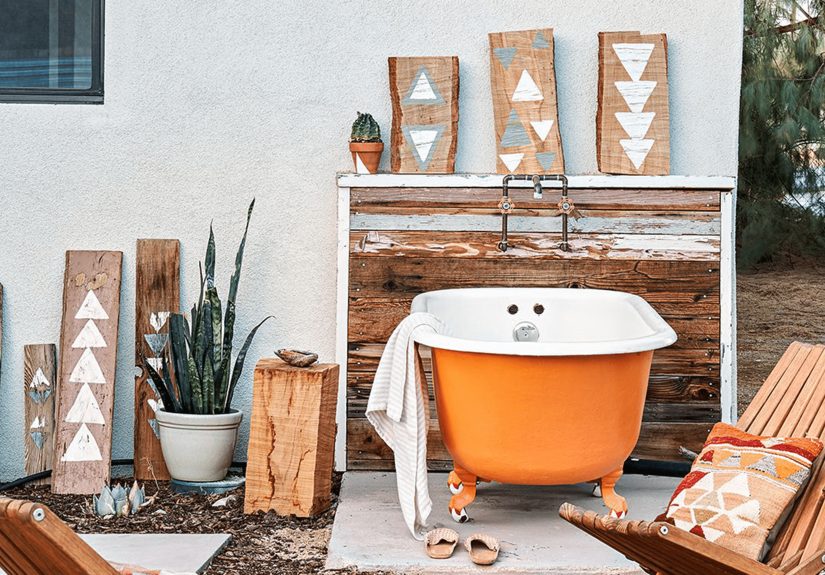
- Outdoor soaking tubs: more like a bathtub outsideoften deeper, simpler, and sometimes heated only when you use it.
- Wood-fired or stock-tank style tubs: rustic, charming, and often DIY-adjacent (which can be adorable or chaotic).
A spa porch is the “built environment” around the tubusually a covered porch, pavilion, or enclosed deck area designed specifically for soaking.
Think: roof overhead, privacy walls, towel hooks, a place to change, storage for chemicals, lighting that doesn’t feel like an interrogation, and flooring that won’t try to end your ankle’s career.
The upfront cost reality: what you’ll likely pay
1) The tub itself (your price range is wider than you think)
The biggest cost variable is the model and material. A “basic” two-to-three-person tub and a feature-packed party tub are not the same species.
In broad, real-world pricing ranges:
- Inflatable tubs: budget-friendly, often hundreds to low-thousands.
- Entry-level permanent tubs: typically start a couple thousand and climb quickly with size and features.
- High-end hot tubs: can reach well into five figuresespecially with premium insulation, filtration, and jet systems.
- In-ground hot tubs: usually cost more due to excavation and construction complexity.
Translation: if your plan is “I’ll get a tub for cheap and call it a day,” you may still end up paying for the things that make it usable:
the pad, electrical work, access steps, cover lifter, privacy, and the “please don’t let my deck collapse” reinforcements.
2) Installation, site prep, and the “surprise math” line items
Installation and site prep can range from fairly simple (level pad + wiring) to “we are basically building a small outdoor room.”
Labor alone can run from hundreds to several thousand, depending on what must be built, upgraded, or permitted.
Common add-on costs include:
- Concrete pad or reinforced patio base (stable, level, drains well).
- Deck or porch build/rebuild (often needed for spa porches).
- Electrical upgrades (new breaker, GFCI protection, disconnect, wiring run length).
- Delivery access (tight gates, slopes, landscaping obstaclesyour yard has opinions).
- Privacy + wind protection (screens, fences, pergola walls, landscaping).
If you’re building a spa porch from scratch, remember: the “tub” is only one part of a bigger project. Covered structures, lighting, and weather-rated finishes can easily push the total higher than the tub itself.
Ongoing costs: the part nobody posts on Instagram
A hot tub is not a “buy once, relax forever” product. It’s more like a small water-and-electricity pet that you must feed regularly.
(Good news: unlike a real pet, it won’t judge you for eating crackers over the sink.)
Electricity: the monthly bill depends on your climate and habits
Running costs vary by tub efficiency, insulation quality, cover discipline, and climate.
In colder regions, the heater works harder. Wind exposure increases heat loss. A poorly insulated cover is basically an open invitation to your utility company.
Practical ways to keep costs sane:
- Use a high-quality insulated cover and keep it on when not soaking.
- Block wind with screens or landscaping (wind is a heat thief with no remorse).
- Set a realistic temperature instead of “volcanic spa mode” 24/7.
- Maintain water chemistrydirty water can make the system work harder and shorten component life.
Maintenance: the weekly routine is real (but manageable)
If you want the water to stay clear, non-gross, and not reminiscent of a science fair project, you’ll be doing simple but consistent maintenance:
testing sanitizer and pH, rinsing filters, wiping the cover, and periodically draining/refilling depending on use.
The good news: once you build the habit, it’s usually 10–20 minutes at a time, not a second job.
The bad news: skipping it turns “spa night” into “why is the water angry?”
The hidden dealbreakers: structure, electrical, moisture, and safety
1) Weight and structural support: hot tubs are basically tiny cars filled with water
Water is heavy. A filled hot tub plus people can create loads that exceed what many standard decks were designed to support.
Some deck guidance warns that hot tub areas may require substantially higher load capacity than a typical residential deck.
If you’re considering a hot tub on a deck or porch:
- Assume reinforcement is needed unless a qualified pro confirms otherwise.
- Plan support under the tub footprint (beams, posts, footings, framing upgrades).
- Don’t “guess and pray”water doesn’t care about optimism.
2) Electrical basics: GFCI protection and proper placement matter
Hot tubs require careful electrical planning. You’re mixing water, people, and powerso this is firmly in “licensed electrician” territory.
Common requirements often include GFCI protection, a disconnect within sight of the tub, and specific placement rules for nearby receptacles.
If a spa porch is part of your plan, include:
- Weather-rated lighting and outlets placed appropriately for a wet environment.
- A convenient, code-compliant service disconnect (so maintenance isn’t a dangerous adventure).
- Path lighting so you can actually see where you’re stepping at night.
3) Moisture and ventilation: spa porches need to “breathe”
A covered spa porch is fantasticuntil trapped moisture starts attacking wood, finishes, and anything else you lovingly installed.
Hot tubs release moisture and heat. Without ventilation, you can create a damp microclimate that encourages mold, mildew, and material wear.
Smart spa porch strategies:
- Ventilation by design: open sides, vents, fans, or louvers depending on enclosure level.
- Moisture-tolerant materials: exterior-rated finishes, proper flashing, corrosion-resistant hardware.
- Drainage that actually drains: slope surfaces and avoid “water trap” corners.
4) Safety: temperature, kids, barriers, and slip prevention
Outdoor tubs are relaxing, but they’re also not toys. If you have children, frequent guests, or a “people love to wander unsupervised” household,
safety planning is part of whether this is worth it.
- Temperature limits matter: extremely hot water can be dangerous, especially for kids and pregnant people.
- Rules for kids: many public health guidelines discourage use for very young children.
- Barriers and covers: fencing, self-closing gates, and secure covers add meaningful protection.
- Slip-resistant surfaces: the walk to the tub is often the most dangerous part of “spa night.”
Do outdoor tubs add value to your homeor just to your life?
Here’s the truth homeowners don’t love hearing: a hot tub often functions like a lifestyle feature more than a universal resale booster.
Some buyers see “luxury.” Others see “maintenance.” Some see “liability.” A few see “used human soup” and immediately request eye bleach.
So the best “return” is usually personal enjoyment, not guaranteed profit.
If you use it consistentlyespecially during shoulder seasons (fall/spring) and winteran outdoor tub can feel like a high-impact quality-of-life upgrade.
If it’s used twice a year, it’s a very expensive patio accessory.
When outdoor tubs and spa porches are absolutely worth it
You’ll actually use it (the “frequency test”)
If you’ll soak 2–4 times a week, the value per use becomes surprisingly reasonable over time.
If you’re more of a “special occasion soaker,” consider an inflatable tub or a simpler soaking setup before building a full spa porch.
You live in a climate where it extends outdoor season
In many areas, a hot tub turns cold nights into “outdoor time” you wouldn’t otherwise have. That’s a big deal if you like entertaining or just want a reason to step away from screens.
You design the space like a system (not a random tub plopped in grass)
The best setups feel intentional: a safe path, privacy, lighting, storage, wind protection, and a dry place to set towels and phones.
That’s why spa porches are so appealingthey solve the annoying parts.
When it’s not worth it (or at least not worth doing “big”)
- You hate routine maintenance and you’re unlikely to hire help.
- Your electrical upgrade is major (long runs, panel upgrades, complicated permitting).
- Your yard layout fights you: no privacy, no access for delivery, poor drainage, or neighbor sightlines that make soaking awkward.
- Your household safety needs are high and barriers/covers won’t be used consistently.
How to build a spa porch that feels like a resort (not a wet hallway)
Design priorities that pay off every single use
- Privacy: slatted walls, fencing, greenery, or a corner placement that blocks sightlines naturally.
- Wind protection: even a partial screen makes the water feel warmer and reduces heat loss.
- Lighting: soft, indirect, and pathway-focused. Nobody wants to soak under stadium lights.
- Storage: a waterproof bench or cabinet for towels, test strips, and spa chemicals (kept safely out of reach of kids).
- Non-slip flooring: textured decking, outdoor tile with slip resistance, or composite rated for wet areas.
- A changing nook: even a small privacy panel and hook makes the space feel finished and comfortable.
Optional upgrades that feel surprisingly “luxury”
- Outdoor shower (even a simple rinse station) to reduce oils/sunscreen going into the tub.
- Sound control: a small water feature or privacy wall can soften neighborhood noise.
- Heat source nearby: a patio heater or fire feature makes the “in-between” moments less chilly.
- Cover lifter: it sounds boring until you realize it makes you use the tub more often.
What about outdoor soaking tubs (non-jet, non-spa)?
Outdoor soaking tubs are having a moment because they’re gorgeous and photogenicand because they promise a slower, simpler vibe than a jet-powered spa.
But practicality depends on your setup:
- Heating the water can be the main hurdle (especially if it’s not always heated like a hot tub).
- Drainage matterswhere does the water go, and is it allowed by local rules?
- Freezing weather creates winterizing needs.
- Cleaning is simpler than a hot tub in some ways, but outdoor debris and insects are very real.
A soaking tub can be “worth it” if your goal is occasional ritual bathing and you’re willing to treat it like a deliberate event.
A hot tub is “worth it” if you want convenienceready-to-go heat, frequent use, and hydrotherapy features.
A quick “worth it” checklist
Answer these honestly (no judgmentyour future self will do that for me):
- Will I use it at least twice a week?
- Do I have a realistic plan for maintenance? (DIY routine or paid service)
- Is the site safe and practical? (drainage, path lighting, privacy)
- Can my structure support it? (deck/porch load planning)
- Can I do electrical work properly and legally? (licensed electrician, permits if required)
- Does my household need barriers/coversand will we actually use them?
If you’re mostly “yes,” it’s probably worth it.
If you’re mostly “ehhh,” scale down: inflatable tub, simpler patio install, or a smaller spa porch that can evolve later.
Owner-style experiences: what people commonly learn after buying an outdoor tub
Below are common experiences homeowners frequently report after installing outdoor tubs and spa porchesespecially during the first season.
Think of this as the “director’s cut” of what the glossy photos don’t show.
1) The cover becomes the real gatekeeper of relaxation
Many people are surprised by how much the cover affects everything: heat retention, debris control, safety, and how often the tub gets used.
A heavy or awkward cover can quietly reduce usagebecause if it feels like wrestling a damp mattress, you’ll “do it tomorrow.”
Add a cover lifter, and suddenly it’s a one-person, no-excuses operation.
2) Water chemistry feels confusing for exactly one week
The first few days often include some variation of: “Why is the water cloudy when I literally did what the bottle said?”
Then people settle into a rhythmtest strips, small adjustments, and a quick weekly routine.
After that, chemistry becomes background maintenance, like refilling windshield fluid (but with more bubbles).
3) The shortest walk is the most important design detail
Homeowners routinely discover that the tub isn’t the issuethe walk to the tub is.
A spa porch shines here: it gives you a dry, lit, non-slip path, a place to put towels, and a way to change without doing interpretive dance behind a shrub.
People who skip these details often end up adding them laterbecause comfort on the way in and out determines whether the tub feels effortless or annoying.
4) Privacy isn’t optionalit’s the difference between “spa” and “stage”
Even confident people tend to prefer not being in a warm bath while the neighborhood casually exists.
Privacy panels, fencing, and landscaping don’t just feel luxurious; they make the tub usable on ordinary nights.
Many owners say they didn’t realize how much “being visible” would reduce their willingness to soak until after installation.
5) Winter soaking is magical… if you planned for it
In cold climates, winter becomes the best seasonsteam rising, quiet air, and the feeling of being smugly warm while the world is cold.
But it only stays magical if you planned: wind blocking, a safe walkway, a place to hang robes, and lighting that keeps you from slipping.
Without those, winter use drops because nobody wants a slippery midnight trek that feels like a survival challenge.
6) The spa porch turns into a “micro-room” with real habits
Owners often say the space becomes a small lifestyle zone: you keep a basket of towels, a robe hook, a waterproof speaker, a little mat for wet feet,
and a routine like “soak, rinse, sit for five minutes under the roof, then go inside.”
When designed well, the spa porch becomes part of the house’s daily flowmore like a backyard den than a random amenity.
7) The biggest satisfaction comes from consistency, not novelty
The first soak feels amazing. The tenth soak feels useful.
That’s when owners start describing benefits like easier bedtime routines, reduced stress, and better decompression after long workdays.
People who love their tubs long-term usually treat them less like a party feature and more like a personal ritual.
Bottom line: outdoor tubs and spa porches tend to be “worth it” when they’re designed for frequent, convenient useand when maintenance and safety are treated as part of the lifestyle, not an afterthought.
Conclusion: So… are outdoor tubs and spa porches worth it?
If you’ll use it regularly, plan the structure and electrical work correctly, and build the surrounding space to make soaking easy (privacy, wind protection, safe paths, storage),
an outdoor tub can be a high-impact lifestyle upgradeespecially when paired with a well-designed spa porch.
If you’re unsure about maintenance, safety needs, or you suspect it’ll become “that thing we meant to use,” start smaller.
A simpler setup can still deliver the joy without turning your backyard into an expensive, wet responsibility.