Table of Contents >> Show >> Hide
- What Is Cleverly Laundry?
- Why Architects Make Surprisingly Good Textile Designers
- The Soft Goods: Towels, Sheets, Robes, and Loungewear
- Material Matters: Cotton, Certification, and Clean Textiles
- The Aesthetic: Old-School Charm Without the Dust
- How to Style Architect-Designed Soft Goods at Home
- Care Tips: How to Keep Towels and Sheets Performing
- Why Cleverly Laundry Still Feels Relevant
- Who Will Appreciate Cleverly Laundry Most?
- Buying Lessons Inspired by Cleverly Laundry
- Experiences Related to Architect-Designed Soft Goods from Cleverly Laundry in Australia
- Conclusion
Some home goods are designed to shout. Cleverly Laundry’s soft goods do the opposite: they lower their voice, straighten their hems, and quietly make your bathroom feel as if an architect has been here with a ruler, a mood board, and a very serious opinion about towels. Originally known for architect-designed bedding, robes, pajamas, and terry towels from Australia, Cleverly Laundry sits in that satisfying corner of the home-design world where everyday objects become unusually thoughtful.
The appeal is not complicated. A towel should dry you. A sheet should feel good against the skin. A robe should make Sunday morning feel less like a negotiation with gravity. Yet most soft goods are treated like afterthoughtschosen by color first, quality second, and durability somewhere near the bottom of the laundry basket. Cleverly Laundry flips that order. The brand’s design language starts with structure, proportion, fabric performance, and restraint. In other words, it brings architectural thinking to the things we touch every day.
That is why “architect-designed soft goods” is more than a cute phrase. It describes a design mindset: measure carefully, simplify what does not need to be loud, and make the useful parts beautiful enough to be left in plain sight. In a home where towels hang on hooks, sheets spill slightly over a mattress, and robes live behind bathroom doors, this kind of precision matters. It turns domestic clutter into domestic calmwithout requiring anyone to become a monk or alphabetize their sock drawer.
What Is Cleverly Laundry?
Cleverly Laundry is an Australian textile brand associated with carefully engineered towels, bedding, robes, pajamas, and other soft goods for the home. The label has been discussed as a Perth-founded project shaped by founders with backgrounds in art and architecture, and its current identity appears under the broader name Cleverly, with a focus on clean textiles, skin comfort, fabric origins, and long-term performance.
The brand’s early coverage highlighted a simple frustration: many towels and bedding products looked pleasant enough on a shelf, but they did not always feel built to last. Too many choices, too much trend-chasing, and not enough attention to how fabric behaves after repeated washing created an opening for something more disciplined. Cleverly Laundry entered that space with the eye of a designer and the fussiness of someone who notices when a hem is not quite right.
Instead of treating towels and sheets as seasonal decorations, the brand treats them as tools for living. That distinction is important. A good towel is not merely “soft” on day one; it should stay absorbent, dry reasonably well, and survive regular use without becoming a sad, scratchy rectangle. A good sheet should not rely on inflated thread-count mythology; it should balance fiber quality, weave, breathability, and finishing. Cleverly Laundry’s reputation grew around that kind of practical luxury.
Why Architects Make Surprisingly Good Textile Designers
At first glance, architecture and towels may seem like distant cousins who only meet at expensive hotels. But they share more DNA than expected. Architecture is about proportion, function, material honesty, and the way humans move through space. Textiles are about proportion, function, material honesty, and the way humans move through morning routines while half-awake and searching for coffee. The scale changes; the design principles do not.
Architectural thinking shows up in Cleverly Laundry’s soft goods through restraint. The brand does not depend on busy prints or novelty colors to create interest. Instead, it leans into quiet details: clean edges, balanced dimensions, considered textures, and fabric that performs. A mitered corner, a carefully stitched hem, or a towel size that actually makes sense may not sound dramatic, but these are the things that separate a good object from one that merely photographs well.
That focus also helps the products feel gender-neutral and timeless. Many home textiles are marketed with either romantic softness or sporty utility, as if bathrooms must choose between a spa day and a locker room. Cleverly Laundry’s aesthetic is more balanced. The colors are typically calm, the forms are simple, and the overall impression is grown-up without being cold. It is less “look at my decorative towel” and more “this towel has its life together.”
The Soft Goods: Towels, Sheets, Robes, and Loungewear
Towels Built Around Texture and Absorbency
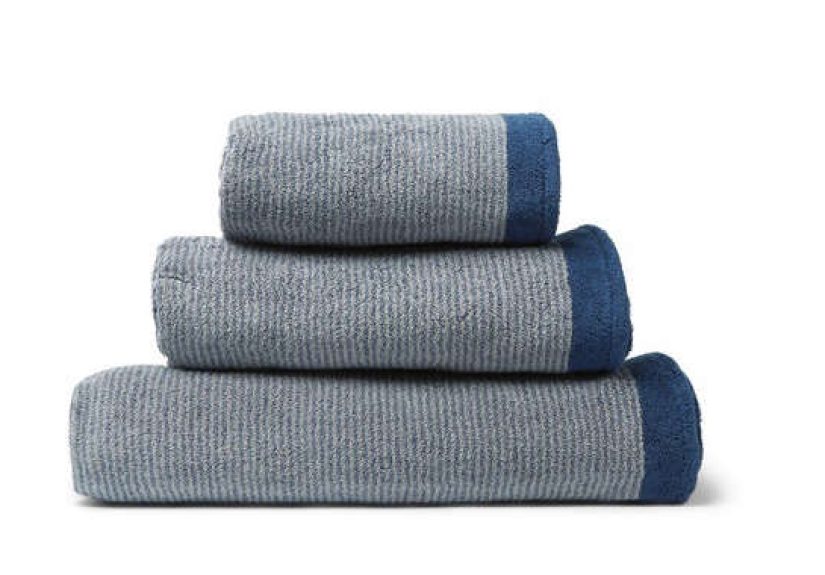
The towel is where Cleverly Laundry’s philosophy becomes easiest to understand. A towel must manage a three-way argument between softness, absorbency, and drying time. Make it too dense and it feels luxurious but may stay damp for ages. Make it too light and it dries quickly but can feel underwhelming. The best towels land in the middle: substantial enough to feel comforting, open enough to breathe, and strong enough to handle regular washing.
Cotton terry has remained a classic for a reason. The looped construction increases surface area, which helps towels pick up moisture efficiently. Textile testing and consumer guides consistently show that cotton terry towels perform well for softness and absorbency, especially when the cotton quality and finishing are strong. Cleverly Laundry’s original appeal was tied to this exact point: not reinventing the towel into a gadget, but refining it like a small piece of domestic architecture.
Sheets That Favor Fiber Quality Over Gimmicks
Sheets are another category where marketing can get hilariously dramatic. Thread count has been treated like a competitive sport for years, but better bedding depends on more than a big number. Fiber length, yarn quality, weave, finishing, and breathability matter. Long-staple cotton tends to produce smoother, stronger yarns, while percale and sateen each create different sleeping experiences: crisp and airy versus smoother and slightly silkier.
Cleverly Laundry’s approach fits the modern bedding conversation: fewer tricks, better materials, and cleaner construction. The goal is not a bed that looks overdesigned. It is a bed that feels quietly luxurious at 11:43 p.m., when nobody cares about your mood board and everyone cares whether the pillowcase feels good.
Robes and Pajamas as Architecture for the Body
The robe may be the most underrated garment in the home. It is part clothing, part blanket, part emotional support system. Cleverly Laundry’s robes and loungewear have been described as extending the same design thinking into garments for rest: generous but not sloppy, simple but not boring, comfortable but still polished enough to answer the door without pretending you were “just about to get dressed.”
This is where the phrase “soft goods” becomes especially useful. These are not just decorative home accessories. They are the fabric objects that mediate between body and space. Towels, sheets, pajamas, and robes are the first and last things many people touch each day. When they are well designed, the whole home feels more intentional.
Material Matters: Cotton, Certification, and Clean Textiles
One reason Cleverly Laundry attracts design-minded shoppers is its attention to textile sourcing and production. The brand has been associated with chemical-free textiles, GOTS and OEKO-TEX certification, and weaving in Portugal. Its current Cleverly identity emphasizes clean textiles, fabric origins, manufacturing specificity, and how materials perform over time.
For shoppers, certifications are useful because they turn vague claims into something more verifiable. GOTS, or the Global Organic Textile Standard, addresses organic fibers and includes environmental and social criteria across the textile supply chain. OEKO-TEX Standard 100 focuses on testing textiles for harmful substances, from yarn to finished product. These labels do not magically make every product perfect, but they do give consumers better signals than a hangtag that simply says “natural,” which is the textile equivalent of a smoothie calling itself “wellness.”
Cleverly’s more recent reclaimed towel concept also reflects a growing interest in circular textiles. Reclaimed fibers can include production waste such as cotton, silk, linen, and cashmere fluff, which can be sorted, spun, and woven into new fabric. This type of material story matters because textile production generates waste long before a product reaches a bathroom shelf. Turning production remnants into usable yarn is not just clever branding; it is a practical response to a real industry problem.
The Aesthetic: Old-School Charm Without the Dust
Cleverly Laundry’s look has often been described as having old-school charm, but not in a fussy way. Think crisp hotel bathroom, European laundry room, and architect’s weekend housenot grandma’s linen closet, unless grandma secretly studied at the Bauhaus. The palette tends to feel quiet and versatile, which makes the products easy to pair with stone, tile, wood, plaster, or painted cabinetry.
This restraint is especially valuable in modern interiors. Many bathrooms already include hard materials: ceramic, marble, chrome, concrete, glass. Soft goods are what keep those spaces from feeling like beautifully lit laboratories. A well-chosen towel adds warmth. A robe on a hook adds humanity. Neutral bedding softens the geometry of a bedroom. Cleverly Laundry’s design language understands that softness is not the opposite of structure; it is the counterweight that makes structure livable.
How to Style Architect-Designed Soft Goods at Home
Use Repetition Like a Designer
The easiest way to make towels look more expensive is not to buy twelve colors. It is to repeat one or two colors consistently. A stack of matching white, gray, navy, clay, or oatmeal-toned towels instantly makes a bathroom feel calmer. Designers use repetition to create rhythm in a room; the same principle works in a linen cabinet. Even if your shampoo bottles are staging a visual rebellion, the towels can still hold the line.
Pair Texture With Simple Surfaces
If your bathroom has flat tile, smooth plaster, or minimal cabinetry, choose towels with visible texture. Terry loops, rice weaves, waffle structures, and ribbed finishes add depth without shouting. In bedrooms, crisp cotton sheets can pair beautifully with a linen throw or a quilted coverlet. The goal is not to make every surface interesting. The goal is to let textures take turns.
Treat Robes Like Part of the Room
A robe does not have to hide. A beautiful terry or cotton robe on a simple hook can make a bathroom feel lived-in and relaxed. Choose a color that relates to the towels or floor tone, and it becomes part of the room’s composition. This is very architect-brained, yes, but it also saves you from throwing the robe over a chair and calling it “soft sculpture.”
Care Tips: How to Keep Towels and Sheets Performing
Beautiful textiles still need proper care. In fact, the better the textile, the more worthwhile it is to treat it well. The number one towel mistake is overusing fabric softener. Fabric softeners can leave residue on cotton fibers, which may reduce absorbency over time. That means the product designed to make towels feel soft can slowly turn them into decorative moisture skeptics.
Wash towels before first use, use a moderate amount of detergent, avoid overloading the machine, and dry thoroughly. For sheets, follow the care label, wash with similar fabrics, and avoid excessive heat when possible. High heat can be useful occasionally for hygiene, but repeated harsh drying may shorten the life of cotton fibers. Line drying can extend fabric life, though it may leave towels stiffer unless they are finished briefly in a dryer or shaken out well.
Rotation also matters. Owning enough towels and sheets to rotate between washes prevents one set from doing all the emotional labor. A practical setup is two to three sheet sets per bed and several towels per person, depending on laundry frequency. This approach feels less glamorous than a design showroom, but it is how good textiles stay good.
Why Cleverly Laundry Still Feels Relevant
Design trends move quickly, but the best home goods age slowly. Cleverly Laundry remains interesting because its core idea still feels current: fewer, better textiles made with material intelligence and visual restraint. In an era of endless online options, that clarity is refreshing. Shoppers are tired of products that arrive beautifully packaged and then fall apart after three washes. They want softness, yes, but they also want evidence of thought.
The brand also fits a larger shift toward “quiet luxury” in the home. This does not mean buying the plainest beige object at the highest possible price. It means caring about construction, fiber, function, and longevity. A towel does not need a logo the size of a sandwich. A sheet does not need a miraculous claim. A robe does not need to make you look like a minor royal. It simply needs to feel excellent and keep doing its job.
Who Will Appreciate Cleverly Laundry Most?
Cleverly Laundry is ideal for people who notice details. If you care how a towel edge is finished, how a robe hangs, how a sheet breathes, or whether a color will still look good next year, this kind of brand makes sense. It is also a smart fit for minimalists who do not want sterile interiors, design lovers who prefer function over flash, and anyone building a more intentional linen closet.
It may not be the right choice for someone who wants loud prints, novelty graphics, or a rainbow of seasonal bathroom themes. That is fine. The world has room for flamingo towels. Cleverly Laundry is simply playing a different game: quieter, more tactile, and more focused on how design improves daily routines.
Buying Lessons Inspired by Cleverly Laundry
Even if you are not buying directly from the brand, its philosophy offers a useful shopping checklist. First, look at fiber quality. Long-staple cotton, organic cotton, linen, and thoughtfully sourced blends usually outperform mystery fibers. Second, study construction. Hems, corners, loops, weave density, and stitching tell you more than a dramatic product name. Third, consider maintenance. If a towel requires impossible care, it is not practical luxury; it is a part-time job.
Fourth, buy fewer colors and better basics. A linen closet with six excellent towels is often more satisfying than one packed with twenty tired ones. Fifth, remember that softness on a store shelf is not the whole story. Some products are treated to feel plush before purchase but lose absorbency later. The real test is how they behave after repeated washing.
Experiences Related to Architect-Designed Soft Goods from Cleverly Laundry in Australia
The experience of living with architect-designed soft goods is quieter than most product reviews make it sound. There is no cinematic moment when a towel changes your destiny. No one walks into the bathroom, sees a neatly folded bath sheet, and whispers, “At last, civilization.” But the change is real. It happens in small, repeatable ways.
Imagine stepping out of the shower and reaching for a towel that feels balanced: not flimsy, not absurdly heavy, not so plush that it behaves like a damp rug. It wraps easily, absorbs quickly, and hangs without looking like a defeated blanket. That sounds simple, but simplicity is often the hardest thing to design. Cleverly Laundry’s appeal comes from this kind of ordinary improvement. The product does not demand attention; it removes friction.
The same is true in the bedroom. Good sheets do not need to announce themselves every night. They simply make the bed feel easier to enter and harder to leave. Crisp cotton can make a warm room feel fresher. A smoother weave can make winter layering feel more comfortable. A well-proportioned pillowcase can stay in place instead of performing a nightly escape act. These little details shape how restful a room feels.
In a guest bathroom, architect-designed soft goods can also communicate hospitality without overdecorating. A stack of matching towels, a restrained color palette, and a robe on a hook say, “Someone thought about your comfort,” which is far better than a decorative sign that says “Relax” while the towel feels like sandpaper. Guests may not identify the design logic, but they will feel the result.
There is also a psychological pleasure in owning fewer things that work better. A carefully chosen set of towels can make a linen closet easier to manage. Matching sizes stack neatly. Neutral colors mix well. Durable fabrics reduce the annoying cycle of buying replacements too often. This is where the architectural mindset becomes practical: good systems reduce mess. A thoughtful linen system may not sound glamorous, but neither does plumbing, and we all appreciate it when it works.
The experience becomes even more noticeable after washing. Many textiles are lovely at first and disappointing later. A well-made towel should improve or at least hold steady with proper care. A good robe should become familiar rather than floppy. Sheets should soften without thinning dramatically. When soft goods are designed with endurance in mind, the relationship becomes less disposable. You stop treating them like temporary accessories and start treating them like part of the home.
That is the real charm of Cleverly Laundry’s design philosophy. It makes the private parts of daily life feel considered. The morning shower, the late-night bed turn-down, the slow Sunday coffee in a robethese are not magazine moments, but they are the moments people actually live in. Architect-designed soft goods honor those routines by giving them better materials, better proportions, and a little more dignity.
Conclusion
Architect-designed soft goods from Cleverly Laundry in Australia prove that luxury does not have to be loud. The brand’s strength lies in disciplined design, clean materials, thoughtful construction, and an understanding that towels, sheets, robes, and pajamas are not background objects. They shape comfort every single day.
For homeowners, renters, design lovers, and anyone tired of towels that give up before the year is over, Cleverly Laundry offers a useful lesson: choose textiles the way an architect might choose materials for a building. Look for proportion, performance, durability, and beauty that does not need to shout. The result is a home that feels calmer, smarter, and softer in all the right places.
Note: This article is written for web publication in standard American English and is based on verified brand information, textile standards, and current home-design research.