Table of Contents >> Show >> Hide
- What This Faucet Is (and Why “Widespread” Actually Matters)
- The “Antico Brass” Look: Warm, Aged, and Intentionally Not Perfect
- Palladian Style Without the Architecture Lecture
- Performance: What You’ll Notice Every Single Day
- Fit Check: Will It Work With Your Sink and Vanity?
- Installation Overview (DIY-Friendly, but Bring Snacks)
- Maintenance: Keep the “Antico” Charming, Not Crusty
- Standards, Certifications, and the Quiet Comfort of Boring Details
- Buying Notes: Availability, Alternatives, and Matching Pieces
- Is It Worth It? Who This Faucet Makes Happy
- Real-World Experiences With the Antico Brass Palladian Widespread Bathroom Faucet
- Conclusion
Some bathroom upgrades whisper. This one walks in wearing a tweed blazer, holding a fountain pen, and casually
making your builder-grade vanity feel underdressed.
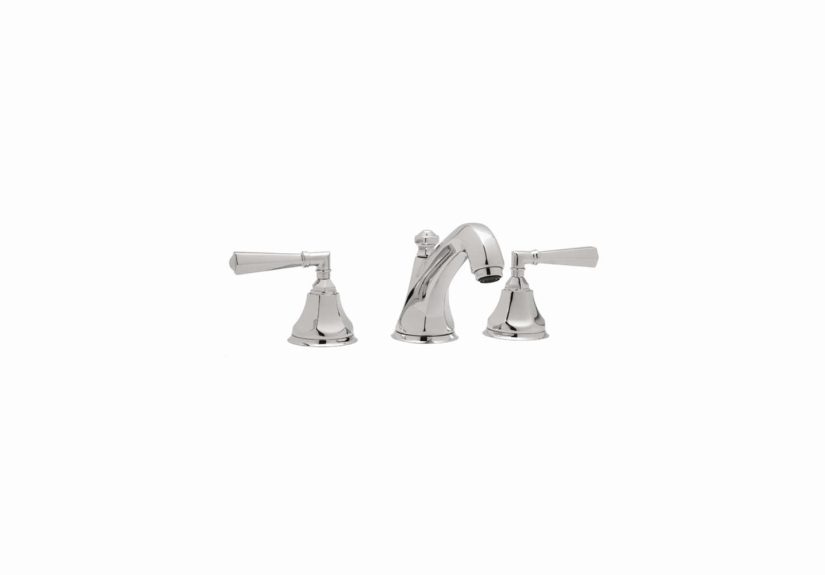
The Antico Brass Palladian Widespread Bathroom Faucet is for anyone who wants classic, old-world
charm without committing to an actual castle (or the upkeep schedule of one). It’s a traditional, three-piece,
widespread lavatory faucet with an intentionally aged brass lookdesigned to feel collected, not “just bought
five minutes ago.”
What This Faucet Is (and Why “Widespread” Actually Matters)
“Widespread” isn’t a marketing adjective like “artisan” or “premium.” It’s a real installation type. Instead of
one single faucet body on a deck plate, a widespread faucet uses three separate components:
the spout in the center, plus hot and cold handles on either side. Under the counter, flexible connections
link everything together, which is why widespread setups typically accommodate an 8-inch to 16-inch
handle spread, depending on the sink or vanity drilling.
Quick Spec Snapshot (the stuff you check before you fall in love)
- Flow rate: 1.2 GPM (gallons per minute)
- Spout reach: 5-3/4″
- Spout height to outlet: 3-11/64″
- Configuration: 3-hole widespread
- Valving: 1/4-turn ceramic valves / ceramic disc cartridges
- Construction: solid brass faucet body
- Drain: pop-up / lift-rod drain assembly commonly included (varies by listing)
Translation: it’s a water-saving, traditional-style faucet with the proportions to look “right” on a classic
vanity and the separate components that make widespread faucets feel a little more custom and intentional than
a one-piece centerset.
The “Antico Brass” Look: Warm, Aged, and Intentionally Not Perfect
Antico brass is all about patina vibesthat softly aged, honeyed-metal finish that makes a
bathroom feel less like a showroom and more like a space someone actually lives in (and maybe owns a nice hand
soap).
Aged brass finishes tend to play nicely with:
- White marble or marble-look quartz (classic contrast, always a win)
- Warm neutrals like cream, greige, and taupe (the brass does the “jewelry” job)
- Moody paint colors (deep green, navy, charcoalbrass looks expensive against dark walls)
- Natural wood vanities (oak, walnut, even painted shaker styles)
If your bathroom currently feels a bit… polite, antico brass adds that “collected over time” energy. It’s the
design equivalent of owning a vintage watch: you don’t need it, but it makes everything else look better.
Palladian Style Without the Architecture Lecture
“Palladian” in faucet-land usually signals a traditional silhouette: balanced proportions,
classic handle shapes, and details that look like they belong beside wainscoting, beadboard, or a mirror with a
frame that has a little drama (the good kind).
The vibe is elegant without being fussy. You’re not installing a faucet that demands a butler. You’re installing
one that looks great even if your “spa day” is just closing the door and pretending you can’t hear anyone.
Performance: What You’ll Notice Every Single Day
1.2 GPM: Water-Saving Without the Sad Drizzle
A 1.2 GPM bathroom faucet is in the “efficient but still usable” sweet spotespecially with a well-designed
aerator that keeps the stream feeling full. In practical terms, it helps reduce water use compared with older
higher-flow faucets while still handling normal handwashing without turning your sink into a patience exercise.
If you’ve ever used a poorly designed low-flow faucet that felt like it was whispering water at your hands from
a great distance, don’t panic. Flow rate is only part of the story; aeration and spray pattern matter, too.
Ceramic Valves: The Quiet Hero of Not Having Drips
The Palladian widespread designs are commonly described with 1/4-turn ceramic valves (or ceramic
disc cartridges). This is the “turn it a little, get water immediately” feel, and ceramic components are widely
used because they’re durable and help resist the slow creep toward drip-city.
Bonus: you’ll appreciate this at 2 a.m. when you realize the only thing louder than the house is a faucet that
won’t stop dripping like it’s auditioning for a suspense movie.
Solid Brass Construction: Not Just for Bragging Rights
Solid brass faucet bodies are popular in higher-end fixtures for good reason: they’re durable, corrosion-resistant,
and feel substantial. That “nice weight” is the difference between a fixture that feels like it belongs in a
thoughtfully renovated bathroom and one that feels like it came free with a coupon.
Fit Check: Will It Work With Your Sink and Vanity?
Hole Count and Spacing
This faucet style is built for three-hole installation. If your sink has one hole (single-hole
faucet) or a 4″ centerset layout, this won’t be a plug-and-play swap. Widespread layouts are typically designed
around a spread that can land roughly anywhere from 8″ to 16″ between handles, depending on the
model and your sink drilling.
Counter Thickness and Underside Reality
Some retailer descriptions note compatibility with decks up to around 1-11/16″ thick, which is
helpful if you’re dealing with chunky stone tops or a vanity with an integrated counter.
Also: give yourself a sanity check under the sink. Widespread faucets involve more under-counter connections than
a single-hole faucet. If your vanity looks like it stores plumbing, cleaning supplies, and the ghosts of three
previous renovations, plan a quick tidy before installation.
Connections and Compatibility
Many Palladian widespread spec sheets reference 1/2″ NPT connectors. That’s common in plumbing,
but it’s still worth verifying your shutoff valves, supply lines, and any adapters you might needespecially in
older homes where plumbing decisions were apparently made during a long lunch.
Installation Overview (DIY-Friendly, but Bring Snacks)
If you’re handyand comfortable working under a sink where time moves differentlyinstalling a widespread bathroom
faucet can be a satisfying upgrade. The key is patience, good lighting, and not “gorilla-tightening” fittings.
Tools You’ll Actually Use
- Basin wrench (the MVP for hard-to-reach nuts)
- Adjustable wrench
- Bucket and towels (because water is a comedian)
- Putty knife / scraper (for old sealant)
- Rags + rubbing alcohol (for clean mounting surfaces)
A Clear, Real-World Step Flow
- Turn off hot and cold shutoff valves under the sink, then open the faucet to relieve pressure.
- Disconnect supply lines and remove the old faucet hardware from below.
- Remove the old drain if you’re switching to a matching pop-up drain assembly.
- Clean the sink/counter surface thoroughly so gaskets and seal points can actually seal.
- Install the spout in the center hole, align it, then secure from below.
- Install hot and cold valves/handles through their holes and snug them evenly.
- Connect the under-counter lines between valves and spout tee (finger-tight first, then modest tightening).
- Install the pop-up drain assembly, connect lift rod, and confirm smooth open/close action.
- Reconnect supply lines, turn water back on slowly, and check for leaks.
- Final test: hot/cold orientation, full range of handle motion, and no drips at rest.
Pro tip: take a quick photo of the under-sink plumbing before disassembly. Future-you will treat past-you like a
thoughtful roommate.
Maintenance: Keep the “Antico” Charming, Not Crusty
Daily 30 Seconds That Saves You Later
Brass finishesespecially warm, aged toneslook their best when you prevent water spots and soap residue from
staging a long-term takeover. A quick rinse and a gentle wipe with a soft cloth keeps the finish looking intentional
rather than “minerals, but make it fashion.”
Cleaner Rules That Protect the Finish
Most major manufacturers recommend a simple approach: mild soap, water, soft cloth, rinse, dry. Avoid abrasive pads,
harsh chemicals, bleach, ammonia, and aggressive “miracle” cleaners that promise a lot and quietly steal your finish.
If Your Brass Acts Like a “Living Finish”
Some brass finishes are designed to change over time, darkening in low-touch areas and brightening where hands
frequently contact the metal. If your particular antico brass finish behaves this way, treat it gently and consider
occasional protective wax (only if the manufacturer supports it). The goal is controlled characternot accidental chaos.
Hard Water Households: Your Faucet Has a Nemesis
If you live where water leaves evidence, drying the fixture after use becomes the easiest “maintenance hack” on earth.
It’s not glamorous, but neither is scrubbing around a spout base with a toothbrush because minerals moved in rent-free.
Standards, Certifications, and the Quiet Comfort of Boring Details
Bathroom faucets don’t just have to look good; they also live in a world of standardsflow rates, material safety,
and “please don’t put harmful stuff in the water” requirements.
-
Water efficiency: Many Palladian widespread listings are paired with low-flow performance (often
1.2 GPM at 60 PSI), and you’ll frequently see WaterSense positioning in the category. -
“Lead-free” compliance: In the U.S., “lead free” is defined by a weighted average lead content limit
across wetted surfaces (and reputable brands typically certify to relevant standards). -
Testing standards: You may see references to plumbing performance standards (like ASME/CSA) and
NSF standards related to drinking-water contact materials, depending on the spec sheet or retailer listing.
You don’t need to memorize this. You just want to know the faucet is engineered and tested like a real product,
not a decorative object that also happens to spit water.
Buying Notes: Availability, Alternatives, and Matching Pieces
A quick heads-up that matters in the real world: some retailers have flagged the Antico Brass finish
as discontinued for certain Palladian widespread models. That doesn’t mean it’s mythicaljust that it may be limited
to remaining inventory, resale channels, or older stock.
If you love the Palladian shape but can’t find antico brass:
- Look at adjacent warm finishes in the same collection (varies by model and current catalog).
- Commit to the silhouette first; finish can be adapted across your hardware plan.
- Bring a physical finish sample (or at least compare under warm and cool lighting) before matching accessories.
Matching tip: keep all “metal moments” in the room on a clear plan. If the faucet is warm antique brass, a polished
chrome towel bar may feel like it wandered in from another bathroom’s timeline.
Is It Worth It? Who This Faucet Makes Happy
A faucet like this earns its keep when you care about long-term feel, not just “it turns on.” It’s a strong fit if:
- You want a classic, elevated look that doesn’t feel trendy in a year.
- You like the idea of a widespread layout for a more custom, furniture-like vanity feel.
- You value solid brass + ceramic valves for durability and a smoother daily experience.
- You’re building a warm metals palette (brass, bronze, aged gold) and want the faucet to anchor it.
It might not be the best match if you need a quick swap for a 4″ centerset sink, or if you prefer ultra-modern
minimalism where every line is sharp enough to slice a bagel.
500+ words of experience-based content (composite, real-world style)
Real-World Experiences With the Antico Brass Palladian Widespread Bathroom Faucet
In real bathrooms (the kind with toothpaste, hair ties, and that one drawer that’s basically a tiny junk museum),
a faucet like the Antico Brass Palladian widespread tends to deliver two big “experience wins”: it looks finished,
and it feels deliberate. People often describe the first impression as, “Ohthis is the piece that makes the vanity
look like it belongs here.” Widespread hardware creates visual spacing, and that breathing room can make even a modest
countertop feel more high-end.
The second win is the daily-use feel. Traditional two-handle widespread faucets with ceramic valves typically give a
controlled, predictable action. You don’t get that loose, wobbly sensation some lower-end fixtures develop after a
few months. Instead, it’s the kind of turn where you can set a comfortable temperature and repeat it tomorrow without
feeling like you’re cracking a safe.
Now for the honesty section (because every nice thing has a personality). Brass finishesespecially warm, aged ones
can make water spots more noticeable depending on your lighting and water quality. In hard-water areas, users commonly
report that the faucet stays gorgeous longer when they adopt a simple habit: a quick wipe-down after the last use of
the day. It’s not a deep-clean; it’s more like telling the faucet, “I see you, and I’m not letting calcium carbonate
move in.”
Installation experiences usually break into two camps. Camp A: “This was straightforward and I feel powerful now.”
Camp B: “Why is my spine shaped like a question mark?” Widespread installs can be easier when the sink is off the
vanity (or the vanity top is newly installed), because you have access to the underside without doing contortions.
When installing into an existing, already-plumbed vanity, people often mention that a basin wrench and good lighting
are the difference between a smooth project and a dramatic one-person play.
Another common experience note: alignment matters more than you think. Because the spout and handles are separate
pieces, people tend to spend a little extra time getting the spacing perfectly symmetrical. The payoff is huge. When
it’s centered and even, the faucet looks like it was designed for the sink. When it’s “close enough,” your eyes
notice every timequietly, forever.
In households with kids or frequent guests, the lever-handle setup tends to be popular because it’s intuitive. No one
stands there squinting like they’re trying to decode an ancient dial. Left is hot, right is cold, and your visitors
remain blissfully unaware that you have standards.
Finally, there’s the long-term style experience: antico brass finishes often look better as the room becomes more lived-in.
That’s the magic of an aged aestheticit doesn’t demand perfection. It’s forgiving with vintage mirrors, textured tile,
and soft, layered décor. In other words, it fits real life. And if your bathroom design goal is “effortless,” a faucet
that already looks like it has a story is doing half the work for you.
Conclusion
The Antico Brass Palladian Widespread Bathroom Faucet is a classic upgrade that blends traditional
design with modern expectations: efficient flow, durable ceramic valving, and a solid, substantial build. The widespread
format adds that custom, tailored lookwhile the antico brass finish brings warmth and character that can make the whole
bathroom feel more intentional.
If you want a faucet that feels like it belongs in a beautifully put-together home (even if your reality includes
a mountain of laundry), this one is a strong contenderespecially when paired with thoughtful lighting, matching warm
metals, and a simple care routine that keeps the finish looking richly aged instead of accidentally neglected.