Table of Contents >> Show >> Hide
- Why Macro Nature Photography Feels So Addictive
- 24 Tiny Nature Scenes That Become Extraordinary Through A Macro Lens
- 1. Dew Drops On Grass Before Sunrise
- 2. A Flower’s Pollen-Dusted Center
- 3. Mushrooms After Rain
- 4. A Bee Covered In Golden Dust
- 5. Spider Web Threads Lit By Side Light
- 6. The Veins Of A Fallen Leaf
- 7. A Snail Navigating A Mossy World
- 8. Frost On Petals Or Seed Heads
- 9. Butterfly Wings At Rest
- 10. A Ladybug On A Curved Stem
- 11. Water Droplets On Moss
- 12. The Texture Of Tree Bark
- 13. A Dragonfly Resting In Soft Morning Light
- 14. Seed Heads Ready To Fly
- 15. Raindrops Hanging From Pine Needles
- 16. Tiny Wildflowers In A Messy Field
- 17. Lichen On Stone Or Wood
- 18. Ants At Work
- 19. The Underside Of A Mushroom
- 20. A Butterfly Chrysalis Or Cocoon
- 21. Fern Spirals Unfurling
- 22. A Jumping Spider’s Face
- 23. Petal Edges Lit From Behind
- 24. A Single Droplet Reflecting The World Around It
- What Makes A Great Macro Lens Nature Photo?
- Why People Can’t Stop Looking At Close-Up Nature Photos
- My Experience Chasing Tiny Wonders With A Macro Lens
- Conclusion
- SEO Tags
Note: Body-only HTML as requested. Clean for web publishing; no source placeholders included.
Most people walk past nature like they’re speed-running life. A leaf is just a leaf. A mushroom is just a mushroom. A tiny spider web? Basically invisible unless you accidentally wear it as a face accessory. But macro photography changes that in a hurry. Put a macro lens on your camera and the ordinary world starts acting like it has been secretly auditioning for a sci-fi movie the whole time.
That’s the real magic behind a collection like “An Amazing World Right Under Your Nose”: it doesn’t need exotic locations, rare animals, or a helicopter budget. It just needs patience, curiosity, and the willingness to kneel in the dirt while your neighbors wonder whether you’ve finally lost it. Close-up nature photography turns petals into architecture, droplets into crystal balls, moss into forests, and insects into armored little dragons with very serious face expressions.
In this article, we’ll explore why macro lens nature photos are so mesmerizing, what makes a close-up image memorable, and the kinds of tiny natural scenes that can produce the most jaw-dropping results. Along the way, you’ll get a guided tour through 24 macro photo ideas inspired by the hidden details of the natural world, plus practical insights on lighting, focus, depth of field, and the surprisingly emotional experience of slowing down enough to really see what’s around you.
Why Macro Nature Photography Feels So Addictive
Macro photography is one of the few genres where smaller really does mean better. Instead of chasing epic mountain vistas, you get to chase details: pollen grains, veins in leaves, water droplets on moss, the texture of bark, the geometry of seed heads, the lacework inside a flower, or the otherworldly look of a mushroom cap after rain. It’s nature photography on a tiny stage, and somehow the drama only gets bigger.
That’s because a macro lens doesn’t just enlarge a subject. It changes the way we look. Suddenly, texture matters more. Light becomes fussier. Background clutter becomes public enemy number one. And a subject that seemed boring from standing height starts revealing shape, symmetry, contrast, and color you never noticed before. Macro work rewards patience in a world that usually rewards speed, which may be why it feels so refreshing.
It also democratizes beauty. You don’t need a safari. You don’t need a national park five states away. You might find your next favorite subject in a backyard flower bed, at the edge of a sidewalk, near a pond, or clinging to a damp log after a storm. The hidden world is not hiding very hard. Most of us are just walking too fast to notice it.
24 Tiny Nature Scenes That Become Extraordinary Through A Macro Lens
1. Dew Drops On Grass Before Sunrise
Nothing says “macro lens nature photos” quite like a blade of grass wearing morning dew like expensive jewelry. Backlit droplets can look like tiny lanterns, and a single strand of grass can suddenly feel like a whole landscape.
2. A Flower’s Pollen-Dusted Center
From a normal distance, a flower is pretty. Up close, it becomes a cathedral of texture. Pollen, stamens, and petal ridges create layers of detail that feel almost architectural, like nature hired an interior designer with no concept of moderation.
3. Mushrooms After Rain
Small mushrooms are among the best macro subjects in the natural world. Their caps, gills, droplets, and soft forest surroundings create a moody, cinematic look that makes even a patch of damp ground feel mysterious and dramatic.
4. A Bee Covered In Golden Dust
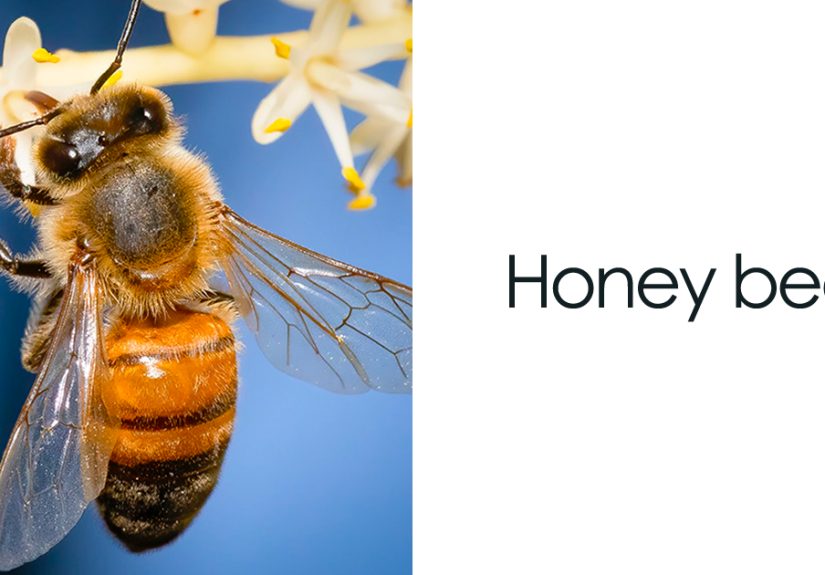
Macro insect photography shines when it captures both behavior and detail. A bee gathering nectar is already fascinating, but zoom in and suddenly you notice pollen-packed legs, fuzzy textures, and wings that look like stained glass.
5. Spider Web Threads Lit By Side Light
A spider web can go from invisible nuisance to engineering masterpiece in one quick shift of angle and light. Side lighting helps reveal the strands, while dew or mist adds sparkle that makes the web look almost unreal.
6. The Veins Of A Fallen Leaf
Leaves are macro superstars because they age so beautifully. Fresh leaves glow. Dry leaves crackle with texture. Backlit veins can resemble river systems, maps, or branching lightning, proving that autumn is basically free abstract art.
7. A Snail Navigating A Mossy World
A snail becomes strangely heroic when photographed up close. The shell spirals, the glistening body, the slow movement across moss or bark—it all starts to look less like a garden visitor and more like an explorer crossing wild terrain.
8. Frost On Petals Or Seed Heads
Cold weather turns tiny natural subjects into crystal sculpture. Frost outlines edges, exaggerates patterns, and gives macro images a delicate, high-detail look that feels part botanical study and part winter fantasy.
9. Butterfly Wings At Rest
Butterfly wings are a masterclass in pattern and color. Macro photography reveals scale-like textures, subtle wear, and color gradients invisible from farther away. Suddenly, what looked delicate from a distance also looks brilliantly engineered.
10. A Ladybug On A Curved Stem
Some subjects work because they bring instant visual simplicity. A ladybug on a single stem gives you strong color contrast, a clean focal point, and enough charm to make even non-photographers say, “Okay, that one is ridiculously cute.”
11. Water Droplets On Moss
Moss is one of the most underrated macro subjects in nature. Photograph it low enough and it stops looking like ground cover and starts looking like a miniature forest. Add droplets, and the scene becomes downright enchanted.
12. The Texture Of Tree Bark
Bark is macro photography’s answer to abstract painting. Cracks, ridges, flakes, and lichen growth create rich compositions that often work best when you focus on pattern rather than trying to show the whole tree.
13. A Dragonfly Resting In Soft Morning Light
Dragonflies can look intimidating from up close in the best possible way. Their huge compound eyes, transparent wings, and mechanical-looking bodies make them ideal for dramatic close-up photography when they sit still long enough to cooperate.
14. Seed Heads Ready To Fly
Dandelions and other seed heads are classic close-up subjects because they combine structure and fragility. One small breeze can change everything, which means photographing them feels equal parts meditation and comedy sketch.
15. Raindrops Hanging From Pine Needles
Pine needles, especially after rain, create elegant, minimalist macro compositions. The lines are clean, the droplets catch light beautifully, and the whole image can feel calm, quiet, and just a little smug about its simplicity.
16. Tiny Wildflowers In A Messy Field
Small flowers often look better in macro than in wide shots because close-up framing removes visual chaos. What looked like random roadside clutter becomes a soft, dreamy portrait with creamy background blur and surprising personality.
17. Lichen On Stone Or Wood
Lichen is wonderful because it barely looks real. Its textures can resemble coral, paint splatter, or tiny alien cities. A macro lens helps isolate those shapes and transform an overlooked patch of growth into something unforgettable.
18. Ants At Work
Ants are excellent macro subjects for storytelling. Photograph one carrying a fragment of leaf, food, or nest material, and the image instantly gains action, scale, and narrative. It’s wildlife photography, just with smaller boots.
19. The Underside Of A Mushroom
The underside of a mushroom is where the real visual drama often lives. Gills, pores, and radial structures photograph beautifully from low angles, especially when soft light skims across them and reveals every tiny contour.
20. A Butterfly Chrysalis Or Cocoon
Macro photography excels at capturing transition, and few natural subjects embody that better than a chrysalis or cocoon. The textures are subtle, the shapes are unusual, and the sense of waiting gives the image quiet emotional weight.
21. Fern Spirals Unfurling
Ferns bring elegant geometry to close-up nature photography. Their curled forms create natural leading lines and graceful curves, and when photographed early in their growth, they look like green sculptures caught mid-unfold.
22. A Jumping Spider’s Face
Yes, some people will scream first and admire later. But jumping spiders are macro celebrities for a reason. Their huge forward-facing eyes, fuzzy bodies, and unexpectedly expressive faces make them oddly adorable and wildly photogenic.
23. Petal Edges Lit From Behind
Backlighting can turn ordinary petals into glowing translucent paper. The finest edges light up, color intensifies, and even a simple flower portrait gains atmosphere. It’s one of the easiest ways to make a close-up image feel luminous.
24. A Single Droplet Reflecting The World Around It
Water droplets are tiny optical tricks. With careful positioning, they can reflect a flower, leaf, or patch of sky, creating an image that feels both delicate and clever. It’s one of macro photography’s favorite little magic acts.
What Makes A Great Macro Lens Nature Photo?
The best macro images do more than prove a lens can focus close. They have intention. A memorable shot usually has one clear subject, controlled light, and a background that supports the image instead of starting a fight with it. In close-up photography, tiny distractions become huge distractions, so composition matters just as much as magnification.
Focus is another make-or-break issue. Depth of field gets comically thin at close distances, which means even a slight movement from your camera, your subject, or a passing breeze can throw off sharpness. Sometimes a dreamy blur is exactly the right creative choice. Other times you want tack-sharp detail across more of the subject, which is where careful aperture choices, stabilization, patience, and even focus stacking come into play.
Lighting matters just as much. Soft natural light in the early morning or late afternoon often works beautifully because it reveals texture without turning every highlight into a tiny explosion. In low light, a subtle flash, LED, or reflector can help bring out details without making the subject look like it has been interrogated under stadium lights.
And finally, the strongest macro nature photography respects the subject. That means no rough handling, no damaging plants for a cleaner composition, and no disturbing wildlife just to get a better angle. The whole point of photographing hidden beauty is to appreciate it, not bully it into cooperating.
Why People Can’t Stop Looking At Close-Up Nature Photos
There’s a reason macro galleries spread so quickly online. They combine surprise and familiarity in the same frame. Viewers recognize the subject—a flower, a bug, a leaf, a droplet—but they don’t recognize it like this. The image reveals a hidden version of something ordinary, and that contrast is incredibly satisfying.
Macro images also invite people to linger. Big scenes are often read quickly: nice mountain, lovely sunset, moving on. Tiny scenes ask the eye to slow down. You inspect the textures, the patterns, the details, the weirdness. The longer you look, the more you notice. That kind of visual reward is gold for readers, viewers, and anyone tired of scrolling past the same old polished content.
In a strange way, macro photography is both spectacle and mindfulness. It’s flashy because the details are stunning, but it’s calming because the practice depends on attention. That combination is rare, and it’s exactly why a title like “An Amazing World Right Under Your Nose” works so well. It promises wonder without requiring distance. The miracle is local.
My Experience Chasing Tiny Wonders With A Macro Lens
The most surprising thing about shooting nature with a macro lens isn’t just what the camera sees. It’s what you start seeing before the camera even comes out. After a while, your brain changes gears. You stop scanning for giant postcard scenes and start noticing the overlooked corners of the world: the glow of a wet leaf, the tiny hairs on a stem, the way a droplet hangs from the edge of moss like it’s trying to decide whether gravity is really in charge.
I’ve had days where I went out thinking I needed a dramatic subject and came home obsessed with a patch of clover. Not glamorous clover, either. Just regular, humble, living-its-best-life clover beside a path. But under magnification, it had depth, texture, and sparkling droplets that looked like they had been styled by a luxury brand. Macro photography has a hilarious way of humbling your assumptions about what is worth photographing.
It also teaches patience in a very specific, occasionally ridiculous way. You crouch. You lean in. You frame the shot. A tiny breeze arrives from nowhere like a comedian with perfect timing. The flower moves. The insect departs. Your focus misses by one microscopic breath. So you try again. And then again. Somewhere in that repetition, frustration gives way to attention. You begin to work with the scene instead of trying to conquer it.
Some of the most rewarding moments happen when the subject seems almost too ordinary to bother with. A brown leaf. A little mushroom. A bit of bark with some lichen on it. These subjects don’t beg for attention. They reward it. And that feels different from other kinds of photography. It feels less like hunting and more like discovering.
I’ve also found that macro work changes the emotional tone of a walk outdoors. Even familiar places become full of possibility. A local park stops being “the same old park” and becomes a rotating gallery of petals, seed heads, insects, bark textures, reflections, and weather effects. Rain becomes useful. Fog becomes useful. Dew becomes extremely useful. Suddenly, mediocre weather is no longer an obstacle. It’s production value.
There’s something deeply satisfying about making a viewer say, “Wait—what is that?” and then realizing the answer is something they pass every day. That reveal is the whole game. Macro lens photography reminds us that wonder is not always hiding somewhere far away. Sometimes it is clinging to a stem, glowing inside a droplet, or unfolding quietly in the grass while the rest of us stomp past on our way to something “important.”
In the end, that’s why this kind of photography sticks with people. It doesn’t just show nature. It reintroduces us to it. And once you’ve seen an entire universe in a patch of moss, it becomes very hard to go back to pretending the ground is just the ground.
Conclusion
“An Amazing World Right Under Your Nose” is more than a catchy title. It’s the entire philosophy of macro nature photography packed into one sentence. The beauty isn’t hidden because it’s rare. It’s hidden because most of us are busy, distracted, and looking at everything from too far away. A macro lens fixes that. It makes the small feel epic, the familiar feel strange, and the ordinary feel worth celebrating.
Whether you’re photographing insects, flowers, droplets, moss, mushrooms, leaves, or tiny textures on the forest floor, close-up nature photography offers one of the most rewarding ways to build creativity without needing distant travel or elaborate setups. Sometimes the most incredible picture you take all year is waiting three feet from your shoe.