Table of Contents >> Show >> Hide
- Why Macro Nature Photography Feels So Magical
- The 24 Pictures: Tiny Subjects, Big Personalities
- 1. A bee dusted in pollen
- 2. A ladybug climbing a blade of grass
- 3. Dew on a spiderweb
- 4. Mushroom gills after rain
- 5. A butterfly wing close-up
- 6. A snail shell in side light
- 7. Frost crystals on a leaf
- 8. An ant carrying something ridiculous
- 9. A dragonfly eye
- 10. Fern fronds unfurling
- 11. Moss growing on bark
- 12. A water droplet on a flower petal
- 13. Lichen on a rock
- 14. A seed pod splitting open
- 15. A fly on a window or leaf
- 16. A dandelion gone to seed
- 17. Bark patterns on an old tree
- 18. Tiny fungi on decaying wood
- 19. Raindrops lined up on a stem
- 20. A bee drinking from a bloom
- 21. A feather caught in weeds
- 22. A curled dead leaf with perfect veins
- 23. A tiny jumping spider looking directly at the camera
- 24. A wildflower center packed with detail
- What a Macro Lens Adds That Your Eyes Usually Miss
- How to Photograph Tiny Nature Scenes Without Making Them Miserable
- Why These 24 Macro Nature Pictures Work So Well Online
- Field Notes From Behind the Macro Lens: A 500-Word Experience Reflection
- Conclusion
- SEO Tags
Note: This is body-only HTML in standard American English, formatted for easy copy and publish.
Most people walk past a patch of moss, a sleepy bee, or a dew-covered spiderweb without giving it a second thought. Fair enough. We are busy creatures with calendars, coffee, and a suspicious number of unopened tabs. But a macro lens has a way of interrupting that routine. Suddenly, the backyard stops acting like a backyard and starts auditioning for a nature documentary. The ordinary becomes theatrical. A mushroom looks architectural. Pollen turns into golden dust. A tiny fly appears to have better eyelashes than the rest of us.
That is the charm behind macro nature photography. It does not just zoom in. It changes the way you see. What looks plain from standing height becomes dramatic when viewed up close. Texture, symmetry, moisture, color, and movement all become part of the story. The result is not just a collection of close-up photos. It is a reminder that there is a hidden world in every garden bed, tree trunk, sidewalk crack, and flowerpot.
In this article, we are unpacking the appeal behind 24 macro pictures of nature that capture that tiny, astonishing universe. We will look at why these images are so mesmerizing, what kinds of subjects make the strongest shots, how a macro lens transforms familiar scenes, and why this style of photography keeps winning hearts online. Then, because no one picks up a macro lens and walks away unchanged, we will end with a longer reflection on the experience of photographing nature at close range.
Why Macro Nature Photography Feels So Magical
The best macro lens photos of nature do more than show detail. They reveal scale in a way that feels almost mischievous. A single raindrop becomes a crystal ball. A bee’s fuzzy body suddenly looks like a winter coat designed by a genius. The veins on a leaf resemble a river map. You are not just seeing nature more closely. You are seeing it more imaginatively.
This is why close-up nature content performs so well with readers and viewers. It delivers surprise. People think they know what a flower, insect, or feather looks like. Then a macro image arrives and politely says, “Actually, no, you don’t.” The sense of discovery is instant. Even when the subject is common, the perspective feels rare.
There is also an emotional reason these images land so well. Macro photography encourages slow looking. In a world built for scrolling, tiny details ask us to pause. That pause creates wonder, and wonder is powerful. It is one of the few things that can make a person forget their inbox for at least 12 glorious seconds.
The 24 Pictures: Tiny Subjects, Big Personalities
What makes a gallery like this so compelling is variety. The strongest nature macro photos usually mix insects, plant textures, water details, and surprising shapes. Here are 24 kinds of images that perfectly fit the spirit of this title and explain why viewers get hooked.
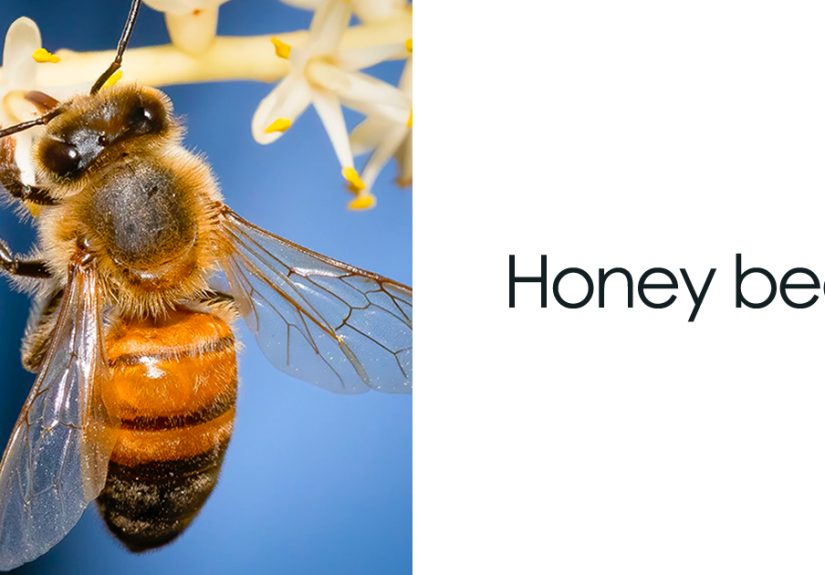
1. A bee dusted in pollen
This is macro gold. The image shows purpose, texture, and color all at once. Up close, pollen looks less like powder and more like confetti from a very hardworking parade.
2. A ladybug climbing a blade of grass
Ladybugs are already charming, but magnification gives them real character. Their shell gleams, their legs become visible, and suddenly this tiny beetle looks like it knows exactly where it is going.
3. Dew on a spiderweb
Spiderwebs are the overachievers of the natural world. Add morning dew, and they become jeweled engineering. A macro lens turns them into lace, necklaces, and geometry lessons all at once.
4. Mushroom gills after rain
Most mushrooms look modest from above. Under a macro lens, the gills reveal elegant structure and subtle tonal shifts that make them look like handcrafted sculpture.
5. A butterfly wing close-up
From a distance, it is color. Up close, it is pattern, scale, texture, and astonishing precision. The wing becomes less decoration and more design masterpiece.
6. A snail shell in side light
Soft light brings out spiral ridges and tiny imperfections. The result is quiet but hypnotic, like a miniature fossil still going about its business.
7. Frost crystals on a leaf
This is where winter starts showing off. What looked like a basic cold morning becomes a sharp, sparkling landscape of frozen detail.
8. An ant carrying something ridiculous
Ants are tiny labor legends. In macro, their teamwork and strength suddenly feel theatrical. A crumb becomes cargo. A petal becomes infrastructure.
9. A dragonfly eye
Few subjects scream “macro lens required” quite like this one. The eye texture alone can anchor an entire image, and it gives the subject an almost science-fiction presence.
10. Fern fronds unfurling
Macro photography loves spirals, and ferns happily oblige. A close-up of a fresh unfurling frond feels delicate, mathematical, and quietly dramatic.
11. Moss growing on bark
This kind of shot transforms a tree trunk into a forest floor and a tuft of moss into a full green landscape. Scale gets wonderfully confusing here.
12. A water droplet on a flower petal
Simple? Yes. Boring? Never. Light, color, and reflection all combine in a single frame. The trick is catching the droplet before gravity files a complaint.
13. Lichen on a rock
Lichen is perfect for people who enjoy quiet subjects with huge visual payoff. It looks ancient, intricate, and slightly extraterrestrial in the best possible way.
14. A seed pod splitting open
This is a beautiful reminder that macro photography is not just about cute bugs. Plant life has its own drama, and seed pods deliver shape, tension, and storytelling.
15. A fly on a window or leaf
Flies do not usually get flattering press, but macro photography can make even humble insects fascinating. Their eyes, wings, and leg structure are genuinely incredible.
16. A dandelion gone to seed
This classic subject still works because it balances delicacy and design. Every filament catches light differently, and the result can feel airy, bright, and almost weightless.
17. Bark patterns on an old tree
Not every macro subject needs to move. Sometimes the winning image comes from texture alone. Cracked bark can look like a desert map or an abstract painting.
18. Tiny fungi on decaying wood
These are the underdogs of the woodland world. Small fungi reward patient photographers with shapes and colors most people never notice at all.
19. Raindrops lined up on a stem
This kind of image works because repetition creates rhythm. The droplets act like visual punctuation marks, and the stem becomes the sentence.
20. A bee drinking from a bloom
This image captures behavior, not just beauty. It feels alive. There is motion, purpose, and the satisfying sense that you caught the subject in the middle of a tiny mission.
21. A feather caught in weeds
Macro can turn soft, familiar materials into portraits of texture. The barbs of a feather have a softness that feels intimate when photographed up close.
22. A curled dead leaf with perfect veins
Decay photographs beautifully. A dried leaf can reveal intricate structure, rich browns, and a kind of elegance that fresh green leaves sometimes hide.
23. A tiny jumping spider looking directly at the camera
These little performers are endlessly photogenic. Their faces are curious, their stance feels alert, and they often seem to return the favor by studying the photographer right back.
24. A wildflower center packed with detail
Flower centers are where macro lenses really earn their lunch. Petals frame the shot, but the real drama is in the tiny structures, pollen, and texture in the middle.
What a Macro Lens Adds That Your Eyes Usually Miss
A macro lens for nature photography is not just about getting closer. It is about rendering detail in a way that changes the visual hierarchy of a scene. In normal life, the background matters, context matters, and the whole environment competes for attention. In macro work, the tiniest part of the scene becomes the headline.
That shift is why shallow depth of field plays such a big role in this style. A crisp subject against a soft blur gives the image separation and drama. It is also why macro photography can be hilariously humbling. The closer you get, the smaller your margin for error becomes. A slight movement, a breeze, or an overeager hand can throw focus off in a heartbeat. That is part of the fun. Macro photography demands patience, and patience tends to improve photographs.
Lighting matters too. Gentle light often wins because it reveals texture without turning every tiny reflective surface into a miniature disaster. Overcast mornings, shade, or softly diffused light can make petals, wings, and droplets look rich instead of harsh. This is one reason so many macro shooters become unofficial weather enthusiasts. They stop saying, “Ugh, cloudy,” and start saying, “Excellent. Nature has installed a giant softbox.”
The lens also changes your relationship with distance. When photographing insects or other living subjects, being able to work a little farther away helps preserve natural behavior and reduces the chance of startling the subject. Good macro images do not just show closeness. They show restraint.
How to Photograph Tiny Nature Scenes Without Making Them Miserable
If you want better macro photography of insects and flowers, technique matters, but ethics matter more. The goal is to witness, not bully. That means avoiding any behavior that stresses wildlife, damages plants, or rearranges habitats just for a prettier shot. The best image is never worth harming the scene that inspired it.
In practical terms, that means moving slowly, avoiding unnecessary handling, and paying attention to how the subject responds. It also means appreciating the value of native plants, pollinator-friendly spaces, and healthier garden ecosystems. The more welcoming your outdoor space is to insects and small creatures, the more opportunities you will have to photograph real behavior instead of staged moments.
In other words, macro photography is at its best when it turns curiosity into care. Once you have stared at the eyelashes of a bee or the architecture of a spiderweb, it becomes harder to dismiss tiny creatures as background noise. You start protecting what you used to overlook.
Why These 24 Macro Nature Pictures Work So Well Online
There is a reason galleries like this travel fast across social feeds and photo communities. They offer instant novelty without requiring complicated context. You do not need to understand camera gear to appreciate a tiny mushroom that looks like a sculpture or a spiderweb that looks like jewelry. The reaction is immediate: surprise, delight, curiosity.
They also succeed because they tell a bigger story than the frame itself. A macro photo says the world is more detailed than we think. It suggests that wonder is available close to home, even on an ordinary afternoon. That idea is deeply shareable because it feels hopeful. You do not need a safari, a passport, or a mountain summit to find beauty. Sometimes you just need to kneel down near a flower bed and prepare to be humbled by a bug the size of a paper clip.
Field Notes From Behind the Macro Lens: A 500-Word Experience Reflection
The most surprising part of using a macro lens is not the detail. It is the mood shift. Before I started photographing nature up close, I thought of outdoor photography as something that required distance, scenery, and a bit of grandeur. You know, sunsets doing sunset things, landscapes being majestic, trees trying their best to look meaningful. Macro photography changed that completely. It made me realize that a patch of clover can be just as dramatic as a mountain if you are willing to pay attention long enough.
At first, the experience felt awkward. Macro photography has a way of making you look mildly suspicious in public. You are crouching next to a plant for ten minutes, talking to yourself about focus, and trying not to breathe directly on a tiny subject. But after a while, the awkwardness fades and the attention takes over. You begin to notice patterns everywhere. Tiny scratches on leaves. Threads in flower petals. The difference between wet bark and dry bark. The way an insect pauses before moving again. The world gets slower, and somehow richer, at the same time.
One of the things I love most is how much patience the process teaches. You cannot rush a good macro shot. Wind becomes your rival. Light becomes your collaborator. Focus becomes a negotiation. Sometimes the subject disappears just as everything is finally perfect. Sometimes you come home with 80 almost-good photos and one frame that makes the entire outing worth it. That one frame feels earned in a way that is hard to explain to anyone who has never tried to photograph a moving ant on a swaying stem.
I have also found that macro photography changes how I experience familiar places. My yard no longer feels ordinary. The same corner of plants looks different every week. New blooms attract different insects. Morning dew creates temporary drama. Dry afternoons bring out textures that rain hides. Even dead leaves and old seed heads become interesting once the season shifts. The camera does not just help me document nature. It helps me stay curious about it.
There is something oddly emotional about discovering beauty in subjects most people ignore. A fly on a leaf. Moss on a brick. A bent blade of grass with a single drop of water hanging from it. These are not glamorous subjects, but up close, they carry personality. They feel specific. They remind me that nature is not only found in spectacular places. It is layered into everyday life, waiting for someone to notice.
And maybe that is the real reason this kind of photography sticks with people. It is not only about sharpness, gear, or technique. It is about rediscovering attention. A macro lens rewards anyone willing to slow down and look carefully. It proves that wonder is not rare. It is just small. Sometimes very small. Sometimes fuzzy. Occasionally equipped with six legs and an unreasonable amount of confidence.
Conclusion
“An Amazing World Right Under Your Nose” is the perfect title for a gallery like this because that is exactly what macro nature photography reveals. These 24 pictures are not just attractive close-ups. They are evidence that beauty, complexity, and drama are constantly happening at a scale we usually ignore. A macro lens does not invent wonder. It simply gives it a larger stage.
If there is one takeaway from this kind of gallery, it is that the natural world does not need to be far away to feel extraordinary. It can be in your yard, on your windowsill, along a garden path, or tucked beside a tree root after rain. The next unforgettable image may not be somewhere distant and dramatic. It may be a few inches from your shoe, waiting patiently for you to finally look down.