Table of Contents >> Show >> Hide
- What Is Acquacotta Maremmana?
- Why This Tuscan Vegetable Soup Still Feels Modern
- Ingredients for Acquacotta Maremmana
- How to Make Acquacotta Maremmana
- Why This Recipe Works
- Tips for the Best Acquacotta Maremmana
- Easy Variations
- What to Serve with Tuscan Vegetable Soup
- How to Store and Reheat It
- Common Mistakes to Avoid
- Frequently Asked Questions
- Acquacotta Maremmana Recipe Summary
- A Bowl of Tuscany: Experiences Inspired by Acquacotta Maremmana
- Conclusion
- SEO Tags
Note: Clean HTML body only, with SEO JSON placed at the end for easy publishing.
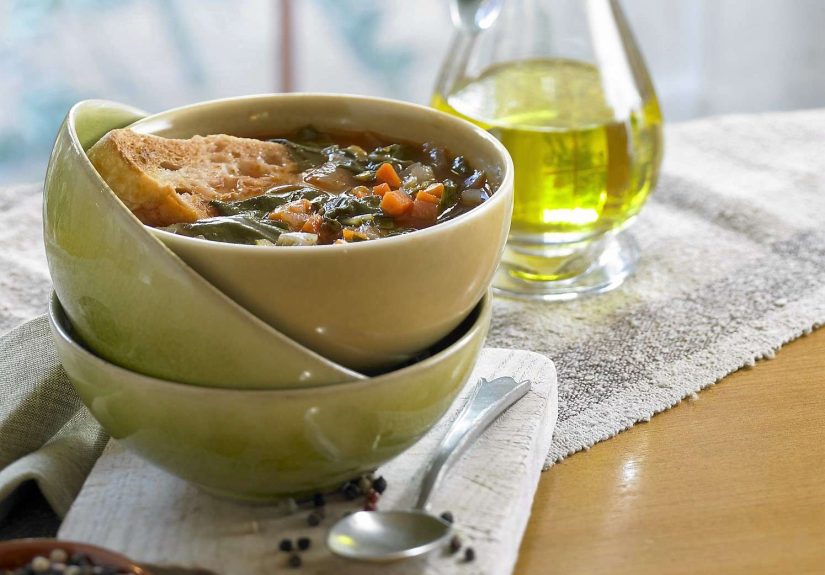
If the phrase “cooked water” sounds like the least exciting dinner pitch in human history, welcome to the club. Acquacotta Maremmana does not win awards for flashy naming. But this rustic Tuscan vegetable soup has a sneaky superpower: it turns humble ingredients into a bowl that tastes far richer than it has any right to. Bread soaks up the broth, onions melt into sweetness, tomatoes bring body, greens add freshness, Pecorino adds salty depth, and a softly poached egg lands on top like the grand finale. In other words, this soup is proof that frugal food can still be wildly satisfying.
Originally from the Maremma area of southern Tuscany, acquacotta belongs to the great tradition of peasant cooking: use what you have, waste nothing, and make it delicious enough that nobody feels deprived. That is my kind of culinary philosophy. This version keeps the soul of the classic while making it practical for an American home kitchen. It is cozy, deeply savory, vegetarian-friendly, and ideal for chilly evenings, lazy Sundays, or those weeks when your produce drawer is giving you “please use me now” energy.
What Is Acquacotta Maremmana?
Acquacotta Maremmana is a traditional Tuscan bread soup made from simple pantry staples and vegetables. The name literally means “cooked water,” but don’t let that undersell it. At its core, the dish builds flavor from olive oil, onions, celery, tomatoes, water or broth, stale bread, cheese, and often eggs. Depending on the household, season, and budget, it may also include greens, beans, fennel, zucchini, herbs, or mushrooms.
That flexible spirit is exactly why this soup has survived for generations. It is not one of those rigid recipes that falls apart if you sneeze near the ingredient list. Acquacotta is more like a delicious philosophy in a pot: keep it simple, keep it seasonal, and let good olive oil do some heavy lifting.
Why This Tuscan Vegetable Soup Still Feels Modern
There is something very 2026 about a recipe that uses leftover bread, leans on vegetables, and still tastes like dinner instead of compromise. Acquacotta checks every modern box without trying too hard. It is budget-friendly, flexible, deeply comforting, and naturally aligned with the kind of lower-waste cooking many home cooks want today.
It also solves a surprisingly common kitchen problem: what do you do with bread that is too stale for sandwiches but too good to throw away? Answer: give it a glorious second act. In acquacotta, toasted or stale bread becomes part sponge, part thickener, part reward.
Ingredients for Acquacotta Maremmana
This recipe serves 4 to 6, depending on whether you are feeding normal people or soup enthusiasts who insist on a second bowl “for research.”
Main Ingredients
- 3 tablespoons extra-virgin olive oil, plus more for finishing
- 2 large yellow onions, thinly sliced
- 2 celery stalks, finely chopped
- 3 garlic cloves, 2 sliced and 1 left whole
- 1/4 teaspoon crushed red pepper flakes, optional
- 1 tablespoon tomato paste
- 1 (28-ounce) can whole peeled tomatoes, crushed by hand
- 4 cups vegetable broth or water
- 1 cup water, as needed
- 1 small zucchini, diced
- 4 cups chopped Swiss chard, escarole, or kale
- 1/2 cup loosely packed fresh basil or flat-leaf parsley, chopped
- Salt and freshly ground black pepper, to taste
- 4 to 6 large eggs
- 4 to 6 thick slices stale country bread or toasted rustic bread
- 1/2 cup grated Pecorino Romano or Parmigiano-Reggiano
Optional Add-Ins
- 1 can cannellini beans for a heartier version
- 1 small fennel bulb, sliced thin, for a sweeter anise note
- A Parmesan rind for extra savory depth
- A squeeze of lemon at the table for brightness
How to Make Acquacotta Maremmana
1. Start with the flavor base
Heat the olive oil in a Dutch oven or heavy soup pot over medium heat. Add the onions, celery, sliced garlic, and red pepper flakes. Season with a generous pinch of salt. Cook slowly for 12 to 15 minutes, stirring often, until the vegetables are soft, fragrant, and lightly golden. This is not the moment to rush. Acquacotta gets much of its character from patient cooking, not culinary fireworks.
2. Add tomato paste and tomatoes
Stir in the tomato paste and cook for about 1 minute to deepen the flavor. Add the crushed tomatoes and simmer for 8 to 10 minutes until the mixture thickens slightly. The goal is not a thin broth with random vegetables floating around like they missed the bus. You want a tomato-rich base with real body.
3. Build the soup
Pour in the broth, add the diced zucchini, and bring everything to a gentle simmer. If using fennel, beans, or a Parmesan rind, add them now. Let the soup cook for about 15 minutes. Then stir in the greens and half the chopped herbs. Simmer another 8 to 10 minutes, until the greens are tender and the broth tastes like it means business.
4. Toast the bread
While the soup simmers, toast the bread until crisp and golden. Rub each piece with the whole garlic clove while still warm. This tiny step adds a wonderful savory edge and makes the kitchen smell like you definitely know what you are doing.
5. Poach the eggs right in the soup
Use a spoon to create small wells in the soup. Crack in the eggs one at a time. Cover the pot and simmer gently for 3 to 5 minutes, until the whites are set and the yolks are still a little soft. If you prefer firmer yolks, give them another minute. Nobody is grading you in a Tuscan egg academy.
6. Assemble and serve
Place a slice of toasted bread in each bowl. Ladle the hot soup over the bread, top with a poached egg, and shower with grated Pecorino. Finish with black pepper, the remaining herbs, and a drizzle of olive oil. Serve immediately, ideally with a dramatic pause so everyone can admire the yolk situation.
Why This Recipe Works
The beauty of acquacotta lies in contrast. The broth is rustic but nuanced. The bread starts crisp, then softens into something almost custardy. The greens keep things lively, while the egg makes the soup more substantial. The cheese pulls everything together with a salty, nutty finish.
This version also balances tradition with practicality. Older recipes can be extremely sparse, while some modern versions become more like a vegetable stew. Here, the soup stays true to the dish’s humble Tuscan roots while delivering enough texture and depth to feel complete as a main course.
Tips for the Best Acquacotta Maremmana
- Use stale or toasted bread: Fresh sandwich bread will turn sad and soggy. A rustic loaf is much better.
- Don’t rush the onions: Their slow sweetness is one of the biggest flavor builders in the pot.
- Choose a good olive oil: In a simple soup, quality matters more because there is nowhere for bland ingredients to hide.
- Keep the broth slightly loose before serving: The bread thickens the soup as it sits.
- Season at the end: Pecorino is salty, so finish adjusting salt after the cheese is added.
Easy Variations
Bean-Forward Acquacotta
Add cannellini beans for more protein and a creamier texture. This version is especially good if you want the soup to eat more like a full one-bowl dinner.
Greens-Heavy Acquacotta
Use Swiss chard, escarole, kale, or a mix. Slight bitterness actually helps here because it balances the sweetness of the onions and tomatoes.
Mushroom Acquacotta
Add sliced mushrooms for an earthier, woodsy flavor. Porcini, cremini, or even a mix of fresh mushrooms work beautifully.
Vegetarian or Broth-Based
Traditional recipes can use water, while many contemporary versions use vegetable or chicken broth for extra richness. Both work. Water gives you a more austere, old-school flavor; broth gives you a rounder, fuller bowl.
What to Serve with Tuscan Vegetable Soup
Honestly, acquacotta is already bringing bread, vegetables, dairy, and eggs to the party, so it does not need much help. Still, it pairs well with a crisp green salad, roasted fennel, marinated olives, or a simple plate of sliced tomatoes with salt and olive oil. A glass of dry white wine or a light red makes it feel a little more dinner-party and a little less “I heroically used up leftovers.”
How to Store and Reheat It
Store the soup base separately from the bread and eggs if possible. The broth keeps well in the refrigerator for up to 4 days. Reheat gently on the stovetop, adding a splash of water or broth if it thickens too much. Poach fresh eggs when serving. This gives you the best texture and saves you from reheating a previously poached egg, which is one of life’s quieter disappointments.
You can also freeze the soup base for up to 2 months. Leave out the eggs, bread, and cheese until serving day.
Common Mistakes to Avoid
- Using soft sandwich bread instead of rustic bread
- Skipping the cheese, then wondering why the soup tastes a little flat
- Overcrowding the pot with too many vegetables and losing the soup’s simple identity
- Boiling the eggs too aggressively and ending up with rubbery whites
- Under-seasoning the broth before serving
Frequently Asked Questions
Is acquacotta the same as ribollita?
No. Both are Tuscan bread soups, but ribollita is usually thicker and bean-heavy, often made to be reheated. Acquacotta is typically looser, simpler, and often finished with an egg.
Can I make acquacotta without eggs?
Yes. It will still be delicious. The egg adds richness and protein, but the soup base can stand on its own.
What bread is best for acquacotta?
Use a sturdy country loaf, Tuscan-style bread, ciabatta, or another rustic white bread with a good crust. Slightly stale is ideal.
Can I make it vegan?
Absolutely. Use vegetable broth, skip the eggs, and either omit the cheese or use a plant-based alternative. The soup will still have plenty of rustic charm.
Acquacotta Maremmana Recipe Summary
Prep time: 20 minutes
Cook time: 40 minutes
Total time: 1 hour
Yield: 4 to 6 servings
Best for: cozy dinners, zero-waste cooking, meatless meals, rustic Italian comfort food, and impressing people with a soup they have probably never heard of but will absolutely ask for again.
A Bowl of Tuscany: Experiences Inspired by Acquacotta Maremmana
One of the best things about making acquacotta Maremmana is that it does not feel like a recipe built for social media. It feels like a recipe built for real life. You chop onions. You toast bread. You simmer vegetables until the kitchen smells warm and deeply human. It is not flashy. It is not trying to become a thirty-dollar restaurant appetizer served in a tiny bowl with one leaf floating on top. It is a soup with common sense.
The first time I made a version of acquacotta, I understood why dishes like this stay with people. It was raining outside, the kind of cold rain that makes even your socks feel emotionally tired, and I had a half loaf of bread that was one day away from becoming a crouton-only situation. There were onions in the pantry, greens in the fridge, and a can of tomatoes waiting patiently in the cabinet like the most reliable friend you never text first. An hour later, dinner felt less like something I had thrown together and more like something I had rescued from obscurity.
That is the charm of this Tuscan soup recipe. It makes thrift feel luxurious. The bread, once stale and unremarkable, turns rich after soaking up the tomato broth. The greens relax into the soup. The cheese melts just enough to perfume every bite. Then the yolk from the poached egg breaks open and suddenly the whole bowl tastes as if you worked much harder than you actually did. I respect any recipe that rewards modest effort with dramatic results.
Acquacotta also has the kind of emotional flexibility that great home cooking often has. It can be quiet and simple on a weeknight when you want something nourishing but not heavy. It can also feel surprisingly elegant when served in wide bowls with good olive oil and a final snowfall of Pecorino. It is the sort of dish that fits just as well at a family table as it does at a small dinner with friends who appreciate words like “rustic” and “Tuscan” and pretend not to be thrilled by runny eggs.
There is another reason this soup lingers in memory: it slows you down. Not in an annoying, “you must knead this for 45 minutes” way, but in a gentler way. The onions soften slowly. The soup simmers without drama. The bread waits in the bowl like it knows something good is coming. Even assembling it feels thoughtful. You are not just dumping soup into a bowl. You are layering texture and flavor. You are building dinner.
And then there is the table moment. Someone takes a spoonful. The bread has soaked just enough broth. The egg yolk blends with tomato and olive oil. The cheese adds that salty finish. Eyes widen a little. Another spoonful happens immediately. Nobody says, “Wow, cooked water.” They say things like, “This is so comforting,” or “I need this recipe,” or the highest compliment of all, “Can you make this again?”
That, to me, is the lasting appeal of acquacotta Maremmana. It is old-fashioned in the best way. It respects ingredients. It avoids waste. It welcomes improvisation. And most importantly, it tastes like someone cared when they made it. In a world full of overcomplicated meals and too many recipes demanding seventeen specialty ingredients before noon, this soup is wonderfully grounded. It does not shout. It does not show off. It just quietly becomes the meal everyone remembers.
Conclusion
Acquacotta Maremmana is a reminder that simple food does not have to be boring food. With onions, tomatoes, greens, stale bread, olive oil, cheese, and eggs, this Tuscan vegetable soup recipe creates a deeply comforting meal that feels timeless for a reason. It is practical, flavorful, and flexible enough to adapt to what is in your kitchen, which is probably why it has stayed relevant for centuries. If you want a soup that feels rustic, nourishing, and just a little bit magical, this is the bowl to make.