Table of Contents >> Show >> Hide
- Why Exercise Matters More as You Age
- 1. Exercise Helps Maintain Muscle Mass and Strength
- 2. Exercise Supports Joint Health and Reduces Pain
- 3. Exercise Improves Cardiovascular Health
- 4. Exercise Helps Prevent Chronic Disease
- 5. Exercise Supports Brain Health and Cognitive Function
- 6. Exercise Enhances Mental Health and Emotional Well-Being
- Types of Exercise to Support Healthy Aging
- How Exercise Helps You Maintain Independence
- Tips for Staying Active as You Age
- Final Thoughts
- Personal Experiences and Insights: How Exercise Supports Health Later in Life (Extended Section)
If you’ve ever watched an older adult crush a pickleball match, hike a mountain trail, or out-dance people half their age at a wedding, you’ve witnessed the magic of staying active. Exercise doesn’t just “keep you in shape”it’s one of the most powerful tools for supporting long-term health, longevity, mobility, and mental sharpness. And while you can absolutely start young, research from respected U.S. health organizations (think: NIH, CDC, Harvard Health, Cleveland Clinic, Johns Hopkins, Mayo Clinic, and more) reminds us that it’s never too late to reap the benefits.
Below, we explore how regular exercise boosts physical and mental well-being later in life, the types of movement that matter most, and why your future self will definitely thank you for that walk, stretch, or strength session you did today.
Why Exercise Matters More as You Age
As we grow older, our bodies naturally experience changesmuscle mass declines, bone density drops, metabolism slows, flexibility wanes, and balance becomes trickier. Exercise works like a counterweight to aging, helping preserve the systems that keep you moving, thinking, and feeling well.
Harvard Health and the National Institute on Aging highlight four core benefits: maintaining independence, preventing disease, managing chronic conditions, and improving mood. Even modest physical activity, like a brisk daily walk or gentle strength training, has a measurable impact on how we age.
1. Exercise Helps Maintain Muscle Mass and Strength
Most people lose 3–8% of muscle mass per decade after age 30. By 60, that decline speeds upunless you regularly challenge your muscles. Strength training stimulates muscle protein synthesis, improves coordination between nerves and muscles, and supports functional movement. This means easier grocery shopping, better stair-climbing, and more confidence in everyday activities.
Resistance-based exercisewhether free weights, resistance bands, bodyweight workouts, or gym machinescan reverse muscle loss (sarcopenia) and improve mobility. Older adults who train at least twice a week show higher energy levels, better balance, and improved reaction time, according to findings often cited by the CDC and Mayo Clinic.
2. Exercise Supports Joint Health and Reduces Pain
If your joints feel like Rice Krispies (snap, crackle, pop!), movement might be the exact fix you need. Low-impact exercises such as swimming, walking, and cycling help lubricate the joints and strengthen surrounding muscles, reducing pain from conditions like osteoarthritis.
The Arthritis Foundation encourages older adults to keep moving, as controlled, low-stress motion decreases stiffness and increases range of motion. Think of it as WD-40 for your knees, hips, and shoulders.
3. Exercise Improves Cardiovascular Health
Your heart loves exerciseprobably more than your dog loves treats. Regular aerobic activity strengthens the heart muscle, improves circulation, reduces blood pressure, and helps regulate cholesterol. A 2023 review from major U.S. medical centers reported that adults who stay active lower their risk of heart disease by up to 30–40%.
Walking, dancing, biking, swimming, and pickleball are fantastic options for boosting endurance and supporting long-term heart health.
4. Exercise Helps Prevent Chronic Disease
Chronic conditions like type 2 diabetes, hypertension, stroke, cancer, and dementia become more common with agebut exercise reduces the risk of each one. Studies from NIH and the American College of Sports Medicine show exercise improves insulin sensitivity, moderates inflammation, and enhances blood vessel function.
Even moderate-intensity activity can lower blood sugar and improve metabolismno extreme workouts required.
5. Exercise Supports Brain Health and Cognitive Function
Want a sharper memory at 75? Or better problem-solving skills while navigating the modern world of remote controls with too many buttons? Exercise stimulates blood flow to the brain, promotes new neural connections, and reduces the risk of cognitive decline.
Research from Neurology, Harvard Medical School, and the Alzheimer’s Association highlights that regular physical activity may slow the progression of dementia and protect areas of the brain involved in learning and memory.
Aerobic exercises seem especially protective, but strength training and balance work also contribute to brain resilience.
6. Exercise Enhances Mental Health and Emotional Well-Being
Older adults who exercise report better mood, less anxiety, lower stress levels, and improved emotional resilience. Physical movement releases endorphinsyour body’s natural mood boostersand helps regulate sleep patterns.
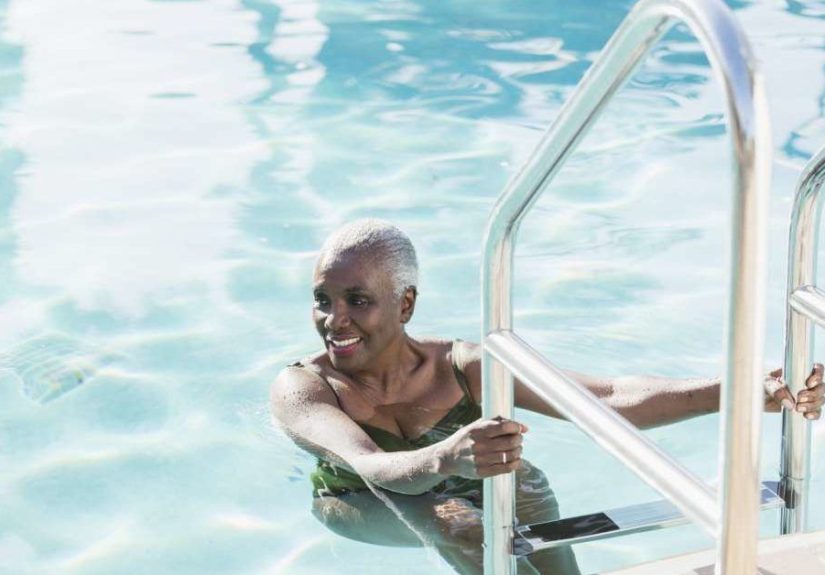
Group activities such as water aerobics, tai chi, or walking clubs also provide social connection, which plays a vital role in healthy aging.
Types of Exercise to Support Healthy Aging
You don’t need to become a marathon runner or Olympic powerlifter to feel the benefits. In fact, the most effective routine includes a balanced mix of four types of movement recommended by the National Institute on Aging:
1. Aerobic (Endurance) Exercise
These elevate your heart rate and improve cardiovascular endurance. Examples include:
- Brisk walking
- Swimming or water aerobics
- Cycling (indoor or outdoor)
- Dancing
- Rowing
Aim for at least 150 minutes per week of moderate aerobic activity. That’s roughly 21 minutes a dayless time than it takes to watch one episode of your favorite reality show.
2. Strength Training
Strength training keeps muscles strong, supports bones, and boosts metabolism. Options include:
- Free weights or kettlebells
- Resistance bands
- Bodyweight exercises (squats, push-ups, wall sits)
- Weight machines at the gym
Twice weekly sessions are enough to make a meaningful difference.
3. Flexibility Exercises
Flexibility declines naturally over time, but stretching helps maintain mobility and prevent injury. Yoga, dynamic stretching, and gentle mobility flows can help loosen stiff muscles and keep joints moving smoothly.
4. Balance Training
Falls are a major health risk for people over 65. Balance exerciseslike tai chi, standing on one foot, or practicing heel-to-toe walkingreduce that risk significantly.
Just five minutes a day can strengthen stabilizing muscles and improve body awareness.
How Exercise Helps You Maintain Independence
Independence may be one of the biggest gifts exercise offers later in life. When your body stays strong and mobile, everyday tasks feel easier. Getting up from the couch, carrying laundry, gardening, cooking, and exploring your neighborhood all become more enjoyable.
Many older adults find that regular exercise reduces their reliance on medications or mobility aids, helping them maintain an active, engaged lifestyle well into their 70s, 80s, and beyond.
Tips for Staying Active as You Age
- Start small. Even five minutes is better than zero.
- Choose activities you enjoy. If you hate running, don’t runwalk, swim, dance, or garden.
- Prioritize consistency over intensity. Slow and steady truly wins the race.
- Mix it up. Variety keeps both your body and your brain challenged.
- Listen to your body. Gentle soreness = okay. Sharp pain = stop.
- Stay hydrated and fuel well. Muscles love good nutrition.
Final Thoughts
Exercise is one of the simplest, most accessible ways to support your health later in life. Whether you’re walking around the block, lifting light weights, or taking a joyful Zumba class, every bit of movement adds up. The goal isn’t perfectionit’s progress, participation, and preserving the health that lets you live fully, confidently, and independently.
Personal Experiences and Insights: How Exercise Supports Health Later in Life (Extended Section)
While research paints a compelling picture of exercise as a longevity superpower, real-life stories make the benefits even clearer. Many older adults find that movement transforms not just their physical wellness but their relationships, confidence, and outlook on life.
Take, for example, older adults who begin walking programs later in life. One 72-year-old described how daily walks helped her regain stamina she thought she had lost forever. Within months, she had more control of her blood pressure, slept better, and reduced joint stiffness in the morning. She didn’t follow a fancy planshe simply committed to moving a little more each day.
Others discover strength training at 60 or 70 and become stronger than they felt in their 40s. Building muscle helps older adults control weight, improve posture, and regain the ability to perform daily tasks without strain. Even light weights can yield dramatic improvements in independence and mobility.
Balance exercises are often overlooked until someone experiences a fall or realizes they feel off-center. Older adults who practice tai chi or simple balance drills report feeling more grounded and confident walking on uneven terrain or climbing stairs. Many describe it as getting “stability insurance” for the future.
Social benefits also play a role. Senior exercise groups foster connection, motivation, and accountability. Adults who join walking clubs, gym classes, or dance meetups often report improved mood, reduced loneliness, and a sense of belonging.
Most importantly, exercise helps older adults feel in control of their aging process. Instead of feeling passive or uncertain about physical changes, movement becomes a proactive and empowering step toward aging well.
The takeaway? You don’t need an athletic background, a fancy gym membership, or high-intensity workouts to experience the benefits. What you do need is consistency, curiosity, and a willingness to start where you are. Every step, stretch, and squat supports your future selfone moment of movement at a time.