Table of Contents >> Show >> Hide
- The $36 sneaker everyone keeps talking about
- What podiatrists generally want in a sneaker (and why it matters)
- So…are $36 sneakers actually supportive?
- Why slip-on sneakers can be a smart choice (when they fit correctly)
- Who these $36 podiatrist-loved sneakers are best for
- Who should skip them (or at least be picky)
- How to get the best fit (especially with slip-ons)
- Care tips: keep them fresh without destroying them
- Want more support without ditching the $36 deal?
- Bottom line: are these podiatrist-loved $36 sneakers worth it?
- Experiences section: what “$36 comfort” looks like in real life
If your feet could talk, they’d probably file a formal complaint after hour six of standing. The good news: you don’t
have to drop “new phone money” on sneakers just to stop feeling like you’re walking on two overcooked steaks.
Right now, one budget-friendly pair getting a surprising amount of love from people who live on their feet
(including nursesand even a podiatrist reviewer) is on sale for about $36.
We’re talking about lightweight slip-on sneakers that look simple, feel easy, and aim to keep your feet happier during
long shifts, travel days, errands, and the “I swear I’m only running in for one thing” grocery trip that turns into a
cardio session. In this guide, we’ll break down what makes these sneakers so popular, what podiatrists generally want
you to look for in a supportive shoe, how to tell if a $36 pair is actually helping (or just flattering you), and how
to wear them smarterso your feet aren’t writing angry reviews about you.
The $36 sneaker everyone keeps talking about
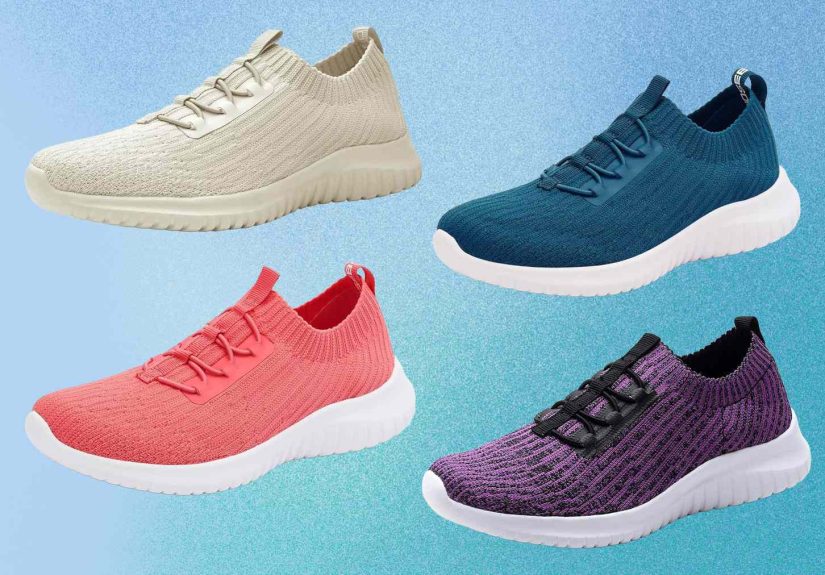
The specific deal that sparked this whole “wait…$36?” moment is the Tiosebon Slip-On Sneaker that’s been
highlighted as a comfy, wear-all-day option for people who spend hours upright. The big appeal is straightforward:
a breathable knit/mesh-style upper, a cushy insole feel, and a slip-on design that doesn’t ask you to perform a
shoelace TED Talk every time you leave the house.
Here’s why it’s getting called “podiatrist-loved” in the wild: beyond the pile of customer praise from workers on
their feet, a reviewer who identified as a podiatrist described recommending the shoe to older patients, specifically
because the stretchy upper can be friendlier for bunions, hammertoes, and feet that don’t enjoy being bossed around
by stiff materials. They also noted that the stretch can play nicely with custom orthotics (especially for
higher arches), because the upper flexes instead of pressing down and creating hot spots.
Add in a slip-resistant rubber outsole and “easy-to-clean” expectations (spot cleaning instead of tossing them in the
washing machine), and you have a shoe that’s basically saying: “I’m not fancy, but I’m here for you.”
What podiatrists generally want in a sneaker (and why it matters)
Before we crown any affordable sneaker the official patron saint of pain-free feet, it helps to know what foot and
ankle pros typically care about. Different foot shapes and conditions need different features, but supportive footwear
usually comes down to a few repeat players: cushioning, arch support, stability,
fit, and smart flexibility (yes, shoes should bendjust not like a tortilla).
1) Cushioning that reduces pounding (not just “squishy vibes”)
Cushioning helps absorb impactespecially on hard floors. If you’ve ever worked a shift on tile, you know the floor
always wins. A comfortable midsole and an insole that softens the landing can reduce fatigue. That said, super-soft
cushioning without structure can sometimes feel good for 20 minutes and weird by hour two, particularly if you need
stability or arch guidance.
2) Arch support that matches your foot (or supports your orthotics)
Arch support isn’t one-size-fits-all. High arches often like shock absorption and room for orthotics; flatter arches
may need more guidance to avoid excessive inward rolling (overpronation). For people dealing with heel pain or plantar
fascia irritation, supportive shoes and in-shoe cushioning are commonly part of conservative care alongside stretching.
3) A stable heel and a “not floppy” base
A stable shoe helps your foot land and roll forward in a controlled way. In plain English: it keeps your foot from
doing chaotic little side quests with every step. Two quick indicators:
- Heel counter: the back of the shoe should feel reasonably firm, not collapse like a paper cup.
- Midsole torsion: the shoe shouldn’t twist into a pretzel with minimal effort.
4) Toe box space (because your toes are not a stack of pencils)
Many common foot complaintsblisters, bunion irritation, numbnessget worse when the toe box is too narrow.
A roomy, forgiving upper can be a big deal, particularly for bunions or hammertoes. The trick is balancing room
with security: too loose and your foot slides, creating friction and instability.
5) Fit rules that are boringbut work
Consider these practical fit checks:
- Leave about a half-inch between your longest toe and the front of the shoe.
- Try shoes on later in the day when feet are slightly more swollen (real-life conditions).
- Wear the socks you’ll actually use for work or walking.
So…are $36 sneakers actually supportive?
They can bedepending on what your feet need and how you use them. A budget sneaker can absolutely be comfortable,
breathable, and fine for everyday life. The key question is whether it provides enough structure for you, especially
if you have plantar fasciitis symptoms, chronic heel pain, significant overpronation, or a history of foot/ankle issues.
Here’s the honest framework:
-
If your main problem is fatigue from long standing, a lightweight, cushy slip-on with decent traction may
feel like a winparticularly if the upper is forgiving and you’re not demanding marathon-level support. -
If you’re dealing with plantar fasciitis-style heel pain (that “first steps in the morning” zing), you’ll
usually do better with a shoe that combines cushioning with stability and, often, stronger arch support or orthotic
compatibility. -
If you wear custom orthotics, the best shoe is often the one that lets your orthotic do its jobmeaning
a stable base and enough room to seat the insert without turning the shoe into a cramped submarine.
A quick “support test” you can do at home in 30 seconds
- Twist test: Hold the shoe at the heel and toe. Twist gently. Some give is normal; total spaghetti is not.
- Heel squeeze: Pinch the heel counter. You want some firmness, not a total collapse.
- Bend test: The shoe should bend near the ball of the footnot fold in the middle like a taco.
- Walk test: If your heel slips or your foot slides side-to-side, size or shape may be wrong (or the shoe is too flexible).
Why slip-on sneakers can be a smart choice (when they fit correctly)
Slip-ons get a bad reputation because some are flimsy, unsupportive, or too loose. But a well-fitting slip-on with a
secure upper can be convenient and comfortableespecially for travel, quick changes, and busy jobs where you don’t
want to wrestle with laces in a parking lot.
The Tiosebon-style slip-on works best when:
- The upper hugs without strangling (snug, not tight).
- Your heel feels stable (minimal slipping).
- You’re not relying on the shoe to correct serious biomechanics by itself.
- You’re using it for long days of standing/walkingrather than high-impact running.
Who these $36 podiatrist-loved sneakers are best for
1) People who stand all day (nurses, retail workers, teachers, restaurant staff)
The most consistent “success stories” around budget-friendly slip-ons come from workers who need comfort and easy
movement for long shifts. Breathable uppers help with heat. A softer underfoot feel helps with fatigue. And the quick
on/off design is genuinely useful when you’re moving fast.
2) Travelers who want lightweight, packable walking shoes
For trips where you’ll walk plenty but don’t want to haul bulky sneakers, a lightweight slip-on can be a practical
middle ground. Just remember: sightseeing days can hit 15,000–25,000 steps. If your feet are sensitive, consider
adding a supportive insole or choosing a more structured walking shoe for heavy mileage days.
3) People with bunions or hammertoes who hate stiff uppers
A stretchy fabric upper can reduce pressure points over bony prominences and irritated joints. That doesn’t “fix” the
condition, but it can make daily walking more tolerableespecially if you’ve been battling rubbing and pinching.
Who should skip them (or at least be picky)
Comfort is great. Comfort that hides a problem is not. Consider a more supportive, stability-focused sneaker (or ask a
clinician) if you have:
- Persistent heel pain that’s worst with first steps in the morning
- Sharp arch pain that returns after standing/walking
- Significant ankle rolling-in, frequent ankle fatigue, or knee pain linked to footwear
- A need for medical-grade support beyond a soft insole
If you’re dealing with plantar fasciitis symptoms, most conservative care plans include more than just shoesthink
stretching, activity modification, and sometimes specific inserts or night splints. Supportive shoes help, but they’re
one tool, not magic.
How to get the best fit (especially with slip-ons)
Slip-ons are less forgiving of “close enough” sizing because you can’t tighten laces to compensate. Use these tips:
- Try later in the day: feet swell; you want real-world sizing.
- Walk briskly indoors: if your heel pops up, the shoe is likely too loose.
- Check toe room: aim for about half an inch in front of the longest toe.
- Test with your work socks: thick socks can change fit dramatically.
- Orthotics users: remove the factory insole if possible, then test stability and volume.
Care tips: keep them fresh without destroying them
Lightweight knit/mesh sneakers are usually happiest with gentle cleaning:
- Use a soft brush or cloth with mild soap for spot cleaning.
- Air dry fully before wearing again (odor loves trapped moisture).
- Rotate shoes when you canfoam rebounds better with rest.
Want more support without ditching the $36 deal?
If you love the lightweight feel but need a little more structure, you have options:
-
Upgrade the insole: a supportive insole (or your orthotic) can improve comfort and alignmentjust make
sure the shoe still fits comfortably and doesn’t become too tight. -
Use them strategically: wear slip-ons for lighter days, errands, and travel, but switch to a more
supportive walking shoe for high-mileage or high-pain days. -
Pay attention to patterns: if pain consistently worsens after wearing them, your feet are giving you
data. Listen.
Bottom line: are these podiatrist-loved $36 sneakers worth it?
If you want an affordable, breathable, easy-on sneaker that many on-their-feet workers rave aboutand you don’t need
heavy-duty stability built into the shoe itselfthis $36 slip-on deal can be a smart buy. The stretchy upper can be a
particular plus for bunions and sensitive feet, and the lightweight build makes them easy to wear for long days when
you’re moving constantly.
Just keep your expectations realistic: a budget slip-on can be wonderfully comfortable, but if you have chronic heel
pain, significant pronation, or you need a structured stability shoe, you may want to look for more supportive models,
especially those recognized for foot health featuresor plan to pair the shoe with the right insert.
Experiences section: what “$36 comfort” looks like in real life
To make this practical, let’s talk about what people typically experience when they switch from stiff, heavy sneakers
(or unsupportive flats) to a lightweight slip-on like the podiatrist-loved $36 pair. The patterns below are a
composite of common real-world scenarios and frequent themes you’ll see from on-your-feet workers and everyday walkers.
Think of it as a “day in the life of your feet,” minus the dramatic monologue and the tiny violin.
Scenario 1: The nurse who’s tired of the post-shift limp. The first thing she notices isn’t some magical
healing aurait’s that her feet feel less “cooked” at the end of the day. A breathable upper matters more than people
expect; when your shoes trap heat, your feet swell and everything starts to feel tighter. With a light mesh upper,
there’s less of that pressure-cooker feeling by hour ten. The slip-on design also becomes surprisingly valuable: she’s
not fighting laces when she’s running late, and she can kick them off the second she gets home like they personally
offended her. The comfort win is mostly about reduced fatigue and fewer hot spotsespecially if her old shoes rubbed
across the top of her foot or cramped her forefoot.
Scenario 2: The traveler who walks “just a little” (lies). On day one, everything feels finemaybe even
greatbecause the shoes are light and the cushioning feels friendly. By day two, the reality of city walking shows up:
cobblestones, long museum floors, and that one “quick detour” that turns into 20,000 steps. This is where a $36 shoe
can be a hero or a helpful sidekick, depending on foot needs. For many, the lightness is a perkless leg fatigue and
easy packing. But if the traveler is prone to heel pain, the best experience usually happens when they add a more
supportive insole or rotate with a sturdier walking shoe on heavy-mileage days. The big takeaway: comfort isn’t only
about softness; it’s also about how stable your foot feels at step 18,000.
Scenario 3: The bunion owner who’s done being bullied by stiff shoes. People with bunions and
hammertoes often describe a specific kind of misery: stiff uppers press exactly where it hurts, and by midday the foot
feels angry and swollen. A stretchy knit upper can change the whole vibe. It doesn’t cure anything, but it can reduce
rubbing, pressure, and the feeling that your shoe is “arguing” with your foot shape. The most positive experiences
happen when the shoe fits securely enough to prevent sliding (sliding causes friction), while still giving that
forgiving, non-pinching feel over the forefoot.
Scenario 4: The first-time “support shopper” learning what their feet actually need. This is the person
who buys the sneakers because of the price, the praise, and the promise of comfortthen discovers the real lesson:
footwear is personal. If their discomfort is mostly fatigue, the improvement can feel immediate. If their pain is a
specific condition (like plantar fasciitis), the first few wears might feel good, but symptoms may creep back without
enough stability or arch support. The smartest move here is treating the shoe like a tool: wear it, observe, adjust.
Add an insole, try a different size, or reserve the slip-ons for lighter days. Your feet aren’t being “picky”they’re
giving feedback. And honestly, they’ve earned the right.
The common thread across these experiences is simple: the best $36 sneaker is the one that fits your foot shape, feels
stable enough for your day, and doesn’t create new problems while solving old ones. If it passes that test, it’s not
“cheap”it’s efficient. Your wallet wins, your feet complain less, and you get to save the fancy footwear budget for
things like…well, more snacks on vacation.