Table of Contents >> Show >> Hide
- Why Fall Veggies Are Their Own Special Situation
- Raised Beds vs. In-Ground Beds: What Actually Changes?
- So… Are Raised Beds Better for Fall Vegetables?
- The Big Fall Advantage: Raised Beds Make Season Extension Easier
- The Sneaky Fall Problem: Hot Soil and Stubborn Seeds
- Fall Veggies That Love Raised Beds
- How to Know If You Should Choose Raised Beds for Your Fall Garden
- Raised Bed Setup Tips That Matter Specifically for Fall
- Timing Your Fall Planting Without Guessing (or Panicking)
- Practical Fall Planting “Combos” That Work Great in Raised Beds
- Common Raised-Bed Fall Mistakes (and How Gardeners Avoid Them)
- Gardeners’ Real-World Experiences: What Actually Happened (Extra )
- Conclusion: The Raised-Bed Verdict for Fall Veggies
Fall gardening is basically the “director’s cut” of the growing season: fewer bugs, cooler days, and vegetables that taste like they trained all summer for this moment.
The big question is whether you should plant those fall crops in a raised bed or stick with in-ground rows like your grandparents did (while judging your watering schedule).
After gathering practical advice from experienced gardeners and Extension educators across the U.S., here’s the honest answer:
raised beds can be fantastic for fall vegetablesbut they’re not automatically better in every yard, every climate, or every September heat wave.
The “best” setup depends on your soil, your weather, and how much you enjoy hauling compost like it’s a hobby.
Why Fall Veggies Are Their Own Special Situation
Growing vegetables for a fall harvest usually means starting seeds in late summer (when it’s still hot) so plants can mature as temperatures cool.
That timing creates a weird combo:
- Hot soil can make some cool-season seeds stubborn about germinating.
- Shorter days mean growth slows as you get deeper into autumn.
- First frost is coming (and it doesn’t care about your dreams).
So the goal isn’t just “grow veggies.” It’s “grow veggies fast enough to beat frost, but not so stressed they bolt, stall, or sulk.”
Raised Beds vs. In-Ground Beds: What Actually Changes?
1) Soil structure and root growth
Raised beds shine when your native soil is heavy clay, rocky, compacted, or just… emotionally unavailable. Because you fill a raised bed with a looser soil mix,
roots can expand easily, which matters a lot for fall crops like carrots, beets, turnips, and radishes.
2) Drainage (a.k.a. the reason many fall gardens fail quietly)
In many regions, fall brings more consistent moisturesometimes gentle rain, sometimes “surprise swimming pool.” Raised beds generally drain faster,
which helps prevent soggy roots and rot when the weather turns wet.
3) Temperature swings
Raised beds are famous for warming up earlier in spring. In fall, it’s more complicated:
- Late summer: raised beds can run warmer and dry out fastergreat for drainage, not always great for germinating lettuce or spinach.
- After nights get cold: raised beds may cool down faster than in-ground soil because they’re exposed on the sides.
Translation: raised beds can extend the seasonespecially with simple coversbut they can also demand better moisture management during late-summer planting.
4) Weed pressure and maintenance
Gardeners often report fewer weeds in raised beds, mainly because they start with cleaner soil and defined edges. You also avoid stepping on the growing area,
which reduces compaction. In the fall, that “tidy footprint” makes it easier to do quick successions (pull a finished crop, add compost, replant).
So… Are Raised Beds Better for Fall Vegetables?
Often, yesespecially if one of these is true:
- Your soil drains poorly or stays cold and dense after rain.
- You want straighter root crops (carrots and beets tend to behave better in loose soil).
- You’re planning to use season extension (row covers, hoops, low tunnels, cold frames).
- You want easier access (less bending, less kneeling, fewer dramatic groans).
- You like high yields in a small space (raised beds encourage intensive planting).
But raised beds are not automatically better if:
- You live where late-summer heat is intense and germination is already tricky.
- You can’t reliably water (raised beds can dry out faster).
- You already have gorgeous, crumbly in-ground soil (congratulations, you’re the chosen one).
- Your budget is tight (framing + soil fill can add up).
The Big Fall Advantage: Raised Beds Make Season Extension Easier
If fall gardening had a cheat code, it would be lightweight fabric row cover and simple hoops.
Raised beds make this setup almost ridiculously convenient because you’re working with a defined rectangle:
staple clips, tuck edges, or weigh fabric down along the sides. Done.
Row covers: the low-effort, high-reward move
Floating row cover can:
- Hold a little warmth and humidity around plants as nights cool.
- Offer a few degrees of frost protection (varies by fabric weight and conditions).
- Reduce pest damageespecially helpful for brassicas (cabbage family crops).
For fall crops, this can mean the difference between “harvest” and “well, that was a fun experiment.”
Cold frames and low tunnels: raised beds play nicely with both
A cold frame is basically a mini greenhouse box with a clear lid. Put it over a raised bed, and you’ve got a protected microclimate that can keep greens going
far past the first frost. Low tunnels (hoops + plastic or fabric) do something similar on a bigger scale.
The Sneaky Fall Problem: Hot Soil and Stubborn Seeds
Here’s where raised beds can surprise beginners: you often sow fall crops when the soil is still warmsometimes very warm.
Many cool-season crops germinate best at lower temperatures, and some seeds become dramatically unmotivated when soil temps get too high.
Gardeners commonly see this with lettuce, spinach, and peas: they may germinate poorly in very warm soil.
It’s not that you forgot how to plant seedsit’s that the soil is basically a hot sidewalk wearing a gardening hat.
How gardeners get fall seeds to sprout (even when it’s still summer)
- Pre-water the bed to cool the soil slightly and ensure even moisture.
- Shade the seed area with shade cloth, a board propped up on bricks, or even a patio umbrella (yes, really).
- Sow a touch deeper than spring planting (where appropriate) to reach cooler moisture.
- Use a light mulch over the row (thin straw, compost, or burlap) until sprouting, then remove or thin it.
- Start transplants indoors for fussy germinators, then plant out once nights cool.
Fall Veggies That Love Raised Beds
Almost any cool-season crop can work in a raised bed, but gardeners especially like raised beds for:
Leafy greens
- Lettuce (especially looseleaf and romaine)
- Spinach
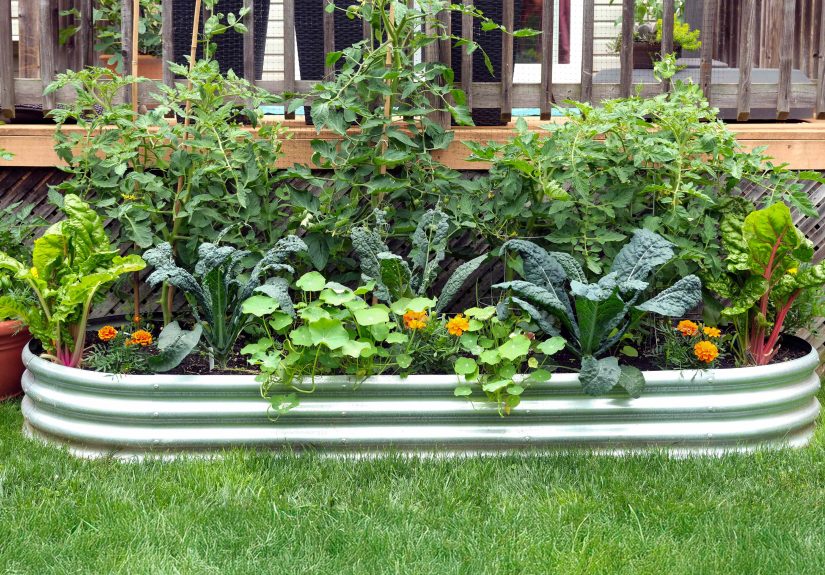
- Kale
- Arugula
- Swiss chard
Greens benefit from quick drainage (less rot), easy covering, and intensive spacing for cut-and-come-again harvesting.
Root crops
- Carrots
- Beets
- Radishes
- Turnips
Loose raised-bed soil is the secret to straighter carrots and cleaner roots. If you’ve ever pulled a carrot that looked like it tried to become a pretzel,
you understand the appeal.
Brassicas (cabbage family)
- Broccoli
- Cabbage
- Cauliflower
- Collards
- Brussels sprouts (in longer-season areas)
Brassicas do well in raised beds because you can enrich soil easily, space plants precisely, and keep pests down with row cover.
How to Know If You Should Choose Raised Beds for Your Fall Garden
Pick raised beds if you want reliability
If your goal is a dependable fall harvestespecially with greens and rootsraised beds reduce a lot of variables.
You control the soil, the drainage, and the spacing. You also get a ready-made platform for quick season protection.
Stick with in-ground if you already have great soil and steady moisture
If your in-ground bed is already loose, fertile, and drains well, you can absolutely grow an excellent fall garden without building anything.
In-ground soil can also hold moisture longer, which helps in hot late-summer sowingone less thing to babysit.
Consider a hybrid approach
Many experienced gardeners use raised beds for crops that demand consistent conditions (greens, carrots, beets),
while planting sprawling or long-season fall crops in-ground where moisture and root space are plentiful.
Raised Bed Setup Tips That Matter Specifically for Fall
1) Don’t go too shallow
For fall root crops and stable moisture, more soil volume helps. A deeper bed buffers temperature swings and holds water longer.
If your bed is shallow, focus on fast, shallow-rooted crops (greens, radishes) and irrigate more carefully.
2) Build a soil mix that holds moisture but still drains
A common raised-bed mistake is going too “fluffy” with the mix, then wondering why everything dries out by lunchtime.
For fall plantingwhen you may be sowing into heataim for a mix that includes plenty of organic matter to retain moisture,
plus enough structure to avoid waterlogging during cool, rainy stretches.
3) Mulch early, but don’t smother seedlings
In late summer, mulch is your best friend for cooling soil and holding moisture. Use a light mulch around transplants and between rows.
For direct-seeded beds, mulch after seedlings are established (unless you’re using a very thin layer to help germination, then removing it).
4) Water like you mean it (especially for germination)
Fall gardens often fail at the very beginning: seeds germinate unevenly, seedlings dry out, and the whole plan quietly collapses.
Keep the seed zone consistently moist until sprouting, then transition to deeper, less frequent watering to encourage strong roots.
Timing Your Fall Planting Without Guessing (or Panicking)
Gardeners and Extension educators generally recommend this simple method:
- Find your area’s average first frost date.
- Look up days to maturity on the seed packet (or transplant tag).
- Count backward from the frost date, and add a little extra time for germination and slower fall growth.
- Use fast-maturing varieties when planting later than ideal.
In many regions, that means sowing fall crops anywhere from August into September (and even later in warmer climates).
If you’re not sure, start with quick crops like radishes and leaf lettucethey’re forgiving and fast.
Practical Fall Planting “Combos” That Work Great in Raised Beds
Here are a few raised-bed layouts gardeners love because they’re efficient and easy to protect:
The “Salad Bar Bed”
- Looseleaf lettuce + arugula + spinach
- Radishes tucked into edges
- Optional: green onions as a border
Add a lightweight row cover once nights cool, and you can keep harvesting for weeks longer.
The “Roots & Greens” Bed
- Carrots down the center
- Beets in two side bands
- Kale at the north end (so it doesn’t shade smaller plants)
This bed gives you steady harvests: greens early, then roots as they size up.
The “Brassica Fortress” Bed
- Broccoli + cabbage + kale
- Covered early with row cover to reduce caterpillars and flea beetles
Brassicas are a fall classic, but pests love them too. A raised bed plus row cover is one of the cleanest, simplest defenses.
Common Raised-Bed Fall Mistakes (and How Gardeners Avoid Them)
Mistake: Planting too late and hoping real hard
Hope is not a strategy (but it’s adorable). If you’re late, choose faster crops, use transplants, and add row cover to buy time.
Mistake: Letting the bed dry out during germination
Raised beds can dry out faster, especially in late summer. Keep the surface consistently moist until sprouts appear.
A quick daily check beats re-seeding two weeks later.
Mistake: Forgetting that growth slows in autumn
As days shorten, plants take longer to size up. Counting back from frost is essential, but many gardeners also “pad” the schedule
by planting a bit earlier than the math suggests.
Gardeners’ Real-World Experiences: What Actually Happened (Extra )
When gardeners compare raised beds to in-ground beds for fall vegetables, the stories tend to cluster around a few recurring themesusually told with the
energy of someone who has re-seeded spinach at least twice.
Experience #1: “My clay soil was the villain. The raised bed was the plot twist.”
Gardeners with heavy clay often describe fall as the season when drainage problems become obvious. Summer plants may limp along, but once cooler, wetter
weather arrives, in-ground beds can stay soggy for days. In those yards, raised beds become the reliable option: carrots form better roots, beets grow more
evenly, and leafy greens suffer less from rot. One common “aha” moment is realizing that fall success wasn’t about a magical fertilizerit was simply oxygen
reaching the roots because the soil wasn’t waterlogged.
Experience #2: “I planted lettuce in August and… nothing happened.”
This is the classic late-summer fall-garden heartbreak. Gardeners often expect fall weather to arrive on schedule, but August can feel like the sun is
personally offended by your hydration levels. Raised bedsbecause they can warm and dry more quicklysometimes make this worse. The fix gardeners share
most often isn’t complicated; it’s just surprisingly specific: pre-water the bed, shade the seed zone, and keep the surface evenly moist until sprouts
appear. People get creative here: shade cloth, a piece of cardboard hovering on bricks, even a beach umbrella. Once nights cool, raised beds swing back
into “best friend” territory.
Experience #3: “Row cover turned my raised bed into a tiny fall greenhouse.”
Gardeners who already own row cover fabric tend to sound like they joined a secret society. The raised bed format makes it easier to anchor hoops and tuck
edges, so coverage goes on quicklyespecially when an early frost is forecast. Many report that greens stay tender longer, kale keeps producing well into
cold nights, and broccoli heads size up more reliably. The big win is psychological too: instead of feeling like frost ends the season abruptly, gardeners
feel like they’re negotiating with autumnand occasionally winning.
Experience #4: “The raised bed dried out faster than I expected.”
A lot of gardeners learn this lesson the hard way: raised beds can be thirsty. In fall, that thirst shows up during establishment. Seedlings in particular
can stall if they dry even briefly. Gardeners who succeed consistently tend to adopt one of two habits: they either commit to frequent checks during the
germination window (sometimes twice a day in hot spells), or they install a simple drip line/soaker hose so watering is steady and low-drama. Once plants
are established and the weather cools, watering becomes easier, but the early phase is where raised beds demand attention.
Overall, the most experienced fall gardeners don’t argue that raised beds are “always better.” Instead, they treat raised beds like a tool:
amazing when you need control (soil, drainage, coverage), and occasionally high-maintenance when it’s still summer outside.
Conclusion: The Raised-Bed Verdict for Fall Veggies
If your goal is a productive, low-stress fall vegetable garden, raised beds often deliverespecially for greens, root crops, and brassicas.
They provide better drainage, looser soil, and a perfect platform for row covers and cold frames.
The trade-off is that raised beds can run hotter and dry out faster during late-summer planting, which means you may need to shade, water consistently,
and choose varieties wisely. Do that, and raised beds can turn fall into your most satisfying seasonbecause nothing beats harvesting crisp lettuce when
your neighbors have already packed up their gardening gloves.