Table of Contents >> Show >> Hide
- What Is a U-Shaped Rack?
- The Big Problem It Solves: Awkward Storage Space
- Why the U Shape Works So Well
- Best Places to Use a U-Shaped Rack
- How to Choose the Right U-Shaped Rack
- How to Set Up a U-Shaped Rack Like a Pro
- What Not to Store Under the Sink
- DIY U-Shaped Rack vs. Store-Bought Rack
- Specific Examples of How It Solves Everyday Problems
- Maintenance Tips to Keep It Working
- Experience Notes: What Living With a U-Shaped Rack Actually Feels Like
- Conclusion
Every home has at least one cabinet that behaves like a tiny jungle. You open the door, reach for one bottle, and suddenly a sponge, three mystery cleaners, a half-used box of trash bags, and something you swear you threw away last spring all tumble forward like they have been waiting for their big stage moment. The problem is not always that you own too much stuff. Sometimes, the real villain is the shape of the space itself.
That is where the U-shaped rack comes in. It may not look dramatic at first glance. It is not shiny enough to make a kitchen influencer gasp, and it does not require an instruction manual the size of a small novel. But this simple, clever rack solves one of the most annoying storage problems in kitchens, bathrooms, laundry rooms, and pantries: how to organize awkward space without fighting pipes, drains, cabinet corners, or vertical dead zones.
The U-shaped rack is exactly what it sounds like: a shelf or organizer designed with an open center or curved layout so it can work around obstacles. Under a sink, that open middle makes room for plumbing. In a pantry or cabinet, the shape creates a tiered landing spot for jars, spices, bottles, and small items that normally disappear into the shadowy back row. It turns wasted space into usable space, which is basically the home-organization equivalent of finding cash in a jacket pocket.
What Is a U-Shaped Rack?
A U-shaped rack is a storage shelf, pull-out organizer, or cabinet insert designed with a gap, curve, or wraparound shape. Instead of forcing you to stack items in front of pipes or awkward corners, it creates organized storage around them. The most popular versions are used as under-sink organizers, spice racks, cabinet risers, pot lid holders, and bathroom vanity shelves.
Some models are fixed shelves. Others slide out like drawers. Some are made of metal wire, others use wood, acrylic, plastic, or solid-bottom trays. Adjustable versions let you move panels, shelves, or support rods to fit your cabinet. The best designs do not simply add another shelf; they respect the weird shape of the space. That is the magic trick.
Think of it this way: a regular rectangular rack walks into an under-sink cabinet and immediately argues with the drainpipe. A U-shaped rack walks in, nods politely at the pipe, and works around it. No drama. No wasted corner. No bottle of glass cleaner trapped behind the garbage disposal like it lost a bet.
The Big Problem It Solves: Awkward Storage Space
The biggest storage problem in many homes is not lack of square footage. It is unusable square footage. Under-sink cabinets are the perfect example. They look roomy from the outside, but inside you usually find water lines, a drainpipe, a garbage disposal, sink basins, shutoff valves, and maybe a water filtration system. Suddenly, that “large cabinet” has the personality of a puzzle box.
Bathroom vanities create the same headache. You want to store toiletries, extra soap, hair tools, cleaning supplies, towels, and first-aid items, but the plumbing interrupts the middle of the cabinet. Standard bins may fit on one side but waste vertical space. Stackable drawers may collide with the pipe. Large baskets become black holes where small items go to retire.
A U-shaped under-sink rack solves this by turning the cabinet into zones. The open middle leaves space for plumbing, while the sides and front become usable shelves. If the rack pulls out, even better. You no longer need to kneel on the floor with a flashlight like you are investigating a domestic crime scene.
Why the U Shape Works So Well
It Works Around Pipes Instead of Against Them
The obvious advantage is pipe clearance. A U-shaped rack makes room for the drainpipe and other under-sink obstacles. Instead of forcing a shelf across the entire cabinet width, it creates two usable sides or a horseshoe-like platform around the obstruction. This is especially useful in kitchen sink bases and bathroom vanities, where the plumbing usually takes up the most valuable center area.
It Adds Vertical Storage
Most messy cabinets share one problem: everything sits on the floor of the cabinet. That means tall spray bottles, short jars, boxes, rolls, and random packets all compete for the same flat surface. A U-shaped rack adds levels. Suddenly, the tall items can stand below or beside the shelf, while smaller items sit above. The cabinet starts acting like a real storage system instead of a cardboard cave.
It Improves Visibility
If you cannot see what you own, you will either buy duplicates or forget the item exists. That is how some people end up with four bottles of dish soap and no clean sponge. A U-shaped rack lifts items into view and separates them by category. In a spice cabinet, it can create a mini stadium effect so the cumin does not hide behind the cinnamon. In a vanity, it can keep daily products up front and backups on the side.
It Makes Cleaning Easier
A cluttered under-sink cabinet is hard to clean because you have to remove everything first. With a rack, especially a pull-out or removable one, you can lift or slide the organizer out, wipe the cabinet floor, check for leaks, and put everything back without losing your will to live. Solid-bottom racks are helpful for catching small drips or loose items, while wire racks allow airflow and drainage.
Best Places to Use a U-Shaped Rack
1. Under the Kitchen Sink
This is the classic home for a U-shaped rack. Use it for dish soap, dishwasher tablets, cleaning sprays, trash bags, scrub brushes, microfiber cloths, and extra sponges. Keep frequently used items in the front and backup items toward the back or sides. If you have children or pets, use child-safe locks and avoid keeping dangerous chemicals within easy reach.
2. Bathroom Vanity Cabinets
A U-shaped rack can organize shampoo bottles, hand soap refills, toothpaste, razors, cotton swabs, cleaning wipes, and hair products. Use small bins on top of the rack for tiny items, because tiny items have a talent for rolling into another dimension. If you store hair tools, make sure they are completely cool before putting them away.
3. Spice Cabinets
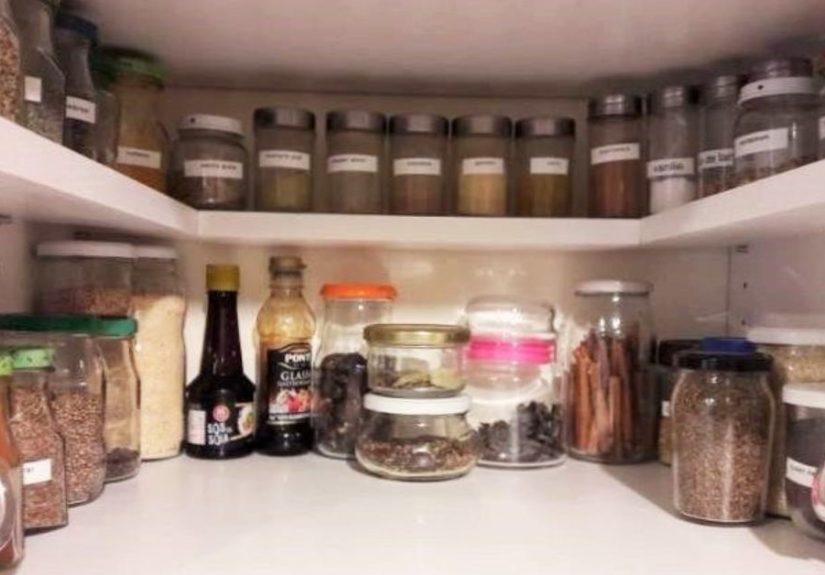
A smaller U-shaped shelf can turn a chaotic spice cabinet into a calm, alphabetical paradise. Well, maybe not alphabetical. Let us not get carried away. But it can create a raised back row and two side rows so you can see labels clearly. It is especially useful in narrow cabinets where traditional turntables waste corner space.
4. Pantry Shelves
In a pantry, a U-shaped rack can hold cans, jars, sauce bottles, baking extracts, tea boxes, or snack containers. The shape helps prevent deep-shelf disappearance, where a can of beans goes missing until three presidential administrations later. Use it to group similar items: breakfast supplies, baking ingredients, sauces, or quick lunch staples.
5. Laundry Rooms
Laundry rooms often contain narrow shelves, awkward utility sinks, and bulky bottles. A U-shaped rack can help separate detergent, stain remover, dryer sheets, clothespins, mesh bags, and cleaning brushes. If the rack is metal, choose one with a rust-resistant coating, especially in damp areas.
How to Choose the Right U-Shaped Rack
Measure Before You Buy
Before buying a U-shaped rack, measure the cabinet width, depth, height, and the location of the plumbing. Do not guess. Guessing is how you end up with a rack that almost fits, which is somehow more irritating than one that does not fit at all. Measure the distance from the cabinet floor to the bottom of the sink basin, the width between pipes and side walls, and the clearance needed for cabinet doors to close.
Check the Weight Capacity
Cleaning products, shampoo bottles, canned goods, and glass jars can get heavy. Choose a rack with a sturdy frame and a weight rating appropriate for what you plan to store. Wire shelves are lightweight and airy, while solid-bottom shelves are better for small bottles or items that may tip over.
Decide Between Fixed and Pull-Out
A fixed U-shaped rack is usually more affordable and simple to install. A pull-out U-shaped rack costs more but improves access. If your cabinet is deep, a sliding model can save you from crouching and reaching into the back. Soft-close slides are a nice bonus because they prevent the organizer from slamming shut like an angry kitchen drawer.
Look for Adjustable Parts
Adjustable shelves, movable panels, and expandable widths are useful because no two sink cabinets are exactly alike. Adjustable designs are especially helpful in rentals, older homes, and cabinets with unusual plumbing layouts. A flexible organizer is more likely to survive your next move, remodel, or “I rearranged everything at midnight” moment.
Choose the Right Material
For under-sink areas, moisture resistance matters. Powder-coated metal, stainless steel, treated wood, durable plastic, and acrylic are common choices. If you prefer wood, make sure it is sealed or used in a dry cabinet. For bathrooms and laundry areas, avoid materials that swell, rust, or trap moisture.
How to Set Up a U-Shaped Rack Like a Pro
Start by emptying the entire cabinet. Yes, the whole thing. This is the part where you discover expired sponges, a dried-up cleaner bottle, and possibly an object you cannot identify but feel emotionally suspicious of. Throw away empty containers, combine duplicates if safe, and remove anything that does not belong.
Next, clean the cabinet floor and inspect for leaks. Under-sink storage should never hide plumbing problems. If the base is damp, warped, stained, or smells musty, fix the leak before adding any organizer. Storage is wonderful, but it is not a substitute for plumbing maintenance.
Once the cabinet is clean, place the U-shaped rack around the pipe or obstacle. Test the door clearance before loading it. Then organize by frequency of use. Daily items belong in the easiest-to-reach area. Backup products can sit on the upper shelf or side zones. Small items should go in labeled bins or cups so they do not scatter.
Finally, leave a little breathing room. A rack is not an invitation to cram twice as much stuff into the cabinet. The goal is not maximum stuffing. The goal is maximum usefulness. A cabinet that is 80 percent full and easy to use beats a cabinet that is 100 percent full and bites your hand every time you open it.
What Not to Store Under the Sink
A U-shaped rack can improve under-sink storage, but it does not make the area safe for everything. Avoid storing paper towels, linens, cardboard boxes, small appliances, pet food, potatoes, onions, or anything that can be damaged by moisture. Under-sink spaces are vulnerable to leaks, spills, and humidity.
Be careful with cleaning chemicals. If you store them under the sink, keep them upright, sealed, and away from children and pets. Do not mix products, and do not store flammable items near heat sources. Use a tray or bin to contain potential drips. Safety is not the glamorous side of organization, but neither is explaining why the cabinet smells like a science experiment.
DIY U-Shaped Rack vs. Store-Bought Rack
If you enjoy DIY projects, a U-shaped rack can be built from wood boards, dowels, shelf pins, or simple brackets. A custom shelf is great for spice cabinets or odd-sized spaces because you can size it exactly to your needs. Sand edges smooth, seal wood if moisture is a concern, and make sure the shelf is stable before loading it.
Store-bought racks are better when you need sliding hardware, adjustable metal frames, or a polished under-sink system. They are also helpful if you do not own tools or if your personal relationship with measuring tape is tense. Many ready-made organizers are designed to fit common sink-base cabinets and include features like removable trays, side hooks, and expandable frames.
Specific Examples of How It Solves Everyday Problems
Imagine a kitchen sink cabinet where everything currently sits on the floor. Dish soap blocks the trash bags. Dishwasher pods are wedged behind a pipe. Sponges are scattered like confetti after a very boring parade. A U-shaped rack lets the pipe pass through the middle, while the sides hold sprays, soap refills, and brush cups. Trash bags slide into one zone, dishwasher supplies into another, and the sponge finally gets a home instead of a vague general area.
In a bathroom vanity, the rack can separate morning and night routines. One side holds toothpaste, floss, razors, and face wash. The other side holds extra soap, shampoo, and toilet paper. The top shelf stores small bins for cotton rounds, nail clippers, and travel-size products. Suddenly, getting ready no longer feels like rummaging through a hotel lost-and-found box.
In a spice cabinet, a U-shaped shelf creates visibility. Taller bottles can sit in the back or sides, smaller jars on the raised shelf, and frequently used seasonings in the front. You can finally stop buying paprika because you forgot you already had paprika. Twice. Possibly three times, but let us be kind.
Maintenance Tips to Keep It Working
Once the U-shaped rack is installed, give it a quick reset every month. Remove empty bottles, wipe sticky spots, check for leaks, and return stray items to their proper zones. If you use labels, update them when your habits change. A system only works if it matches real life, not the fantasy version of life where everyone puts the tape measure back immediately.
For metal racks, watch for rust or chipped coating. For wood racks, check for swelling or water marks. For plastic and acrylic organizers, wash them with mild soap and dry them completely before putting them back. If the rack slides, clean the tracks occasionally so crumbs, dust, or spilled powder do not interfere with movement.
Experience Notes: What Living With a U-Shaped Rack Actually Feels Like
The first thing people usually notice after adding a U-shaped rack is not the extra space. It is the calm. That sounds dramatic for a shelf, but it is true. A messy cabinet creates tiny friction every day. You open it, move three things, knock one over, sigh, and close it with the quiet disappointment of someone who has accepted chaos as a roommate. Once the rack is in place, the cabinet becomes predictable. The dish soap is where the dish soap lives. The extra sponges stop roaming free. The pipe is no longer the enemy.
The second surprise is how much unused vertical space was hiding there all along. Under-sink cabinets often have tall air pockets above short bottles. Without a rack, that air does nothing except observe the mess. With a U-shaped shelf, the upper space becomes useful. Small bins, scrub brushes, backup soap, or cleaning cloths can sit above the cabinet floor, leaving room below for taller bottles. It feels like adding a second floor to a tiny house, minus the contractor and the dust.
There is also a behavioral benefit. When items have a clear home, people are more likely to put them back. A rack creates visual boundaries. One side can be for cleaning supplies, one side for dishwashing items, and the middle can stay open for plumbing access. This matters because organization that requires deep personal discipline usually fails by Thursday. Good organization should be slightly lazy-friendly. The U-shaped rack wins because it makes the easy choice the correct choice.
In smaller homes and apartments, the difference can feel even bigger. Renters often cannot install custom cabinetry, drill into tile, or redesign the kitchen. A removable U-shaped rack offers a non-permanent upgrade. It can move from apartment to apartment, adapt to different cabinets, and improve storage without upsetting a landlord. That makes it practical for students, first apartments, shared homes, and anyone who wants better storage without turning the weekend into a renovation documentary.
The only real mistake is treating the rack like a magic license to keep everything. It is not a clutter forgiveness machine. The best results come when you declutter first, then use the rack to organize what remains. If the cabinet contains six nearly empty sprays, expired products, mystery cords, and a jar lid with no jar, the rack will help, but it will also politely reveal that the problem is not only storage. Sometimes the big problem is the cabinet. Sometimes it is the stuff. Usually, it is both.
After a few weeks, the biggest compliment for a U-shaped rack is that you stop thinking about it. You simply open the cabinet and find what you need. No avalanche. No crouching expedition. No buying duplicates because the original disappeared behind the drainpipe. It is a small upgrade, but it solves a daily annoyance in a way that feels oddly satisfying. Not every home improvement needs to be dramatic. Sometimes the hero is just a U-shaped rack, quietly holding the soap.
Conclusion
The U-shaped rack solves a big problem by respecting the awkward spaces most organizers ignore. It works around plumbing, makes use of vertical space, improves visibility, and turns crowded cabinets into practical storage zones. Whether you use it under the kitchen sink, inside a bathroom vanity, in a pantry, or in a spice cabinet, the idea is the same: stop fighting the shape of the space and start working with it.
For anyone tired of cabinet avalanches, duplicate purchases, and mystery bottles lurking in the back row, a U-shaped rack is a simple fix with an impressive payoff. Measure carefully, choose moisture-resistant materials, avoid overloading it, and keep unsafe items out of risky under-sink areas. Do that, and this humble rack may become one of the most useful organizers in your home.
Note: This article is original publishing copy based on real home-organization principles, under-sink storage practices, and common U-shaped rack designs. Source links are intentionally not included in the article body.