Table of Contents >> Show >> Hide
- Why Calves Need Extra Protection in Cold Weather
- So, What Are Calf Earmuffs?
- The Science Behind the Cuteness
- What Farmers Do Before the Earmuffs Even Go On
- Where Earmuffs Fit Into the Winter Calf-Care Routine
- Are Calf Earmuffs Comfortable?
- Why the Internet Fell in Love With Calf Earmuffs
- Do All Calves Need Earmuffs?
- Cold Stress Is About More Than Looking Chilly
- What Calf Earmuffs Teach Us About Modern Farming
- Specific Examples of Winter Calf Protection
- Common Myths About Calves in Winter
- Experience Notes: What This Topic Looks Like From the Barn Door
- Conclusion
- SEO Tags
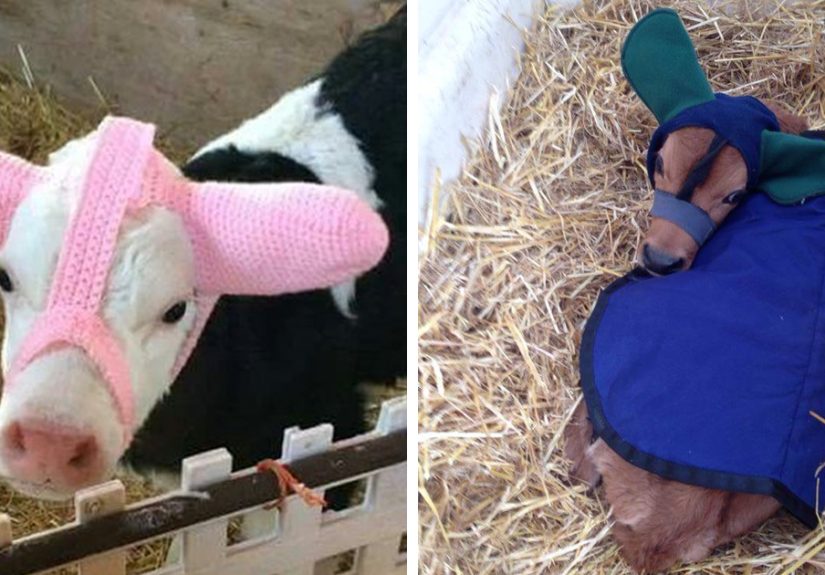
Some winter farm photos stop people mid-scroll for one very understandable reason: baby calves wearing earmuffs. Not tiny knitted hats. Not novelty costumes. Actual calf earmuffs designed to keep those floppy little ears warm when the weather decides to act like a freezer with trust issues.
Yes, it looks adorable. Yes, it may cause sudden squealing from people who normally pretend to be emotionally composed. But behind the cuteness is a practical animal-care solution. Farmers, especially in cold regions, know that newborn calves face serious challenges in freezing weather. Their ears, tails, and feet are vulnerable to frostbite, especially when they are wet after birth, exposed to wind, or unable to warm up quickly.
That is where calf earmuffs come in. These soft, insulated covers help protect a newborn calf’s ears from cold air while farmers focus on the bigger winter-care checklist: drying the calf, providing warm bedding, making sure it receives colostrum, reducing drafts, and keeping the animal comfortable. In other words, the earmuffs may be cute enough to deserve their own calendar, but they are also part of a very real conversation about livestock welfare.
Why Calves Need Extra Protection in Cold Weather
Adult cattle are surprisingly tough in winter when they have adequate nutrition, clean dry coats, shelter from wind, and access to water. Calves, however, are not just smaller cows with wobbly legs and a talent for looking confused. Newborn calves are more sensitive because they have less body reserve, a larger surface area compared with their body weight, and limited ability to regulate temperature right after birth.
The first few hours are especially important. A newborn calf is usually wet, and moisture steals heat quickly. Add wind, freezing air, and a cold ground surface, and the calf can lose warmth faster than it can produce it. Farmers call this cold stress, and it can affect energy levels, immune strength, and the calf’s ability to stand and nurse.
Frostbite is one of the most visible cold-weather risks. The ears are thin, exposed, and not protected by much insulating tissue. That is why they often receive special attention. A calf with dry bedding, shelter, and warm ears has a much better chance of getting through those early winter hours comfortably.
So, What Are Calf Earmuffs?
Calf earmuffs are exactly what they sound like: protective ear covers made for young calves. Some are homemade from fleece, fabric, elastic, or soft insulating material. Others are sold as farm products, often designed to be adjustable, washable, and secure enough to stay on a calf that has just discovered legs and is using them like four separate committee members.
The most famous version people have shared online is often called “Moo Muffs,” a wonderfully perfect name because agriculture deserves more puns. These calf earmuffs are typically designed to cover both ears and sit comfortably around the calf’s head. The goal is not fashion, although the fashion is undeniable. The goal is to reduce exposure to bitter cold and help prevent frostbite on the ears.
Farmers may use earmuffs when calves are born during severe cold, when wind chill is dangerous, or when a calf needs extra help staying warm. They are not a replacement for good bedding, shelter, or prompt care. Think of them as the cozy sidekick in a larger winter survival plan. Batman has Robin. Newborn calves have fleece ear protection. Same energy, more hay.
The Science Behind the Cuteness
Cold weather affects calves in several ways. When a calf is cold, its body uses energy to maintain core temperature. That means calories that should support growth and immune function may be diverted simply to staying warm. If the calf does not receive enough energy, warmth, and care, cold stress can become a serious welfare issue.
Frostbite happens when exposed tissue becomes too cold for too long. In calves, the ears, tail, and feet are the areas farmers watch most closely. Ears are especially noticeable because they are easy to see and easy to expose. When farmers protect them with earmuffs, they are helping reduce the chance that those delicate tissues are damaged by freezing temperatures.
Moisture makes the problem worse. A dry calf is much better prepared for cold weather than a wet one. That is why farmers often prioritize drying newborns quickly, moving them out of wind, and placing them on deep bedding. Straw bedding is especially useful because calves can nest into it, trapping warm air around their bodies like a natural little sleeping bag.
What Farmers Do Before the Earmuffs Even Go On
The earmuffs may get the internet applause, but the real work begins before anyone reaches for the cute accessory drawer. Winter calf care starts with preparation. Farmers often plan calving areas carefully, especially when forecasts predict snow, ice, or extreme cold.
They Keep Calving Areas Clean and Dry
Clean, dry bedding is one of the biggest tools farmers have. Wet bedding pulls heat away from the calf and can make a cold barn feel even colder. Deep straw gives calves insulation from the ground and allows them to tuck their legs underneath and conserve heat. A good bedding pack is not glamorous, but neither is a frozen floor. Straw wins.
They Block Wind Without Killing Ventilation
Wind is a major problem because it increases heat loss. Farmers use windbreaks, hutches, barns, curtains, or protected calving pens to reduce drafts. However, the area still needs ventilation. A completely sealed space can trap humidity and stale air, which may contribute to respiratory problems. The ideal setup is protected but breathable, like a barn version of a good winter coat.
They Make Sure Calves Get Colostrum
Colostrum, the first milk from the cow, is essential. It provides energy and antibodies that help the calf’s immune system. In cold weather, this early nutrition becomes even more important because the calf needs fuel to warm itself and fight off illness. Farmers may monitor nursing closely or provide assistance if the calf is weak, slow to stand, or too chilled to nurse effectively.
Where Earmuffs Fit Into the Winter Calf-Care Routine
Calf earmuffs are one piece of a practical routine. They are most useful when the farmer has already addressed the main issues: the calf is dry or being dried, moved into a protected area, placed on warm bedding, and monitored for nursing and energy level.
Farmers may put earmuffs on shortly after birth during freezing weather, especially if the calf’s ears are wet or exposed to wind. The earmuffs help hold warmth around the ears while the rest of the calf receives care. Some farmers also use calf jackets to protect the body, especially for dairy calves housed individually in hutches or other cold-weather systems.
The important point is that calf earmuffs are not silly. They only look silly because humans are weak in the presence of baby animals wearing tiny winter gear. In reality, they solve a very specific farm problem: delicate ears meet brutal weather. The earmuffs simply tell winter, “Not today, frosty little goblin.”
Are Calf Earmuffs Comfortable?
Good calf earmuffs are designed to be soft, lightweight, and secure without being tight. Farmers want them to stay in place, but not restrict movement, breathing, nursing, or natural behavior. A proper fit matters. Too loose, and the calf may lose them in the bedding. Too tight, and they can cause discomfort. The best designs are adjustable and easy to remove for cleaning or inspection.
Calves are curious, wiggly, and not known for reading product instructions. Farmers often check the earmuffs regularly to make sure they are dry, properly positioned, and not causing rubbing. If they become wet, dirty, or displaced, they need attention. Like any animal-care tool, they work best when used thoughtfully.
Why the Internet Fell in Love With Calf Earmuffs
Part of the charm is the contrast. Farming is hard work. Winter farming is even harder. It involves early mornings, frozen gates, stiff gloves, slippery ground, and weather that seems personally offended by comfort. Then, in the middle of all that, there is a tiny calf wearing earmuffs like it is late for a preschool snow day.
People love these photos because they reveal something tender about livestock care. Behind every cute image is a farmer checking temperatures, carrying bedding, warming bottles, watching the sky, and losing sleep during calving season. The earmuffs are sweet, but they also symbolize attention. Someone noticed a problem and found a way to protect a vulnerable animal.
That is why the story spreads. It is not just “Look, a calf in earmuffs.” It is “Look, someone cared enough to make sure even the ears were protected.” In a noisy online world, that kind of gentle practicality feels refreshing.
Do All Calves Need Earmuffs?
No. Calf earmuffs are not necessary in every climate or every farm system. A calf born in mild weather, inside a protected barn, or during a warm spell may not need ear protection. Farmers make decisions based on temperature, wind, moisture, calf condition, and available shelter.
However, in northern states and colder regions where calving can happen during freezing weather, earmuffs can be a useful tool. Some farmers prefer them for newborns during extreme cold. Others use calf jackets, warming boxes, extra bedding, heated areas, or a combination of methods. The best approach depends on the farm, the weather, and the calf.
What matters most is not whether every calf owns a winter wardrobe. What matters is whether the farmer is preventing cold stress and responding quickly when a calf needs help.
Cold Stress Is About More Than Looking Chilly
It is easy for people to imagine animals are fine in winter because cattle have hair coats and live outdoors. Adult cattle can handle cold conditions well when properly managed, but newborn calves are different. Cold stress can make calves burn through energy reserves, weaken their ability to nurse, and increase vulnerability to illness.
In dairy systems, young calves may need additional nutrition during cold periods because they use more energy simply to stay warm. Warm water, consistent feeding, clean bedding, and calf jackets can all support growth and health. In beef systems, farmers may watch weather forecasts closely during calving season and move pairs to sheltered areas when needed.
The basic rule is simple: dry, fed, sheltered, and monitored. Add earmuffs when the ears need backup. Add a tiny red scarf only if you want the internet to collapse from delight. The scarf is optional. The care is not.
What Calf Earmuffs Teach Us About Modern Farming
Calf earmuffs also remind us that farming is not stuck in the past. Farmers constantly adapt. They use research, veterinary guidance, old-fashioned observation, and practical invention. Sometimes innovation looks like a sensor, a better feeding system, or a redesigned barn. Sometimes it looks like fleece-lined ear covers for a baby cow.
That is the wonderful thing about agriculture: practical ideas do not need to be fancy to be effective. A farmer sees frostbitten ears as a recurring winter problem, tries a better way, improves the design, and shares it. Another farmer sees it and thinks, “That might help my calves too.” Suddenly, a simple idea becomes a small but meaningful welfare tool.
It also shows how closely farmers observe animals. A healthy calf is active, alert, warm, and eager to nurse. A cold calf may be slow, weak, tucked up, or reluctant to move. Farmers learn to spot those signs quickly. Earmuffs are part of that attention to detail, the same attention that notices a draft, damp bedding, a late-nursing calf, or a storm coming over the ridge.
Specific Examples of Winter Calf Protection
Imagine a calf born during a January cold snap. The cow does her job, but the calf arrives wet and the wind is sharp enough to make fence posts question their life choices. The farmer steps in. First, the calf is moved or positioned in a protected area. The calf is dried with towels, bedding, or safe warming equipment. The farmer checks that breathing and energy look normal. Then come the practical extras: deep straw underneath, perhaps a calf jacket over the body, and earmuffs over those vulnerable ears.
On another farm, a dairy calf may be moved into a clean hutch after birth. The hutch is bedded deeply with straw so the calf can nest. The farmer may use a calf jacket when temperatures fall below the calf’s comfort zone. If wind chill is severe, earmuffs can help protect the ears during the most vulnerable period.
In both cases, the cute photo is only the final frame. The real story is management: planning ahead, keeping supplies ready, checking calves often, and responding quickly. Earmuffs are photogenic, but the care behind them is the headline.
Common Myths About Calves in Winter
Myth 1: “Cows are animals, so cold does not bother them.”
Adult cattle can handle cold better than people often assume, but calves are not adults. Newborns need extra support, especially when they are wet, weak, or exposed to wind.
Myth 2: “Earmuffs are just for viral photos.”
They are undeniably adorable, but they serve a real purpose. Calf earmuffs help protect exposed ears from harsh cold and may reduce the risk of frostbite when used with proper winter care.
Myth 3: “A calf jacket or earmuffs can replace bedding.”
No winter accessory can make up for wet bedding, poor ventilation, or inadequate nutrition. Earmuffs and jackets work best as part of a complete system.
Experience Notes: What This Topic Looks Like From the Barn Door
The first thing you learn around winter calves is that cuteness and urgency can exist in the same breath. A newborn calf may look like a storybook character who accidentally wandered into a snow globe, but the farmer watching that calf is doing mental math: temperature, wind, time since birth, whether the calf has stood, whether it has nursed, whether the bedding is dry, and whether the weather is getting worse.
One of the most memorable experiences connected to calf earmuffs is the reaction they create. People see the photo and laugh first. That is normal. A calf in earmuffs looks like it should be holding a tiny mug of cocoa and complaining about school delays. But then comes the second reaction: curiosity. Why does it need those? Are its ears really at risk? Do farmers actually check things like that?
That curiosity is valuable because it opens a door into the real work of animal care. Many people are several steps removed from farms. Milk arrives in a carton. Beef appears in a grocery case. Farm life becomes either romanticized or misunderstood. A simple image of a calf wearing earmuffs helps bridge that gap. It says, “Here is a farmer solving a problem you may not have known existed.”
Winter calving can be exhausting. Farmers may check animals in the dark, during storms, and on mornings when metal latches feel glued shut by ice. They keep towels, warm bedding, bottles, colostrum supplies, calf jackets, and sometimes earmuffs ready because timing matters. A small delay can make a big difference for a newborn. The work is not always picture-perfect. Boots get muddy. Gloves get wet. Sleep gets interrupted. But when a calf is warm, dry, standing, and nursing, the relief is enormous.
There is also something quietly beautiful about the creativity involved. Farmers are practical inventors. They use what works. If a fleece-lined cover helps protect a calf’s ears, it earns a place in the winter kit. If deep straw helps calves nest, more straw gets added. If a hutch needs better wind protection, it gets adjusted. The farm is a constant conversation between weather, animals, tools, and human judgment.
And yes, the adorable factor helps. It reminds people that animal welfare is not always dramatic. Sometimes it is a small act repeated carefully: drying a calf, checking its ears, adding bedding, offering warm water, adjusting a jacket, or placing tiny earmuffs on a wobbly baby animal who has no idea it is about to become the internet’s emotional support cow.
In the end, calf earmuffs are more than a cute farm trend. They are a symbol of attentive care. They show that good farming often lives in details most people never see. A protected ear, a dry bed, a warm first meal, and a farmer willing to step into the cold one more timethose are the small things that help calves get a strong start.
Conclusion
Calf earmuffs may look like the sweetest winter accessory ever invented, but they are rooted in real livestock care. Newborn calves are vulnerable to cold stress and frostbite, especially around the ears, tail, and feet. Farmers use tools like earmuffs, calf jackets, dry bedding, wind protection, colostrum management, and frequent monitoring to help calves stay healthy during harsh weather.
The next time you see a baby calf wearing earmuffs, enjoy the cuteness. Absolutely enjoy it. Send it to a friend who needs a mood boost. But also remember what the image represents: a farmer paying attention, solving a problem, and protecting a young animal from the cold. That is practical compassion, wrapped in fleece, standing on four wobbly legs.