Table of Contents >> Show >> Hide
A front door is a handshake in paint form. Before guests notice your porch light, your planters, or the fact that your dog is dramatically barking at a leaf, they notice the door. That is why a fresh front door color can do so much heavy lifting for curb appeal. It is quick, relatively affordable, and far less chaotic than repainting the whole exterior and accidentally starting a neighborhood group chat about your life choices.
This guide takes inspiration from the classic idea behind Bob Vila’s “10 Welcoming Front Door Paint Colors” and expands it into a practical, modern article for homeowners who want style and common sense. The best front door paint colors are not just pretty on a swatch. They work with your siding, flatter your trim, respect your home’s architecture, and still feel inviting at 7:15 a.m. when the delivery driver is judging your wreath.
Below, you will find 10 welcoming front door paint colors, how each shade changes the mood of a home, and smart tips for choosing the right finish, undertone, and contrast level. Whether your taste runs classic, playful, bold, or quietly sophisticated, there is a front door color here with your name on it. Probably not literally. That would be a different project.
Why Front Door Paint Color Matters
The front door is usually the smallest painted surface on the front of a house, but it often becomes the focal point. A bold or thoughtfully chosen color helps the entry stand out, frames the architecture, and gives the whole facade more personality. In practical terms, it is one of the fastest ways to refresh your home’s exterior without draining your weekend, your energy, or your bank account.
Color also shapes first impressions. Blues and greens tend to feel calm and established. Reds and oranges bring warmth and energy. Black looks polished and timeless. White feels crisp and clean. Yellow can be cheerful without being childish if you choose the right depth. The goal is not to pick the loudest option on the paint wall. The goal is to find a shade that makes your home look intentional.
How to Choose the Best Front Door Color Before You Open the Paint Can
Start with the house, not the color chip
Your siding, brick, stone, trim, roof, and even landscaping already have opinions. A front door color should work with them, not argue with them. White houses can handle almost any accent color, from deep navy to happy yellow. Brick homes often look especially handsome with black, charcoal, deep green, teal, or rich red. If your exterior already has a lot happening, a more grounded shade usually feels smarter than a neon experiment.
Think about architecture and mood
Traditional homes usually look great with dark, rich, established colors such as black, navy, forest green, burgundy, or soft teal. Contemporary homes can support more playful options, including orange, citrus green, or vivid turquoise. Farmhouse-style exteriors often suit black, white, sage, or muted blue. Cottage homes can carry just a bit more whimsy without looking overcaffeinated.
Test the color in real light
A color that looks perfect at the store may look moody, flat, or surprisingly loud once it lands on your front porch. Morning light, afternoon sun, and shade all change how a paint color reads. Try sample swatches first and look at them at different times of day. This step is not glamorous, but it saves many homeowners from the deeply humbling experience of realizing their “soft blue” reads like sports drink.
Pick the right finish
For most front doors, satin or semi-gloss is the sweet spot. These finishes are durable, easier to clean than flat paint, and polished without turning every dent and ding into a spotlight moment. Gloss can look dramatic and elegant, especially on black or red doors, but it also highlights imperfections. Prep matters just as much as color, so clean, sand, and prime properly before you paint.
10 Welcoming Front Door Paint Colors
1. Graceful Gray
Gray is the friend who always shows up on time and never embarrasses you at dinner. It is modern, calm, and endlessly versatile. A gray front door works beautifully when you want something more distinctive than beige but less dramatic than black. On bright exteriors, it adds balance. On traditional homes, it adds quiet sophistication. On modern homes, it looks crisp and architectural.
Choose a warm gray if your house has creamy trim, tan stone, or red brick. Choose a cooler gray if your home leans black-and-white or has bluer undertones. The charm of gray is that it can read polished without feeling cold, especially when paired with warm brass, matte black, or aged bronze hardware. If you want curb appeal that whispers instead of shouts, gray gets the job done.
2. Twilight Blue
This is not your average cheerful sky blue. Twilight blue is deeper, moodier, and a little mysterious in the best possible way. Think navy with a hint of velvet drama. It looks stunning on homes that need a stronger focal point without going full theatrical. It is especially good on white, cream, light gray, or taupe exteriors where contrast can do the heavy lifting.
Deep blue feels classic, but it also has enough richness to feel current. It flatters colonial homes, brick facades, and coastal-inspired entries alike. If you want your front door to say, “Welcome in, we probably have good snacks,” twilight blue is a strong contender. Add polished nickel or brass hardware and suddenly your entry looks like it has its own lighting crew.
3. Sunny Yellow
Yellow is one of the happiest front door paint colors when used with restraint and confidence. A well-chosen yellow can brighten a shady porch, add warmth to a neutral exterior, and create an instant sense of friendliness. It feels upbeat, optimistic, and memorable. The trick is picking the right yellow for the setting.
Soft mustard, golden yellow, or buttery tones usually feel more sophisticated than bright lemon. These richer shades pair especially well with gray siding, dark trim, blue-gray exteriors, and white farmhouses. Yellow is a natural attention-grabber, so it works best when the rest of the exterior palette stays supportive. Use it when your house needs a smile, not a megaphone.
4. Lively Lime Green
Lime green is the wild card of the group, but on the right house, it is fantastic. This is the color for homeowners who want a front door with personality and zero interest in looking forgettable. Against charcoal, slate, or medium gray siding, a lime-leaning green can look fresh, architectural, and oddly sophisticated. Yes, oddly. That is part of the fun.
The key is confidence and context. A citrusy green door tends to work best on contemporary homes or houses with clean lines and minimal ornament. It also helps when the landscaping supports it, since green tones naturally echo leaves, grass, and garden plantings. This is not a safe choice, but it is a welcoming one when used thoughtfully. It says your home is alive, awake, and definitely not beige by accident.
5. Soft Teal
Soft teal sits in the sweet spot between blue and green, which is probably why it feels so easygoing. It is colorful without being loud, traditional without being boring, and coastal without requiring an ocean view. A soft teal front door can bring charm to a cottage, calm to a farmhouse, or freshness to a brick house that needs a visual lift.
Teal works especially well with white trim, warm wood accents, sandy stone, and weathered gray siding. It also plays nicely with natural textures like wicker, terracotta planters, and greenery. If black feels too serious and yellow feels too cheerful, teal is the charming middle child. It gives your entry some personality while keeping the overall vibe relaxed and welcoming.
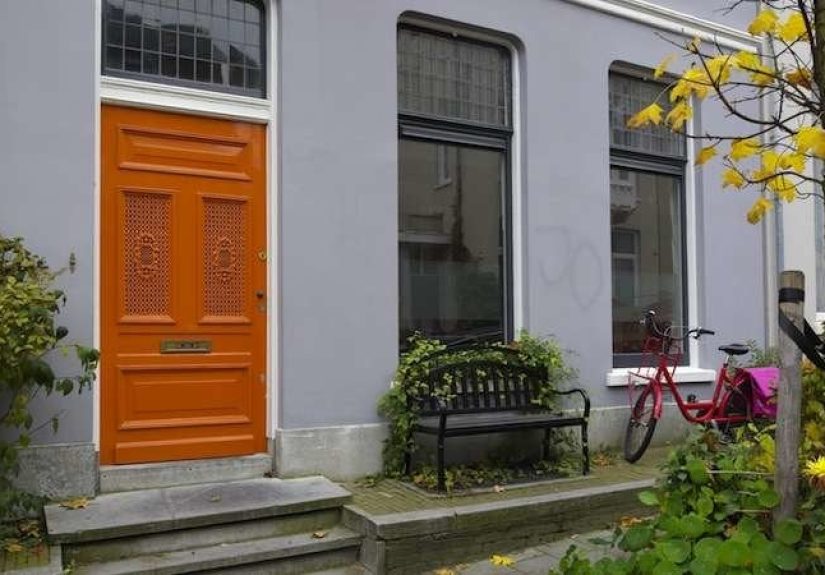
6. Juicy Orange
Orange is warm, energetic, and impossible to ignore, which sounds risky until you see it done well. On the right exterior, an orange front door feels artistic, sunny, and incredibly hospitable. It can wake up a dark facade, add mid-century flair, or make a white house feel more playful and memorable. Think less traffic cone, more spiced citrus.
Burnt orange, pumpkin, and terracotta-leaning shades are usually easier to live with than overly bright tangerine. They pair especially well with gray siding, natural wood, stone, and desert-inspired landscaping. Orange is not for everyone, but that is exactly why it can work so well. It turns an ordinary entrance into a destination and gives your home a little swagger.
7. No-Fail Black
Black is the little black dress of front door paint colors. It is elegant, classic, and almost unfairly versatile. A black front door looks polished on nearly every exterior style, from colonial to modern farmhouse to minimalist contemporary. It pairs beautifully with brick, stone, white siding, cream trim, and natural wood. If you want a front door color with staying power, black rarely misses.
It also has a practical advantage: darker doors create strong visual contrast, which helps the entry read clearly from the street. Satin or semi-gloss black gives you that tailored look without becoming too severe. Add a brass knocker, a clean welcome mat, and maybe a pair of planters, and suddenly the house looks more expensive than it was ten minutes earlier.
8. Turquoise
Turquoise is bright, spirited, and full of vacation energy. On neutral exteriors, it becomes a joyful focal point. On mid-century homes, it can look absolutely perfect. On cottages and bungalows, it feels breezy and inviting. The best turquoise front doors have enough blue and enough green to feel lively, but not so much saturation that the color overwhelms the facade.
This shade loves sunshine, white trim, sandy stone, warm wood, and abundant greenery. It is especially effective when the house itself is simple and the door gets room to be the star. Turquoise says your home has personality, but it also feels approachable. It is less formal than navy and less conventional than teal, which makes it a great choice for homeowners who want something cheerful but still polished.
9. Clean White
White may sound like the least adventurous option on this list, but a white front door can be surprisingly impactful. When paired with a darker house body, it pops with crisp contrast. On an all-white or mostly white exterior, it creates a fresh, layered look that feels peaceful and tidy rather than plain. White also works beautifully when the architecture itself deserves the spotlight.
This is a great choice for cottage homes, traditional entries, and houses with beautiful millwork or statement hardware. The only caution is maintenance. White shows dirt, pollen, and fingerprints faster than darker shades, so you may need to clean it more often. Still, if your goal is a front entrance that looks neat, classic, and inviting all year, white is far from boring. It is just quietly confident.
10. Ready-for-Anything Red
Red is one of the most iconic front door paint colors for a reason. It feels warm, celebratory, and confident. It draws the eye, boosts curb appeal, and works across a surprising range of home styles. A classic red door can feel historic on a colonial, cheerful on a farmhouse, and bold on a modern exterior. It is a statement color, but it does not have to be loud.
The secret is undertone. Blue-based reds feel richer and dressier. Orange-based reds feel warmer and more energetic. Deep, slightly muted reds often age better than bright fire-engine shades, especially on traditional homes. If you want a front door color that creates instant presence and still feels deeply welcoming, red remains one of the strongest choices in the whole paint store.
Which Color Works Best for Your Exterior?
If your house is white, you have range. Black, teal, red, yellow, turquoise, and twilight blue can all look fantastic because the background is neutral. If your house is brick, look for colors that complement the warm, earthy tones rather than fighting them; deep green, black, navy, and some grays are usually safe bets. If your house is gray, you can go warm with yellow or orange, cool with teal or blue, or timeless with black. If you have lots of stone, keep the undertones in mind so the door color feels connected instead of random.
Also consider your neighborhood. You do not need to copy everyone else, but it helps to know whether you want to blend in gracefully or stand out on purpose. There is a difference between memorable and mysterious-for-the-wrong-reason.
Real-Life Experiences With Welcoming Front Door Colors
Homeowners often discover something funny once they paint the front door: the color changes more than the door. It changes how the whole house feels. A charcoal-gray bungalow that once looked a little tired can suddenly feel crisp and updated with a soft yellow door. A plain white suburban exterior can gain instant character with deep teal. A brick colonial that felt formal and slightly stiff can loosen up beautifully with a richer red or a classic black in satin finish.
One of the most common experiences people report is surprise at how much contrast matters. A color they thought would be “too dark,” like black or twilight blue, often turns out to be exactly what the house needed. From the curb, darker colors frame the entry and make it easier for the eye to land on the door. The house appears more composed, almost like it finally found the correct pair of glasses.
Bright colors tell a different story. Homeowners who choose orange, yellow, or turquoise often say the door becomes a conversation starter. Neighbors notice. Delivery drivers notice. Friends comment before they even ring the bell. These shades bring personality fast, but they also teach an important lesson: bold does not mean careless. The happiest results usually happen when the bright door is balanced by simpler siding, trim, porch furniture, or planters. In other words, let the door be the star, not the entire cast.
Lighting is another big reality check. A color that seems soft and charming in the store can look much stronger once it hits full afternoon sun. On the flip side, a north-facing entry can make some colors look cooler and darker than expected. That is why sample testing ends up being the hero of so many successful projects. It sounds boring. It is not glamorous. It is also the difference between “I love this” and “Why does my front door look like a giant blueberry?”
There is also the emotional side, which homeowners do not always expect. Painting the front door is a small project, but it creates a daily mood shift. Coming home to a red, teal, or black door that feels intentional can make the whole house seem better cared for. People often start with the door and then suddenly want to refresh the light fixture, switch out the doormat, trim the shrubs, or add planters. Front door paint has a sneaky tendency to start a curb-appeal domino effect.
And then there is the maintenance lesson. White looks gorgeous, but it shows everything. Glossy black looks tailored, but prep matters because imperfections are more visible. Yellow is cheerful, but the wrong undertone can drift into cartoon territory. Green and blue shades are often the most forgiving, which helps explain why so many homeowners end up loving them long term.
In the end, the best front door color is usually the one that makes you pause for half a second when you pull into the driveway and think, “Yep, that was the right move.” It should feel welcoming to guests, flattering to the house, and fun for you. Because while the front door may only be one piece of the exterior, it does a remarkable job of telling the world what kind of home sits behind it.
Conclusion
The best welcoming front door paint colors are not about following a rigid rulebook. They are about pairing personality with proportion, contrast with cohesion, and style with real-world curb appeal. Gray, twilight blue, yellow, lime, teal, orange, black, turquoise, white, and red all work for different reasons, and each one can transform an entry when matched to the house around it.
If you want the safest winner, start with black, deep blue, gray, or teal. If you want to brighten the whole facade, consider yellow, orange, or turquoise. If you want classic warmth, red still earns its reputation. No matter which shade you choose, test it in natural light, use a durable finish, and let the rest of your exterior support the star of the show. Your front door is small, but it knows how to make an entrance.