Table of Contents >> Show >> Hide
- What Happens When Psoriasis Reaches the Joints?
- Why Does Psoriasis Affect the Joints?
- Signs Your Joint Symptoms Could Be Related to Psoriasis
- Psoriasis and Joint Damage: Why Early Treatment Matters
- How Doctors Diagnose Psoriatic Arthritis
- Treatment: What Helps When Psoriasis Affects Your Joints?
- Daily Life With Psoriatic Arthritis
- When to Talk to a Doctor
- Conclusion
- Experiences Related to “How Psoriasis Affects Your Joints”
Most people hear the word psoriasis and think of itchy, scaly skin. Fair enough. That is the headline act. But for many people, psoriasis also books a surprise encore in the joints. And that part is not nearly as fun.
When psoriasis affects the joints, the condition is called psoriatic arthritis. It can cause pain, stiffness, swelling, and fatigue, and it can involve everything from your fingers and toes to your spine, heels, and knees. In other words, psoriasis is not always content to stay in its lane. Sometimes it wanders from the skin into the body’s moving parts and starts causing real trouble.
If you have psoriasis and your joints have recently started acting like grumpy old door hinges, this article is for you. Here is what is really happening, what symptoms matter, why early treatment is such a big deal, and what everyday life can look like when psoriasis and joint pain decide to become roommates.
What Happens When Psoriasis Reaches the Joints?
Psoriatic arthritis is an inflammatory disease linked to psoriasis. It develops when the immune system becomes overactive and triggers inflammation in the joints and in the places where tendons and ligaments attach to bone. Those attachment points are called entheses, and they are a major reason this condition can feel different from ordinary wear-and-tear arthritis.
That distinction matters. Psoriatic arthritis is not simply “joint pain plus a rash.” It is a whole-body inflammatory condition. While osteoarthritis is more about long-term mechanical breakdown, psoriatic arthritis is driven by inflammation. That is why symptoms can flare, calm down, and then return with a vengeance at the exact moment you thought your body had finally decided to cooperate.
For many people, the skin symptoms of psoriasis show up first. But not always. Sometimes joint pain starts before the skin plaques become obvious. That can make diagnosis tricky, especially when the rash is mild or hidden in places like the scalp, ears, belly button, or between skin folds.
Why Does Psoriasis Affect the Joints?
The short answer is inflammation. The slightly longer answer is that psoriasis and psoriatic arthritis are both tied to an immune system that misfires. Instead of calming down after doing its job, it stays switched on and creates ongoing inflammation in the skin, joints, nails, and sometimes the eyes or other tissues.
Researchers believe the disease is shaped by a mix of:
- Genetics, because psoriatic disease often runs in families
- Immune system dysfunction, which drives inflammation
- Environmental triggers, such as infection, stress, trauma, or other factors that may set off symptoms in people who are already susceptible
- Risk factors, including more severe psoriasis, nail psoriasis, obesity, and a family history of psoriasis or psoriatic arthritis
So if you have psoriasis and also have nail pitting, swollen fingers, heel pain, or morning stiffness, your joints are not being dramatic. They may be signaling a real inflammatory disease that deserves attention.
Signs Your Joint Symptoms Could Be Related to Psoriasis
Psoriatic arthritis does not read from a script. It can affect a handful of joints or many of them. It may hit one side of the body harder than the other. It can involve the small joints near the fingertips, larger joints like the knees, or the spine and pelvis. Some people get mild disease. Others deal with much more aggressive inflammation.
Common Symptoms of Psoriatic Arthritis
- Joint pain, swelling, or tenderness in the fingers, toes, knees, ankles, wrists, or other joints
- Morning stiffness or stiffness after sitting still for too long
- Sausage-like swelling of an entire finger or toe, also called dactylitis
- Heel pain or pain on the sole of the foot from enthesitis
- Lower back, neck, or hip pain when the spine or sacroiliac joints are involved
- Nail changes such as pitting, crumbling, ridges, thickening, or nails lifting from the nail bed
- Fatigue that seems out of proportion to what you did that day
- Warm, stiff, or red joints during flares
One of the trickiest parts of psoriatic arthritis is that symptoms do not always arrive in a tidy order. Some people notice skin plaques first, then joint symptoms years later. Others get nail changes first. Some mainly have foot pain and assume they just need better shoes. Others think their swollen finger is the result of “sleeping funny,” which would be charming if it were true.
Joints Most Often Affected
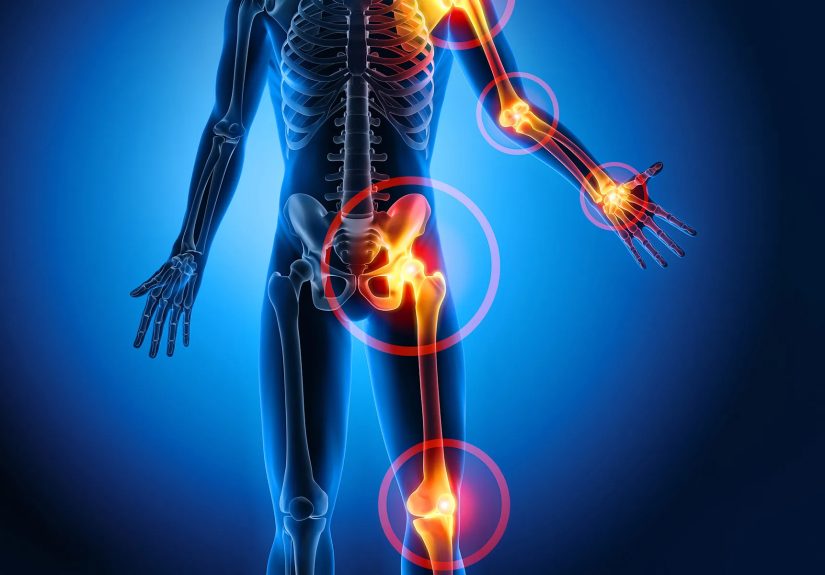
The disease often shows up in the small joints of the fingers and toes, especially the joints closest to the nails. But it can also affect:
- Knees
- Ankles
- Wrists
- Shoulders
- Spine
- Sacroiliac joints in the lower back and pelvis
- Heel and Achilles tendon area
This pattern helps explain why people with psoriatic arthritis often talk about trouble gripping a coffee mug, walking downstairs, opening jars, typing, standing after sitting, or getting out of bed without first negotiating with every joint in their body.
Psoriasis and Joint Damage: Why Early Treatment Matters
Here is the part nobody loves hearing but everybody needs to know: untreated psoriatic arthritis can damage joints over time. Inflammation is not just noisy. It can be destructive. It can wear down cartilage, affect bone, limit mobility, and in some cases lead to deformity.
That is why early diagnosis is such a big deal. If you catch psoriatic arthritis early, treatment can reduce inflammation, improve daily function, ease pain, and help prevent long-term damage. Waiting too long may mean the disease becomes harder to control.
Put another way, this is not the kind of thing you want to “just monitor” forever while hoping your knee gets bored and stops swelling.
How Doctors Diagnose Psoriatic Arthritis
There is no single magic test that stamps a chart with “Yes, definitely psoriatic arthritis.” Diagnosis usually comes from a combination of your symptoms, medical history, physical exam, skin and nail findings, and testing to rule out other causes of joint pain.
What a Doctor May Look For
- A personal or family history of psoriasis
- Swollen or tender joints
- Morning stiffness
- Nail pitting or nail separation
- Heel pain or tendon tenderness
- Dactylitis, or sausage digits
- Inflammatory back pain
Tests Commonly Used
- Blood tests to look for inflammation and help rule out conditions such as rheumatoid arthritis
- X-rays to look for joint changes
- Ultrasound or MRI to detect inflammation in joints, tendons, entheses, or the spine
- Skin and nail exam, especially when psoriasis is subtle or previously undiagnosed
Because this disease sits at the crossroads of skin and joints, people are often diagnosed by a rheumatologist, a dermatologist, or ideally both. That tag-team approach can be especially helpful when you have active skin disease and joint symptoms at the same time.
Treatment: What Helps When Psoriasis Affects Your Joints?
The goal of treatment is not only to make you feel better today, although that would be lovely. It is also to control inflammation so the disease does not keep damaging your joints tomorrow.
Common Treatment Options
- NSAIDs for milder pain and swelling
- Corticosteroid injections into affected joints in selected cases
- DMARDs to reduce inflammation and slow disease activity
- Biologics that target specific immune pathways
- Targeted oral therapies that interrupt inflammatory signals
- Physical therapy and occupational therapy to protect joints and improve movement
- Exercise, rest, and joint-friendly habits to support long-term function
Doctors tailor treatment to the person, not the textbook. Someone with mild disease in a couple of joints may need a different strategy than someone with spinal involvement, severe nail disease, frequent flares, or significant fatigue. It can take time to find the right plan, and sometimes that plan involves a combination of medications and lifestyle adjustments.
Also worth noting: treating the skin alone is not always enough if the joints are inflamed. And treating joint pain while ignoring obvious psoriasis clues can delay the correct diagnosis. With psoriatic disease, the body likes teamwork, so the treatment often needs teamwork too.
Daily Life With Psoriatic Arthritis
Living with psoriasis-related joint disease is not just about pain scores and lab values. It is about how your body behaves during ordinary moments. Can you button a shirt without wincing? Can you walk the dog without your heel staging a protest? Can you sit through a movie and then stand up without looking like a robot who forgot its startup sequence?
Many people do better when they combine medical treatment with practical daily habits, such as:
- Keeping follow-up appointments and tracking symptoms over time
- Moving regularly with low-impact exercise, stretching, or physical therapy guidance
- Balancing activity with rest during flares
- Managing stress, which may worsen symptoms for some people
- Protecting joints during repetitive tasks
- Maintaining a healthy weight when possible to reduce stress on joints
- Paying attention to nail changes, foot pain, and new back pain, not just skin plaques
And yes, fatigue deserves a special mention. A lot of people expect arthritis to hurt, but they do not expect it to make them feel wrung out. Inflammatory diseases can do that. So if you feel wiped out even when life has been relatively ordinary, that is not laziness. That may be part of the disease picture.
When to Talk to a Doctor
If you have psoriasis and notice joint symptoms, do not wait for things to become dramatic. Reach out to a healthcare professional if you have:
- Persistent joint pain or swelling
- Morning stiffness that keeps happening
- A swollen finger or toe
- Heel pain or Achilles pain
- New low back pain with stiffness
- Nail pitting plus joint symptoms
- Fatigue along with worsening psoriasis and joint discomfort
Fast action matters because psoriatic arthritis is treatable, and earlier treatment usually means a better shot at protecting joint function over the long term.
Conclusion
How psoriasis affects your joints comes down to one word: inflammation. When psoriasis expands beyond the skin, it can trigger a type of inflammatory arthritis that causes stiffness, swelling, pain, fatigue, and sometimes long-term joint damage. The disease may show up in the fingers, toes, heels, knees, lower back, or spine, and it often leaves clues in the nails as well.
The good news is that psoriatic arthritis is manageable, especially when it is recognized early. If you already live with psoriasis, paying attention to joint symptoms is not overreacting. It is smart. Your skin may have raised the first flag, but your joints might be asking for help too.
Experiences Related to “How Psoriasis Affects Your Joints”
For many people, the experience of psoriatic arthritis starts quietly. It may begin with a finger that feels puffy for no clear reason, a heel that hurts every morning, or a lower back that seems offended by the very concept of sitting. At first, it is easy to blame normal life. Too much typing. A bad mattress. Shoes with no support. Getting older. Weather. Mercury in retrograde. Pick your favorite theory.
Then the pattern gets harder to ignore. The stiffness keeps showing up in the morning. One toe swells so much it no longer looks like the neighbors. A person who has dealt with psoriasis for years realizes the skin may not be the whole story. Even people with mild psoriasis can feel surprised when their joints suddenly enter the chat.
One of the most frustrating parts of the experience is unpredictability. On a good day, someone may move almost normally and wonder whether the problem is improving. On a bad day, opening a jar, gripping a steering wheel, or walking across a parking lot can feel like a small athletic event. Because symptoms can flare and then calm down, people sometimes question themselves. Am I imagining this? Did I overdo it? Is this just stress? That uncertainty can delay care.
There is also the invisible side of the disease. Friends may notice plaques on the skin, but they usually do not see the deep ache in a knee, the sharp pain at the Achilles tendon, or the crushing fatigue that can come with systemic inflammation. Someone may look perfectly fine at lunch and still go home feeling like their body battery dropped to 3 percent. That disconnect can make the condition emotionally exhausting as well as physically painful.
Nail changes can add another layer. Tiny pits, crumbling edges, or nails lifting from the nail bed may seem cosmetic at first, but they often become clues that the disease is more involved than it appears. For some people, those nail changes show up around the same time as finger pain, which can make tasks like buttoning clothes, texting, cooking, or using keys more annoying than they have any right to be.
The foot and heel symptoms can be especially disruptive. Pain where the Achilles tendon attaches, soreness along the sole, or swelling in the toes can make people cut back on walks, workouts, errands, or travel. Activities that used to feel easy start requiring strategy. Which shoes are safest? How far is the parking lot? Is there a place to sit? None of that is dramatic. It is simply what daily adaptation looks like.
What many people describe as most reassuring is finally having an explanation. Once the connection between psoriasis and joint symptoms is recognized, the experience often starts to make more sense. The random pain is not random. The fatigue is not a character flaw. The swollen toe is not just weird luck. Getting the right diagnosis can turn confusion into a plan, and for many people, that is the moment things begin to feel more manageable.