Table of Contents >> Show >> Hide
- Why Celery Goes Limp in the First Place
- How to Revive Limp Celery: 4 Steps
- How Long Does It Take to Revive Limp Celery?
- Best Ways to Use Revived Celery
- How to Keep Celery Crisp Longer
- Common Mistakes When Reviving Celery
- Can You Revive Other Limp Vegetables This Way?
- Frequently Asked Questions
- Real-Life Experiences With Reviving Limp Celery
- Conclusion
Celery has a rough life. One day it is the crisp, confident star of your veggie tray. A few days later, it is flopped over in the fridge drawer like it just heard terrible news. The good news? Limp celery is not always doomed. In many cases, you can bring it back from the brink with a little cold water, a little patience, and a lot less drama than most people think.
If you have ever opened the refrigerator and found sad, bendy stalks where crunchy celery should be, do not toss them just yet. Celery is mostly water, so when it loses moisture, it loses its signature snap. The fix is surprisingly simple: help it rehydrate. This guide walks you through exactly how to revive limp celery in four easy steps, plus how to store it properly so you do not have to keep performing vegetable CPR every week.
Whether you want crisp celery for snacking, soups, salads, stuffing, or a Bloody Mary garnish that means business, this method can save money, reduce food waste, and rescue dinner. Let us get into it.
Why Celery Goes Limp in the First Place
Before we revive limp celery, it helps to know why it turned into a green shoelace. Celery gets its crunch from water pressure inside its plant cells. When moisture escapes, those cells lose pressure, and the stalks become soft, rubbery, and droopy.
This usually happens when celery sits too long in the refrigerator, especially if it is stored loosely, left in the wrong packaging, or cut too early. Once it starts drying out, the texture changes fast. The good news is that celery often still has plenty of life left in it if it has not spoiled.
Signs Celery Is Limp but Still Usable
- Stalks bend easily instead of snapping
- The surface looks a little dry or wrinkled
- The celery smells mild and fresh, not funky
- The color is still mostly bright green or pale green
Signs You Should Toss It Instead
- It feels slimy
- It has dark mushy spots
- It smells sour, rotten, or unusually strong
- Mold is present anywhere on the stalks or base
In other words, limp is fixable. Slimy is a farewell speech.
How to Revive Limp Celery: 4 Steps
This is the easiest and most reliable way to restore crunch to celery that has gone soft but is still safe to eat. You do not need fancy tools, a produce PhD, or a spiritual connection to salad. Just cold water and a little refrigerator space.
Step 1: Trim the Ends and Separate the Stalks
Start by taking the celery out of its packaging. If the bunch is still attached at the base, separate the stalks or slice off a thin piece from the bottom end. You can also trim off any dried, browned, or damaged parts. This step helps expose fresh surfaces that can absorb water more easily.
If there are leaves attached and they still look healthy, keep them. Celery leaves are flavorful and useful in soups, stocks, salads, and herb sauces. If the leaves are yellow, wilted beyond reason, or downright suspicious, remove them.
Give the stalks a quick check while you work. If one piece is slimy or spoiled, do not let it crash the party for the rest.
Step 2: Submerge the Celery in Ice Water or Very Cold Water
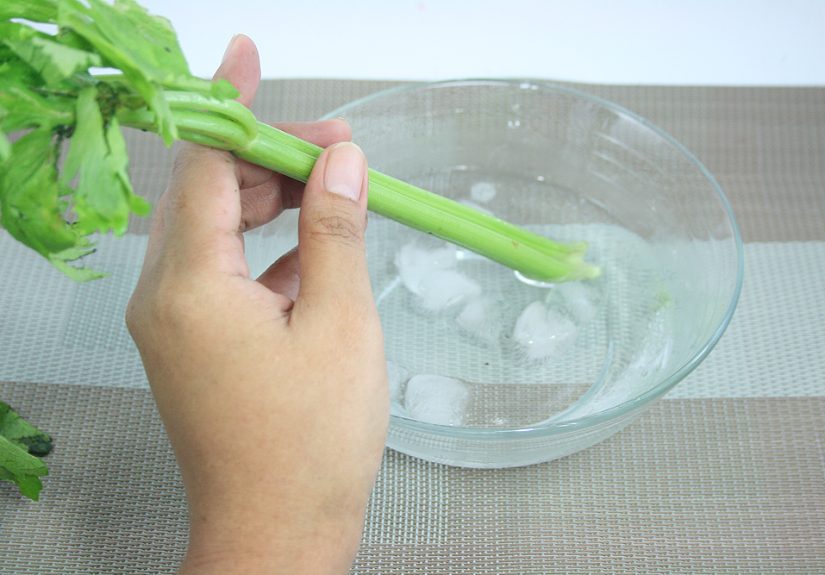
Place the celery stalks in a large bowl, container, or clean sink filled with very cold water. If you want to go full overachiever, add ice. Make sure the limp celery is mostly submerged. This is the key step because the celery needs time to absorb water and rebuild some of that lost internal pressure.
For mildly limp celery, 20 to 30 minutes may be enough. For very bendy stalks, let them soak for several hours in the refrigerator. Some people revive celery overnight, especially if it is seriously wilted. The colder water helps speed up the refreshing effect and improves the final crunch.
Think of it as a spa day for vegetables, except the spa is a bowl and the treatment is panic hydration.
Step 3: Refrigerate While It Soaks
Do not leave the bowl of celery sitting out on the counter for hours. Put it in the refrigerator while the stalks soak. Cold temperatures help preserve quality and keep the celery fresh while it rehydrates. This also makes the final result crisper than a room-temperature soak.
If your bowl is too tall or awkward for the fridge, use a wide storage container instead. The important thing is keeping the celery cold while it absorbs water. If you are reviving cut celery sticks rather than whole stalks, the same method works. Just make sure the container is clean and the water fully covers the pieces.
Step 4: Dry, Use, or Store It Properly
Once the celery has crisped up, remove it from the water and pat it dry with a clean towel or paper towel. At this point, you can use it right away or store it using a method that helps it stay crisp longer.
If you plan to eat it within a day or two, dry it well and place it in the refrigerator. If you want better long-term storage, wrap whole stalks in foil or a slightly damp paper towel and keep them in the crisper drawer. If the celery is already cut, store it in a covered container with fresh water in the fridge and change the water every couple of days.
The final step matters because reviving celery only solves half the problem. If you throw it right back into bad storage, it will go limp again faster than a sitcom houseplant.
How Long Does It Take to Revive Limp Celery?
The answer depends on how wilted it is. Slightly soft celery may perk up in less than 30 minutes. Celery that has been neglected for several days may need a few hours. Extremely limp stalks often benefit from an overnight soak in the refrigerator.
In many cases, the improvement is dramatic. The celery may not return to the exact same just-bought texture, but it can become crisp enough for snacking, slicing, and cooking. That is a big win for something that was moments away from becoming compost.
Best Ways to Use Revived Celery
Once your celery has bounced back, put it to work. Revived celery is great in plenty of everyday recipes.
Raw Uses
- Snack sticks with peanut butter, hummus, or ranch
- Chicken salad, tuna salad, or egg salad
- Green salads and chopped salads
- Crudite platters and lunch boxes
Cooked Uses
- Soups, stews, and broths
- Stuffing and casseroles
- Stir-fries and sauteed vegetables
- Mirepoix with onions and carrots
If your celery revives only halfway and still is not snack-worthy, do not worry. Slightly softened celery is still excellent in cooked dishes where texture matters less. Soup does not judge.
How to Keep Celery Crisp Longer
If you are tired of rescuing celery every few days, smarter storage makes a huge difference. One of the biggest mistakes people make is leaving celery in the original plastic bag for too long. That setup often traps moisture and gases in all the wrong ways, which can speed up quality loss.
Storage Tips That Actually Help
- Keep whole celery in the refrigerator, preferably in the crisper drawer
- Wrap whole stalks in aluminum foil for better moisture balance
- Or wrap in a damp paper towel and place in a partially open bag
- Store cut celery in a sealed container of cold water
- Change the water every other day if storing cut celery in water
- Wash celery before using it, and dry it well before long storage if already rinsed
The basic goal is simple: keep celery cold, keep moisture in, and avoid conditions that make it deteriorate faster. Celery likes a cool, humid environment. It does not enjoy being forgotten behind yogurt cups for ten days.
Common Mistakes When Reviving Celery
Even a simple kitchen trick can go sideways if you wing it too hard. Here are a few mistakes to avoid:
Using Warm Water
Warm water will not do your celery any favors. Cold water is what helps restore firmness and keep the produce fresh.
Soaking Spoiled Celery
If the celery is slimy or rotten, no amount of soaking will save it. Water revives dehydration, not decomposition.
Leaving It Out Too Long
If you soak it for a long time, keep it in the refrigerator. Produce should stay cold for both quality and food safety.
Not Drying It Before Re-Storing
Once revived, celery should be dried appropriately for the storage method you choose. Too much surface water can make it deteriorate faster.
Can You Revive Other Limp Vegetables This Way?
Yes, sometimes. Cold water can help perk up vegetables that have lost moisture, especially crunchy produce like carrots, radishes, and some salad greens. Results vary depending on the vegetable and how far gone it is, but the principle is similar: restore hydration and chill the produce so texture improves.
Still, celery is one of the best candidates for this trick because its crisp texture depends so heavily on water content. It is basically the overachiever of edible hydration.
Frequently Asked Questions
Can I revive celery without ice?
Yes. Very cold water works well on its own. Ice simply helps keep the water extra cold, especially if the celery needs a longer soak.
How long does revived celery last?
If stored properly, revived celery can stay usable for several more days. The exact time depends on how old it was to begin with and how you store it afterward.
Is celery still healthy after it goes limp?
If it is not spoiled, limp celery is generally still fine to eat. The biggest issue is texture, not instant nutritional doom.
Should I store celery in water all the time?
Cut celery can do well in water for short-term storage. Whole celery usually stores better wrapped and refrigerated rather than permanently soaking.
Real-Life Experiences With Reviving Limp Celery
I have seen limp celery rescue many meals that were one ingredient away from becoming “creative leftovers.” One of the most common situations happens after holiday cooking. You buy a full bunch for stuffing, use three stalks, and then the rest sits in the fridge like a forgotten extra in a cooking show. A few days later, it looks tired, bendy, and emotionally unavailable. That is usually when the cold-water trick saves the day.
In one kitchen test, celery that had been sitting in the crisper drawer for nearly a week was soft enough to tie in a loose knot. After trimming the base, separating the stalks, and soaking them in icy water in the refrigerator for about an hour, the difference was obvious. The stalks did not magically become just-picked farmers market celery, but they were crisp enough to slice for tuna salad and snack on with hummus. That is a win in any realistic kitchen.
Another experience involved meal prep gone slightly rogue. Cut celery sticks had dried out after being stored in a container without enough moisture. Instead of tossing them, they were submerged in cold water and chilled for a while. They came back with noticeably better crunch and were perfectly good for lunch boxes. That little recovery trick turned what could have been food waste into several more servings.
Home cooks also tend to notice that the more quickly they act, the better the results. Celery that is just starting to go limp often revives beautifully. Celery that has been languishing in the back of the refrigerator long enough to start a memoir is less likely to return to glory. Timing matters. So does honesty. If it smells bad or feels slimy, it is not “rustic.” It is done.
There is also something satisfying about saving a vegetable with almost no effort. Reviving limp celery feels like one of those small domestic victories that make you feel weirdly capable. You did not just store produce. You outsmarted waste, saved money, and kept dinner on track with a bowl of cold water. That is elite weekday energy.
Some people even build the habit into their routine. If celery feels a little soft after grocery day plus a few busy nights, they refresh it before using it in salads or snack trays. Others chop revived celery straight into soup, where even a partial recovery is more than enough. Either way, the method is flexible, forgiving, and easy to repeat.
The big takeaway from real-world use is simple: limp celery is usually not the end of the story. With the right four steps, it often becomes crunchy, useful, and dinner-worthy again. Not every stalk will make a dramatic comeback, but plenty do. And in a world where produce prices are not exactly shy, that kind of kitchen trick deserves a permanent spot in your back pocket.
Conclusion
If you know how to revive limp celery, you can save a droopy bunch from the trash in just a few easy steps. Trim the ends, soak the stalks in very cold water, refrigerate while they rehydrate, and store them properly afterward. That is the whole playbook. It is simple, practical, and surprisingly effective.
Celery may be famous for losing its crunch, but it is also one of the easiest vegetables to rescue. So the next time your fridge reveals a bunch of floppy stalks, do not sigh and reach for the trash can. Reach for a bowl, some cold water, and your newly earned reputation as the household celery whisperer.