Table of Contents >> Show >> Hide
- Why “Recipes for Any Occasion” Works Better Than Random Recipe Collecting
- Build Your All-Occasion Recipe Framework
- Best Recipe Ideas by Occasion
- Make-Ahead, Scaling, and Leftovers: The Real Secret to Hosting
- How to Create a Mix-and-Match Menu for Any Event
- Common Mistakes to Avoid When Choosing Recipes for Any Occasion
- Conclusion
- Experiences With “Recipes for Any Occasion” (Extended Reflection)
If your cooking routine swings wildly between “I made a beautiful dinner party menu” and “I ate crackers over the sink,” welcome. You are among friends. The good news is that you do not need a different cooking personality for every event on your calendar. You just need a flexible system and a reliable list of recipes for any occasion.
This guide pulls together the smartest patterns used by major American recipe publishers and test kitchensquick weeknight meals, make-ahead party dishes, crowd-friendly mains, brunch staples, holiday baking, and better leftover strategyand turns them into one practical playbook. Think of it as your kitchen cheat code: less stress, more flavor, and fewer “what are we eating?” emergencies at 5:47 p.m.
Why “Recipes for Any Occasion” Works Better Than Random Recipe Collecting
Most people don’t actually need more recipes. They need the right type of recipe at the right moment. That means organizing your cooking around occasions instead of scrolling endlessly for “easy chicken thing” while your pan is already hot.
A strong all-occasion recipe plan usually covers:
- Weeknight dinners: fast, forgiving, low cleanup
- Brunch and breakfast gatherings: make-ahead casseroles, baked items, easy sides
- Potlucks and parties: portable, scalable, crowd-pleasing dishes
- Date night or small dinner parties: impressive-but-simple meals
- Holiday and celebration food: tradition + one new “wow” dish
- Desserts and bake-sale favorites: dependable, shareable treats
- Comfort food moments: freezer-friendly soups, casseroles, and one-pot meals
Once you build this structure, cooking gets easier because you’re choosing from categories, not the entire internet. Your brain gets to rest. Your stomach sends a thank-you note.
Build Your All-Occasion Recipe Framework
1) Start With the Occasion Filter
Before picking a recipe, answer these five questions:
- How much time do I really have? (The truth, not your optimistic fantasy self.)
- How many people am I feeding?
- What’s the vibe? Cozy, fancy, kid-friendly, picnic, holiday, game day?
- Any dietary needs? Vegetarian, gluten-free, dairy-free, low-sodium, etc.
- How much cleanup can I tolerate? One-pan and sheet-pan recipes exist for a reason.
This filter helps you choose a dish that fits real life. A braised, six-component dinner may be gorgeous, but if you only have 25 minutes and one clean skillet, it’s not your soulmate tonight.
2) Keep a Flexible Pantry for Quick Recipe Swaps
Recipes for any occasion become much easier when your pantry and freezer can support substitutions. Keep a basic lineup of:
- Pastas, rice, noodles, and grains
- Canned beans, tomatoes, broth, and tuna/salmon
- Olive oil, vinegar, soy sauce, mustard, hot sauce
- Garlic, onions, dried herbs, spices, lemon/lime
- Frozen vegetables, frozen fruit, puff pastry, dumplings
- Eggs, butter, yogurt, cheese, and a few proteins you actually use
With this setup, you can pivot from “planned tacos” to “panic pasta” without drama. Or with only medium drama, which is still progress.
Best Recipe Ideas by Occasion
Weeknight Dinners: Fast, Satisfying, and Not Boring
For busy evenings, prioritize easy dinner recipes that use one pan, one pot, or a sheet pan. Great weeknight meals usually share these traits:
- Ready in 20–40 minutes
- Short ingredient list (or mostly pantry staples)
- Flexible proteins and vegetables
- Leftovers that still taste good the next day
Winning examples:
- Sheet-pan chicken and vegetables with lemon and herbs
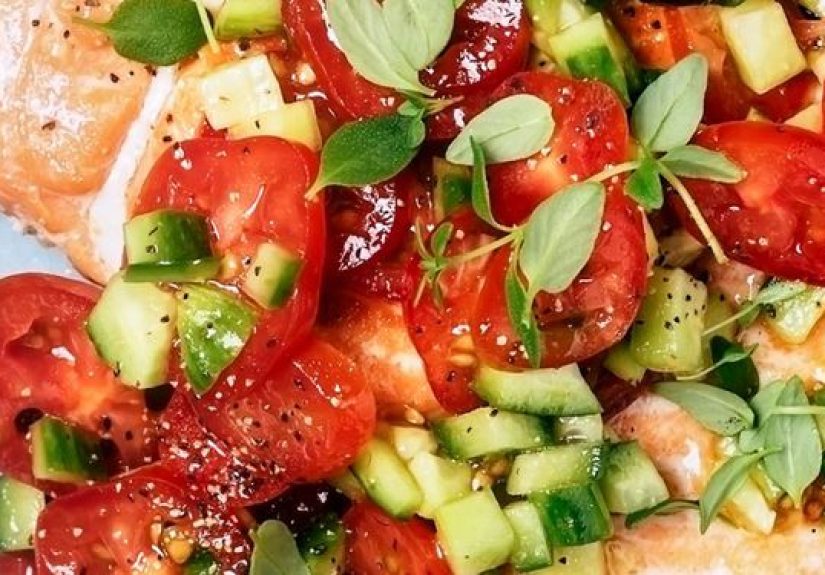
- Skillet salmon with a quick grain and salad
- Pasta with greens, beans, and Parmesan
- Stir-fry bowls with a simple soy-ginger sauce
- Soup-and-toast nights (criminally underrated)
Pro tip: Choose one “anchor” ingredient (chicken thighs, chickpeas, ground turkey, tofu, or salmon) and rotate seasonings. Same protein, different flavor profile, no boredom.
Brunch Recipes for Hosting Without Losing Your Mind
Brunch feels fancy, but it’s really just strategic breakfast. The best brunch recipes are make-ahead, oven-friendly, and easy to serve family-style.
What works:
- Breakfast casseroles and strata-style bakes
- Quiche or frittata with seasonal vegetables
- Pancake or waffle bar with toppings
- Fruit salad + yogurt + granola station
- Muffins, scones, or coffee cake baked the night before
Brunch secret: You do not need five hot dishes. One hot main, one baked sweet, one fresh side, and a drink setup looks generous and keeps you from spending the whole morning whisking something in a robe.
Potluck and Party Food Ideas That Travel Well
Potluck food has a tough job. It needs to survive transport, taste good at room temperature (or reheat well), and appeal to different eaters. Crowd-pleasing recipes win here.
Top potluck categories:
- Dips and spreads (bean dip, whipped feta, spinach dip)
- Pasta salads and grain salads
- Sliders, party sandwiches, or savory bakes
- Sheet cakes, bars, brownies, cookies
- Deviled eggs, roasted vegetables, and hearty slaws
Bring a serving spoon, label the dish if allergens are possible, and if it’s especially good, accept compliments graciously while pretending the recipe “came together casually.”
Date Night and Small Dinner Party Recipes
For smaller gatherings, aim for “fancy-ish” rather than complicated. The best dinner party recipes look impressive but let you stay in the room with your guests.
Choose menus with make-ahead components:
- Main: roast chicken, braised short ribs, baked salmon, or mushroom pasta
- Side: crisp salad and a roasted vegetable
- Carb: bread, potatoes, or rice pilaf
- Dessert: make-ahead tart, cookies, or a simple cake
Host smarter by balancing active and passive cooking. If your main needs constant attention, make a no-cook dessert. If dessert needs oven time, choose a hands-off main. Your future self will thank you and maybe even sit down before the guests leave.
Holiday Recipes and Celebration Menus
Holiday recipes are where memory and logistics collide. The best celebration meals mix tradition with one new recipe, not ten. That keeps the table exciting without turning your kitchen into a stress documentary.
A reliable holiday formula:
- 1 tradition everyone expects
- 1 main dish (or centerpiece bake)
- 2–3 sides with different textures/colors
- 1 make-ahead dessert
- 1 “easy win” store-bought helper (bread, ice cream, sparkling drink, etc.)
Also: make-ahead dishes are not “cheating.” They are planning. And planning tastes amazing.
Comfort Food and Care Package Cooking
Some occasions are quiet: a friend with a new baby, a family recovering from illness, a stressful week, or just a rainy Tuesday. This is where comfort food recipes shine.
Best choices:
- Soup, chili, and stew
- Baked pasta and casseroles
- Rice bowls and grain bowls with roasted vegetables
- Freezer-friendly breakfast burritos or muffins
- Simple cookies or banana bread for morale
These recipes should reheat well, portion easily, and require little thinking. Comfort food is not just about richness; it’s about convenience, reliability, and being delicious when everyone is too tired to discuss dinner like it’s a board meeting.
Desserts for Every Occasion
If you want one dessert category that works nearly everywhere, choose bars and sheet desserts. They travel well, scale easily, and don’t require a dramatic cake-cutting ceremony unless you want one.
Great all-purpose dessert picks:
- Brownies and blondies
- Lemon bars
- Fruit crisps and crumbles
- Classic cookies (chocolate chip, sugar, oatmeal)
- Snack cakes and loaf cakes
For special occasions, add one signature detail: citrus zest, flaky salt, toasted nuts, or a fun glaze. Suddenly your reliable dessert is “the one everyone asked about.”
Make-Ahead, Scaling, and Leftovers: The Real Secret to Hosting
Make-Ahead Strategy
When planning recipes for any occasion, separate tasks into three buckets:
- Do now: chopping, mixing sauces, baking desserts, prepping casseroles
- Do later: reheating, assembling garnishes, tossing salads
- Do last minute: searing, broiling, frying, delicate toppings
This keeps your kitchen calm and your guests from watching you aggressively search for a missing spatula.
How to Scale Recipes Without Wrecking Them
Doubling a recipe is not always a copy-paste situation. Watch out for:
- Salt and spice: increase gradually and taste as you go
- Pan size: crowding affects browning and bake time
- Cooking time: larger batches often need more time, not more heat
- Fresh herbs/acids: add near the end for best flavor
For parties, it’s often better to make two standard batches than one gigantic experimental batch. Your oven and your nerves will both perform better.
Food Safety for Gatherings and Leftovers
Whether you’re hosting a holiday meal, picnic, or casual game night, food safety matters. Perishable foods should not sit out too long, and leftovers should be chilled promptly in shallow containers for quicker cooling. If the weather is hot, be extra careful with timing and cold foods. A great party should end with happy guestsnot a group chat discussing stomach aches.
How to Create a Mix-and-Match Menu for Any Event
Here’s a simple menu-building formula you can reuse for birthdays, brunches, holidays, or casual dinners:
- Main: protein or centerpiece dish
- Fresh side: salad or crunchy vegetables
- Comfort side: potatoes, rice, pasta, or bread
- Sauce/dip: adds flavor and makes simple food feel special
- Dessert: easy and make-ahead whenever possible
Example menu (casual dinner party):
- Roasted salmon with herbs
- Lemony arugula salad
- Garlic rice or roasted potatoes
- Yogurt-dill sauce
- Brownies with ice cream
Example menu (holiday brunch):
- Vegetable egg bake
- Fruit salad
- Biscuits or coffee cake
- Herb butter / jam
- Cookies or bars for later snacking
This formula works because it balances texture, flavor, and effort. It also prevents the classic mistake of serving four beige dishes and calling it a menu. (Beige foods are delicious. They just need a colorful friend.)
Common Mistakes to Avoid When Choosing Recipes for Any Occasion
- Trying too many new recipes at once: Pick one new dish and keep the rest familiar.
- Ignoring prep time: “Cook time” is not the whole story.
- Skipping a backup plan: Bread, salad, and a freezer dessert can save the day.
- Overcomplicating appetizers: A simple dip and good crackers can be a hit.
- Forgetting cleanup: One-pan and make-ahead recipes are strategic, not lazy.
- No notes after cooking: Write what worked (and what flopped) for next time.
Conclusion
The best recipes for any occasion are not always the trendiest or the fanciestthey’re the ones that fit your time, budget, guests, and energy level. Build a flexible collection of weeknight meals, party food ideas, brunch recipes, holiday favorites, and a few dependable desserts, and you’ll always have a plan.
Cook for the occasion you have, not the imaginary one with a spotless kitchen and unlimited time. Keep it practical, keep it tasty, and remember: if people ask for seconds, you nailed it.
Experiences With “Recipes for Any Occasion” (Extended Reflection)
One of the most useful lessons people learn when building an all-occasion recipe collection is that confidence comes from repetition, not complexity. The first time someone hosts brunch, they often try to make everything from scratch at onceeggs, pastry, fruit, potatoes, and a fancy drink. By the end, they’re smiling in photos but silently negotiating with the dishwasher. The second time, they make one casserole the night before, prep fruit in advance, and buy a bakery loaf. Everyone still has a wonderful time. In fact, the host usually enjoys the gathering more because they’re actually present for it. That shiftfrom performing to planningis a huge win.
Another common experience is discovering that “crowd-pleasing” does not mean “boring.” Many home cooks assume party food has to be ultra-safe and bland, but the opposite is often true. Dishes with a clear flavor profilelemony, smoky, herby, garlicky, sweet-spicytend to disappear first, especially when the recipe is simple and well-balanced. A big tray of roasted vegetables with a punchy sauce can beat a complicated side dish. A pan of baked pasta can outshine an expensive main. A humble dip can become the unofficial star of game night. The lesson? Flavor and ease can absolutely live in the same kitchen.
People also learn a lot from leftovers. After a holiday or birthday dinner, the most successful recipes are usually the ones that still taste great the next day. Soups deepen in flavor. Braises become richer. Roasted proteins turn into sandwiches, bowls, or pasta add-ins. This is where “recipes for any occasion” becomes more than a hosting ideait becomes a lifestyle shortcut. When you intentionally cook foods that can stretch into another meal, you save money, reduce waste, and make future-you very happy. Future-you is often tired and deserves better than sad cereal.
There’s also a social side to occasion cooking that people don’t always expect. A signature recipeyour chili, your lemon bars, your baked mac and cheese, your roast chickencan become part of how friends and family remember time together. Not because it was perfect, but because it showed up consistently. Someone brings the same cookies to every holiday. Someone makes the same noodle dish after a long week. Someone always has a brunch bake ready when family visits. These traditions build warmth around the table, and they don’t require restaurant-level skills. They just require recipes that are dependable and repeatable.
Finally, many cooks realize that the best all-occasion recipe collection is deeply personal. It evolves. It reflects budget changes, dietary needs, new cookware, family schedules, and what people actually enjoy eating. A recipe that worked for date nights may become a weeknight staple. A holiday side dish may turn into a potluck favorite. A quick dinner may get upgraded for guests with a garnish and better plating. That flexibility is the whole point. “Recipes for any occasion” isn’t about having hundreds of dishes memorized. It’s about having a smart, adaptable system that helps you feed people wellon ordinary Tuesdays, special holidays, and every delicious moment in between.