Table of Contents >> Show >> Hide
- Why This Story Hits So Hard
- Fairness vs. Legality: The Core Problem in Inheritance Disputes
- What If There Is No Will?
- The Emotional Landmine: Caregiving and Inheritance Are Not the Same Thing
- Red Flags in Elder Money and Estate Conflict
- How Families Can Reduce This Kind of Funeral-Day Blowup
- So… Was the Person Wrong for Refusing to Split the Inheritance?
- Conclusion
- Related Experiences and Real-World Patterns (Extended Section)
Family inheritance drama has a way of showing up in the worst possible outfit at the worst possible time usually right after a funeral, right before the coffee gets cold, and always with a speech that starts with, “Look, I’m not trying to cause problems, but…”
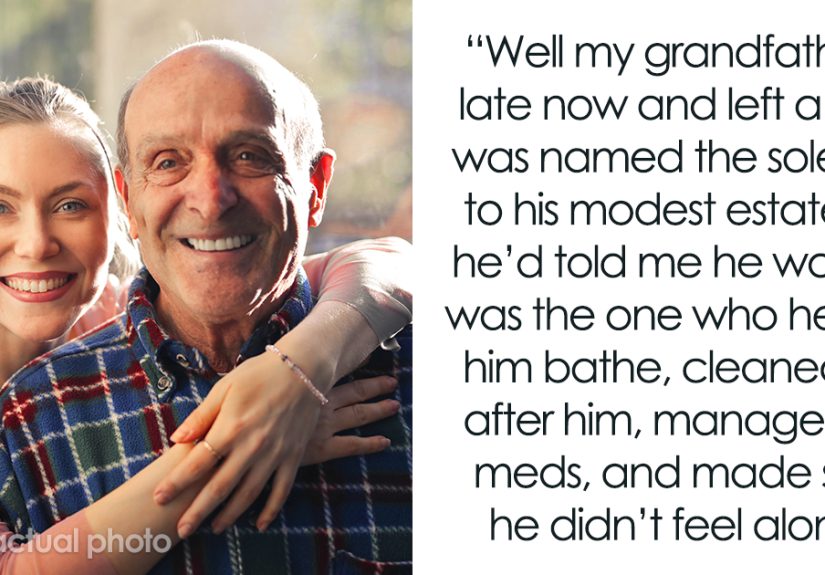
In the viral story behind this headline, a younger family member reportedly spent years helping care for an elderly grandfather, while an older sibling stayed largely absent, then reappeared after the grandfather’s death and demanded a share of the estate. It’s the kind of story that spreads fast because it hits a nerve: caregiving, grief, fairness, money, and family politics all collide at once.
And while the headline sounds like internet melodrama (because, well, it is), the underlying issues are very real in American families. Caregiving is common, often unpaid, and frequently stressful. Estate disputes are also common, especially when relatives have different ideas about what is “fair” versus what is legally valid. This article breaks down the emotional, practical, and legal angles with a little humor, but also with respect for how painful these situations can be.
Why This Story Hits So Hard
This kind of conflict isn’t really about “half of everything.” It’s usually about years of invisible labor, old resentments, and the moment when grief and money arrive at the same door. The person who showed up for hospital visits, medication pickups, meals, bills, and late-night emergencies may feel like: “You weren’t here for the hard part, but now you want the reward?”
Meanwhile, the absentee relative may tell a very different story: maybe guilt, maybe denial, maybe entitlement, maybe a genuine belief that blood relation alone should guarantee an equal inheritance. Family members in the middle often say the same thing: “Can’t you just split it and keep the peace?” (A classic phrase that somehow always gets directed at the person who already did the heavy lifting.)
The Caregiving Reality Nobody Likes to Talk About
In the U.S., unpaid caregiving is not a niche issue it’s a massive one. Millions of Americans provide unpaid care to older adults or loved ones with chronic conditions, and caregiving often includes practical support like managing medications, paying bills, shopping, and personal care. That work can create serious emotional and financial strain for caregivers, especially when it lasts for years.
Translation: caregiving is love, yes but it is also labor. Real labor. Exhausting labor. The kind of labor that can affect jobs, income, health, and relationships.
Fairness vs. Legality: The Core Problem in Inheritance Disputes
Here’s the part many people miss: what feels fair in a family argument is not always what matters in probate.
If there is a valid will, the probate court generally focuses on whether the will is legally valid not whether your cousin thinks Grandpa “would have wanted everyone to get along.” In plain terms, probate is the court-supervised process for validating a will and administering an estate, including collecting assets, paying debts, and distributing property.
So if Grandpa legally left the house and savings to one person, that decision may stand even if half the family is dramatically sighing in the kitchen.
What Probate Actually Cares About
Courts typically care about questions like:
- Was the will properly executed under state law?
- Did the person making the will have testamentary capacity?
- Was there fraud, duress, or undue influence?
- Is the person challenging the will an interested party with standing?
Notice what’s not on that list: “Did the loudest relative make everyone uncomfortable at the funeral?”
Can the Absent Brother Contest the Will?
Maybe but “I’m mad” is not a legal ground.
A will contest generally requires recognized legal grounds such as undue influence, lack of capacity, fraud, improper execution, duress, or related defects. In other words, a relative usually needs more than a dramatic accusation and a family group chat campaign.
That said, contests do happen, and they can be expensive, stressful, and emotionally brutal even when they fail. This is one reason estate planning attorneys are constantly begging families (politely, but with visible concern) to document intentions clearly while the older adult is alive.
What If There Is No Will?
This is where things get even messier.
If someone dies without a valid will, the estate is typically distributed under state intestate succession laws. Those laws create a priority order for who inherits often starting with spouse and children, then moving to parents, siblings, and other relatives depending on who survives.
That means the answer to “Does the brother get half?” is: it depends on the state, the family tree, and whether a valid will exists.
Example: Why State Law Matters
State rules can differ in meaningful ways. For example, court guidance in New York explains that when a person dies without a will, distribution depends on surviving relatives and their relationship to the decedent, and siblings may inherit only in certain family circumstances (for example, no spouse, no children, and no surviving parents).
In other words, “I’m the older sibling, so I automatically get half” is not a legal principle. It’s a vibe. And vibes do not usually survive probate court.
The Emotional Landmine: Caregiving and Inheritance Are Not the Same Thing
Here’s a truth that makes everyone uncomfortable: caregiving and inheritance are related, but they are not automatically equal in the eyes of the law.
A person can do years of caregiving and still receive nothing if the estate plan says otherwise. A person can do very little caregiving and still inherit under a valid will. Is that emotionally satisfying? Not always. Is it legally possible? Absolutely.
This is why families need conversations before the funeral ideally long before. Older adults who want to reward a caregiver, divide property equally, or explain a non-equal split should document those intentions clearly. Otherwise, survivors are left to interpret silence through grief, and that rarely goes well.
What “Keep the Peace” Usually Costs
When one person says, “Just give him half to avoid drama,” they’re really asking someone else to absorb the cost of peace. Sometimes that is a practical choice. Sometimes it is emotional blackmail wearing a cardigan.
There is no universal right answer. But there should be a conscious decision:
- Do you want legal closure?
- Do you want family harmony (if possible)?
- Do you want to honor the grandparent’s documented wishes exactly?
- What are the legal fees and emotional costs of fighting vs. settling?
Red Flags in Elder Money and Estate Conflict
Not every inheritance dispute is just “family drama.” Some situations involve elder financial exploitation or abuse. U.S. agencies warn that older adults can be targeted by strangers and by people they know, and that exploitation can involve misuse of money, assets, or legal authority.
In family situations, warning signs can include sudden changes in spending, unusual withdrawals, suspicious transfers, isolation, pressure from new or controlling relationships, or unusual changes to wills and powers of attorney. Those details matter especially if someone later claims a will was manipulated.
This doesn’t mean every last-minute will change is suspicious. It does mean documentation matters. When families can show clear records, witnesses, attorney involvement, and the older adult’s consistent wishes, disputes are often easier to resolve.
Practical Documentation That Helps
- Written estate planning documents prepared or reviewed by an attorney
- Clear beneficiary designations and updated account records
- Notes about caregiving roles, expenses, and reimbursements
- Medical and legal records that support capacity at the time of signing
- Trusted contacts and fraud-prevention planning with banks/credit unions
- Communication with family members (when safe and appropriate)
Is this glamorous? No. Is it better than a funeral parking-lot argument about who “deserves” the house? Very much yes.
How Families Can Reduce This Kind of Funeral-Day Blowup
1) Talk Early, Not After the Obituary
The best time to discuss expectations is while the older adult is alive, able, and comfortable expressing preferences. Waiting until everyone is grieving is like trying to repair a roof during a tornado.
2) Separate “Love” From “Asset Distribution”
Equal love does not always mean equal inheritance. A grandparent may choose to help the person who provided daily care, or divide assets in a way that reflects needs, prior gifts, or family history. That may feel unfair but it can still be intentional and valid.
3) Put Caregiving Agreements in Writing
If one family member is providing significant care, some families create written caregiver agreements, reimbursement plans, or other documented arrangements. This can reduce later claims that someone “took advantage” or, on the flip side, that someone’s work was ignored.
4) Encourage Fraud Safeguards
Financial institutions and U.S. agencies encourage tools like trusted contacts, monitoring for suspicious activity, and fast reporting when exploitation is suspected. These steps are good practice whether the risk comes from scammers or someone closer to home.
5) Get State-Specific Legal Advice
Probate and inheritance rules vary by state, and details matter. One conversation with a probate attorney can save a family months of guessing, arguing, and “my friend said…” legal strategy.
So… Was the Person Wrong for Refusing to Split the Inheritance?
Morally, people will disagree. Legally, the answer depends on the will, the facts, and the state.
But the big takeaway from this headline is not just “absent sibling bad, caregiver good.” It’s this: families need better planning around elder caregiving, estate wishes, and communication. Otherwise, grief turns into litigation, resentment becomes “evidence,” and every holiday dinner starts to feel like a deposition.
If an elderly grandparent’s wishes were clearly documented and legally valid, honoring those wishes is not selfish even when someone shows up late and loud. And if there are real concerns about manipulation or exploitation, those concerns should be handled through proper legal channels, not funeral-day demands.
Conclusion
“Guy won’t take care of elderly grandpa, then shows up at his funeral and demands half of everything” is a clicky headline, but it points to a serious and common American problem: the collision of unpaid elder caregiving, unclear family expectations, and estate conflict after death. The law asks whether a will is valid. Families ask what is fair. Those are not always the same question.
The smartest move is prevention: clear estate planning, documented caregiving roles, fraud safeguards, and honest conversations before a crisis. Because once the funeral starts, nobody needs a surprise inheritance negotiation next to the flower arrangements.