Table of Contents >> Show >> Hide
- What Makes a High Carb Food Healthy?
- 1. Oats
- 2. Quinoa
- 3. Brown Rice
- 4. Sweet Potatoes
- 5. Potatoes
- 6. Corn
- 7. Beans
- 8. Lentils
- 9. Bananas
- 10. Oranges
- 11. Berries
- 12. Plain Yogurt
- How to Choose Healthy High Carb Foods Without Overthinking It
- Real-Life Experiences With Healthy High Carb Foods
- Final Thoughts
- SEO Metadata
Carbs have had a rough PR campaign. For years, they’ve been treated like the dietary equivalent of a suspicious ex: exciting at first, then suddenly blamed for everything. But here’s the truth: not all carbohydrates deserve side-eye. In fact, many high carb foods are packed with fiber, vitamins, minerals, and plant compounds your body actually likes having around.
The trick is knowing which carbs are doing the heavy lifting and which ones are mostly just showing up in a glitter jacket made of added sugar. Healthy high carb foods usually come wrapped in real nutrition, not just calories. Think whole grains, beans, fruit, starchy vegetables, and a few dairy options that bring more to the table than sweetness alone.
So if you’ve been avoiding carbs like they owe you money, this guide is your gentle intervention. Below are 12 high carb foods that are not only healthy, but genuinely worth eating on purpose.
What Makes a High Carb Food Healthy?
A healthy carb source usually checks at least a few important boxes: it offers fiber, comes with natural vitamins and minerals, supports fullness, and is less processed than ultra-refined snacks or sugary drinks. In plain English, the best carbs don’t arrive alone. They bring friends like potassium, magnesium, antioxidants, protein, or gut-friendly fiber.
That’s why a bowl of oats and a frosted pastry should not be treated like nutritional twins. Yes, both contain carbohydrates. No, your body does not file them under the same category. One helps keep you full and fueled. The other makes a dramatic entrance and exits 45 minutes later.
1. Oats
Oats are the overachievers of the breakfast world. They’re high in carbohydrates, but they also bring soluble fiber to the party, which can support fullness and help make breakfast feel like a real meal instead of a warm-up snack.
Rolled oats, steel-cut oats, and old-fashioned oats are all solid choices. Instant oats can work too, but it helps to choose plain versions instead of sugary packets that taste like dessert in pajama form.
Try oats as a hot cereal, overnight oats, blended into pancakes, or even stirred into smoothies for a thicker, more satisfying texture.
2. Quinoa
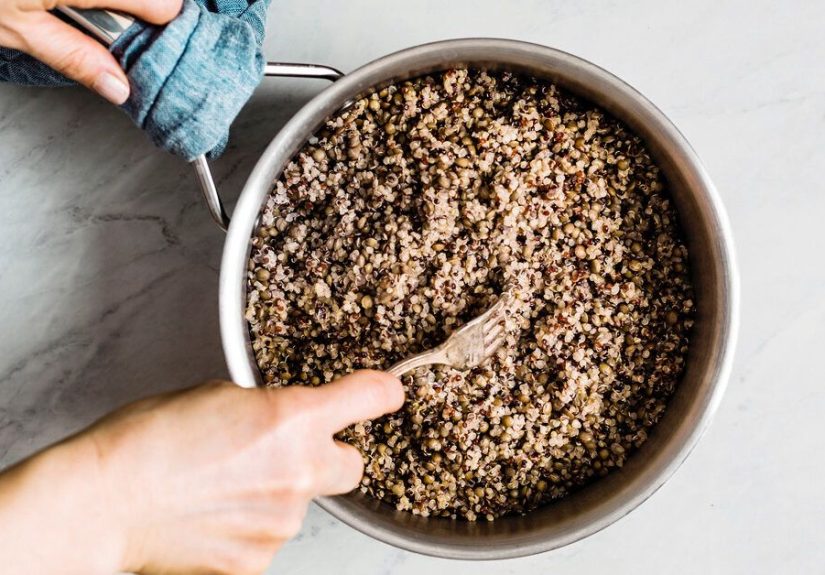
Quinoa is technically a seed, but nutritionally it behaves like a whole grain. It’s rich in carbohydrates and also offers fiber and protein, which is one reason it feels more substantial than many refined grain options.
It has a slightly nutty taste and works well in grain bowls, salads, soups, and side dishes. If rice is the dependable jeans of your pantry, quinoa is the nicer pair you wear when you want to look like you definitely have your life together.
Use it as a base for roasted vegetables, black beans, grilled chicken, or a simple lemon-herb salad.
3. Brown Rice
Brown rice is a classic healthy carb because it keeps the bran and germ that refined white rice loses during processing. That means more fiber and a better nutrient profile overall.
It’s easy to digest for many people, budget-friendly, and flexible enough to fit into almost any meal. Brown rice works especially well when you need a filling base that doesn’t compete with stronger flavors.
Pair it with stir-fried vegetables, salmon, tofu, beans, or a fried egg when dinner needs to happen quickly and with minimal emotional drama.
4. Sweet Potatoes
Sweet potatoes are high in carbohydrates, but they also come with fiber and a serious amount of color, which is usually a good sign in the produce aisle. Orange sweet potatoes are especially known for their vitamin A content, and they’re satisfying in a way that feels cozy rather than heavy.
They can be baked, roasted, mashed, stuffed, or sliced into wedges. They also work in both savory and slightly sweet recipes, which makes them one of the more versatile starches you can keep around.
A roasted sweet potato topped with Greek yogurt, black beans, or tahini can turn into a surprisingly excellent lunch.
5. Potatoes
Potatoes are one of the most misunderstood healthy carb foods. People often blame the potato for things that are really the fault of deep fryers, heavy cream, and a reckless amount of cheese. A plain potato is a nutrient-rich starchy vegetable that can absolutely fit into a balanced diet.
Baked, boiled, or roasted potatoes offer carbohydrates for energy and can be very filling. They’re especially useful for active people, families on a budget, and anyone who wants a side dish that doesn’t require a chemistry degree.
Cooked-and-cooled potatoes may also provide resistant starch, which is a nice bonus for gut health. Potato salad made with a lighter dressing? Suddenly the picnic got smarter.
6. Corn
Corn is another carb-rich food that gets unfairly dragged into debates it didn’t ask to join. In its more whole-food forms, such as corn on the cob, frozen corn, or plain popcorn, it can be part of a healthy eating pattern.
Corn provides carbohydrates, fiber, and a naturally sweet flavor that makes meals more enjoyable. And that matters, because a healthy diet you actually want to eat is much more useful than one that looks impressive and tastes like regret.
Add corn to soups, tacos, salads, grain bowls, or veggie sautés. Air-popped popcorn also deserves honorable mention as a whole-grain snack that feels generous without being ridiculous.
7. Beans
Beans are nutritional multitaskers. They’re high in carbohydrates, yes, but they also contain fiber and plant protein, which makes them far more balanced than the carb-phobic internet would have you believe.
Black beans, kidney beans, chickpeas, pinto beans, navy beans, and cannellini beans all bring something useful to the table. They’re inexpensive, shelf-stable, and remarkably good at making a meal feel finished.
Use beans in chili, soups, burrito bowls, salads, stews, or blended into dips. If your pantry has beans and you claim there is “nothing to eat,” the pantry would like to formally disagree.
8. Lentils
Lentils deserve their own spotlight instead of being lumped into the general bean family reunion. They cook faster than many dried legumes, absorb flavors beautifully, and provide a healthy mix of carbohydrates, fiber, and plant protein.
Brown lentils hold their shape well, red lentils break down into creamy soups and dals, and green lentils are excellent in salads. They’re one of the easiest ways to make a meal more filling without spending much money.
Try lentils in soup, curry, grain bowls, or mixed into pasta sauce for extra texture and staying power.
9. Bananas
Bananas are one of the most convenient healthy carb foods on the planet. No wrapper, no prep, no drama. They provide carbohydrates that can be especially useful before exercise or as part of a balanced snack.
They also pair well with foods that add protein or fat, like peanut butter, yogurt, or cottage cheese, which helps turn a quick bite into something more satisfying.
Eat bananas on their own, slice them over oatmeal, freeze them for smoothies, or mash them into pancake batter and baked goods. They’re basically the Swiss Army knife of fruit.
10. Oranges
Oranges are naturally high in carbohydrates because fruit contains natural sugars, but they also come with fiber, water, and vitamin C. That whole-food package is very different from what you get in sugary snacks or many fruit-flavored drinks.
Because oranges are juicy and refreshing, they can satisfy a sweet craving while still offering real nutritional value. They’re also portable, easy to portion, and generally far less disappointing than a vending machine pastry.
Whole oranges are usually a better everyday choice than juice because the fruit keeps the fiber intact.
11. Berries
Berries are not the highest-carb fruit on the list, but they absolutely belong here because they’re a smart carbohydrate choice with a lot of nutritional upside. Blueberries, strawberries, raspberries, and blackberries offer natural carbs along with fiber and antioxidant compounds.
They’re easy to add to breakfast, desserts, snacks, and salads, and frozen berries are just as useful as fresh ones in many recipes. They make healthy eating feel less like a project and more like an actual pleasure.
Add berries to oatmeal, yogurt, chia pudding, cottage cheese, or whole-grain cereal for an easy upgrade.
12. Plain Yogurt
Yogurt may not be the first food that comes to mind when you think “high carb,” but many dairy foods contain naturally occurring carbohydrates in the form of lactose. Plain yogurt also brings protein, calcium, and a creamy texture that makes it easy to build balanced meals and snacks.
The key word here is plain. Flavored yogurts can pile on added sugars quickly, turning a smart snack into a dessert wearing activewear. Choosing plain yogurt and adding fruit yourself gives you more nutrition and more control.
Use yogurt in parfaits, smoothies, dips, sauces, or as a topping for oats, fruit, or baked sweet potatoes.
How to Choose Healthy High Carb Foods Without Overthinking It
If you want better carbs, you do not need a spreadsheet, a ring light, and a nutrition manifesto. You just need a few simple habits. First, aim for carbohydrate foods that still look like actual food: oats instead of sugar cereal, beans instead of chips, fruit instead of candy, potatoes instead of fries as your everyday baseline.
Second, look for fiber. Fiber helps slow digestion, supports fullness, and usually signals that a carb source is less refined. Whole grains, legumes, fruit, and vegetables tend to do this well.
Third, watch added sugar. A food can technically contain carbs and still be a pretty weak choice if most of those carbs come from added sweeteners. Reading the label can save you from buying something that markets itself as “wholesome” while behaving like frosting with good branding.
And finally, remember that carbs work best in context. Pair them with protein, healthy fat, or both when possible. Oatmeal with nuts. Rice with salmon. Banana with peanut butter. Sweet potato with yogurt or beans. This helps meals feel more balanced and keeps energy levels from acting like a roller coaster designed by chaos.
Real-Life Experiences With Healthy High Carb Foods
One of the most common experiences people report when they stop fearing carbs and start choosing better ones is that meals feel more satisfying. Not “Instagram satisfied,” where you photograph half an avocado and pretend that was lunch. Real satisfied. The kind where you eat, get on with your day, and don’t start hunting for crackers 27 minutes later.
Healthy high carb foods often improve meal rhythm in a very practical way. Oats at breakfast can make mornings feel steadier. A lunch built around brown rice, beans, or potatoes tends to hold up better than a salad that leaves you emotionally attached to the office snack drawer. And fruit or yogurt can turn a random afternoon slump into a manageable snack break instead of an all-out pastry negotiation.
Another common experience is better workout fuel. People who include quality carbohydrates before or after physical activity often say they feel less dragged out, especially during walking, running, cycling, or strength training. That makes sense. Carbs are a major energy source, and when they come from nutrient-dense foods, they support activity without feeling overly heavy. A banana before a workout or yogurt and fruit afterward is simple, but it works.
There’s also a strong “my digestion is finally less dramatic” effect when healthy carbs replace more refined foods. Beans, lentils, berries, oats, and whole grains bring fiber, and fiber can help support regularity. The only catch is that if someone goes from almost no fiber to a mountain of lentils overnight, the digestive system may respond with a level of honesty that is both immediate and memorable. Gradual increases, plus plenty of water, are usually the more peaceful strategy.
Many people also notice that healthy carbs are easier on the budget than trendy “diet foods.” A bag of oats, a sack of potatoes, dried lentils, brown rice, frozen berries, and canned beans can stretch across multiple meals for less money than many packaged low-carb products. That matters in real life. Eating well should not require a scavenger hunt through specialty aisles and a second mortgage.
There’s a mental shift, too. Once people realize that carbs are not the enemy, food choices often become less chaotic. Instead of bouncing between restriction and rebound cravings, meals start to feel normal again. You can build a plate with a grain, a protein, vegetables, and fruit without acting like you’ve committed a nutritional crime. That kind of consistency is underrated, and honestly, it’s where a lot of healthy eating success lives.
Families often have good experiences with these foods because they’re familiar and flexible. Rice bowls can be customized. Potatoes can go with nearly anything. Yogurt can be breakfast, snack, or sauce. Beans and lentils can disappear into soups, tacos, pasta sauces, and casseroles without causing a household revolt. Healthy carbs are not just nutritious; they’re practical, and practical food tends to get eaten.
In the long run, that may be the biggest lesson of all. The healthiest carb foods are usually not flashy. They’re the steady, useful staples that make meals better week after week. Oats. Fruit. Beans. Potatoes. Quinoa. Yogurt. They may not sound glamorous, but neither does “doing laundry,” and both are surprisingly helpful when handled properly.
Final Thoughts
Carbohydrates are not automatically good or bad. What matters is the source. When your carbs mostly come from whole or minimally processed foods like oats, quinoa, brown rice, potatoes, sweet potatoes, corn, beans, lentils, fruit, and plain yogurt, you get more than energy. You get fiber, vitamins, minerals, and foods that actually help meals feel complete.
So the next time someone tells you carbs are the problem, feel free to nod politely while enjoying your oatmeal, banana, bean bowl, or roasted sweet potato. The truth is much less dramatic than diet culture wants it to be: healthy carbs can absolutely belong on your plate, and for many people, they should.