Table of Contents >> Show >> Hide
- Why This Standing Rib Roast Recipe Works
- What Is a Standing Rib Roast?
- Ingredients for Dijon and Green Peppercorn–Crusted Standing Rib Roast
- Equipment You’ll Want Nearby
- How To Make Dijon and Green Peppercorn–Crusted Standing Rib Roast
- Best Internal Temperatures for Rib Roast
- Serving Ideas for Dijon and Green Peppercorn Prime Rib
- Common Mistakes To Avoid
- How To Store and Reheat Leftovers
- Extra Kitchen Experience: What It’s Really Like To Make a Standing Rib Roast for a Crowd
- Final Thoughts
- SEO Tags
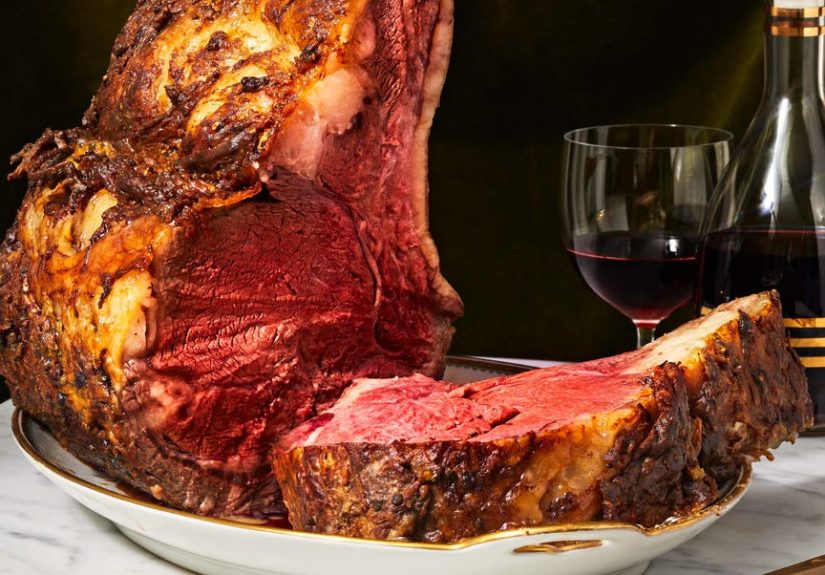
If there’s one dinner that knows how to make an entrance, it’s a standing rib roast. This is not a shy little Tuesday-night cut of meat. This is a “clear the table, warm the plates, somebody light a candle” kind of roast. And when you coat that glorious beef with Dijon mustard and green peppercorns, the result is even better: deeply savory, a little sharp, a little briny, beautifully crusty, and fancy enough to make people assume you own at least one linen napkin.
This Dijon and green peppercorn–crusted standing rib roast recipe is designed to give you a tender center, a dramatic crust, and less panic along the way. We’re using a low-and-slow roast for even cooking, then a high-heat finish for color and texture. The Dijon brings tang and helps the crust cling to the meat. The green peppercorns add a softer, brighter peppery kick than black pepper alone. Together, they make the roast taste like it got dressed up for a special occasion and actually nailed the assignment.
Below, you’ll find everything you need: ingredient notes, step-by-step instructions, timing tips, carving advice, and a big section on real-life hosting experiences, because no standing rib roast exists in a vacuum. It exists in a kitchen with a full sink, one missing serving spoon, and at least one relative asking, “How much longer?”
Why This Standing Rib Roast Recipe Works
A good standing rib roast doesn’t need a circus act. It needs solid technique. The first key is seasoning early. Salting the roast ahead of time gives the surface a chance to dry slightly while the seasoning sinks in, which helps with both flavor and browning. The second key is using a thermometer instead of blind optimism. Prime rib is expensive; guessing is brave, but not always wise.
The third key is the crust. Dijon mustard adds acidity, sharpness, and cling. Green peppercorns bring a more delicate pepper flavor than the rougher punch of black pepper. Garlic and herbs round everything out so the roast tastes classic, but not boring. It’s elegant without acting like it deserves a standing ovation from the oven.
What Is a Standing Rib Roast?
A standing rib roast is a bone-in beef rib roast, often called prime rib when it’s cooked and served. The “standing” part comes from the way the roast sits on its rib bones in the pan. Those bones act like a natural rack and help create a roast that feels downright ceremonial on the table.
For this recipe, a 5- to 7-pound bone-in roast is a sweet spot for most home cooks. It feeds a holiday table nicely without requiring a commercial oven or a second mortgage. Ask your butcher for a well-marbled standing rib roast, preferably tied. If they’ll cut the bones loose and tie them back on, even better. That trick makes carving much easier later.
Ingredients for Dijon and Green Peppercorn–Crusted Standing Rib Roast
- 1 standing rib roast, 5 to 7 pounds, bone-in
- 2 tablespoons kosher salt, plus more as needed
- 1 teaspoon freshly ground black pepper
- 1/3 cup Dijon mustard
- 2 tablespoons green peppercorns packed in brine, drained well and lightly crushed
- 3 cloves garlic, finely minced
- 1 tablespoon chopped fresh rosemary
- 1 tablespoon chopped fresh thyme
- 1 tablespoon olive oil or softened unsalted butter
- Optional: 1 teaspoon lemon zest for a brighter finish
Ingredient Notes
Dijon mustard: Use smooth Dijon for the best spreadable coating. Whole-grain mustard is delicious, but it can compete with the green peppercorn texture.
Green peppercorns: Look for the kind packed in brine. Drain them well and blot them dry so your crust doesn’t turn into a slippery science experiment.
Kosher salt: This is the backbone of flavor. If you use table salt, reduce the amount because it’s more concentrated.
Fresh herbs: Rosemary and thyme are classic with rib roast. They support the beef instead of stealing the spotlight.
Equipment You’ll Want Nearby
- Roasting pan with a rack, or a sturdy sheet pan with a wire rack
- Instant-read thermometer or probe thermometer
- Sharp carving knife
- Kitchen twine if the roast is not already tied
- Small bowl for the crust mixture
How To Make Dijon and Green Peppercorn–Crusted Standing Rib Roast
Step 1: Dry-Brine the Roast
Pat the standing rib roast dry with paper towels. Season all over with the kosher salt and black pepper. Place the roast on a rack set over a tray or pan and refrigerate it uncovered for 12 to 24 hours. If you have the time, this step is worth it. It seasons the meat more deeply and helps the exterior brown beautifully.
Step 2: Bring It Out Before Cooking
About 45 to 60 minutes before roasting, take the beef out of the refrigerator. This takes a little of the chill off the roast so it cooks more evenly. Meanwhile, preheat the oven to 250°F.
Step 3: Make the Dijon and Green Peppercorn Crust
In a small bowl, stir together the Dijon mustard, drained green peppercorns, garlic, rosemary, thyme, and olive oil or softened butter. If you want a tiny hint of brightness, add the lemon zest. Spread this mixture all over the top and sides of the roast. Be generous. This is not the time for emotional restraint.
Step 4: Roast Low and Slow
Set the roast bone-side down in the pan. Roast until the thickest part of the meat reaches your target temperature on a thermometer. For a rosy medium-rare center, start checking around 118°F to 125°F, depending on your oven and roast size. For a more done roast, keep going longer. A 5- to 7-pound rib roast often takes roughly 2 1/2 to 4 hours at 250°F, but the thermometer matters more than the clock.
If you prefer to follow the USDA minimum for whole beef roasts, cook to 145°F and allow a rest period. If you prefer traditional prime rib texture and color, many home cooks pull the roast earlier for medium-rare and account for carryover cooking while it rests. Either way, a thermometer is your best friend in an apron.
Step 5: Rest the Roast
Transfer the roast to a cutting board and tent loosely with foil. Let it rest for 20 to 30 minutes. Resting keeps the juices from flooding your cutting board the second you slice into it. It also gives you time to finish side dishes, make a pan sauce, or stare proudly at your roast like it just won an academic scholarship.
Step 6: Blast It with Heat for the Final Crust
Raise the oven temperature to 500°F. Return the rested roast to the oven for 6 to 10 minutes, just until the crust deepens and becomes glossy and dark golden-brown. Watch carefully so the mustard doesn’t scorch. This finishing step adds that holiday-table drama everyone wants without overcooking the center too much.
Step 7: Carve and Serve
If the bones were tied back on, snip the twine and remove them first. Slice the roast across the grain into thick or thin slices, depending on your crowd. Spoon any resting juices over the meat before serving. That’s liquid gold, not an optional accessory.
Best Internal Temperatures for Rib Roast
- Rare: pull around 115°F to 120°F
- Medium-rare: pull around 120°F to 125°F
- Medium: pull around 130°F to 135°F
- USDA minimum for beef roasts: 145°F with a rest period
Carryover cooking is real, especially with a large roast. The temperature will rise as the meat rests, so don’t wait for the final serving temperature while the roast is still in the oven unless you enjoy learning expensive lessons.
Serving Ideas for Dijon and Green Peppercorn Prime Rib
This roast loves classic holiday side dishes. Think mashed potatoes, roasted carrots, creamed spinach, Yorkshire pudding, buttered green beans, or a crisp salad with a punchy vinaigrette. For sauce, you can go in several directions: horseradish cream, au jus, red wine jus, or even a subtle mustard cream sauce if you want to echo the crust.
For wine, a bold red usually works well. Cabernet Sauvignon, Bordeaux-style blends, Syrah, or a structured Pinot Noir can all play nicely with the richness of rib roast. If you prefer beer, a malty brown ale or porter is surprisingly good with the peppery crust.
Common Mistakes To Avoid
Skipping the Thermometer
This is the big one. Standing rib roast looks impressive, but it doesn’t come with magical self-reporting powers. Color, timing, and vibes are not enough.
Using Wet Peppercorns Straight from the Jar
Drain and pat those green peppercorns dry. If they’re too wet, the mustard mixture can slide around and the crust won’t set properly.
Carving Too Soon
Give the roast time to rest. Otherwise, the juices rush out and your perfectly cooked meat ends up tasting drier than it should.
Overcomplicating the Seasoning
A standing rib roast already brings serious flavor. Dijon, green peppercorns, herbs, garlic, and salt are enough. Don’t bury great beef under a spice cabinet stampede.
How To Store and Reheat Leftovers
Cool leftovers promptly, slice what you need, and refrigerate in shallow airtight containers. For best quality and food safety, enjoy leftover cooked beef within 3 to 4 days. Reheat gently, ideally covered in a low oven with a splash of broth, so the slices don’t turn from luxurious to leathery.
Leftover standing rib roast also makes ridiculously good sandwiches, steak-and-eggs breakfasts, beef hash, or roast beef crostini with horseradish cream. In other words, this recipe is one of the rare cases where tomorrow’s lunch may become more popular than tonight’s dinner.
Extra Kitchen Experience: What It’s Really Like To Make a Standing Rib Roast for a Crowd
Cooking a Dijon and green peppercorn–crusted standing rib roast is one of those kitchen experiences that feels a little nerve-racking right up until the moment it becomes wildly satisfying. The first time most people make one, there’s usually a stretch of time where they hover near the oven like anxious stage managers. Is the roast cooking too slowly? Too quickly? Is the crust too dark? Why does every person in the house suddenly want an update every 11 minutes? This is normal. A standing rib roast has a way of making even calm cooks feel like they’re taking a final exam in edible architecture.
But here’s the funny thing: once you’ve done it, the whole process starts to feel far less mysterious. You realize that the roast doesn’t need constant poking. It needs planning. The seasoning can be done ahead. The crust mixture can be stirred together while the oven preheats. The roast can rest while the mashed potatoes finish. In other words, this recipe looks dramatic, but it behaves much better than some supposedly easier meals. Lasagna, for instance, has emotionally exhausted many good people.
One of the best parts of making this roast is the aroma. The combination of beef, Dijon, garlic, rosemary, thyme, and peppercorns creates the kind of smell that makes guests wander into the kitchen under extremely fake pretenses. Suddenly everyone wants a glass of water, needs to check on the plates, or is “just seeing if you need help,” which usually means they are trying to steal a preview. That’s when you know dinner is headed in the right direction.
There’s also something deeply satisfying about carving a roast at the table or just before serving. The bones come away, the center glows pink, the crust catches the light, and for a brief shining moment you feel like the kind of person who always has soft candlelight and a plan. Never mind the baking sheet soaking in the sink or the emergency gravy whisk hidden behind the toaster. The standing rib roast creates a powerful illusion of total competence, and honestly, that is part of its charm.
Another real-world lesson is that people remember this meal. They remember the crust. They remember how tender the center was. They remember the fact that the leftovers the next day made absurdly good sandwiches. A well-made rib roast has a way of becoming part of family lore: “Remember that Christmas roast?” “Remember that New Year’s dinner?” “Remember when Uncle Dave ate three slices and called it portion control?” That’s why this recipe works so well for holidays and celebrations. It isn’t just dinner; it’s a memory with rosemary on it.
And if you’re worried about perfection, don’t. Even a roast that ends up a little more medium than medium-rare can still be delicious, especially with the Dijon and green peppercorn crust doing its flavorful heavy lifting. A roast dinner doesn’t need to be flawless to be a hit. It just needs to be cooked with care, carved with confidence, and served while everyone is still pretending they can wait politely. The magic of this recipe is not that it turns you into a restaurant chef overnight. It’s that it helps you create a meal that feels generous, celebratory, and just the right amount of showy. The kind of meal people talk about afterward, usually while angling for the last slice.
Final Thoughts
If you want a centerpiece roast that feels classic but still has personality, this Dijon and green peppercorn–crusted standing rib roast is hard to beat. It’s rich, savory, and beautifully balanced by mustard tang and peppery bite. It looks luxurious, tastes even better, and rewards careful technique without demanding culinary acrobatics.
Whether you’re making it for Christmas, a special Sunday dinner, a celebratory gathering, or just because you found a gorgeous rib roast and felt ambitious, this recipe delivers serious wow-factor. Get the thermometer, trust the process, rest the roast, and let that crust do its thing. Dinner is going to be glorious.