Table of Contents >> Show >> Hide
- Why Circulation Matters in the First Place
- 1. Walk More, Even if You Start Ridiculously Small
- 2. Add Strength Training and “Calf Pump” Movement
- 3. Stop Sitting for Hours Like It Is Your Job
- 4. Quit Smoking, Because Blood Vessels Hate It
- 5. Eat in a Way That Supports Blood Vessels
- 6. Stay Hydrated So Your Heart Does Not Have to Work Overtime
- 7. Reach a Weight That Your Heart and Blood Vessels Like Better
- 8. Elevate Your Legs and Ask Whether Compression Makes Sense
- 9. Control the Numbers That Quietly Damage Blood Vessels
- When Poor Circulation Is Not a DIY Project
- A Simple Daily Routine for Better Circulation
- Everyday Experiences Related to Improving Circulation
- Final Thoughts
- SEO Tags
Good circulation does a lot of thankless work. It delivers oxygen, nutrients, hormones, and other essentials where they need to go, then hauls waste away like the most reliable delivery service you never tipped. When blood flow is less than ideal, your body may let you know with cold hands and feet, tingling, leg cramps, swelling, fatigue, or skin that seems slower to heal than your inbox is to fill up on a Monday morning.
The good news is that many circulation-friendly habits are gloriously unglamorous: walking more, sitting less, eating better, staying hydrated, and keeping your blood vessels as happy as possible. The not-so-fun truth is that “poor circulation” can also point to a real medical issue, such as peripheral artery disease, venous insufficiency, diabetes-related vessel damage, or heart problems. So yes, lifestyle changes help, but they are not a substitute for medical care when symptoms are persistent, worsening, or one-sided.
This guide breaks down nine practical ways to improve circulation, with clear explanations, realistic examples, and advice you can actually use in everyday life. No miracle powders. No “detox” nonsense. No requirement to become the kind of person who joyfully wakes up at 4:45 a.m. to do hill sprints.
Why Circulation Matters in the First Place
Your circulatory system includes the heart, arteries, veins, and tiny blood vessels called capillaries. Together, they keep blood moving so tissues can get oxygen and nutrients. When circulation is compromised, some body parts may not get what they need efficiently, and that can affect comfort, mobility, healing, and overall cardiovascular health.
Common signs that make people wonder about circulation include:
- Cold hands or feet
- Numbness or tingling
- Leg cramping with walking
- Swollen ankles or feet
- Skin discoloration or shininess
- Slow-healing cuts or sores
- A feeling of heaviness in the legs
Sometimes the fix is as simple as moving your body more often. Other times, your body is waving a little red flag and asking for a proper checkup. Either way, improving circulation usually starts with the same question: What habits are helping blood flow, and what habits are sabotaging it?
1. Walk More, Even if You Start Ridiculously Small
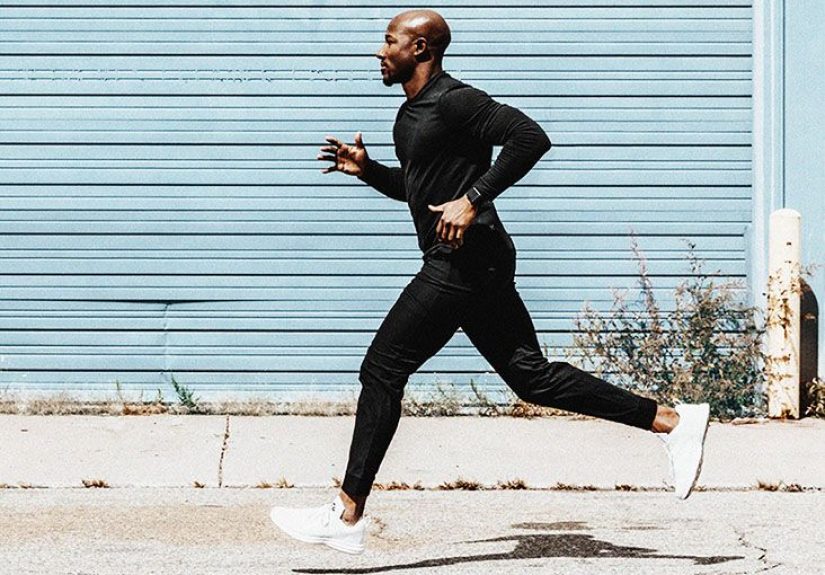
If there were a hall of fame for circulation habits, walking would have its own wing. Walking helps the muscles in your legs contract, which supports blood flow back toward your heart. It also helps your blood vessels function better over time. For people with circulation problems in the legs, especially early peripheral artery disease, structured walking programs can be especially helpful.
You do not need to transform into a hiking influencer overnight. Start with what you can do consistently:
- 10 minutes after lunch
- 10 minutes after dinner
- A lap around the block during calls
- Parking a little farther away on purpose
A good long-term target is the standard adult activity goal: about 150 minutes of moderate-intensity aerobic activity each week, plus strength work. But if that number makes you want to lie down dramatically, begin smaller. Five minutes still counts. So does one flight of stairs. So does not treating your desk chair like a long-term lease agreement.
2. Add Strength Training and “Calf Pump” Movement
Walking is great, but your circulation also benefits from stronger muscles. Your leg muscles, especially the calves, help push venous blood upward toward the heart. That is why long stretches of stillness can leave your legs feeling heavy or puffy, while movement often makes them feel better.
Helpful options include:
- Bodyweight squats
- Calf raises
- Step-ups
- Resistance-band leg work
- Cycling or stationary biking
- Swimming or water aerobics
You do not have to train like you are auditioning for an action movie. Two strength sessions a week can make a meaningful difference. If you sit for long periods, try simple ankle circles, heel-to-toe rocking, or standing calf raises during breaks. They are not flashy, but neither is having happier legs at the end of the day.
3. Stop Sitting for Hours Like It Is Your Job
Even if you work at a computer, “being sedentary” should not become your personality. Long stretches of sitting can contribute to poorer circulation, especially in the lower body. Blood can pool more easily in the legs when you are motionless, and over time, too much sitting is bad news for cardiovascular health in general.
Try this instead:
- Stand up every 30 to 60 minutes
- Walk while you take audio meetings
- Do 20 ankle pumps under your desk
- Stretch your calves when you get up for water
- Use the “annoying but useful” timer on your phone
The goal is not perfection. The goal is interruption. You are breaking up inactivity before it settles in and turns your lower body into a traffic jam.
4. Quit Smoking, Because Blood Vessels Hate It
If you smoke, stopping is one of the most powerful ways to improve circulation and protect your vascular health. Smoking damages blood vessels, increases the risk of atherosclerosis, raises blood pressure, and reduces the amount of oxygen your blood can carry. That is a terrible combo for circulation.
This applies to “just a few cigarettes,” too. Blood vessels do not give partial credit for restraint. If quitting feels overwhelming, use help that actually works:
- Talk with your doctor about nicotine replacement or medication
- Use counseling or a quit line
- Identify your smoking triggers
- Replace the hand-to-mouth routine with another habit
Improving circulation is not only about getting blood moving. It is also about not damaging the roads that blood travels through.
5. Eat in a Way That Supports Blood Vessels
There is no single “circulation superfood,” and anyone selling one in a neon bottle is probably more interested in your wallet than your arteries. What does help is a consistently heart-healthy eating pattern, such as a DASH-style or Mediterranean-style approach.
That means building meals around foods like:
- Vegetables and fruits
- Whole grains
- Beans and lentils
- Nuts and seeds
- Fish and other lean proteins
- Healthy oils such as olive or canola oil
It also means easing up on foods that can burden your blood vessels over time, including those high in saturated fat, excess sodium, added sugars, and heavy processing. This kind of eating pattern can help support healthier blood pressure and cholesterol levels, which matters because circulation improves when your blood vessels are less inflamed, less narrowed, and under less strain.
A practical shortcut: if your plate regularly includes color, fiber, and a decent source of protein, you are probably moving in the right direction.
6. Stay Hydrated So Your Heart Does Not Have to Work Overtime
Hydration may sound boring, but it matters. When you are well hydrated, your heart can pump blood more easily, and your muscles work more efficiently. When you are dehydrated, you may feel lightheaded, fatigued, or just generally like a houseplant that has seen some things.
You do not need to obsess over gallon jugs or dramatic hydration challenges. Instead:
- Drink water regularly through the day
- Increase fluids in hot weather or during exercise
- Pay attention to thirst, energy, and urine color
- Do not confuse coffee alone with a hydration plan
If you have heart failure, kidney disease, or another condition that affects fluid balance, follow your clinician’s advice rather than generic internet wisdom. “Drink more water” is useful general advice, but it is not a one-size-fits-all medical prescription.
7. Reach a Weight That Your Heart and Blood Vessels Like Better
You do not need to chase a perfect number or become weirdly emotional about body mass index charts. But if you are carrying extra weight, even modest weight loss can help improve blood pressure, cholesterol, and blood sugar control. That can reduce strain on the circulatory system and improve overall vascular health.
This matters because excess weight can make the heart work harder and can increase the risk of conditions that quietly damage blood vessels over time. The best approach is usually the least glamorous one:
- More daily movement
- Better portion awareness
- More fiber and protein
- Less liquid sugar
- More consistency, less drama
Improved circulation is often the side effect of a healthier routine, not the reward for some heroic two-week wellness sprint.
8. Elevate Your Legs and Ask Whether Compression Makes Sense
If your circulation issue is more about venous pooling than blocked arteries, leg elevation and compression can help. In plain English: if blood tends to linger in your legs and ankles, especially after long periods of sitting or standing, giving it some mechanical help can reduce swelling and heaviness.
Smart strategies include:
- Elevating your legs when resting
- Avoiding long periods of standing still
- Moving your ankles and calves throughout the day
- Wearing compression socks or stockings if a clinician recommends them
Compression is not a random fashion statement unless you are very committed to orthopedic chic. It works by gently squeezing the lower legs to help blood move upward and reduce pooling. But it is not right for everyone. If you have significant arterial disease, certain types of compression may be inappropriate, so it is smart to ask a healthcare professional before buying the strongest pair you can find online at 1:00 a.m.
9. Control the Numbers That Quietly Damage Blood Vessels
If you really want to improve circulation, do not focus only on what you can feel. Focus on what may be happening silently. High blood pressure, high LDL cholesterol, and high blood sugar can all damage blood vessels over time. That means circulation can get worse long before symptoms become obvious.
Important habits include:
- Checking your blood pressure regularly
- Following treatment for diabetes, prediabetes, or high cholesterol
- Taking prescribed medicines consistently
- Keeping follow-up appointments
- Not deciding you are “basically fine” because you felt great on Tuesday
This is the less exciting side of circulation improvement, but it is often the most important. Healthy blood flow depends on blood vessels that are open, flexible, and not constantly being injured by uncontrolled risk factors.
When Poor Circulation Is Not a DIY Project
Sometimes circulation problems need medical evaluation sooner rather than later. Make an appointment promptly if you have:
- Ongoing leg pain or swelling
- Pain in the legs when walking that improves with rest
- Cold, pale, blue, or shiny skin
- Numbness that is new or worsening
- Sores or ulcers that heal slowly
- One leg that seems more swollen than the other
Seek urgent care right away for chest pain, sudden shortness of breath, coughing up blood, fainting, or sudden severe swelling with breathing trouble. Those are not “drink more water and reassess tomorrow” situations.
A Simple Daily Routine for Better Circulation
If all of this feels like a lot, keep it simple. A circulation-friendly day might look like this:
- Morning: Drink water, take a 10-minute walk, and do 20 calf raises
- Workday: Stand up every hour and walk for 2 to 5 minutes
- Meals: Build your plate around vegetables, whole grains, and lean protein
- Afternoon: Stretch your calves and ankles if you have been sitting
- Evening: Walk after dinner and elevate your legs if they feel heavy
- Ongoing: Do not smoke, and keep tabs on blood pressure, cholesterol, and blood sugar
Notice how none of this requires a cleanse, a crystal, or a refrigerated shot that tastes like lawn clippings. Progress usually comes from routines, not gimmicks.
Everyday Experiences Related to Improving Circulation
One of the most interesting things about circulation is that people usually notice the small changes first. It is rarely a movie montage moment where someone dramatically declares, “At last, my vascular system is reborn!” It is more like realizing your feet are not ice cubes during a meeting, or that your socks are no longer leaving deep marks in your ankles by dinner.
For some people, the first noticeable difference comes after adding short walks to the day. An office worker who used to sit for three straight hours may start getting up every 45 minutes, and within a couple of weeks, their legs feel less stiff and less heavy by evening. Nothing magical happened. Their calf muscles just started doing their job more often, which helped blood move instead of linger.
Others notice circulation changes when they begin drinking enough water. They may have blamed afternoon fatigue on being “just busy,” when in reality they were underhydrated, under-moved, and running on coffee plus optimism. Once they start hydrating more consistently and moving a little during the day, the dizziness on standing may happen less often, and workouts may feel less punishing.
Then there is the person who starts walking after dinner every night. At first, it feels inconvenient. Then weirdly pleasant. Then normal. After a month, they realize their legs cramp less on stairs, they sleep better, and their body feels less sluggish in general. Improved circulation is often experienced as improved comfort: fewer aches, warmer feet, less swelling, better stamina, and a body that feels more cooperative.
People with leg swelling or venous issues often describe a different type of change. After getting properly fitted for compression socks and elevating their legs more regularly, they may notice their shoes fit better at the end of the day. Their ankles look more like ankles and less like a vague architectural concept. The dull ache they used to ignore becomes less frequent, and standing for errands is more manageable.
Someone who quits smoking may not immediately feel fireworks, but over time they often notice better exercise tolerance. Walking gets easier. Breathing improves. Recovery after movement is less dramatic. That is the thing with circulation: a lot of the benefit shows up as “daily life gets less annoying.” Which, frankly, is an excellent health outcome.
There are also emotional experiences tied to circulation symptoms. People sometimes feel frustrated or dismissed when they say their feet are always cold, or their legs feel oddly tired, or a small cut on the lower leg is taking forever to heal. When they finally get answers and start making changes, there is often relief in understanding that the issue was not laziness, aging, or “just bad luck.” It was a signal worth paying attention to.
And sometimes the experience is a wake-up call. A person may assume calf pain is just from getting older, only to learn it can be a sign of reduced blood flow. Another may think ankle swelling is no big deal until it keeps happening and starts affecting mobility. These experiences matter because they remind us that circulation is not an abstract medical topic. It shows up in how we walk, sit, travel, exercise, recover, and get through ordinary days.
The most encouraging pattern is that improvement often starts before perfection. You do not need a flawless diet, a gym membership you actually use, or the personality of someone who meal-preps for fun. You need small repeated choices: more steps, less sitting, better hydration, fewer cigarettes, healthier meals, more follow-through. Circulation improves when your routine stops working against your body and starts helping it a little more often.
Final Thoughts
If you want to improve circulation, the formula is not mysterious. Move your body, protect your blood vessels, eat like your heart matters, stay hydrated, and take symptoms seriously when they do not let up. The most effective strategies are usually the least dramatic, but they add up fast.
Think of it this way: your circulation does not need perfection. It needs cooperation. A few better habits, done consistently, can help your body deliver blood where it needs to go more efficiently and make you feel better in the process. That is not flashy. It is just smart.