Table of Contents >> Show >> Hide
- What Is Red Leaf Lettuce, Exactly?
- Nutritional Snapshot
- 1. It Is Low in Calories but Rich in Nutrients
- 2. It Supports Bone Health Thanks to Vitamin K
- 3. It Provides Vitamin A Precursors for Eye and Immune Health
- 4. Its Red Pigments Add Antioxidant Power
- 5. It Helps With Hydration
- 6. It Supports Digestive Health
- 7. It Is a Heart-Friendly Addition to Meals
- 8. It Can Make Weight Management Easier
- 9. It Makes It Easier to Eat More Greens Consistently
- Easy Ways to Eat More Red Leaf Lettuce
- A Few Smart Notes Before You Load Up Your Plate
- Real-Life Experiences With Red Leaf Lettuce
- Final Thoughts
Red leaf lettuce rarely gets the spotlight. It usually sits quietly in the produce aisle beside flashier greens, looking pretty, leafy, and slightly dramatic, like it knows it deserves more attention than it gets. And honestly, it does.
This tender lettuce is more than a decorative base for croutons and salad dressing. Red leaf lettuce is light, crisp, easy to use, and surprisingly nutrient-dense for something that seems to weigh about as much as a paper napkin. It delivers important vitamins, helpful plant compounds, water, and fiber, all while keeping calories low and meals fresh.
If you are trying to eat more vegetables without turning every lunch into a punishment, red leaf lettuce is one of the easiest wins on the board. Below, we break down the biggest health and nutrition benefits of red leaf lettuce, plus practical ways to enjoy it without getting stuck in a boring salad routine.
What Is Red Leaf Lettuce, Exactly?
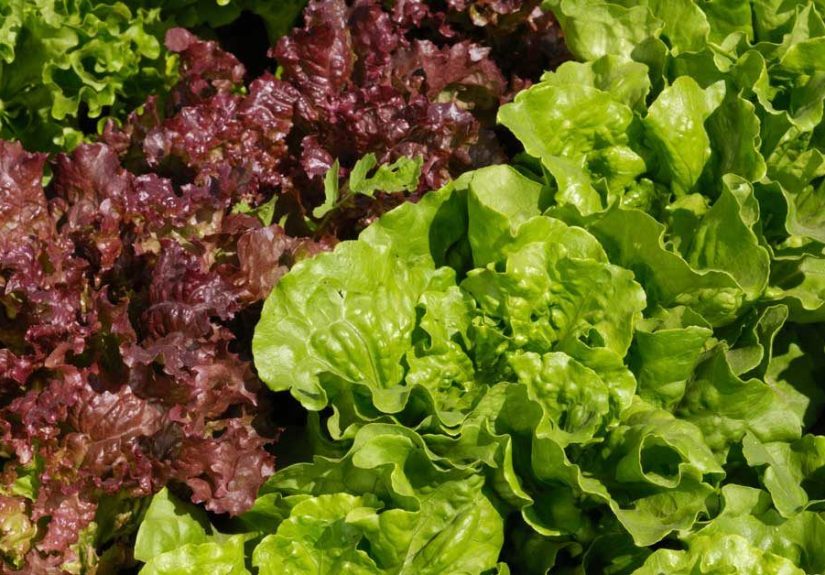
Red leaf lettuce is a loose-leaf variety of lettuce with ruffled leaves that range from green near the stem to burgundy or reddish-purple at the edges. It has a softer texture than romaine and a milder, slightly sweet flavor that works well in salads, wraps, sandwiches, tacos, grain bowls, and even quick lettuce cups.
Its red color is not just for looks. Those colorful edges come from antioxidant plant pigments, which give this lettuce an extra nutritional perk compared with paler varieties. In other words, the color is doing more than trying to impress your dinner plate.
Nutritional Snapshot
Red leaf lettuce is very low in calories and naturally low in fat, yet it still offers a useful mix of vitamins, minerals, water, and plant compounds. It is especially known for providing vitamin K and vitamin A precursors such as beta carotene. It also contributes folate, some vitamin C, small amounts of potassium, and modest fiber.
Because it is so light and voluminous, red leaf lettuce helps add bulk to meals without adding much energy density. That makes it helpful for people who want meals to feel satisfying without becoming heavy. Think of it as nutritional real estate: it takes up a lot of room in the bowl while keeping things balanced.
1. It Is Low in Calories but Rich in Nutrients
One of the biggest benefits of red leaf lettuce is that it offers a lot for very few calories. That is the classic definition of a nutrient-dense food. You get vitamins, minerals, water, and antioxidants without the calorie load that comes with many processed snack foods or heavy side dishes.
This matters more than it sounds. When you build meals around foods with high volume and low calorie density, it becomes easier to eat well without feeling deprived. A sandwich with a generous stack of red leaf lettuce, a taco topped with shredded leaves, or a grain bowl built over greens can feel fuller and fresher than the same meal without vegetables.
In plain English, red leaf lettuce helps your plate look bigger and your nutrition look smarter.
2. It Supports Bone Health Thanks to Vitamin K
Vitamin K is one of red leaf lettuce’s standout nutrients. This vitamin plays a key role in normal blood clotting, but it also helps support bone health. That makes leafy greens like red leaf lettuce a simple way to add more of this important nutrient to your day.
People often think of calcium when they think about bones, and calcium absolutely deserves the fame. But vitamin K is part of the supporting cast that keeps the whole show running. A diet that includes vitamin-K-rich vegetables can help round out an overall bone-friendly eating pattern.
One important note: if you take warfarin or another vitamin K-sensitive blood thinner, do not suddenly go from “I occasionally sniff a salad” to “I eat a mountain of lettuce every day.” Consistency matters. Talk with your healthcare provider about keeping your vitamin K intake steady.
3. It Provides Vitamin A Precursors for Eye and Immune Health
Red leaf lettuce contains carotenoids, including beta carotene, that the body can convert into vitamin A. Vitamin A is important for normal vision, immune function, growth, and the healthy functioning of organs and tissues.
This is one reason leafy greens earn so much respect in nutrition circles. They quietly deliver compounds your body uses for big-picture jobs, including supporting your eyes and immune defenses. Red leaf lettuce may not be as famous as carrots in the vitamin A conversation, but it belongs in the room.
If you want an easy upgrade, pair red leaf lettuce with a little healthy fat, such as olive oil, avocado, nuts, or seeds. Fat helps your body absorb fat-soluble nutrients and carotenoids more effectively, which means your salad can work harder without becoming complicated.
4. Its Red Pigments Add Antioxidant Power
Here is where red leaf lettuce gets a little flashy. The reddish color comes from anthocyanins, antioxidant compounds found in red, purple, and blue plant foods. Red leaf lettuce also contains other antioxidants, including carotenoids such as lutein and beta carotene.
Antioxidants help protect cells from oxidative stress caused by free radicals. That does not mean one salad transforms you into a superhero by dinner, but it does mean colorful plant foods contribute to the kind of eating pattern linked with better long-term health.
Compared with very pale lettuces, red leaf varieties may offer a broader mix of protective plant compounds. So yes, choosing the prettier lettuce can actually be nutritionally reasonable. Sometimes your eyes and your diet agree.
5. It Helps With Hydration
Lettuce is mostly water, and red leaf lettuce is no exception. Foods with high water content can help support hydration alongside the fluids you drink throughout the day. No, lettuce does not replace water. Yes, it still helps.
This is especially useful in warm weather, after exercise, or anytime you are trying to keep meals feeling lighter. A salad with red leaf lettuce, cucumbers, tomatoes, and fruit can be refreshingly hydrating without feeling like a chore. It is one reason crisp greens often feel so good in summer meals: they literally bring water to the plate.
If you struggle to drink enough plain water, building meals around water-rich produce is a smart side strategy. It is not a magic trick, but it is a good habit.
6. It Supports Digestive Health
Red leaf lettuce is not a fiber giant like beans, lentils, or bran cereal, but it still contributes fiber and bulk, especially when you eat a generous portion. Combined with its water content, that can help support regular digestion as part of an overall balanced diet.
Fiber matters for more than bathroom conversations people try to avoid at brunch. It helps support digestive health, can help you feel fuller longer, and plays a role in healthy blood sugar and cholesterol management. Every little contribution counts, especially when it comes from foods you will actually eat consistently.
That last point matters. The “best” vegetable is not always the one with the most dramatic nutrient chart. Sometimes the best vegetable is the one you are genuinely happy to keep in your fridge and put on your plate several times a week.
7. It Is a Heart-Friendly Addition to Meals
Red leaf lettuce supports heart-smart eating in a few different ways. First, it helps increase vegetable intake, and diets rich in vegetables are associated with better cardiovascular health. Second, it contributes nutrients commonly linked with heart-friendly eating patterns, including folate, potassium, fiber, and antioxidant compounds.
Third, and maybe most practically, red leaf lettuce often replaces less nutritious ingredients. When you bulk up burgers, wraps, sandwiches, and bowls with greens, there is simply less room for heavily processed extras. That shift can help improve the overall quality of a meal without making it feel restrictive.
In other words, red leaf lettuce supports heart health both by what it brings and by what it gently pushes off the stage.
8. It Can Make Weight Management Easier
If you are trying to manage your weight, red leaf lettuce is one of those foods that quietly makes life easier. It is low in calories, adds volume, and pairs well with higher-protein foods and healthy fats. That combination can help create meals that are satisfying without becoming calorie bombs disguised as lunch.
Vegetables with water and fiber add bulk to meals, which can help you feel full while eating fewer calories overall. That is not a fad-diet promise. It is a practical eating strategy supported by public health nutrition guidance.
For example, compare two lunches: one is a small turkey sandwich with chips; the other is a turkey wrap stuffed with red leaf lettuce, tomato, cucumber, and mustard, plus fruit on the side. The second meal often looks bigger, feels fresher, and may keep you satisfied longer, even without piling on extra calories.
9. It Makes It Easier to Eat More Greens Consistently
Consistency is where healthy eating usually wins or loses. Red leaf lettuce deserves credit for being easy. It is mild, versatile, quick to wash, and simple to add to meals without much prep. That matters because the easiest healthy food is often the one that becomes a habit.
Research on leafy green vegetables more broadly suggests they may support healthy aging, including brain health, when eaten regularly as part of a vegetable-rich eating pattern. Red leaf lettuce may not carry the entire leafy-green team on its own, but it absolutely helps you stay in the game.
If kale feels too aggressive and spinach gets slimy in your fridge before you remember it exists, red leaf lettuce can be a more approachable everyday option. Not every healthy food has to arrive with a lecture and a blender.
Easy Ways to Eat More Red Leaf Lettuce
Use it as a salad base
Pair it with chopped vegetables, grilled chicken, beans, avocado, nuts, or salmon. Its mild flavor works with almost everything.
Build better sandwiches and wraps
Instead of adding one sad leaf for decoration, layer in a generous handful. More crunch, more volume, more nutrition.
Make lettuce cups
Fill the leaves with taco meat, tofu, chicken salad, tuna salad, or stir-fried vegetables for a lighter meal with plenty of texture.
Add it to bowls
Use red leaf lettuce under rice bowls, burrito bowls, or grain bowls to add freshness and balance.
Mix it with sturdier greens
If you like spinach, arugula, or romaine, combine them. Red leaf lettuce softens stronger flavors and improves the texture of mixed greens.
A Few Smart Notes Before You Load Up Your Plate
Wash red leaf lettuce thoroughly before eating, even if it looks clean. Store it dry and chilled, ideally with a paper towel in the container to reduce extra moisture and prolong freshness.
Also, remember that lettuce is a supporting player, not a one-food miracle. A bowl of red leaf lettuce becomes far more satisfying and nutritionally complete when paired with protein, healthy fats, and other colorful produce. Think grilled chicken, chickpeas, boiled eggs, nuts, seeds, olive oil, fruit, and whole grains.
And finally, do not let perfect be the enemy of actual lunch. If red leaf lettuce is the green you enjoy, buy it. Nutrition works best when it is practical.
Real-Life Experiences With Red Leaf Lettuce
One of the most interesting things about red leaf lettuce is how often people end up eating more vegetables without meaning to. It does not usually arrive with “superfood” energy. It just sneaks into meals and makes them better. Someone starts by adding a few leaves to a sandwich because it looks nice. A week later, they are using it in wraps, on burgers, under grilled chicken, and in bowls with leftovers from the fridge. That is how small habits become real nutrition changes.
Many home cooks like red leaf lettuce because it feels less intimidating than sturdier greens. Kale can be wonderful, but it can also feel like a commitment. Spinach is useful, but it has a dramatic tendency to collapse into a tiny green handkerchief when cooked. Red leaf lettuce stays in its lane. It is soft, fresh, mild, and easy to tear. For busy families, that matters. The easier a vegetable is to prep, the more likely it is to get eaten.
Another common experience is that red leaf lettuce makes “healthy eating” feel less like a punishment. A sandwich piled high with crisp leaves feels bigger and more satisfying than one that is mostly bread and cheese. Tacos tucked into lettuce leaves or topped with shredded lettuce feel fresher. Even simple meals, like rotisserie chicken with a side salad, seem more complete when the greens are appealing instead of an afterthought.
People who are trying to manage their weight often notice that meals built with red leaf lettuce feel lighter but still substantial. A large salad with beans, grilled shrimp, avocado, and crunchy vegetables can be surprisingly filling. So can a burger wrapped in lettuce and served with fruit instead of fries. The point is not to make every meal tiny or joyless. It is to create meals that feel abundant without overdoing calories.
There is also the hydration factor that people tend to notice in warm weather. A cold salad made with red leaf lettuce, cucumbers, tomatoes, and citrus dressing tastes refreshing in a way heavier side dishes do not. During summer, that crispness can make vegetables more appealing, especially when cooked foods feel too rich. Sometimes the healthiest choice is the one that sounds good enough to eat twice in a week.
Parents often have an easier time serving red leaf lettuce because it looks fun and feels gentle in texture. Kids who reject bitter greens may still accept it in burgers, wraps, or build-your-own taco nights. Adults who are new to vegetables also tend to find it approachable. It is not bitter, not spicy, and not weirdly chewy. That is a real advantage when you are trying to turn occasional vegetable eaters into regular ones.
Then there is the refrigerator reality test. Red leaf lettuce works best for people who need food to be flexible. You can use it in a salad one night, a wrap the next day, and a sandwich after that. It can stretch across meals without forcing you to invent a whole recipe every time. That kind of convenience is often the difference between a vegetable that gets eaten and a vegetable that becomes a science experiment in the crisper drawer.
In everyday life, red leaf lettuce succeeds because it is easy, attractive, and useful. It brings color, crunch, and nutrients without asking much in return. Sometimes that is exactly what healthy eating needs: not more drama, just a really good leaf.
Final Thoughts
Red leaf lettuce may not be the loudest vegetable in the produce aisle, but it earns its place on your plate. It is low in calories, rich in useful nutrients, naturally hydrating, and packed with colorful plant compounds that help make meals healthier and more appealing. From bone and eye support to digestion, heart-smart eating, weight management, and simple everyday vegetable intake, this leafy green pulls more than its fair share of nutritional weight.
If your goal is to eat better without making food complicated, red leaf lettuce is a smart ingredient to keep around. It is flexible, fresh, and easy to enjoy regularly. And when it comes to healthy eating, “easy enough to repeat” is often the real secret.