Table of Contents >> Show >> Hide
Finding snacks that feel safe, satisfying, and actually tasty when you live with Crohn’s disease can feel like playing food roulette with a very dramatic wheel. One day a banana is your best friend. The next day, your gut is acting like it just read a strongly worded email. That is why Crohn’s-friendly snacks are less about following one perfect diet and more about building a flexible snack list that works with your symptoms, your tolerance level, and your life.
Crohn’s disease is a type of inflammatory bowel disease, or IBD, that can affect different parts of the digestive tract. Because symptoms vary from person to person, there is no single “Crohn’s diet” that works for everyone. However, many people do better with small, simple snacks that are easy to digest, lower in rough fiber during flares, not overly greasy, and rich enough in protein or calories to support energy. During calmer periods, some people can gradually bring back more fiber, fruits, vegetables, and healthy fats as tolerated.
This guide focuses on easy Crohn’s-friendly snacks that are practical, gentle, and delicious enough that you will not feel like you are being punished by a plain rice cake. Before changing your diet, especially during a flare, after surgery, with strictures, or if you are losing weight, talk with your gastroenterologist or a registered dietitian. Your gut deserves a personalized plan, not random advice from a snack-obsessed internet stranger.
What Makes a Snack Crohn’s-Friendly?
A Crohn’s-friendly snack is not automatically bland, boring, or beige, although beige foods do tend to have a surprisingly strong résumé during flare-ups. The best snacks usually share a few qualities: they are easy to chew, simple to digest, not too spicy, not too fatty, and not packed with skins, seeds, nuts, or raw roughage when symptoms are active.
Many people with Crohn’s do better with smaller meals and snacks every few hours instead of three large meals. Smaller portions can be easier on digestion and may help maintain energy when appetite is low. Protein also matters because Crohn’s can increase nutrition needs, especially during inflammation, recovery, or weight loss. Gentle proteins like eggs, yogurt, cottage cheese, smooth nut butter, fish, poultry, tofu, and lactose-free dairy can be useful depending on personal tolerance.
Fiber is more complicated. Some people with Crohn’s may need a low-fiber or low-residue approach during flares or when a doctor recommends it. That can mean choosing peeled fruit, applesauce, refined grains, cooked vegetables, smooth textures, and avoiding whole nuts, seeds, popcorn, raw cruciferous vegetables, and fruit skins. But when symptoms are quiet, a more varied diet with tolerated plant foods may support overall nutrition. The key word is tolerated. Your food journal is not glamorous, but it may become your digestive detective notebook.
9 Easy and Delicious Crohn’s-Friendly Snacks
1. Banana With Smooth Peanut Butter
A ripe banana with a spoonful of smooth peanut butter is one of the easiest Crohn’s-friendly snacks because it combines gentle carbohydrates with a little protein and fat. Bananas are soft, portable, and generally easier to digest than many raw fruits with skins or seeds. Smooth peanut butter adds staying power without the rough texture of whole peanuts.
For a flare-friendly version, choose a ripe banana and keep the peanut butter portion modest, such as one tablespoon. Too much fat at once can bother some people with Crohn’s, so this is not the moment to build a peanut butter mountain and plant a tiny flag on top. If peanut butter is not your friend, try smooth almond butter, sunflower seed butter, or simply eat the banana plain.
Snack idea: Slice a banana, spread a thin layer of smooth peanut butter on each piece, and sprinkle with a tiny pinch of cinnamon if tolerated. Chill for 10 minutes for a creamy, dessert-like snack.
2. Lactose-Free Yogurt With Applesauce
Yogurt can be a helpful snack for people who tolerate dairy because it offers protein, calcium, and a creamy texture that is easy to eat when appetite is low. However, lactose can trigger bloating, gas, or diarrhea for some people with Crohn’s. That is why lactose-free yogurt or a tolerated non-dairy yogurt can be a smart option.
Pairing yogurt with unsweetened applesauce makes the snack naturally sweet without requiring crunchy granola, raw fruit skins, or seeds. Applesauce is soft, mild, and often easier to handle than a whole apple. Choose plain yogurt when possible, because some flavored yogurts are loaded with added sugar or sugar alcohols that may irritate digestion.
Snack idea: Mix half a cup of lactose-free Greek yogurt with a few spoonfuls of unsweetened applesauce. Add a drizzle of maple syrup only if tolerated and needed. For extra smoothness, stir until it looks like pudding and pretend you are in a tiny spa for your intestines.
3. Scrambled Egg on White Toast
Eggs are a gentle, protein-rich food for many people with Crohn’s, and they are quick enough to make before your motivation leaves the building. A soft scrambled egg on white toast can be especially useful during times when high-fiber breads feel too rough. White bread is lower in fiber than whole-grain bread, which may make it easier to digest during symptom flares.
Keep the preparation simple. Cook the egg with a small amount of olive oil, butter, or cooking spray, depending on tolerance. Avoid heavy cheese, hot sauce, pepper flakes, or greasy add-ons if those trigger symptoms. The goal is soft, warm, and comfortingnot a brunch plate that challenges your digestive tract to a wrestling match.
Snack idea: Toast one slice of white bread, top with one soft scrambled egg, and add a pinch of salt. If you tolerate avocado, a very thin smear can add creaminess, but skip it during flares if fat bothers you.
4. Rice Cakes With Cottage Cheese
Rice cakes are simple, light, and low in fiber, which makes them a useful snack base for many people managing Crohn’s symptoms. On their own, they can taste a bit like crunchy air wearing a hat, but cottage cheese adds protein and creaminess. If regular cottage cheese causes symptoms, try lactose-free cottage cheese or another tolerated soft protein spread.
This snack works well because it is easy to portion and customize. During a flare, choose plain rice cakes and keep toppings mild. During remission, you may be able to add peeled cucumber slices, a little honey, or soft fruit depending on your tolerance.
Snack idea: Spread two plain rice cakes with lactose-free cottage cheese. Add a tiny pinch of salt for savory flavor or a spoonful of applesauce for a sweet version. It takes less than two minutes, which is ideal when hunger arrives with no appointment.
5. Smooth Banana-Oat Smoothie
A smoothie can be a Crohn’s-friendly snack because blending changes the texture of foods and may make them easier to tolerate. A banana-oat smoothie is creamy, filling, and gentle when made with simple ingredients. Oats contain soluble fiber, which some people tolerate better than rough insoluble fiber, though portion size matters.
Use a small amount of oats at first, especially if you are unsure how your body responds. Choose lactose-free milk, almond milk, oat milk, or another tolerated liquid. Skip seeds, raw greens, protein powders with sugar alcohols, and large amounts of nut butter during active symptoms.
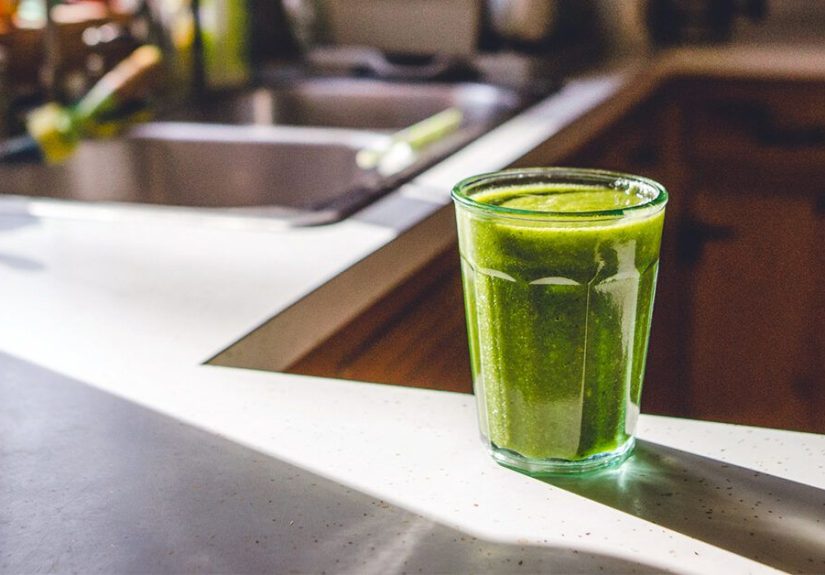
Snack idea: Blend one ripe banana, half a cup of lactose-free milk, two tablespoons of quick oats, and a few ice cubes. If you need more protein and tolerate it, add a few spoonfuls of plain Greek yogurt. Blend until completely smooth. Nobody wants a surprise oat chunk when the gut is already negotiating peace terms.
6. Turkey Roll-Ups With Soft Cheese
Turkey roll-ups are a no-cook snack that can provide protein without much fuss. Choose lean, lower-sodium turkey slices when possible, and avoid heavily seasoned or spicy deli meats. Roll them with a small amount of soft cheese, lactose-free cream cheese, or a tolerated dairy-free spread.
Processed meats can bother some people and may not be ideal as an everyday staple, but an occasional simple turkey roll-up can be practical when you need something quick. If deli turkey does not work for you, use leftover baked chicken or thin slices of homemade turkey breast. The homemade version is often gentler because you control the seasoning.
Snack idea: Spread a thin layer of lactose-free cream cheese on a turkey slice, roll it up, and pair it with a few plain crackers. During remission, add peeled cucumber or soft lettuce only if tolerated.
7. Mashed Sweet Potato Cup
Sweet potatoes can be a comforting snack when cooked until soft and served without the skin. They provide carbohydrates, potassium, and natural sweetness. The trick for Crohn’s is preparation: peel them, cook them thoroughly, and mash them smooth. Skins and undercooked chunks can be harder to digest.
This snack is especially useful if you want something warm and filling but not greasy. It can also be made ahead and stored in small containers. Keep seasonings simple. Cinnamon may work for a sweet version, while a small pinch of salt can make it savory. Avoid spicy seasonings during flares.
Snack idea: Bake or steam a peeled sweet potato, mash it with a splash of lactose-free milk, and portion it into small cups. Reheat gently and top with a little plain yogurt if tolerated. It is basically baby food for adults, but in the best possible way: cozy, smooth, and judgment-free.
8. Plain Crackers With Tuna or Salmon
Plain crackers are often easier to digest than whole-grain crackers during a flare, and tuna or salmon adds protein plus omega-3 fatty acids. Fatty fish such as salmon may be part of an anti-inflammatory eating pattern for many people, though canned fish should still be prepared simply.
Use tuna or salmon packed in water and mix it with a small amount of plain yogurt, lactose-free mayo, or olive oil if tolerated. Avoid onions, hot sauce, relish with seeds, or heavy spices if those trigger symptoms. This snack can be eaten at home or packed for work if kept cold.
Snack idea: Mix canned salmon with a spoonful of plain Greek yogurt and a pinch of salt. Spoon it onto saltines or plain crackers. If you tolerate lemon, add just a few drops for brightness. Your snack should taste fresh, not like it is trying to win a chili contest.
9. Homemade Rice Pudding
Rice pudding can be a soothing Crohn’s-friendly snack when made with simple ingredients. White rice is low in fiber and often easier to digest during symptom-heavy periods. Making rice pudding at home lets you control the sweetness, dairy, and texture.
Use lactose-free milk or a tolerated plant-based milk. Keep added sugar light, and avoid raisins, nuts, coconut flakes, or seeds during flares. The result is soft, creamy, and comfortinglike a blanket, but edible.
Snack idea: Simmer cooked white rice with lactose-free milk until creamy. Add a small amount of sugar or maple syrup and a pinch of cinnamon if tolerated. Chill it for a cool snack or eat it warm when your stomach wants something gentle.
How to Choose Snacks During a Crohn’s Flare
During a flare, your digestive tract may feel more sensitive than usual. Many people are advised to temporarily choose lower-fiber, softer foods and avoid rough textures. That may mean skipping popcorn, nuts, seeds, raw vegetables, fruit skins, beans, bran cereals, and whole grains until symptoms calm down or a clinician says otherwise.
Flare-friendly snacks often include bananas, applesauce, yogurt without seeds, white toast, saltines, rice, eggs, smooth soups, well-cooked peeled potatoes, and simple protein foods. Bland does not mean nutritionally useless. It means your gut is asking for the acoustic version of dinner, not the full marching band.
Hydration also matters, especially if diarrhea is part of your symptoms. Sip water throughout the day and ask your healthcare team whether oral rehydration drinks are appropriate. If you are losing weight, skipping meals, or afraid to eat, professional nutrition support is important. Crohn’s can increase the risk of nutrient deficiencies, and snacks may need to be more strategic than casual.
How to Snack During Remission
When symptoms are well controlled, the goal is usually to expand variety as tolerated. This does not mean eating a giant kale salad on day one and hoping for applause. Instead, add foods gradually. Try one new food at a time, keep portions small, and notice patterns. Cooked vegetables, peeled fruits, oatmeal, smoothies, soft grains, and gentle proteins can help rebuild a more balanced routine.
Some people tolerate soluble fiber better than insoluble fiber. Soluble fiber is found in foods such as oats, bananas, applesauce, and some cooked vegetables. Insoluble fiber, found in fruit skins, raw greens, bran, seeds, and many rough plant parts, can be more irritating for some people, especially during active symptoms or with narrowing in the intestines.
A food journal can help you separate true triggers from random digestive drama. Write down what you ate, portion size, symptoms, stress level, sleep, medications, and timing. Crohn’s is not only about food, so avoid blaming every symptom on one innocent cracker unless the evidence is strong.
Snack Prep Tips for Busy Days
The easiest Crohn’s-friendly snacks are the ones already waiting when hunger appears. Prep a few small containers at the beginning of the week: mashed sweet potatoes, rice pudding, applesauce-yogurt cups, peeled boiled eggs, or cooked rice. Keep shelf-stable options like plain crackers, rice cakes, smooth peanut butter packets, and applesauce cups in your bag or desk.
Portion size is another quiet hero. A snack does not need to be huge to be useful. In fact, smaller portions may be easier to tolerate. Try mini-meals that include one carbohydrate and one protein, such as toast with egg, crackers with tuna, banana with peanut butter, or yogurt with applesauce.
Also, read labels. Sugar alcohols such as sorbitol, mannitol, and xylitol can trigger gas or diarrhea in some people. Very high-fat snacks, fried foods, spicy seasonings, and heavily processed treats may also be common troublemakers. You do not have to eat perfectly, but your gut may appreciate fewer surprise ingredients with names that sound like retired robots.
of Real-Life Snack Experience: What Actually Helps
Anyone who has managed Crohn’s symptoms for more than five minutes knows that eating is not just biological. It is emotional, social, practical, and occasionally ridiculous. You can read the perfect snack list, buy all the right foods, and still find yourself staring into the refrigerator thinking, “What can I eat that will not start a tiny thunderstorm?” That is where experience matters.
One of the most helpful habits is building a personal “safe snack shelf.” This is not a medical term, but it should be. It means keeping a small group of foods you usually tolerate on hand at all times. For some people, that shelf might include bananas, applesauce cups, saltines, lactose-free yogurt, instant oatmeal packets, rice cakes, and smooth peanut butter. For others, it may include eggs, chicken broth, white rice, or homemade muffins made with tolerated ingredients. The point is to reduce decision fatigue. When your energy is low, you do not want to audition snacks like contestants on a digestive talent show.
Another practical lesson: texture can matter as much as ingredients. A raw apple may feel impossible, while applesauce is fine. Whole nuts may be a problem, while a thin layer of smooth nut butter works. A giant salad may be too much, while cooked carrots blended into soup feel gentle. Many Crohn’s-friendly snacks become easier when they are peeled, cooked, mashed, blended, or portioned smaller. Your blender may become your quiet kitchen sidekick.
Travel and workdays need backup plans. Crohn’s does not always respect calendars, traffic, meetings, or airport delays. Keeping a small emergency snack kit can prevent long gaps without food. Try packing plain crackers, a banana, a nut butter packet if tolerated, oral rehydration packets if recommended, and a shelf-stable applesauce pouch. If refrigeration is available, add yogurt, cottage cheese, turkey roll-ups, or boiled eggs. The goal is not gourmet dining. The goal is avoiding the moment when you are hungry, stuck somewhere, and forced to choose between spicy gas station nachos and emotional surrender.
Social snacking can be tricky too. Parties, office treats, and family gatherings often feature foods that are fried, creamy, crunchy, spicy, or mysterious. A smart move is eating a small safe snack before you go. That way, you can still participate without arriving ravenous and negotiating with a tray of jalapeño poppers. Bringing a dish you tolerate can also help. Rice pudding, banana muffins, simple deviled eggs, or a mild yogurt dip with soft bread can fit in without announcing, “Hello everyone, my intestines have entered the chat.”
Most importantly, Crohn’s-friendly snacking should not become food fear. Yes, symptoms matter. Yes, trigger foods are real. But unnecessary restriction can make eating stressful and may reduce nutrition. Think of your snack list as flexible. During flares, keep it gentle and simple. During remission, explore variety slowly. Celebrate small wins, like finding a breakfast smoothie that works or discovering that mashed sweet potato is weirdly comforting. Food should support your life, not shrink it.
Conclusion
Crohn’s-friendly snacks do not have to be dull, dry, or sad enough to need a motivational speech. With the right ingredients and preparation, snacks can be gentle, nourishing, and genuinely enjoyable. Start with simple options like bananas with smooth peanut butter, lactose-free yogurt with applesauce, scrambled egg on toast, rice cakes with cottage cheese, smoothies, turkey roll-ups, mashed sweet potatoes, crackers with tuna or salmon, and homemade rice pudding.
The best snack for Crohn’s disease is the one your body tolerates, your schedule can handle, and your taste buds do not file a complaint about. Keep portions small, choose soft textures during flares, add variety during remission, and work with your healthcare team when symptoms change. Your gut may be picky, but with a little planning, snack time can still be delicious.
Note: This article is for educational purposes only and should not replace medical advice. People with Crohn’s disease, strictures, recent surgery, weight loss, or active flares should work with a gastroenterologist or registered dietitian before making major diet changes.