Table of Contents >> Show >> Hide
- What Is Papaya Leaf, Exactly?
- Why Papaya Leaf Is Getting So Much Attention
- 1. It May Help Support Platelet Count in Certain Situations
- 2. It Shows Strong Antioxidant Potential
- 3. It May Help Calm Inflammatory Processes
- 4. It Has Potential Uses in Blood Sugar and Metabolic Research
- 5. It May Offer Digestive Support, Though the Form Matters
- 6. It Has Antimicrobial and Immune-Modulating Potential
- 7. It May Support Wound Healing and Tissue Recovery
- How People Commonly Use Papaya Leaf
- Risks, Side Effects, and Who Should Be Careful
- What the Experience of Using Papaya Leaf Is Often Like
- Final Thoughts
Papaya usually gets all the attention for its sweet orange flesh, smoothie-friendly attitude, and general tropical overachievement. But the leaf? That is where things get interesting. Bitter, bold, and not exactly headed for a dessert menu, papaya leaf has become a growing topic in wellness circles, herbal medicine, and scientific research.
To be clear, papaya leaf is not a miracle cure wrapped in greenery. It is an emerging plant ingredient with some intriguing research behind it, especially in a few specific areas. The most talked-about use is support for platelet count in people with dengue-related thrombocytopenia. Beyond that, researchers are studying papaya leaf for antioxidant activity, inflammation support, metabolic health, digestive uses, antimicrobial effects, and wound care potential.
That combination of tradition and modern lab interest is exactly why papaya leaf keeps popping up in teas, capsules, juices, and supplement bottles. Still, “interesting” does not mean “proven,” and “natural” does not mean “risk-free.” So instead of turning this into a leafy fairy tale, let’s look at what papaya leaf is, why it is being studied, and the seven emerging benefits and uses people care about most.
What Is Papaya Leaf, Exactly?
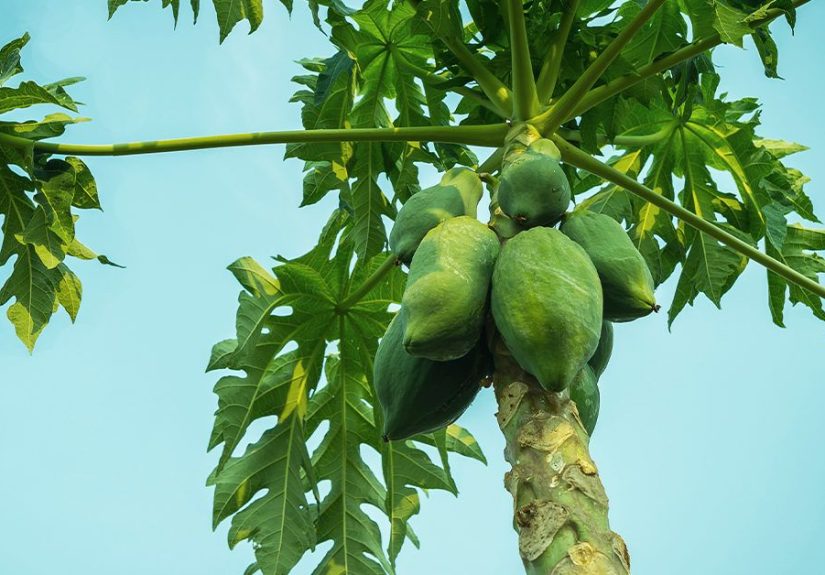
Papaya leaf comes from the Carica papaya plant, the same tropical plant that gives us papaya fruit. The leaf contains a mix of plant compounds and enzymes that researchers find especially intriguing, including flavonoids, phenolic compounds, alkaloids such as carpaine, and enzyme-related compounds associated with digestion and plant defense.
In traditional practices, papaya leaf has been prepared as a tea, decoction, juice, or extract. Today, it is more commonly sold as capsules, liquid extracts, powders, or bottled juices. That sounds simple enough, but here is the catch: the exact preparation matters a lot. A tea, a fresh juice, and a standardized capsule do not necessarily behave the same way in the body. That is one reason the science still has a lot of catching up to do.
Why Papaya Leaf Is Getting So Much Attention
Papaya leaf sits at the intersection of traditional use and modern curiosity. Researchers are studying how its plant compounds may influence oxidative stress, inflammation, platelet production, and cellular signaling. Some of the findings are promising. Some are preliminary. Some are the scientific version of “hmm, that’s interesting, let’s not get carried away.”
That is why the smartest way to talk about papaya leaf is with one important word in mind: emerging. The benefits below are not all equally supported. Some are backed by human studies, while others mostly come from animal or lab research. In other words, papaya leaf has earned a place in the conversation, but not a free pass to make wild health claims.
1. It May Help Support Platelet Count in Certain Situations
This is the big one. If papaya leaf has a headline act, it is its potential role in supporting platelet count, particularly in dengue-related thrombocytopenia. Several studies and reviews have explored papaya leaf extract or juice as an add-on to standard supportive care in people with dengue fever, where platelet counts can fall sharply.
The reason researchers are interested is that papaya leaf may influence genes and pathways involved in platelet production. Some studies suggest it may help support megakaryocytes, the cells that produce platelets, and may affect markers such as ALOX12 and PTAFR that are associated with thrombopoiesis. Translation: papaya leaf may help the body make platelets more efficiently under certain conditions.
Now for the reality check. Even though this is the strongest area of evidence, papaya leaf is not a replacement for medical treatment, especially in dengue, where hydration, monitoring, and clinical care matter enormously. It is better described as a possible adjunct, not a stand-alone rescue mission in a bottle.
Why this use stands out
Among all the proposed papaya leaf benefits, platelet support has the most human data behind it. That does not make the evidence perfect, but it does make this the most credible emerging use so far.
2. It Shows Strong Antioxidant Potential
Papaya leaf is rich in antioxidant-related plant compounds, including flavonoids and phenolics. These substances help neutralize free radicals, the unstable molecules that contribute to oxidative stress. Oxidative stress is associated with aging and many chronic conditions, including heart disease, metabolic disorders, and inflammatory states.
That does not mean drinking papaya leaf tea turns you into a superhero with a glow filter. What it means is that the leaf appears to contain compounds that may help protect cells from damage. Researchers see this antioxidant activity as one of the reasons papaya leaf is being studied across so many health categories.
Antioxidant activity also helps explain why papaya leaf keeps showing up in conversations about recovery, immune function, and general wellness. When a plant checks the antioxidant box, scientists tend to ask what else it might be doing. Papaya leaf has definitely inspired that kind of curiosity.
3. It May Help Calm Inflammatory Processes
Inflammation is a useful body response when you are fighting infection or healing an injury. Chronic inflammation, however, is far less charming. It is linked to everything from metabolic disease to cardiovascular problems to ongoing tissue stress.
Papaya leaf has shown anti-inflammatory potential in lab and preclinical research, likely due to its phytochemical profile. Researchers have examined how papaya leaf extracts may influence inflammatory messengers and oxidative pathways. In plain English, the leaf may help dial down some of the body’s more dramatic inflammatory behavior.
This is one reason people interested in herbal wellness keep papaya leaf on their radar. But again, promising anti-inflammatory activity in a study does not automatically translate into a proven treatment for inflammatory disease in humans. It is best seen as a developing area of interest, not a green prescription pad.
4. It Has Potential Uses in Blood Sugar and Metabolic Research
Another emerging area is metabolic health. In animal studies, papaya leaf extracts have shown hypoglycemic and antioxidant effects, along with possible benefits for lipid profiles and pancreatic protection. That has led researchers to explore whether papaya leaf may someday have a role in broader metabolic support.
This matters because oxidative stress and inflammation often travel with blood sugar problems like uninvited houseguests who never leave. A plant that may influence both could be worth studying more closely.
Still, this is not a reason for anyone with diabetes or prediabetes to swap out prescribed treatment for papaya leaf capsules and optimism. In fact, papaya leaf may interact with some blood sugar medications, which makes self-experimentation a poor life choice. At this stage, the metabolic angle is interesting, but it remains early and should be approached with caution.
5. It May Offer Digestive Support, Though the Form Matters
Papaya as a plant is famous for enzyme activity, especially papain and related compounds that help break down proteins. That enzyme reputation often spills over into discussions of papaya leaf, which is why some people use papaya leaf tea or extracts for digestive support.
The logic is fairly straightforward. Bitter herbs and enzyme-rich plant compounds are often used traditionally to stimulate digestion, ease feelings of heaviness after meals, or support general gut comfort. Some reviews also point to gastroprotective potential in preclinical research, which adds another reason scientists are paying attention.
That said, the digestive story is not as well established for papaya leaf as it is for papaya fruit or isolated papain products. Some people may feel fine with it, while others may end up with nausea, stomach irritation, or an expression that says, “Why does this tea taste like a lawn clipping with opinions?” Moderation matters.
6. It Has Antimicrobial and Immune-Modulating Potential
Papaya leaf is also being studied for antimicrobial, antiviral, and immune-related effects. Lab research has looked at how papaya leaf compounds may affect microbes and immune signaling. This does not mean papaya leaf is a substitute for antibiotics, antivirals, or evidence-based infection treatment. It does mean the plant has enough biological activity to keep researchers interested.
Part of the appeal is that papaya leaf contains a complicated mix of bioactive compounds rather than a single flashy molecule. In the world of plant medicine research, that can be both exciting and annoying. Exciting because multiple compounds may work together. Annoying because it makes standardization harder and results less predictable.
For now, this area is best framed as research territory. Papaya leaf may have immune-modulating potential, but it is still a long way from being considered a clinically established immune-support therapy.
7. It May Support Wound Healing and Tissue Recovery
Wound healing is another growing area of interest. Researchers have explored papaya leaf extract for tissue repair, likely because of its combination of antioxidant, anti-inflammatory, and antimicrobial activity. Some emerging work suggests it may support the healing environment in damaged tissue.
This does not mean you should start improvising backyard medicine every time you get a scrape. But it does suggest papaya leaf may have future value in topical or oral formulations designed for recovery support. Scientists are especially interested in natural compounds that can help reduce oxidative stress while supporting the body’s repair processes.
There is also broader research interest in papaya plant compounds, including early oncology-related lab studies. Those findings are intriguing, but they are nowhere near strong enough to justify cancer treatment claims. The responsible takeaway is that papaya leaf is scientifically active, not medically proven for every condition people post about online at 2 a.m.
How People Commonly Use Papaya Leaf
Papaya leaf usually shows up in one of four forms: tea, juice, powder, or standardized extract capsules. Each has pros and cons.
Tea
A traditional option that feels wholesome and dramatic, especially if you enjoy beverages that fight back. Tea is easy to make, but potency can vary a lot.
Juice
Fresh papaya leaf juice is commonly mentioned in research and traditional use, especially for platelet-related interest. It is also famously bitter, so no one drinks it by accident.
Capsules and extracts
These are more convenient and may offer more consistent dosing, at least in theory. Quality still varies by brand, and supplements are not all created equal.
Powders
Often added to drinks or wellness blends. They are easy to use but can be just as bitter and just as variable as other forms.
Risks, Side Effects, and Who Should Be Careful
Here is the part that keeps the article honest. Papaya leaf may be “possibly safe” for short-term use in some contexts, but that is not the same as fully established long-term safety. Reported side effects can include nausea, vomiting, mild gastrointestinal upset, and rash. Some reviews also raise concerns about liver toxicity and reproductive toxicity with longer-term use, based largely on animal data.
People who are pregnant should avoid papaya leaf unless specifically advised by a healthcare professional. Those with liver impairment should also be cautious. In addition, papaya leaf may interact with certain medications, including some diabetes drugs, digoxin, ciprofloxacin, and other agents affected by transport or absorption pathways.
If you have a medical condition, take prescription medication, or are using papaya leaf for something more serious than general wellness curiosity, the smart move is to ask a qualified clinician first. “Natural” is a description, not a safety guarantee.
What the Experience of Using Papaya Leaf Is Often Like
People who try papaya leaf often describe the experience in ways that are surprisingly consistent, even when their reasons for using it are different. The first thing many notice is the taste. Papaya leaf is not subtly bitter. It is not “slightly herbal.” It is not “a little earthy.” It is the kind of bitterness that makes your eyebrows participate. Tea drinkers often compare it to a medicinal green brew, while juice users tend to describe it as intense, grassy, and stubbornly unforgettable.
The second common experience is that people usually start using papaya leaf with a very specific goal in mind. Some are interested in it after hearing about platelet support during dengue recovery. Others are curious about digestive support, inflammation, or general wellness because a family member, friend, or supplement label made it sound like nature’s best-kept secret. In many cases, the experience begins not with certainty, but with curiosity and a little cautious hope.
Many users also report that the form makes a big difference. A capsule feels easier and less dramatic. A tea can feel soothing but also unpredictable in strength. A fresh juice feels the most “traditional,” but it is often the hardest to tolerate because the flavor is so strong. Some people mix papaya leaf with honey, citrus, or other juices just to make peace with it. Others take one sip and decide the relationship is over.
Another thing people often notice is that papaya leaf does not create a single universal feeling. Some say they feel fine and continue using it briefly without trouble. Others report mild stomach discomfort, nausea, or a heavy feeling in the gut, especially if they take too much or use it on an empty stomach. That mixed experience is one reason responsible guidance matters. A product can be promising in research and still be unpleasant, or simply not worth it, for a particular person.
Emotionally, the experience can also be tied to bigger health worries. People exploring papaya leaf during illness are not usually doing it for fun or culinary adventure. They are often looking for something supportive during a stressful time. That can make the ritual feel meaningful, whether it is a relative preparing tea, someone carefully tracking how they feel after capsules, or a traveler hearing local advice in a dengue-prone region. The plant becomes part of the story of trying to do something helpful.
At the same time, many experienced users and clinicians would tell you the same thing: papaya leaf works best when expectations stay realistic. It may be a supportive tool in some situations, but it is not magic, and it is not a replacement for evidence-based care. The most grounded experience with papaya leaf is one that combines curiosity with caution, respects the bitterness, watches for side effects, and remembers that plants can be powerful without being all-powerful.
Final Thoughts
Papaya leaf is one of those plant ingredients that earns attention for a good reason. It is biologically active, traditionally used, and backed by enough early science to justify real interest. The clearest emerging use is platelet support in dengue-related thrombocytopenia. Beyond that, research is exploring antioxidant, anti-inflammatory, digestive, metabolic, antimicrobial, and wound-healing potential.
That said, the keyword here is still emerging. Papaya leaf is promising, not proven across the board. It may be useful in specific contexts, but it also comes with safety questions, possible side effects, and potential drug interactions. In short, papaya leaf deserves thoughtful attention, not breathless hype.
Note: This article is for informational purposes only and should not be used as a substitute for medical advice, diagnosis, or treatment.