Table of Contents >> Show >> Hide
- First, a quick reality check: “Inflammation” isn’t a vibe
- 1) Sugary Drinks (and “Liquid Dessert” in Disguise)
- 2) Refined Carbohydrates (White Bread, Pastries, and the “Flour Power” Trap)
- 3) Fried Foods and Industrial Trans Fats (The Crunchy Culprits)
- 4) Processed Meats (and Too Much Red Meat)
- 5) Ultra-Processed Foods (The ‘It’s Not Even Food Anymore’ Category)
- How to Eat in a Less-Inflammatory Way (Without Turning Your Kitchen Into a Lab)
- Conclusion
- Real-Life Experiences People Often Notice (About )
Inflammation is your body’s built-in fire alarm. When you get a cut or a cold, it’s helpfulimmune cells rush in, clean up the mess, and help you heal. The problem is when the alarm won’t shut off. Long-term (chronic) inflammation is linked to a long list of “please no” outcomes for the heart, blood sugar, joints, and even the brain.
Diet isn’t the only factor (sleep, stress, movement, and genetics matter a lot), but food is one lever you can pull every day. And here’s the good news: you don’t need to eat like a monk or ban joy from your plate. Most of the inflammation “villains” are repeat offendersfoods people end up eating often, in large portions, because they’re cheap, quick, and engineered to be extremely snackable.
Below are five categories of foods that are consistently flagged by major U.S. medical and public health organizations as inflammation-promotersplus real-life examples, label tips, and smarter swaps that still taste like food, not punishment.
First, a quick reality check: “Inflammation” isn’t a vibe
Inflammation is a biological process involving immune signals and chemicals that can be measured (for example, C-reactive protein is one marker often discussed in research). Certain eating patterns tend to raise those markers over timeespecially patterns high in added sugars, refined grains, and heavily processed fats.
Two things can be true at once:
- Some foods can push inflammation upward when they’re daily staples.
- You can still enjoy them sometimes without your body “spontaneously combusting.” (Human bodies are dramatic, but not that dramatic.)
Think patterns, not perfection.
1) Sugary Drinks (and “Liquid Dessert” in Disguise)
If inflammation had a hype squad, sugar-sweetened beverages would be out front with a megaphone. When sugar hits your bloodstream fast and hard, your body has to respond quickly. Frequent spikes can contribute to metabolic stress, which is tied to inflammatory pathways.
Common examples
- Regular soda
- Sweet tea and many bottled/canned teas
- Sports drinks and energy drinks (especially sugar versions)
- Fruit drinks and “juice cocktails” (not the same as 100% juice)
- Fancy coffee drinks that drink like a milkshake
Why these can be inflammation-friendly (in a bad way)
- Fast absorption: Liquids move quickly through the stomach, so sugars can hit your system faster than sugars packaged with fiber in whole fruit.
- Low satiety: Your brain doesn’t always “count” liquid calories the same way it counts solid food, so it’s easy to overdo it without feeling full.
- It’s sneaky: A “normal” bottle can contain multiple servings of added sugar.
Smarter swaps that don’t feel like sadness
- Cold sparkling water with citrus, berries, cucumber, or mint
- Unsweetened iced tea (add a splash of 100% juice if you want flavor)
- Milk or plain yogurt smoothies sweetened primarily with fruit (fiber helps)
- If you love soda: start with half your usual amount and replace the other half with sparkling wateryour taste buds adapt
Label tip: Added sugar hides under many namessyrup, cane sugar, dextrose, maltose, and more. If “added sugars” are high and the drink isn’t a special occasion treat, it’s probably a frequent inflammation booster.
2) Refined Carbohydrates (White Bread, Pastries, and the “Flour Power” Trap)
Refined grains are what happen when fiber and many nutrients are stripped out, leaving a starch that digests quickly. That can mean bigger blood sugar swings compared with whole grainsespecially when refined carbs show up in large portions, multiple times a day.
Common examples
- White bread, many bagels, and “classic” sandwich rolls
- Pastries, donuts, muffins, and many packaged baked goods
- Most crackers made with refined flour
- White pasta and many instant noodles
- White rice (especially when it’s the default carb at most meals)
Why refined carbs can nudge inflammation up
- Less fiber: Fiber helps slow digestion and supports gut bacteria that make anti-inflammatory compounds.
- Higher glycemic impact: Quick-digesting starches can raise blood sugar and insulin more rapidly, a pattern associated with inflammatory stress over time.
- They often travel with extras: Many refined carb foods also come with added sugars, sodium, and less-helpful fats.
Easy upgrades (no “you must eat cardboard” rule)
- Swap some refined grains for whole grains: whole-wheat pasta, oats, brown rice, quinoa, barley
- Try the “half-and-half” move: mix white and brown rice, or blend regular and whole-grain pasta
- Choose breads where the first ingredient is whole wheat (not “enriched wheat flour”)
Real-life example: If your lunch is a white-bread sandwich + chips + soda, you’ve stacked three fast-digesting carbs at once. Even changing one piecelike switching to sparkling water or whole-grain breadcan make the overall meal less inflammation-prone.
3) Fried Foods and Industrial Trans Fats (The Crunchy Culprits)
Fried foods show up on nearly every “foods that cause inflammation” list for a reason. Deep-frying can mean higher levels of fats that are easier to overconsume, and in some cases, exposure to oils that degrade with repeated high heat. On top of that, certain processed foods still contain (or historically contained) industrial trans fats, which have been strongly associated with inflammation and heart risk.
Common examples
- French fries, fried chicken, fried fish
- Donuts and many deep-fried desserts
- Some packaged snacks and baked goods (depending on ingredients)
- Fast-food “crispy” everything
What to watch for on labels
- “Partially hydrogenated oils” (this phrase is the biggest red flag for industrial trans fat)
- “Shortening” in ingredient lists
- Fried foods that are also highly processed (double trouble)
Swap ideas that keep the joy
- Oven-baked “crispy” versions (air fryer counts as “oven-baked, but faster”)
- Pan-sear with a small amount of oil instead of deep-frying
- Choose nuts, hummus, popcorn (not drenched in butter), or yogurt + fruit for snacks
Practical rule: If the food tastes like “crispy + salty + I should not be allowed near a whole bag,” it’s probably something to keep as an occasional treat, not a daily habit.
4) Processed Meats (and Too Much Red Meat)
Processed meats are meats preserved by smoking, curing, salting, or adding preservatives. They’re consistently associated with higher risks for several chronic diseases. Many inflammation-focused resources single them out because they often come with higher sodium, preservatives, and compounds formed during processing and high-heat cooking.
Common examples
- Bacon, sausage, hot dogs
- Deli meats and lunch meat
- Pepperoni and many processed meat toppings
- Some “ready-to-eat” meat snacks
Why these can drive inflammatory patterns
- Preservatives and sodium: Processed meats are often very high in sodium and additives.
- Saturated fat (often): Many processed meats are higher in saturated fat, which is recommended to be limited in U.S. dietary guidance.
- High-heat cooking: Grilling, charring, and frying can create compounds linked with oxidative stress.
What to do instead (without giving up protein)
- Use beans, lentils, tofu, or chickpeas in tacos, bowls, and soups
- Choose fish, chicken, eggs, or plain Greek yogurt as protein staples
- If you love deli sandwiches: try rotisserie chicken (less processed) or canned salmon/tuna with olive-oil mayo
- Make meat a “side character” instead of the main eventthink stir-fry loaded with vegetables
Friendly reminder: The goal is not “never eat bacon again.” The goal is “don’t let bacon be your personality.”
5) Ultra-Processed Foods (The ‘It’s Not Even Food Anymore’ Category)
Ultra-processed foods are industrial formulations made mostly from refined ingredients, additives, and flavorings. They tend to be low in fiber and high in added sugars, refined starches, sodium, and certain fats. This combo can create a perfect storm for inflammation through blood sugar swings, gut microbiome disruption, and overeating (because ultra-processed foods are engineered for maximum “just one more bite”).
Common examples
- Packaged snack cakes, cookies, and many candy products
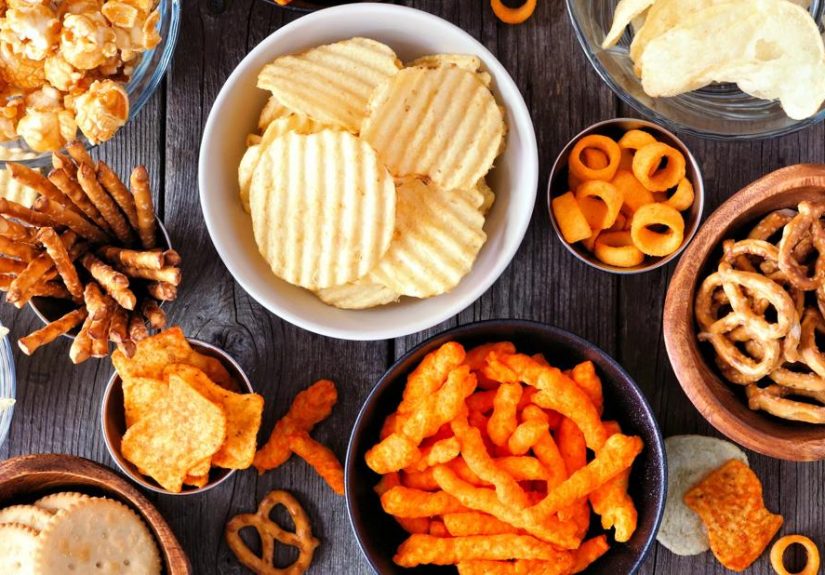
- Chips and puffed snacks with long ingredient lists
- Instant meals and some frozen “heat-and-eat” foods (varies widely)
- Fast-food combo meals that stack refined carbs + fried items + sugary drinks
Why they’re linked to inflammation
- Low fiber, high additives: Less support for healthy gut bacteria.
- High in refined carbs and added sugars: More metabolic stress patterns.
- Often high in omega-6-rich oils: Omega-6 fats are essential, but many people consume them in very high amounts relative to omega-3s.
How to reduce ultra-processed foods without feeling like you moved into a salad
- Use the “one-swap rule”: replace one ultra-processed snack per day with a whole-food snack
- Build a “grab-and-go” shelf: nuts, fruit, yogurt, popcorn, hummus, whole-grain crackers (short ingredient list)
- Choose frozen meals with recognizable ingredients and meaningful fiber/protein
Ingredient-list shortcut: If the ingredient list reads like a chemistry class reunion, it’s probably ultra-processed. Not always “bad,” but usually not something to anchor your daily diet.
How to Eat in a Less-Inflammatory Way (Without Turning Your Kitchen Into a Lab)
You don’t have to memorize every inflammatory compound ever discovered. The most consistent “anti-inflammatory” eating patterns share a few simple traits:
1) Prioritize fiber
Fiber feeds gut bacteria that can help regulate inflammation. Aim for fruits, vegetables, beans, lentils, and whole grains most days. If you’re not used to fiber, increase gradually and drink water to stay comfortable.
2) Choose fats that usually behave better
Use oils like olive oil for dressings and low-to-medium heat cooking when possible. Add omega-3-rich foods like salmon, sardines, chia, flax, and walnuts when you can.
3) Make “inflammation foods” occasional, not automatic
It’s not about never eating fries. It’s about not eating fries every time you’re hungry, tired, bored, celebrating, or within eyesight of a drive-thru.
4) Don’t forget the non-food stuff
Poor sleep and high stress can raise inflammatory signals too. If you improve your diet but sleep four hours a night, your body may still feel like it’s juggling flaming swords.
Conclusion
The five biggest diet categories linked with higher inflammation are: sugary drinks, refined carbohydrates, fried/trans-fat-heavy foods, processed meats (and too much red meat), and ultra-processed foods. None of these foods are “forbidden,” but they’re best treated like fireworks: fun sometimes, not ideal as a daily routine.
If you want a simple strategy, start with one change you can keep: swap a sugary drink for sparkling water, trade half your white grains for whole grains, or choose a less-processed protein a few times a week. Small, steady shifts are what build a calmer, more resilient pattern over time.
Important note: If you have a medical condition (autoimmune disease, diabetes, inflammatory bowel disease, high cholesterol, etc.) or you’re an athlete with high fuel needs, talk with a clinician or registered dietitian for personalized guidance. This article is educational and meant to support healthier patternsnot to encourage extreme restriction.
Real-Life Experiences People Often Notice (About )
When people start cutting back on the five “usual suspect” food groups above, the most interesting part isn’t a dramatic overnight transformationit’s the subtle, everyday wins that sneak up after a couple of weeks. Here are a few common experiences people report when they reduce inflammatory staples and replace them with more whole foods. (Not guaranteesmore like patterns that show up often enough to be worth mentioning.)
1) Fewer “energy roller coasters” in the afternoon
A classic story: someone who grabs a sweet coffee drink and a pastry for breakfast feels great at 9:15 a.m., then hits a wall by 11:30 a.m., then raids the snack drawer at 2:00 p.m. When they switch to a breakfast with more protein and fibersay, eggs with whole-grain toast, or yogurt with berries and nutsthe mid-day crash often feels less intense. The point isn’t to demonize carbs; it’s to avoid stacking fast-digesting sugar + refined flour when you need stable energy for school, work, or practice.
2) Less “puffy” or uncomfortable digestion
Ultra-processed foods can be low in fiber and high in sodium, and they often come in portions that encourage overeating. People who swap a daily bag of chips for popcorn, fruit, or nuts commonly say they feel less bloated and more comfortably full. Another pattern: reducing sugary drinks helps some people feel less gassy or “heavy,” simply because they’re consuming fewer concentrated sweeteners and carbonated sugar beverages.
3) Fewer cravings that feel like a hostage negotiation
When added sugars are a daily habit, cravings can feel loud. People sometimes describe it like their brain keeps “checking” for sugar, especially in the late afternoon or after dinner. After a week or two of cutting back on sweetened beverages and packaged desserts, many notice cravings become quieterstill there, but less bossy. A helpful trick is not to go cold turkey: keep satisfying options around (fruit, yogurt, dark chocolate in reasonable portions) so you don’t rebound into a full snack apocalypse.
4) Joint or muscle aches that feel a bit less dramatic
Some people with chronic achesespecially those who already have inflammatory conditionssay that reducing fried foods and processed meats makes day-to-day discomfort feel more manageable. It’s rarely “poof, pain is gone,” but it can be the difference between feeling stiff every morning and feeling stiff only sometimes. The effect tends to be stronger when diet changes are paired with good sleep and consistent movement.
5) A “this is sustainable” mindset
The best experience people report is confidence: realizing they don’t need a perfect diet to feel better. They learn which foods trigger them personally (maybe soda, maybe fried foods, maybe too many processed snacks during exam week) and they build a flexible plan. That flexibilitychoosing treats on purpose instead of by defaultis what makes the lower-inflammation approach stick long enough to matter.