Table of Contents >> Show >> Hide
- Why ants swarm certain plants in the first place
- 1) Peonies (the “ants are helping them bloom” myth magnet)
- 2) Roses (aphid season = ant season)
- 3) Hibiscus (sticky leaves, surprise ants, and the “what is this goo?” moment)
- 4) Citrus trees (lemon, lime, orange): sweet fruit, sweeter honeydew
- 5) Crape myrtle (and other “drip-zone” ornamentals that turn patios sticky)
- How to stop your landscaping from doubling as an ant buffet
- Real-world “been there” scenarios (and what usually fixes them)
- Conclusion
Ants aren’t showing up at your place because they love your landscaping style. They’re showing up because your yard is basically a
sugar buffet with good parking.
Here’s the thing most homeowners miss: ants usually aren’t “eating the plant.” They’re chasing sweet stuffnectar, plant juices,
and especially honeydew, that sticky sugar-water produced by sap-sucking insects like aphids, soft scales, and mealybugs.
If you see a steady ant highway up stems and tree trunks, it often means there’s a honeydew factory operating somewhere above.
Below are five common plants that can pull ants in close to doors, patios, driveways, and foundationsplus what’s actually going
on (and how to stop hosting the ant happy hour).
Why ants swarm certain plants in the first place
1) Nectar (including “extra” nectar outside the flower)
Some plants produce sugary nectar not just inside blooms, but also on buds or in special glands outside flowers. Ants don’t need an
invitationthey just need sugar.
2) Honeydew from sap-sucking pests
Aphids, scales, mealybugs, and whiteflies tap into plant sap and excrete excess sugar as honeydew. Ants collect it like it’s
artisanal syrup. Worse: ants may protect those pests from natural predators, making infestations harder to control.
3) Shelter and “bridges”
Dense foliage touching siding, mulch piled against foundations, and branches hanging over roofs can turn plants into convenient ant
ramps right into your home.
1) Peonies (the “ants are helping them bloom” myth magnet)
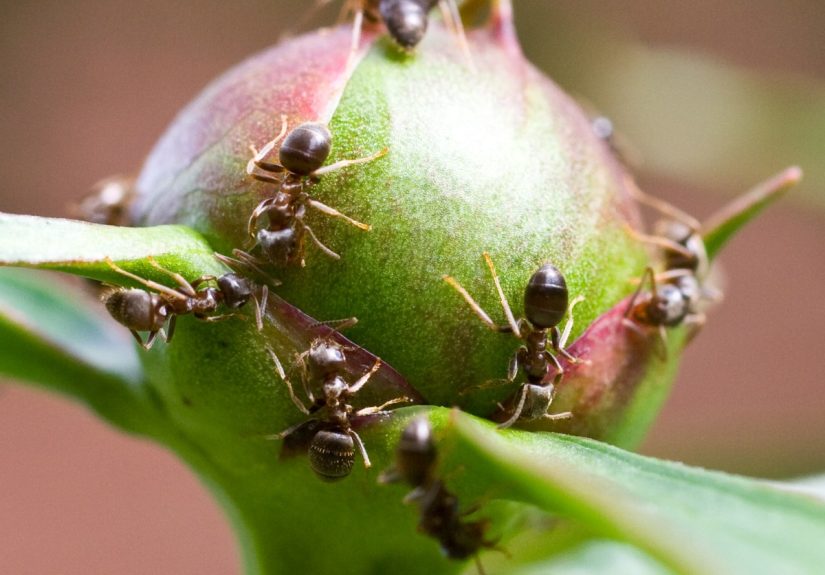
Peonies are famous for attracting ants on their buds. The classic rumor is that ants “help peonies open.” The reality is less
magical and more snack-related: peony buds can produce a sugary substance that ants harvest.
What you’ll notice
- Ants clustered on buds, especially before blooms open
- Usually no obvious leaf damage
- Ant traffic spikes during warm, dry stretches
Should you panic?
Generally, no. On peonies, ants are often just feeding and moving on. The bigger problem is when peonies are planted right beside
entryways: those ants may “graduate” from bud nectar to kitchen crumbs once they’ve mapped the neighborhood.
How to reduce ant drama near the house
- Relocate strategically: Plant peonies a bit away from doors and walkways if ants bug you.
- Rinse, don’t rage: A gentle hose rinse can remove ants from buds (especially before cutting for bouquets).
- Cut-flower tip: If bringing peonies inside, shake blooms gently outdoors and give stems a quick rinse.
2) Roses (aphid season = ant season)
Roses don’t “call” ants directlyaphids do. Rose shoots and buds are prime aphid real estate, and aphids produce honeydew that
attracts ants. The more tender new growth you have (often from heavy fertilizing), the more likely you’ll see aphids… and then ants.
What you’ll notice
- Curled or distorted new growth
- Sticky leaves or stems (honeydew)
- Ants patrolling rose tips like tiny security guards
- Sometimes a black film on leaves nearby (sooty mold growing on honeydew)
Why this is a bigger deal than “ants being ants”
When ants are harvesting honeydew, they may chase off beneficial insects (like lady beetles and lacewings) that would normally help
knock aphids down. So the ants aren’t just visitingthey can be enabling.
Fix it without turning your rose bed into a chemical war zone
- Blast aphids off: A strong spray of water to the tips and undersides can reduce aphids quickly.
- Prune hot spots: Clip heavily infested tips and trash them (don’t compost if pests are thriving).
- Skip the “growth steroids”: Over-fertilizing can create tender growth aphids love.
- Block ant access: If you’re battling repeat infestations, a sticky barrier on the main stem/canes (used correctly and safely)
can reduce ants tending aphids. - Use low-impact controls if needed: Insecticidal soap or horticultural oils can help when applied thoroughly, especially to the
undersides where pests hang out.
3) Hibiscus (sticky leaves, surprise ants, and the “what is this goo?” moment)
Hibiscustropical or hardycan attract ants when it hosts sap-suckers like aphids, mealybugs, whiteflies, or soft scales. These pests
feed on plant sap and excrete honeydew. Ants show up for the sugar, then may protect the pests, which keeps the cycle going.
What you’ll notice
- Sticky leaves or a glossy sheen
- Ant trails up stems and around flower buds
- White cottony clusters (mealybugs) or small bumps (scale) on stems/leaf veins
- Black sooty mold on leaves if honeydew is heavy
Indoor hibiscus? Even more reason to act fast
Outside, predators can help. Inside, pests often multiply faster because the “good bugs” aren’t on patrol. If your hibiscus is a
patio plant that comes indoors seasonally, it can accidentally become a pest shuttle.
Practical steps
- Inspect the undersides: If you see ants, check leaves and stems closely for sap-suckers.
- Wipe and wash: For light infestations, wiping stems/leaves and rinsing can remove many pests and honeydew.
- Target the pests: Horticultural oils or insecticidal soaps work best with thorough coverage and repeat checks.
- Control ants too: If ants keep farming the pests, use baits away from blooms and keep branches from touching walls or railings.
4) Citrus trees (lemon, lime, orange): sweet fruit, sweeter honeydew
Citrus is a classic ant-attractornot because ants crave lemons, but because citrus commonly hosts honeydew-producing pests
(soft scales, mealybugs, whiteflies, aphids, and other sap-feeders). Ants feed on honeydew and can interfere with natural pest control
by protecting those insects.
What you’ll notice
- Ant lines up the trunk and into the canopy
- Sticky leaves, patio furniture, or cars underneath (yes, really)
- Black sooty mold in places where honeydew accumulates
- Small “shell-like” bumps on stems/leaves (scale) or cottony clusters (mealybugs)
House-adjacent citrus: the hidden risk
Potted citrus near a doorway is basically an ant vending machine next to your living room. If branches touch walls, fences, or rooflines,
ants don’t even need to climb the trunkthey can take the shortcut.
What to do
- Remove bridges: Keep citrus pruned so foliage doesn’t touch the house or other structures.
- Look for the real culprit: Ants on citrus usually mean honeydew-producing pests are presentinspect closely.
- Interrupt ant access: Use a properly applied sticky band or barrier on the trunk (and maintain it).
- Manage pests with IPM: Oils and other targeted controls can help, but timing and coverage matter. When ants are excluded,
natural enemies often perform better.
5) Crape myrtle (and other “drip-zone” ornamentals that turn patios sticky)
Crape myrtle can become an ant magnet when infested with crape myrtle aphids or certain scales. These insects can produce substantial
honeydewenough to coat leaves and anything below. Ants arrive for the sugar, and sooty mold may follow, turning surfaces dark and grimy.
What you’ll notice
- Leaves feel sticky; sometimes they look shiny
- Ants and other insects feeding on honeydew
- Black sooty mold coating leaves, branches, or items below
- “Everything under the tree is gross” complaints (classic patio/driveway placement problem)
Why you might not want it right next to the house
If your crape myrtle overhangs a walkway, deck, or parking spot, honeydew can create a sticky mess and can encourage sooty mold buildup.
Add ants patrolling up and down the trunk, and you’ve got a full-service nuisance ecosystem.
Smarter placement and management
- Site wisely: Avoid planting crape myrtles directly over patios, play areas, or driveways if honeydew pests are common in your region.
- Reduce pest pressure: Encourage beneficial insects; avoid broad-spectrum sprays that can wipe out natural predators.
- Wash off residue: A periodic rinse can reduce honeydew and sooty mold buildup while you address the insect source.
- Ant traffic is a clue: Ants often signal a sap-sucker population worth investigating.
How to stop your landscaping from doubling as an ant buffet
Step 1: Follow the ants like you’re playing detective
Ants are very consistent coworkers. If you see a trail, it usually leads to food: nectar, honeydew, or a pantry raid. Outdoors, a heavy
trail on a plant often points to sap-suckers above.
Step 2: Eliminate the sugar source (honeydew), not just the ants
If you only kill foraging ants, but the aphids/scales/mealybugs keep producing honeydew, the trail tends to re-form. Managing the pest
problem reduces the reward, and ant traffic usually drops.
Step 3: Break the “bridges” to your house
- Trim branches away from siding, roofs, fences, and railings
- Keep mulch from touching foundations (avoid creating a humid highway)
- Seal obvious entry points if ants are already moving indoors
Step 4: Use the least messy tools first
Water sprays, pruning, soaps/oils, and ant baits placed correctly can be very effective. Broad, frequent insecticide use can backfire
by removing beneficial insects that naturally suppress aphids and scalesleaving you with more honeydew and, yes, more ants.
Real-world “been there” scenarios (and what usually fixes them)
Homeowners tend to meet the ant-plant relationship the same way they meet most household mysteries: by stepping in something sticky and
asking, “Why is the deck shiny?”
The Peony Bouquet Surprise
The flowers look perfect. You cut them, bring them inside, set them in a vase… and fifteen minutes later you’re hosting an ant
networking event on your kitchen counter. This one’s common because peony buds can be legitimately attractive to ants even without
any pest outbreak. The fix is simple: shake and rinse stems outdoors, then re-cut stems and arrange inside. If ants are abundant in
your yard, avoid staging cut peonies right next to a door where ants already patrol.
The Rose Tip “Traffic Jam”
You notice ants clustering at the tender tips of rose shootsright where the new growth is soft and delicious. The roses may look
slightly crinkled, and the leaves might feel tacky. That’s usually aphids producing honeydew, and ants collecting it like it’s their
part-time job. The fastest improvement often comes from a strong water spray every couple of days, plus pruning the worst tips.
Once aphid numbers drop, the ants lose interest. If you keep feeding roses heavy nitrogen, expect the cycle to repeataphids love
lush, tender growth the way ants love sugar.
The Hibiscus That Turns into a Sticky Lamp Post
Hibiscus problems often show up as “mystery shine” on leaves or nearby surfaces. Sometimes you’ll spot cottony bits (mealybugs) or
tiny insects on buds. Ants appear because honeydew is easy calories. The best real-life approach is boringbut effective: inspect
thoroughly, wipe what you can, rinse the plant, then treat with a targeted soap/oil if pests persist. People often skip the inspection
step and go straight to random sprays; that’s how you end up with a stressed hibiscus and still-sticky leaves. If the plant sits near
a doorway, moving it a few feet away and trimming any touch-points to railings or walls can dramatically reduce ant “access.”
The Citrus Pot That Becomes an Ant Toll Booth
Potted citrus by the front steps looks charminguntil ants are marching up the trunk. Citrus frequently hosts scale or mealybugs, which
can be surprisingly subtle at first (tiny bumps on stems, a bit of stickiness). Ants are often the early warning system. The most
satisfying fix is to break the partnership: prevent ants from climbing (barrier on the trunk), then address the pests. When ants
can’t protect the honeydew producers, natural enemies tend to do more of the work outdoors. Also: keep the canopy from touching
walls, because ants will absolutely use your stucco as a ladder.
The Crape Myrtle Patio Problem
This is the “why is my outdoor furniture sticky and slightly black?” scenario. Heavy honeydew from aphids or scale can drip down,
and sooty mold can grow on the residue. Ants show up for the honeydew, then patrol the trunk like it’s their personal escalator.
If your crape myrtle is positioned over a patio or driveway, management becomes a quality-of-life issue, not just a plant-health one.
Washing residue helps short-term, but long-term relief comes from reducing the insect population and (if possible) avoiding placing
honeydew-prone ornamentals directly over high-traffic home areas.
The shared lesson across all these stories: ants are usually a symptom, not the root cause. Remove the sugar sourcenectar where
practical, honeydew where necessaryand the ant parade usually thins out fast.
Conclusion
If ants are clustering on peonies, roses, hibiscus, citrus, or crape myrtle, the plant is often just the stagenot the villain.
Ants show up for sugar: bud nectar, extrafloral nectar, or honeydew produced by sap-sucking insects. The smartest strategy is to
treat ant activity as a clue. Inspect for aphids, scales, mealybugs, and whiteflies; reduce the honeydew supply; and break the
physical bridges that connect plants to your home. Your garden can still be beautifuljust less… snackable.