Table of Contents >> Show >> Hide
- What Is a Pan Sauce (and Why Does It Make Chicken Taste Expensive)?
- Ingredients for a 5-Minute Chicken Pan Sauce
- The 5-Minute Chicken Pan Sauce Recipe (Step-by-Step)
- Step 0: Remove the chicken and keep it cozy
- Step 1: Manage the fat (15 seconds)
- Step 2: Sauté aromatics (30–45 seconds)
- Step 3: Deglaze (45–60 seconds)
- Step 4: Add stock and reduce (2–3 minutes)
- Step 5: Flavor boosts (20 seconds)
- Step 6: Finish with butter (30–45 seconds)
- Step 7: Serve
- Quick “printable” version
- Flavor Variations (Because Chicken Deserves Options)
- Common Pan Sauce Problems (and How to Fix Them Like a Pro)
- What to Serve with Chicken Pan Sauce
- FAQ: Quick Chicken Pan Sauce
- Conclusion: The 5-Minute Habit That Changes Chicken Forever
- Kitchen Experiences & Lessons Around 5-Minute Pan Sauce (Extra ~)
You know that moment when your chicken is perfectly cooked… and then you serve it with nothing and suddenly it feels like a missed opportunity?
Let’s fix that in the time it takes to argue about what to watch next.
This is a true 5-minute chicken pan sauce: made in the same skillet, using those browned bits (a.k.a. the flavor confetti stuck to your pan),
finished with butter for that restaurant-style shine. It’s fast, flexible, and makes weeknight chicken taste like it has a personal chef.
What Is a Pan Sauce (and Why Does It Make Chicken Taste Expensive)?
A pan sauce is a quick sauce made right in the skillet after you cook chicken. When you sear chicken, you leave behind browned bits
called fond. Fond is basically concentrated flavor: proteins and sugars that caramelized and stuck to the pan because they were busy
becoming delicious.
The magic trick is deglazing: you add liquid (wine, broth, even water) to loosen the fond, then simmer it down until the flavor gets
punchy. Finally, you “mount” the sauce with cold butter to make it glossy and silkylike it just got a blowout.
Why this 5-minute pan sauce works
- Speed: You’re using the heat that’s already there and the flavor that already happened.
- Minimal ingredients: Stock + acid + butter = instant depth.
- Maximum payoff: Turns “plain chicken” into “oh wow, you made sauce.”
Ingredients for a 5-Minute Chicken Pan Sauce
This recipe is designed as a pan sauce for chicken breasts, cutlets, or thighs. It’s a baseline you can riff on depending on your mood
and what’s in your fridge door.
You’ll need (for about 2–4 servings)
- 1 tablespoon minced shallot (or finely chopped onion)
- 1 small clove garlic, minced (optional, but highly encouraged)
- 1/4 cup dry white wine or extra chicken stock
- 1/2 cup low-sodium chicken stock (or broth)
- 1 teaspoon Dijon mustard (optional, but makes it taste “chef-y”)
- 1–2 teaspoons lemon juice (or a small splash of vinegar)
- 2 tablespoons cold unsalted butter, cut into small pieces
- Salt + black pepper, to taste
- Optional finish: chopped parsley, thyme, tarragon, or a tiny splash of soy sauce for extra umami
Best pan for pan sauce
Stainless steel and cast iron are excellent because they build fond well. Nonstick works, but you’ll get less fond (and therefore less “wow”).
If you’re using nonstick, you can still make a quick pan saucejust don’t expect the same depth from the pan drippings.
The 5-Minute Chicken Pan Sauce Recipe (Step-by-Step)
Important note: The “5 minutes” starts after your chicken comes out of the pan. This is the victory lap, not the whole marathon.
Step 0: Remove the chicken and keep it cozy
When your chicken is cooked, transfer it to a plate and loosely tent with foil. Resting keeps it juicy and gives you time to make the sauce.
Step 1: Manage the fat (15 seconds)
If there’s a lot of fat in the pan, carefully spoon off excess, leaving about 1 tablespoon. You want enough fat for flavor, not so much
that your sauce turns into a slip-and-slide.
Step 2: Sauté aromatics (30–45 seconds)
Return the pan to medium heat. Add shallots and cook until slightly softened, about 30 seconds. Add garlic and stir for 10–15 seconds,
just until fragrant. (If your garlic starts browning aggressively, your pan is too hot. Garlic is dramatic.)
Step 3: Deglaze (45–60 seconds)
Pour in the wine (or a splash of stock). It should sizzle immediately. Use a wooden spoon to scrape up the fond from the bottom of the pan. Let the
liquid bubble until it reduces by about half. This concentrates flavor and cooks off harsh alcohol notes if you used wine.
Step 4: Add stock and reduce (2–3 minutes)
Add chicken stock and let it simmer briskly. You’re looking for the sauce to reduce until it’s slightly thickened and coats the spoon. If you drag a
spoon through the liquid and it briefly leaves a trail, you’re in the zone.
Step 5: Flavor boosts (20 seconds)
Whisk in Dijon mustard and lemon juice. Taste. Add salt and pepper as needed. If you’re using herbs, stir them in now.
Want a deeper savory note? Add 1/4 teaspoon soy saucejust a whisper.
Step 6: Finish with butter (30–45 seconds)
Turn off the heat (or move the pan off the burner). Add cold butter pieces and swirl or whisk until melted and emulsified. The sauce
should look glossy and smoothnot greasy.
Step 7: Serve
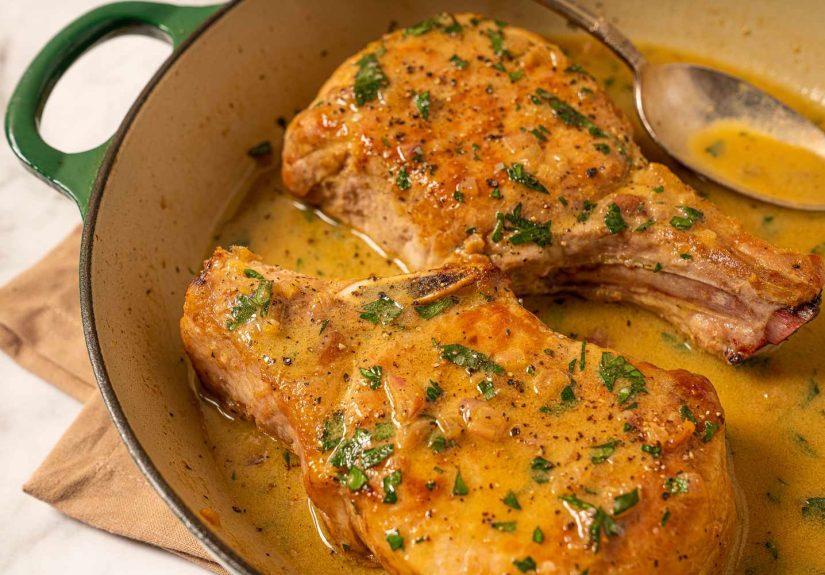
Spoon the pan sauce over chicken. Or return the chicken to the pan for 30 seconds to coat it, then plate and drizzle extra sauce on top like you’re
starring in your own cooking show.
Quick “printable” version
- Remove cooked chicken; tent with foil.
- Spoon off excess fat; leave ~1 tbsp.
- Sauté shallot 30 sec; garlic 10 sec.
- Deglaze with 1/4 cup wine; scrape fond; reduce by half.
- Add 1/2 cup stock; simmer 2–3 min to thicken slightly.
- Whisk in Dijon + lemon; season.
- Off heat, swirl in 2 tbsp cold butter; serve.
Flavor Variations (Because Chicken Deserves Options)
Once you’ve mastered the basic quick pan sauce, you can remix it endlessly without measuring like you’re doing chemistry homework.
Here are crowd-pleasing directions:
Lemon-Caper (Piccata-ish) Pan Sauce
- Add 1–2 teaspoons capers after the stock reduces.
- Finish with extra lemon zest and parsley.
Mushroom Pan Sauce
- Sauté sliced mushrooms in the remaining fat before shallots.
- Deglaze with wine, add stock, then finish with butter and thyme.
Creamy Dijon Herb Sauce
- After reducing the stock, add 2 tablespoons heavy cream (or crème fraîche) and simmer 30 seconds.
- Finish with tarragon or parsley.
Honey Mustard Pan Sauce
- Add 1 teaspoon honey along with Dijon.
- Use apple cider vinegar instead of lemon for a warmer tang.
Balsamic Pan Sauce
- Use 1–2 teaspoons balsamic vinegar (or a balsamic reduction) at the end.
- Great with chicken thighs and roasted vegetables.
Common Pan Sauce Problems (and How to Fix Them Like a Pro)
“My sauce looks oily / broken.”
This usually happens if the sauce gets too hot after the butter goes in, or if it reduces too far and the emulsion collapses.
Fix it by whisking in a small splash of water (start with 1 tablespoon) over low heat until it turns glossy again.
“My sauce is too thin.”
Let it simmer another 30–60 seconds. Reduction is the thickener that doesn’t taste like flour paste.
If you’re truly in a hurry, you can whisk in a tiny cornstarch slurrybut reduction will taste better.
“My sauce is too salty.”
Add a splash of water or unsalted stock, and balance with a bit more lemon. Also: use low-sodium stock whenever possible. Salt creeps.
“It tastes flat.”
Pan sauce needs salt, acid, and fat. If it’s missing excitement, add a squeeze of lemon or a few drops of vinegar, and finish with a
pinch of salt. If it still feels shy, a small amount of Dijon or soy sauce can add depth.
“I didn’t get any browned bits.”
That happens if the chicken was wet, the pan wasn’t hot, or you used nonstick. Next time: pat chicken dry, preheat the pan well, and don’t move the
chicken around constantly like it’s trying to escape. For tonight, you can still make a saucejust lean more on aromatics, stock, and acid.
What to Serve with Chicken Pan Sauce
This sauce is bold enough to carry a meal, and friendly enough to pair with almost anything. A few easy wins:
- Mashed potatoes (the sauce will disappear into them like it pays rent)
- Rice or orzo (soaks up every drop)
- Pasta (turns into “accidentally fancy” dinner)
- Roasted broccoli, green beans, or asparagus (drizzle the sauce over veggies too)
- Crusty bread (because you’re not leaving sauce behindthis is not a sad movie)
FAQ: Quick Chicken Pan Sauce
Can I make pan sauce without wine?
Absolutely. Use chicken stock, or add a small splash of vinegar or lemon juice at the end to replace wine’s acidity. You’ll still get a great
skillet chicken sauce.
How long does pan sauce last?
Pan sauce is best right away, but you can refrigerate it for 2–3 days. Reheat gently over low heat with a splash of water or stock to bring it back
to a smooth consistency.
Does this work for pork or steak?
Yes. The method is universal: sear → deglaze → reduce → finish with butter. Swap chicken stock for beef stock when appropriate.
Is pan sauce the same as gravy?
Not quite. Gravy is typically thickened with flour or starch and often starts with a roux. Pan sauce is usually thinner, glossy, and thickened mostly
by reduction and emulsified butter.
Conclusion: The 5-Minute Habit That Changes Chicken Forever
If you can sear chicken, you can make a pan sauce. And once you do, it’s hard to go backbecause suddenly you realize the skillet has been holding the
best flavor the whole time. This 5-minute chicken pan sauce recipe is simple, flexible, and ridiculously effective at turning a basic
dinner into something you’d happily pay for.
Keep the method in your back pocket: deglaze, reduce, swirl in butter, taste, adjust. Then take a victory lap with bread.
Kitchen Experiences & Lessons Around 5-Minute Pan Sauce (Extra ~)
Cooks who start making pan sauce tend to have the same “wait… that’s it?” moment the first time. You look at the pan, you see those browned bits, and
you realize you were one splash of liquid away from a sauce that tastes like you planned ahead. The biggest lesson is that pan sauce isn’t a recipe as
much as a tiny kitchen superpower. Once it clicks, you stop seeing “dirty pan” and start seeing “bonus flavor.”
A common early experience is making the sauce too timidbarely reducing it, barely seasoning it, and wondering why it tastes like polite broth.
Reduction is where the personality shows up. When you simmer the stock and wine down, you’re concentrating everything that chicken left behind:
browned proteins, caramelized bits, and the aromatic base you added. The sauce should smell tempting and look slightly thicker than you think it should,
because it will loosen when you add butter.
Another classic “first week of pan sauce” moment: you get excited, crank the heat, add butter, and the sauce looks oily. That’s not failurethat’s the
sauce telling you it’s too hot to behave. Butter is an emulsion starter, not a deep-fry candidate. Sliding the pan off heat before swirling in cold
butter is one of those small moves that feels like cheating because it works so well. If it breaks anyway, a splash of water and a whisk brings it back
more often than you’d expect. It’s like CPR for sauce.
Pan sauce also teaches you the value of resting meat. While the chicken rests, you’re not “waiting”you’re building the thing that makes the plate feel
complete. That time would’ve been dead space anyway, and now it becomes productive. In a weeknight routine, that’s huge: fewer steps, fewer pans, better
results. It’s one of the rare cooking upgrades that doesn’t demand extra patience.
Over time, people develop favorite “signatures.” Some keep it bright with lemon and capers. Some go cozy with mushrooms and thyme. Some swear by Dijon
because it adds tang and helps the sauce feel cohesive. And then there are the umami folks who quietly add a few drops of soy sauce and pretend they
didn’tuntil everyone asks why the chicken tastes so “deep.” The experience here is freedom: you don’t need a fully stocked pantry to make dinner feel
special; you just need to understand the structure.
The final lesson is emotional (yes, sauce has feelings): making pan sauce makes you feel capable. It’s a fast skill with instant feedback. When you pour
a glossy butter pan sauce over chicken and it looks like something from a restaurant, the kitchen stops feeling like a chore and starts feeling like a
place where good things happen quickly. And on a busy day, that’s not just dinnerthat’s a win.