Table of Contents >> Show >> Hide
- Why Blueberries Are Considered a Nutritional Powerhouse
- 1. Blueberries Are Rich in Antioxidants That Help Protect Cells
- 2. Blueberries May Support Heart Health
- 3. Blueberries May Help Support Brain Health and Memory
- 4. Blueberries Can Support Better Blood Sugar Balance
- 5. Blueberries Support Gut Health and Digestion
- How to Eat More Blueberries Without Getting Bored
- Fresh vs. Frozen Blueberries: Which Is Better?
- Are There Any Downsides to Eating Blueberries?
- Personal Experience: What Adding Blueberries to Daily Life Can Feel Like
- Conclusion
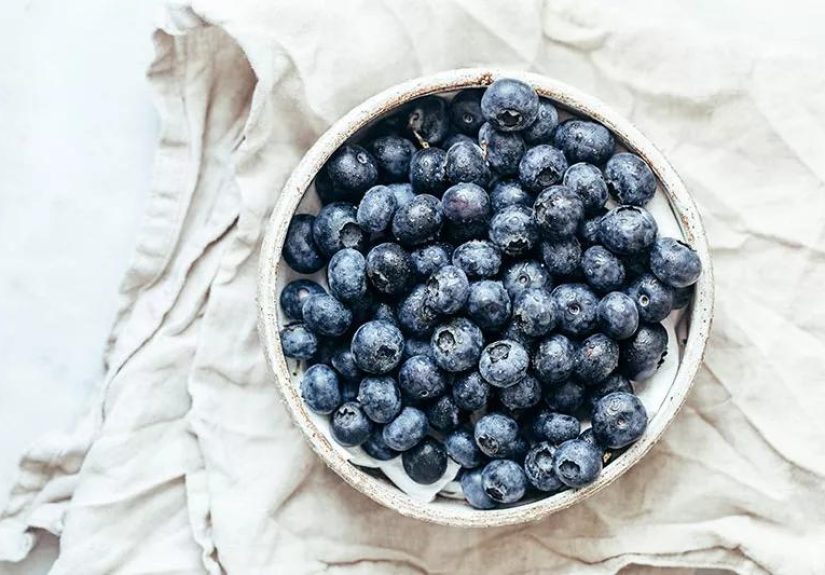
Blueberries are tiny, round, and suspiciously good at making oatmeal look like it has its life together. But beyond their bright color and sweet-tart flavor, blueberries have earned a serious reputation as one of the most nutrient-dense fruits you can add to your daily routine. They are low in calories, naturally sweet, rich in fiber, and loaded with plant compounds that help support long-term wellness.
The main health benefits of blueberries come from their mix of antioxidants, vitamins, minerals, and polyphenolsespecially anthocyanins, the natural pigments that give blueberries their deep blue-purple color. In plain English: the same thing that makes blueberries look like little edible gemstones may also help your body fight oxidative stress, support heart health, protect brain function, improve digestion, and promote better blood sugar balance.
This does not mean blueberries are magical medicine. No fruit can cancel out a poor diet, replace sleep, or negotiate with your treadmill on your behalf. But when eaten regularly as part of a balanced diet, blueberries can be a smart, delicious, and very easy upgrade. Here are five science-backed health benefits of blueberries and practical ways to enjoy them without turning your kitchen into a smoothie laboratory.
Why Blueberries Are Considered a Nutritional Powerhouse
A typical one-cup serving of blueberries contains about 80 calories, roughly 4 grams of fiber, natural carbohydrates, vitamin C, vitamin K, manganese, and many antioxidant compounds. That makes them filling enough to be useful, sweet enough to feel like a treat, and light enough to fit into breakfast, snacks, salads, desserts, and even savory dishes.
Blueberries are also convenient. Fresh blueberries are wonderful when they are in season, but frozen blueberries are often just as useful nutritionally because they are usually picked and frozen at peak ripeness. That means you do not need to panic-buy fresh berries like you are preparing for a blueberry shortage. Keep a bag in the freezer, and you have a ready-to-go ingredient for oatmeal, yogurt bowls, smoothies, pancakes, sauces, and baked goods.
1. Blueberries Are Rich in Antioxidants That Help Protect Cells
One of the biggest health benefits of blueberries is their antioxidant content. Antioxidants help neutralize free radicals, unstable molecules that can damage cells when they build up in the body. This process, called oxidative stress, is connected with aging and many chronic health concerns.
Blueberries are especially known for anthocyanins. These plant compounds belong to the flavonoid family and are responsible for the fruit’s bold blue color. Think of anthocyanins as the blueberry’s built-in defense system. Plants use these pigments to protect themselves from environmental stress, and when we eat them, they may help support our own antioxidant defenses.
How antioxidants work in everyday life
Your body naturally produces free radicals during normal processes such as metabolism and exercise. You also encounter them from pollution, cigarette smoke, UV exposure, and highly processed diets. The goal is not to eliminate free radicals completelythat is impossible and not even desirable. The goal is balance. A diet rich in colorful plant foods, including blueberries, can help provide the antioxidant support your body uses to maintain that balance.
For example, adding blueberries to breakfast is a simple way to increase your intake of protective plant compounds without changing your entire lifestyle overnight. A bowl of Greek yogurt with blueberries, walnuts, and oats gives you antioxidants, protein, fiber, and healthy fats in one very respectable bowl. It also looks fancy enough for a food blog, even if you eat it standing at the kitchen counter.
2. Blueberries May Support Heart Health
Blueberries can be a heart-smart food because they combine fiber, potassium, polyphenols, and anthocyanins in a naturally low-sodium package. Research has linked higher intake of anthocyanin-rich foods, such as blueberries and strawberries, with better cardiovascular markers, including healthier blood pressure and improved blood vessel function.
Blood vessels are not just passive tubes carrying blood around like plumbing. They expand, relax, and respond to chemical signals. Anthocyanins may help support endothelial function, which refers to the health of the inner lining of blood vessels. Better endothelial function can support smoother blood flow and healthier blood pressure levels.
Fiber matters for cholesterol, too
Blueberries also provide dietary fiber. Fiber can help support healthy cholesterol levels by binding to cholesterol in the digestive system and helping the body remove it. While blueberries are not as fiber-packed as beans or lentils, they are much easier to toss into cereal, which gives them a major convenience advantage. Nobody casually sprinkles lentils on pancakes. At least, nobody we need to invite to brunch.
A practical heart-friendly snack might be a cup of blueberries with plain yogurt or cottage cheese. The berries add natural sweetness, the protein helps keep you full, and you avoid the sugar rush that can come from candy, pastries, or sweetened drinks. Over time, small swaps like this can support better overall eating patterns.
3. Blueberries May Help Support Brain Health and Memory
Blueberries have attracted attention for their potential brain health benefits. The brain uses a lot of oxygen, which makes it vulnerable to oxidative stress. Because blueberries are rich in antioxidant and anti-inflammatory compounds, researchers have studied whether regular blueberry intake may support memory, learning, and cognitive performance, especially in older adults.
Some studies suggest that blueberries may help improve certain aspects of cognition, such as memory and processing speed. The effect is not like suddenly becoming a chess grandmaster after one smoothie. It is more realistic to think of blueberries as one useful piece of a brain-supportive lifestyle that also includes sleep, movement, social connection, learning, and a balanced diet.
Why anthocyanins are interesting for the brain
Anthocyanins and related polyphenols may help support brain health by reducing oxidative stress, calming inflammation, and improving communication between brain cells. They may also play a role in blood flow, which matters because the brain depends on a steady supply of oxygen and nutrients.
Blueberries fit especially well into eating patterns like the MIND diet, which combines elements of the Mediterranean and DASH diets and emphasizes leafy greens, berries, whole grains, nuts, beans, olive oil, and fish. In that style of eating, berries are not just decoration. They are one of the featured fruits because of their polyphenol content.
For students, professionals, parents, and anyone who has ever walked into a room and forgotten why, blueberries are not a guaranteed memory shield. But replacing a sugary snack with a bowl of blueberries and nuts is a smart move for steady energy and overall brain-friendly nutrition.
4. Blueberries Can Support Better Blood Sugar Balance
Because blueberries taste sweet, some people assume they must be a poor choice for blood sugar. Fortunately, whole blueberries come with fiber, water, and plant compounds that help slow digestion. This makes them very different from candy, soda, or fruit juice, where sugar arrives quickly and without much fiber to slow things down.
Blueberries have a relatively modest carbohydrate load per serving and contain no added sugar when eaten fresh or frozen. The fiber in blueberries helps slow the absorption of natural sugars, which may support steadier blood glucose levels. This is one reason berries are often recommended as a smart fruit choice for people who are watching their blood sugar.
Whole blueberries beat blueberry-flavored treats
There is a big difference between eating blueberries and eating something that once made eye contact with a blueberry in a factory. Blueberry muffins, blueberry toaster pastries, blueberry syrups, and sweetened blueberry drinks may contain added sugars, refined flour, and extra calories. They can still be enjoyable sometimes, but they do not deliver the same nutritional value as whole berries.
For better blood sugar balance, pair blueberries with protein or healthy fat. Try blueberries with unsweetened Greek yogurt, chia pudding, peanut butter toast, cottage cheese, or a handful of almonds. This combination can help you feel full longer and reduce the chance of a quick energy crash later.
If you have diabetes or take medication that affects blood sugar, blueberries can still fit into many eating plans, but portion size and meal balance matter. A registered dietitian or healthcare provider can help personalize recommendations based on your needs.
5. Blueberries Support Gut Health and Digestion
Your gut is home to trillions of microorganisms, many of which play a role in digestion, immune function, metabolism, and inflammation. Blueberries may support gut health in two main ways: through fiber and through polyphenols that interact with gut bacteria.
The fiber in blueberries helps add bulk to stool and supports regular digestion. Fiber also acts as food for beneficial gut bacteria. When gut bacteria ferment certain fibers, they produce short-chain fatty acids, compounds that help support the gut lining and may influence inflammation in the body.
Blueberries and the microbiome
Blueberry polyphenols may also help shape the gut microbiome. Not all polyphenols are fully absorbed in the small intestine, so some travel to the colon, where gut bacteria break them down into smaller compounds. This relationship is a tiny nutritional teamwork project: you feed the microbes, and the microbes help produce compounds your body can use.
For digestion-friendly meals, add blueberries to high-fiber foods like oatmeal, whole-grain cereal, chia seeds, or bran. You can also blend frozen blueberries into a smoothie with spinach, kefir, and ground flaxseed. That may sound extremely wholesome, but the blueberries do the important job of making the whole thing taste like something you actually chose voluntarily.
How to Eat More Blueberries Without Getting Bored
Blueberries are easy to add to meals because they work in sweet and savory recipes. You can eat them fresh by the handful, but there are many other ways to enjoy them.
Simple blueberry ideas
Add blueberries to oatmeal with cinnamon and walnuts. Mix them into plain yogurt with a drizzle of honey. Toss them into a spinach salad with feta, pecans, and grilled chicken. Stir them into pancake batter. Blend them into smoothies. Simmer them into a quick sauce for whole-grain waffles or roasted turkey. Freeze them into homemade yogurt bites. Or simply keep a washed bowl in the fridge for a grab-and-go snack.
Frozen blueberries are especially useful for cooking. They are usually less expensive than fresh berries out of season and do not spoil in three business days like that ambitious container of spring mix hiding in the fridge. Use frozen berries in baked oatmeal, smoothies, compotes, muffins, and sauces. Just remember that frozen blueberries release more juice, so baked goods may turn a dramatic shade of purple. Honestly, there are worse problems.
Fresh vs. Frozen Blueberries: Which Is Better?
Both fresh and frozen blueberries can be healthy choices. Fresh blueberries are great for snacking, salads, and recipes where texture matters. Frozen blueberries are excellent for smoothies, oatmeal, sauces, and baking. Since frozen berries are often picked and frozen at peak ripeness, they can retain many nutrients well.
The main thing to watch is added sugar. Choose plain frozen blueberries instead of sweetened varieties. For canned blueberries, look for options packed in water or juice without added sugar. Blueberry pie filling is delicious, but nutritionally it is more dessert than fruit serving. No judgmentjust facts wearing sensible shoes.
Are There Any Downsides to Eating Blueberries?
For most people, blueberries are safe and healthy. However, eating very large amounts may cause digestive discomfort because of the fiber and natural fruit sugars. People who take blood-thinning medications may need to keep vitamin K intake consistent, so it is worth discussing major diet changes with a healthcare professional. Anyone with food allergies, kidney concerns, or a medically restricted diet should also ask a qualified provider for personal advice.
Blueberries are best viewed as part of a balanced diet, not a cure-all. They work well alongside vegetables, whole grains, lean proteins, beans, nuts, seeds, and healthy fats. In other words, blueberries are a strong supporting actor, not the entire movie.
Personal Experience: What Adding Blueberries to Daily Life Can Feel Like
One of the easiest things about blueberries is that they do not require a personality change. Some healthy habits demand planning, equipment, or the emotional strength to pretend plain rice cakes are exciting. Blueberries are different. They are simple. You rinse them, toss them into something, and suddenly breakfast looks brighter and tastes better.
For many people, the first noticeable benefit of eating blueberries regularly is not dramatic. There is no lightning bolt. No background music. No sudden urge to organize the garage. The change is usually practical: meals become more satisfying. A bowl of oatmeal with blueberries feels more complete than plain oatmeal. Yogurt with blueberries tastes like an actual snack instead of a punishment from the diet police. A smoothie with blueberries, banana, spinach, and protein becomes a fast breakfast that can keep you full through a busy morning.
Blueberries are also helpful for people trying to reduce added sugar. If dessert is calling your name at 9 p.m.and dessert can be very persuasivea bowl of blueberries with a spoonful of Greek yogurt can satisfy the desire for something sweet without turning into a full dessert expedition. Add cinnamon, a few chopped nuts, or a small square of dark chocolate, and it feels special enough to count as a treat.
Another real-life advantage is convenience. Fresh blueberries are easy to pack in a lunchbox, and frozen blueberries are always available when fresh fruit runs out. Keeping frozen blueberries on hand can prevent the classic snack emergency where the only visible options are chips, cookies, or the mysterious leftovers nobody wants to identify. Frozen blueberries can go straight into oatmeal while it cooks, creating a naturally sweet purple swirl. They also work in smoothies when you are half-awake and operating the blender with the seriousness of a scientist.
Blueberries can also make healthy eating feel less boring. Salads become more interesting with blueberries, goat cheese, cucumbers, and grilled chicken. Whole-grain toast becomes better with peanut butter and a handful of berries. Even simple water feels more inviting with frozen blueberries and lemon slices. It is a small detail, but small details often decide whether a habit sticks.
The best experience comes from using blueberries consistently but casually. You do not need to eat them every single day or measure them with laboratory precision. A few servings a week can be a realistic start. The goal is to make nutritious food easier to choose. Blueberries do that beautifully because they bring flavor, color, and real nutritional value without demanding much effort. They are the rare health food that feels cheerful instead of bossy.
Conclusion
Blueberries may be small, but they bring a lot to the table. Their antioxidants help protect cells, their anthocyanins may support heart and brain health, their fiber can help with digestion and blood sugar balance, and their naturally sweet flavor makes healthier meals easier to enjoy. They are not a miracle cure, but they are one of the simplest fruits to add to a balanced diet.
The smartest approach is to eat blueberries as part of an overall healthy pattern. Choose fresh or unsweetened frozen blueberries most often, pair them with protein or fiber-rich foods, and enjoy them in ways that fit your routine. Whether they land in oatmeal, yogurt, salads, smoothies, or straight into your mouth by the handful, blueberries prove that healthy eating does not have to be complicated. Sometimes it is just a little blue.
Note: This article is for general nutrition education only and is not a substitute for medical advice. People with diabetes, kidney disease, food allergies, or medication-related dietary restrictions should ask a qualified healthcare professional for personalized guidance.